
Organic Sanitary Napkins MarketSize, Share & Industry Analysis, 2026-2034By TypeBy ApplicationBy MaterialBy Absorbency LevelBy End User
Full title & scope — all 5 axes with their segments
Organic Sanitary Napkins Market Size, Share & Industry Analysis, By Type (Organic Menstrual Pads, Organic Pantyliners, Other), By Application (Retail Outlets, Online Stores), By Material (Organic Cotton, Bamboo Fiber, Corn Fiber and Other Biodegradable Materials), By Absorbency Level (Regular Flow, Light Flow, Heavy Flow and Overnight), By End User (Adult Women, Teenagers, Postpartum and Menopausal Women), and Regional Forecast, 2026-2034
Market outlook, key takeaways, drivers and challenges for the report period.
- 01By TypeOrganic Menstrual Pads · Organic Pantyliners · Other
- 02By ApplicationRetail Outlets · Online Stores
- 03By MaterialOrganic Cotton · Bamboo Fiber · Corn Fiber and Other Biodegradable Materials
- 04By Absorbency LevelRegular Flow · Light Flow · Heavy Flow and Overnight
- 05By End UserAdult Women · Teenagers · Postpartum and Menopausal Women
- 06By Region
Market Analysis & Outlook
Organic sanitary napkins are menstrual pads, pantyliners and related absorbent products made primarily from certified organic cotton, bamboo fiber or other biodegradable materials, formulated without synthetic superabsorbent polymers, chlorine bleaching or added synthetic fragrance. They are positioned for buyers seeking lower chemical exposure during menstruation and a smaller environmental footprint from disposal, and are sold through pharmacies, supermarkets, specialty natural-product retailers and direct-to-consumer subscription services. Buyers range from individual consumers switching from conventional napkins to institutional purchasers such as schools and community health programs distributing organic products as part of menstrual health initiatives.
Between 2025 and 2034 the global organic sanitary napkins market moves from USD 2.25 billion to USD 5.52 billion, compounding at 10.14% a year. Fifteen years are covered in all, taking in USD 1.15 billion in 2020, USD 1.97 billion in 2024, USD 2.55 billion in 2026 and USD 3.94 billion in 2030.
Composition changes more than the total does. Other, at 13.96%, outgrows Organic Menstrual Pads at 9.55%, and its share moves from 11% to 15%. Organic Menstrual Pads stays the largest line throughout, at USD 1.44 billion in 2025 and USD 3.367 billion in 2034. Share moves toward Other and away from Organic Menstrual Pads and Organic Pantyliners, though no line shrinks in revenue terms.
By application, Retail Outlets accounts for 62% of 2025 revenue at USD 1.395 billion, reaching USD 2.65 billion and 48% by 2034. Online Stores grows faster at 14.41% against 7.39%, moving from 38% of revenue to 52% by 2034. This axis divides the same revenue as the type split instead of adding to it, so the two are read together and never summed.
Geographically, 35% of 2025 revenue sits in North America (USD 0.788 billion rising to USD 1.656 billion) ahead of Europe at 30% and USD 0.675 billion. Middle East and Africa is smallest, at 4%. Share shifts toward Asia Pacific and Latin America over the forecast period, so the regional split repays a close reading.
The 2025 total is arrived at by triangulating published aggregates against category proxies, not by an independent count. Segment, regional and country splits are estimated on the same basis, which bounds the precision of the figures above. Coverage runs to five regions, three type lines and five segmentation axes across a fifteen-year window.
Market Size, 2020–2034
USD BillionRevenue in USD Billion. Values up to 2025 are actuals; 2026–2034 are forecast.
Key Takeaways
- The global organic sanitary napkins market moves from USD 1.15 billion in 2020 to USD 2.25 billion in 2025 and USD 5.52 billion by 2034, the forecast period compounding at 10.14% a year.
- The largest line by type is Organic Menstrual Pads, worth USD 1.44 billion and 64% of revenue in 2025, rising to USD 3.367 billion and 61% by 2034.
- Fastest growth on the type axis belongs to Other: 13.96% a year, USD 0.248 billion to USD 0.828 billion, and a share moving from 11% to 15%.
- Scenario range for 2034 runs from USD 4.86 billion in the bear case to USD 6.35 billion in the bull case, against a base-case USD 5.52 billion, the spread a plan built on this forecast has to absorb.
- The largest region is North America, generating USD 0.788 billion in 2025 (35% of the global total) and USD 1.656 billion by 2034, ahead of Europe at 30%.
- The United States accounts for 85% of North America in the base year, worth USD 0.67 billion in 2025 and reaching USD 1.408 billion by 2034, the worked country example carried through that region's chapters.
- The study covers 2020 through 2034 with 2025 as the base year, reporting five regions and five segmentation axes separately, with revenue, share and a growth rate for every line in each year.
Market Trends
Revenue Share, By By Type
Base year 2025Organic Menstrual Pads leads with 64.0% of by type segment revenue.
Share of by type segment revenue, most recent base year.
Three things move over 2026-2034, and they are worth separating: the type mix, the regional balance, and the 10.14% compounding underneath both.
None of them reverses the market's direction. Every line and every region grows in absolute terms across the period; the movement is in which of them captures the revenue added.
Other grows faster than Organic Menstrual Pads. Between 2026 and 2034, 13.96% growth in Other against 9.55% in Organic Menstrual Pads pulls the type mix apart. By 2034 the two sit at 15% and 61% of revenue, against 11% and 64% in 2025. Neither contracts: USD 0.248 billion becomes USD 0.828 billion, USD 1.44 billion becomes USD 3.367 billion. What the spread decides is which of them a supplier's revenue is exposed to.
Growth concentrates in Asia Pacific and Latin America. Asia Pacific moves from 25% of revenue in 2025 to 33% in 2034, worth USD 0.563 billion rising to USD 1.822 billion; Latin America moves from 6% of revenue in 2025 to 7% in 2034, worth USD 0.135 billion rising to USD 0.386 billion. Share moves off the others in turn: North America at 35% moving to 30%, Europe at 30% moving to 26%, Middle East and Africa at 4% moving to 4%, each still growing in revenue terms. The practical consequence is that regional weighting decides whether a participant matches the market rate or trails it, regardless of how its own revenue reads.
The series never breaks trajectory. Year by year the total runs USD 1.15 billion in 2020, USD 1.97 billion in 2024, USD 2.25 billion in 2025, USD 2.55 billion in 2026, USD 3.94 billion in 2030 and USD 5.52 billion in 2034. Against 14.36% through the historical period, the 10.14% forecast rate is a continuation; no year in the series interrupts it. A plan built on this market is therefore a plan about capturing a share of steady expansion, which is decided on the type and regional axes, not by the headline rate.
Market Growth Factors
Growth is concentrated in Other
Market Drivers
3- 01Growth is concentrated in Other
The fastest line on the type axis is Other, at 13.96% against the market's 10.14%, taking USD 0.248 billion to USD 0.828 billion and 11% of revenue to 15%. The market's overall 10.14% depends on that rate holding: at the 9.55% recorded by Organic Menstrual Pads, the same revenue base would compound to a materially smaller 2034 total. Exposure to this line, not to the market as a whole, is what determines a supplier's own rate.
- 02North America carries 35% of the base and keeps growing
35% of 2025 revenue (USD 0.788 billion) is generated in North America, reaching USD 1.656 billion by 2034 at an unchanged 30%. Europe adds a further 30% at USD 0.675 billion, reaching USD 1.435 billion. Most of the base and most of the growth sit in those two, and a plan spread evenly across regions therefore over-invests outside them.
- 03A demonstrated trajectory, not a projected turnaround
USD 1.15 billion in 2020, USD 1.97 billion in 2024 and USD 2.25 billion in 2025: 14.36% compound growth before the forecast period even begins. From there the forecast carries 10.14% through to USD 5.52 billion in 2034. Fifteen years of unbroken growth in the series means the forecast rests on a demonstrated trajectory, not a projected turnaround, and it is why the 10.14% rate is applied flat across the whole period instead of ramped through it.
Growth drivers
| # | Growth driver | Impact | Gross contribution (Billion) | 2026-28 | 2029-31 | 2032-34 |
|---|---|---|---|---|---|---|
| 1 | Rising consumer preference for organic and chemical-free feminine hygiene products | High | +1.25 | High | High | Medium |
| 2 | Expansion of e-commerce and direct-to-consumer distribution | Medium-High | +0.85 | Medium | High | High |
| 3 | Growing availability of certified organic and biodegradable raw materials | Medium-High | +0.6 | Medium | Medium | High |
| 4 | Regulatory support and labeling standards for organic personal care products | Medium | +0.42 | Low | Medium | Medium |
| 5 | Retailer and pharmacy shelf-space expansion for organic hygiene brands | Medium | +0.28 | Medium | Medium | Low |
| 6 | Other market factors | Low | +0.5 | Low | Low | Low |
| Total | +3.9 | |||||
Restraints
| # | Restraint | Impact | Estimated reduction (Billion) | 2026-28 | 2029-31 | 2032-34 |
|---|---|---|---|---|---|---|
| 1 | Higher price points relative to conventional sanitary napkins | Medium-High | −0.35 | High | Medium | Medium |
| 2 | Limited manufacturing scale and certified raw-material supply constraints | Medium | −0.2 | Medium | Medium | Low |
| 3 | Persistent low awareness and price sensitivity in emerging markets | Low | −0.08 | Medium | Low | Low |
| Total | −0.63 | |||||
Drivers contribute 3.9 Billion and restraints remove 0.63 Billion, a net 3.27 Billion, which is the revenue the market adds between the base year and 2034. Contributions are CDI estimates, apportioned so that they reconcile with the forecast rather than being read from it.
Three sources account for the growth to 2034: 10.14% compounding across the base, share moving toward the faster type lines, and above-market expansion in the leading regions.
Restraining Factors
Downside case: USD 4.86 billion by 2034, against USD 5.52 billion in the base case
Market Restraints
2- 01Downside case: USD 4.86 billion by 2034, against USD 5.52 billion in the base case
The study's downside path assumes the bear case assumes certified organic raw material costs stay elevated, slowing price convergence with conventional napkins and delaying retailer shelf expansion outside North America and Europe, and ends 2034 at USD 4.86 billion against the USD 5.52 billion base case, the same USD 2.25 billion base year, a slower forecast period.
- 02Organic Menstrual Pads grows below the market rate
With 64% of 2025 revenue (USD 1.44 billion) Organic Menstrual Pads is where most of the market sits, and it grows at only 9.55% against the market's 10.14%. Revenue still reaches USD 3.367 billion by 2034 and share still falls to 61%: a drag on the average, not a decline.
Market Opportunities
Where the forecast could be beaten
Market Opportunities
2- 01Where the forecast could be beaten
A bull case of USD 6.35 billion by 2034, against USD 5.52 billion in the base case, turns on a single stated assumption: the bull case assumes faster retailer shelf expansion and quicker price convergence with conventional napkins, pulling forward online and direct-to-consumer adoption in Asia Pacific and Latin America. The USD 2.25 billion 2025 base is common to both.
- 02Organic Pantyliners is where share changes hands
Share on the type axis moves toward Organic Pantyliners, from 25% in 2025 to 24% in 2034, on 9.64% growth against the market's 10.14% and revenue rising from USD 0.563 billion to USD 1.325 billion. Taking position there does not require displacing whoever holds Organic Menstrual Pads, which is the harder and more expensive fight.
Market Challenges
Concentration on the type axis
Market Challenges
2- 01Concentration on the type axis
Organic Menstrual Pads is 64% of 2025 revenue at USD 1.44 billion and still 61% at USD 3.367 billion in 2034. Anything that changes demand for it changes the headline number; nothing else on the axis carries that weight.
- 02Single-country exposure in North America
North America is worth USD 0.788 billion in 2025 and USD 0.67 billion of that is the United States; 85% of the region, reaching USD 1.408 billion in 2034. Read as a region it looks diversified; read by weight it is not, and the regional forecast inherits whatever happens in that one market.
Segmentation Analysis
5 axesSegmentation runs along five axes: type, application, material, absorbency level and end user. Every one of them divides the same revenue, which makes them views of one market from different commercial angles, not components of it.
Three type lines are reported. One of them takes share over the forecast period and the rest give it up, though every line grows in absolute terms between 2025 and 2034.
By Type · 3 segments
Organic Menstrual Pads Held the Dominant Share of the Type Segment in 2025
- Largest Organic Menstrual Pads · 64%
- Fastest Other · 14%
- Moves most Other · +4 pts
- Order by 2034 unchanged
| Segment | 2025 | Share | 2034 | Share | CAGR |
|---|---|---|---|---|---|
| Organic Menstrual Pads | $1.44B | 64% | $3.37B | 61%-3 | 9.6% |
| Organic Pantyliners | $0.56B | 25% | $1.32B | 24%-1 | 9.6% |
| Other | $0.25B | 11% | $0.83B | 15%+4 | 14% |
Organic Menstrual Pads lead because they remain the primary replacement product across the menstrual cycle, with the widest range of certified organic stock-keeping units already established on pharmacy and supermarket shelves. Other formats grow fastest as brands extend organic portfolios into cups, discs and specialty overnight formats that address occasions pads and liners do not fully cover. By 2034 Organic Menstrual Pads is still ahead, making this a shift in weight, not a change of leader. Every year of the series is priced on this axis, making it the reference cut for the rest of the report.
By Application · 2 segments
Retail Outlets Led by Application in 2025, with Online Stores Growing Fastest
- Largest Retail Outlets · 62%
- Fastest Online Stores · 14.4%
- Moves most Retail Outlets · -14 pts
- Order by 2034 changes
| Segment | 2025 | Share | 2034 | Share | CAGR |
|---|---|---|---|---|---|
| Retail Outlets | $1.40B | 62% | $2.65B | 48%-14 | 7.4% |
| Online Stores | $0.85B | 38% | $2.87B | 52%+14 | 14.4% |
Retail Outlets lead because organic buyers still value in-store trial and trust the pharmacy and health-store placement that established the category. Online Stores grow fastest as subscription models and direct-to-consumer brands lower the cost of reaching new buyers and extend access beyond urban retail footprints into smaller cities and rural markets. By 2034 the largest line is Online Stores and no longer Retail Outlets, the one axis here where the order actually changes.
By Material · 3 segments
Corn Fiber and Other Biodegradable Materials Outpaces the Axis While Organic Cotton Holds the Largest Share
- Largest Organic Cotton · 55%
- Fastest Corn Fiber and Other Biodegradable Materials · 13.4%
- Moves most Organic Cotton · -7 pts
- Order by 2034 unchanged
| Segment | 2025 | Share | 2034 | Share | CAGR |
|---|---|---|---|---|---|
| Organic Cotton | $1.24B | 55% | $2.65B | 48%-7 | 8.8% |
| Bamboo Fiber | $0.68B | 30% | $1.82B | 33%+3 | 11.7% |
| Corn Fiber and Other Biodegradable Materials | $0.34B | 15% | $1.05B | 19%+4 | 13.4% |
Organic Cotton leads because it is the most familiar certified fiber, with established growing regions, ginning capacity and textile supply chains already serving the category. Bamboo Fiber and other biodegradable materials grow fastest as brands look for lower-cost, high-absorbency alternatives that support stronger sustainability claims without the acreage constraints organic cotton faces. By 2034 Organic Cotton is still ahead, making this a shift in weight, not a change of leader.
By Absorbency Level · 3 segments
Regular Flow Held the Dominant Share of the Absorbency level Segment in 2025
- Largest Regular Flow · 50%
- Fastest Heavy Flow and Overnight · 13.3%
- Moves most Heavy Flow and Overnight · +5 pts
- Order by 2034 unchanged
| Segment | 2025 | Share | 2034 | Share | CAGR |
|---|---|---|---|---|---|
| Regular Flow | $1.13B | 50% | $2.59B | 47%-3 | 9.7% |
| Light Flow | $0.68B | 30% | $1.55B | 28%-2 | 9.6% |
| Heavy Flow and Overnight | $0.45B | 20% | $1.38B | 25%+5 | 13.3% |
Regular Flow leads because it serves the broadest everyday use occasion across the menstrual cycle, giving it the widest shelf presence and repeat-purchase base. Heavy Flow and overnight formats grow fastest as brands add dedicated organic options for postpartum and heavier-flow occasions that were previously served mainly by conventional overnight pads. By 2034 Regular Flow is still ahead, making this a shift in weight, not a change of leader.
By End User · 3 segments
Adult Women Held the Dominant Share of the End user Segment in 2025
- Largest Adult Women · 60%
- Fastest Postpartum and Menopausal Women · 14.7%
- Moves most Postpartum and Menopausal Women · +6 pts
- Order by 2034 unchanged
| Segment | 2025 | Share | 2034 | Share | CAGR |
|---|---|---|---|---|---|
| Adult Women | $1.35B | 60% | $3.04B | 55%-5 | 9.4% |
| Teenagers | $0.56B | 25% | $1.32B | 24%-1 | 10% |
| Postpartum and Menopausal Women | $0.34B | 15% | $1.16B | 21%+6 | 14.7% |
Adult Women lead because they form the largest and most established buyer group, with the longest average purchase history and the steadiest repeat-purchase behavior. Postpartum and Menopausal Women grow fastest as organic brands introduce dedicated product lines for these life stages, addressing needs that conventional overnight and incontinence products had largely served instead. The order does not change: Adult Women is still largest in 2034, and what moves is how much it holds.
Regional Insights
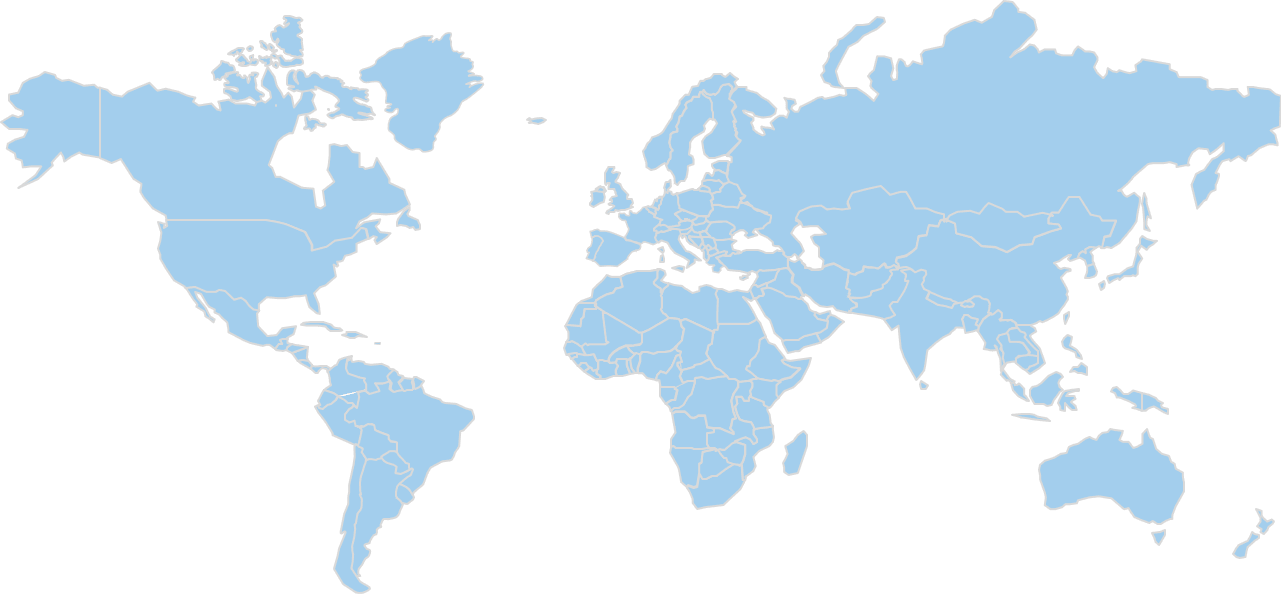
Regional Revenue Share
Base year 2025Share of global revenue in the base year.
Only the leading region's share is published outside the report; pins mark the region, not a specific country.
North America Market Analysis
The largest region covered — 5 points of share move elsewhere by 2034, while revenue still grows 2.1×.
- Rank 1 of 5
- 2025 share 35%
- By 2034 30%
- Revenue $0.79B → $1.66B
North America holds 35% of the global organic sanitary napkins market in 2025, worth USD 0.788 billion with USD 1.656 billion projected for 2034. Among the five regions it ranks first by revenue in both years.
Its share moves to 30% by 2034, while nothing contracts here; other regions simply grow faster, which shows up as relative weight, not as falling revenue.
Within the region the type split tracks the global one; 64% of 2025 revenue in Organic Menstrual Pads, fastest growth of 13.96% in Other. Revenue for North America is broken out by every segmentation axis and by country in the full report.
United States
Sets the pace for North America at 85% of it, growing 2.1×.
- In region 1 of 2
- Of region 85%
- Of global 29.8%
- Revenue $0.67B → $1.41B
USD 0.67 billion of North America's 2025 revenue is generated in the United States, the region's largest market, reaching USD 1.408 billion by 2034. At 85% of regional revenue in the base year it is not one market among several, the region's trajectory is largely this country's trajectory. Regional revenue of USD 0.788 billion in 2025 and USD 1.656 billion in 2034 sits around it, and it is the country used wherever the full report cuts a figure by geography.
the United States buys along the same lines as the market globally; Organic Menstrual Pads first at 64% of 2025 revenue and 61% in 2034, Other fastest at 13.96% on a share moving from 11% to 15%. With 85% of North America concentrated here, a change in this country's mix is visible in the regional figures instead of being diluted by its neighbours. Revenue by type for the United States is reported separately in the full report.
In the United States, the Food and Drug Administration oversees organic sanitary napkins as a medical device category, placing them under general controls that apply to menstrual absorbent products. A manufacturer must register its establishment, list the device with the agency, and meet labelling requirements that disclose materials, intended use, and handling instructions. Because the product carries an organic designation, any cotton or fiber content marketed as such must also align with the Department of Agriculture's organic certification standards, layering an additional compliance track onto the device pathway. Good manufacturing practice and quality system requirements apply throughout production, and claims made on packaging are subject to Federal Trade Commission scrutiny for accuracy.
ALYK, Inc., Bodywise (UK) Limited, iHerb, LLC, Rael Inc., Seventh Generation Inc., The Honest Company, The Procter & Gamble Company, TOTM Limited, Unilever, Veeda USA, Kimberly-Clark, Ontex and Unicharm Corporation are the suppliers covered in the United States. The commercially relevant division is 64% of 2025 revenue in Organic Menstrual Pads, where the volume is, against 13.96% growth in Other, where share moves. The full report covers country-level positioning and shares company by company; this summary does not.
Canada
2nd-largest in North America, growing 2.1×.
- In region 2 of 2
- Of region 15%
- Of global 5.2%
- Revenue $0.12B → $0.25B
5.2% of global revenue is generated in Canada; USD 0.118 billion in 2025, reaching USD 0.248 billion in 2034, and 15% of North America.
Europe Market Analysis
The 2nd-largest region covered — 4 points of share move elsewhere by 2034, while revenue still grows 2.1×.
- Rank 2 of 5
- 2025 share 30%
- By 2034 26%
- Revenue $0.68B → $1.44B
In Europe, 30% of global revenue puts 2025 at USD 0.675 billion on the way to USD 1.435 billion by 2034. By revenue it sits second across the study, and the ranking does not change between 2025 and 2034.
26% of global revenue sits here in 2034, below the 2025 level, though revenue still rises throughout; the shift is in the region's weight against faster-growing ones, which is not the same as weakening demand.
Within the region the type split tracks the global one; 64% of 2025 revenue in Organic Menstrual Pads, fastest growth of 13.96% in Other. Revenue for Europe is broken out by every segmentation axis and by country in the full report.
Germany
The largest market in Europe, growing 2.1×.
- In region 1 of 3
- Of region 35%
- Of global 10.5%
- Revenue $0.24B → $0.50B
Germany is the largest market within Europe, generating USD 0.236 billion in 2025 and projected to reach USD 0.502 billion by 2034. It accounts for 35% of regional revenue in the base year, the largest single share without dominating the region outright. Set against USD 0.675 billion and USD 1.435 billion for the region, it is why this market, and not a smaller one, is the one reported in full.
Germany buys along the same lines as the market globally; Organic Menstrual Pads first at 64% of 2025 revenue and 61% in 2034, Other fastest at 13.96% on a share moving from 11% to 15%. Since 35% of Europe's revenue is generated here, the regional numbers inherit this market's mix instead of smoothing it out. Germany carries its own type breakdown in the full report.
Germany applies the European Union's general product safety framework to organic sanitary napkins, since menstrual pads are treated as consumer goods rather than medical devices under EU rules. Manufacturers must ensure the product meets essential safety requirements, conduct a risk assessment, and provide clear labelling on composition, absorbency, and disposal. Any organic cotton content used in the product falls under EU organic farming and labelling rules, requiring certification through an accredited body before the term organic can appear on packaging. Chemical substances present in the absorbent core or adhesives must comply with the REACH regulation, and textile components are subject to the EU's textile labelling requirements for fibre composition disclosure.
Competition in Germany runs between the suppliers this study tracks: ALYK, Inc., Bodywise (UK) Limited, iHerb, LLC, Rael Inc., Seventh Generation Inc., The Honest Company, The Procter & Gamble Company, TOTM Limited, Unilever, Veeda USA, Kimberly-Clark, Ontex and Unicharm Corporation. Organic Menstrual Pads, at 64% of 2025 revenue, is where the volume sits, and Other, growing at 13.96%, is where position changes hands over the forecast period. A supplier weighted toward Europe is competing over a base of USD 0.675 billion in 2025 reaching USD 1.435 billion by 2034, 30% of global revenue at the start of that period.
United Kingdom
2nd-largest in Europe, growing 2.1×.
- In region 2 of 3
- Of region 30.1%
- Of global 9%
- Revenue $0.20B → $0.43B
Within Europe, the United Kingdom accounts for 30.1% of regional revenue and 9% of the global total, worth USD 0.203 billion in 2025 and USD 0.431 billion by 2034.
France
3rd-largest in Europe, growing 2.1×.
- In region 3 of 3
- Of region 20%
- Of global 6%
- Revenue $0.14B → $0.29B
Within Europe, France accounts for 20% of regional revenue and 6% of the global total, worth USD 0.135 billion in 2025 and USD 0.287 billion by 2034.
Asia Pacific Market Analysis
The 3rd-largest region covered, and the one gaining the most — it picks up 8 points of share by 2034, while revenue still grows 3.2×.
- Rank 3 of 5
- 2025 share 25%
- By 2034 33%
- Revenue $0.56B → $1.82B
25% of the global organic sanitary napkins market sits in Asia Pacific in 2025, worth USD 0.563 billion on the way to USD 1.822 billion by 2034. By revenue it sits third across the study, and the ranking does not change between 2025 and 2034.
By 2034 the share has moved up to 33%, because it outgrows the market's 10.14%; the revenue added here is disproportionate to where the region started.
The type mix reported at global level applies here, with Organic Menstrual Pads the largest line at 64% of 2025 revenue and Other the fastest-growing at 13.96%. Asia Pacific is reported axis by axis and country by country in the full study.
China
The largest market in Asia Pacific, growing 2.8×.
- In region 1 of 3
- Of region 40%
- Of global 10%
- Revenue $0.23B → $0.64B
The largest single market in Asia Pacific is China, at USD 0.225 billion in 2025 and USD 0.638 billion in 2034. 40% of the region in the base year makes it the largest market here without making it the region. Against regional totals of USD 0.563 billion in 2025 and USD 1.822 billion in 2034, it is the country the full report breaks out in detail.
China buys along the same lines as the market globally; Organic Menstrual Pads first at 64% of 2025 revenue and 61% in 2034, Other fastest at 13.96% on a share moving from 11% to 15%. Its 40% weight in Asia Pacific means those movements carry straight into the regional totals. China carries its own type breakdown in the full report.
In China, organic sanitary napkins fall within the category of disposable hygiene products supervised by national health and market regulation authorities. Producers must obtain a hygiene production licence and demonstrate conformity with national standards covering absorbency, microbial limits, and material safety for absorbent hygiene articles. Labelling must disclose material composition, usage instructions, and shelf life, and any claim of organic content must be substantiated through recognised organic certification before it can be used on packaging or in marketing. Import of finished product or raw material requires customs and quality inspection clearance, and factories remain subject to periodic hygiene inspection to keep their production licence valid.
The suppliers tracked in this study (ALYK, Inc., Bodywise (UK) Limited, iHerb, LLC, Rael Inc., Seventh Generation Inc., The Honest Company, The Procter & Gamble Company, TOTM Limited, Unilever, Veeda USA, Kimberly-Clark, Ontex and Unicharm Corporation) compete in China across the type lines above. Volume sits in Organic Menstrual Pads at 64% of 2025 revenue; movement sits in Other at 13.96% growth. Weighting toward Asia Pacific means competing for 25% of 2025 global revenue, a base of USD 0.563 billion moving to USD 1.822 billion across the forecast period.
India
2nd-largest in Asia Pacific, growing 3.8×.
- In region 2 of 3
- Of region 30%
- Of global 7.5%
- Revenue $0.17B → $0.64B
India is sized at USD 0.169 billion in 2025, rising to USD 0.638 billion by 2034; 7.5% of global revenue and 30% of Asia Pacific. It is reported separately from China across every segmentation axis in the full report.
Japan
3rd-largest in Asia Pacific, growing 2.6×.
- In region 3 of 3
- Of region 14.9%
- Of global 3.7%
- Revenue $0.08B → $0.22B
Japan is sized at USD 0.084 billion in 2025, rising to USD 0.219 billion by 2034; 3.7% of global revenue and 14.9% of Asia Pacific. It is reported separately from China across every segmentation axis in the full report.
Latin America Market Analysis
The 4th-largest region covered — it picks up 1 point of share by 2034, while revenue still grows 2.9×.
- Rank 4 of 5
- 2025 share 6%
- By 2034 7%
- Revenue $0.14B → $0.39B
In Latin America, 6% of global revenue puts 2025 at USD 0.135 billion and reaches USD 0.386 billion by 2034. That makes it the fourth-largest region covered, in 2025 and again in 2034.
7% of global revenue sits here by 2034, up from the 2025 level, so the region grows faster than the market's 10.14% and takes a larger part of the revenue added by 2034 than its 2025 weight implies.
The type mix reported at global level applies here, with Organic Menstrual Pads the largest line at 64% of 2025 revenue and Other the fastest-growing at 13.96%. The full report breaks Latin America out along every axis and by country.
Brazil
Sets the pace for Latin America at 60% of it, growing 2.9×.
- In region 1 of 2
- Of region 60%
- Of global 3.6%
- Revenue $0.08B → $0.23B
USD 0.081 billion of Latin America's 2025 revenue is generated in Brazil, the region's largest market, reaching USD 0.232 billion by 2034. Because it is 60% of the region in the base year, Latin America's totals move with this one country instead of a spread of them. Regional revenue of USD 0.135 billion in 2025 and USD 0.386 billion in 2034 sits around it, and it is the country used wherever the full report cuts a figure by geography.
Demand in Brazil follows the type mix reported at global level: Organic Menstrual Pads is the largest line at 64% of 2025 revenue, moving to 61% by 2034, while Other grows fastest at 13.96% and takes its share from 11% to 15%. With 60% of Latin America concentrated here, a change in this country's mix is visible in the regional figures instead of being diluted by its neighbours. Revenue by type for Brazil is reported separately in the full report.
In Brazil, the National Health Surveillance Agency, ANVISA, classifies sanitary napkins as a personal hygiene product requiring sanitary registration before sale. A supplier must submit technical documentation on materials and manufacturing process, meet ANVISA's labelling rules covering composition and proper use, and comply with good manufacturing practice inspections applicable to hygiene product facilities. Where a product is marketed as organic, the claim must be supported by certification recognised under Brazil's organic production framework, administered by the agriculture ministry, with that certification referenced consistently between packaging and promotional material. ANVISA also monitors post-market compliance through facility audits and product recalls where safety concerns arise.
The suppliers tracked in this study (ALYK, Inc., Bodywise (UK) Limited, iHerb, LLC, Rael Inc., Seventh Generation Inc., The Honest Company, The Procter & Gamble Company, TOTM Limited, Unilever, Veeda USA, Kimberly-Clark, Ontex and Unicharm Corporation) compete in Brazil across the type lines above. Two different problems sit on the same axis: holding Organic Menstrual Pads at 64% of 2025 revenue, and taking Other while it grows at 13.96%. Weighting toward Latin America means competing for 6% of 2025 global revenue, a base of USD 0.135 billion moving to USD 0.386 billion across the forecast period.
Mexico
2nd-largest in Latin America, growing 2.8×.
- In region 2 of 2
- Of region 30.4%
- Of global 1.8%
- Revenue $0.04B → $0.12B
1.8% of global revenue is generated in Mexico; USD 0.041 billion in 2025, reaching USD 0.116 billion in 2034, and 30.4% of Latin America.
Middle East and Africa Market Analysis
The 5th-largest region covered, holding its share flat through 2034, while revenue still grows 2.5×.
- Rank 5 of 5
- 2025 share 4%
- By 2034 4%
- Revenue $0.09B → $0.22B
USD 0.09 billion of 2025 revenue is generated in Middle East and Africa, 4% of the global organic sanitary napkins market on the way to USD 0.221 billion by 2034. By revenue it sits fifth across the study, and the ranking does not change between 2025 and 2034.
By 2034 the share stands at 4%, while nothing contracts here; other regions simply grow faster, which shows up as relative weight, not as falling revenue.
Organic Menstrual Pads leads here as it does globally, at 64% of 2025 revenue, and Other again grows fastest at 13.96%. The full report breaks Middle East and Africa out along every axis and by country.
South Africa
The largest market in Middle East and Africa, growing 2.4×.
- In region 1 of 2
- Of region 45.6%
- Of global 1.8%
- Revenue $0.04B → $0.10B
USD 0.041 billion of Middle East and Africa's 2025 revenue is generated in South Africa, the region's largest market, reaching USD 0.099 billion by 2034. 45.6% of the region in the base year makes it the largest market here without making it the region. Against regional totals of USD 0.09 billion in 2025 and USD 0.221 billion in 2034, it is the country the full report breaks out in detail.
Composition here matches the global split: the largest line is Organic Menstrual Pads at 64% of 2025 revenue, easing to 61% by 2034, and the fastest is Other at 13.96%, from 11% to 15%. With 45.6% of Middle East and Africa concentrated here, a change in this country's mix is visible in the regional figures instead of being diluted by its neighbours. The full report reports South Africa by type separately.
South Africa regulates organic sanitary napkins as an absorbent hygiene product under national standards maintained by the South African Bureau of Standards, with compliance verified through the National Regulator for Compulsory Specifications. Manufacturers and importers must show that the product meets the relevant national standard for absorbency, material safety, and construction before it can be sold, and packaging must carry labelling stating composition and usage guidance in line with consumer protection law. An organic claim must be backed by independent certification recognised under an accredited organic standard, since an unsupported claim would expose the seller to consumer protection enforcement. The Department of Health retains oversight where hygiene or health claims appear on packaging.
Competition in South Africa runs between the suppliers this study tracks: ALYK, Inc., Bodywise (UK) Limited, iHerb, LLC, Rael Inc., Seventh Generation Inc., The Honest Company, The Procter & Gamble Company, TOTM Limited, Unilever, Veeda USA, Kimberly-Clark, Ontex and Unicharm Corporation. Two different problems sit on the same axis: holding Organic Menstrual Pads at 64% of 2025 revenue, and taking Other while it grows at 13.96%. A supplier weighted toward Middle East and Africa is competing over a base of USD 0.09 billion in 2025 reaching USD 0.221 billion by 2034, 4% of global revenue at the start of that period.
United Arab Emirates
2nd-largest in Middle East and Africa, growing 2.4×.
- In region 2 of 2
- Of region 35.6%
- Of global 1.4%
- Revenue $0.03B → $0.08B
1.4% of global revenue is generated in the United Arab Emirates; USD 0.032 billion in 2025, reaching USD 0.077 billion in 2034, and 35.6% of Middle East and Africa.
Request this sample to see the full data tables and segment-level detail behind this analysis.
Report Coverage
This report assesses the market across every segment, with revenue and a growth rate for each line in each year of the study period. It covers the drivers, trends, opportunities, restraints and challenges shaping growth, the competitive landscape and the companies profiled, and the research methodology behind every estimate. Segmentation is reported by Type, Application, Material, Absorbency Level, End User, and regional analysis covers North America, Europe, Asia Pacific, Latin America, Middle East and Africa, each broken out by country.
Competitive Landscape
Position on the Type Axis Decides Competitive Standing
The suppliers covered are: ALYK, Inc., Bodywise (UK) Limited, iHerb, LLC, Rael Inc., Seventh Generation Inc., The Honest Company, The Procter & Gamble Company, TOTM Limited, Unilever, Veeda USA, Kimberly-Clark, Ontex and Unicharm Corporation.
The competitive line that matters is the type one, not the geographic one. Organic Menstrual Pads is 64% of 2025 revenue at USD 1.44 billion and still 61% in 2034, so it is where the volume sits and where an incumbent's position is hardest to move. Share moves in Other, growing 13.96% against 9.55% for Organic Menstrual Pads. The two rarely sit with the same supplier, and that is the reason a USD 2.25 billion market is not already consolidated.
Formulation and certified-material sourcing scale separate suppliers in this market: large diversified hygiene manufacturers can secure organic cotton and bamboo fiber supply at volume and absorb retailer margin pressure that smaller brands cannot. Direct-to-consumer organic brands compete instead on formulation transparency, ingredient sourcing claims and subscription-driven loyalty, often winning shelf space through online channels before entering physical retail. Distribution reach into pharmacy and supermarket chains remains a genuine advantage for established players, while regional brands compete on local certification recognition and community-based trust where global brand names carry less weight.
Presence matters unevenly by region. With 35% of 2025 revenue in North America and 30% in Europe, a supplier's coverage of those two decides most of its addressable base before any product question arises.
Per-company profiles, financials, share and development history are in the full report and not here.
List of Key Organic Sanitary Napkins Market Companies Profiled
13 companies profiled. Company profiles, including financials, product portfolios and recent developments, are part of the full report.
- ALYK, Inc.(United States)
- Bodywise (UK) Limited(United Kingdom)
- iHerb, LLC(United States)
- Rael Inc.(United States)
- Seventh Generation Inc.(United States)
- The Honest Company(United States)
- The Procter & Gamble Company(United States)
- TOTM Limited(United Kingdom)
- Unilever(United Kingdom)
- Veeda USA(United States)
- Kimberly-Clark(United States)
- Ontex(Belgium)
- Unicharm Corporation(Japan)
Geographic Coverage
Every market below is broken out separately in the report.
North America
3Europe
8Asia Pacific
12Latin America
3Middle East and Africa
4Key Insights
Report Scope
Study parameters & segmentationThis study covers market size and forecasts over the 2020–2034 period, segmentation across 5 axes (Type, Application, Material, Absorbency Level, End User), regional analysis for 5 regions and their constituent countries, a competitive landscape profiling 13 key companies, and the research methodology behind every estimate.
Segmentation
5 axes + regionQuestions This Report Answers
6 questionsWhat is the market size and growth rate, globally and by region?
How is the market segmented, and which segments lead?
Which regions and countries are covered, and how do they compare?
What are the key drivers, restraints, opportunities and challenges?
Who are the leading companies operating in this market?
What trends are expected to shape the market through the forecast period?
Frequently Asked Questions
01What is the Organic Sanitary Napkins Market projected to reach?
USD 5.52 Billion by 2034, CAGR 10.14%
02What years does this report cover?
Study period 2020–2034, base year 2025, historical data 2020-2024, forecast period 2026-2034.
03Which regions are covered?
North America, Europe, Asia Pacific, Latin America, Middle East and Africa.
04Which region accounted for the largest market share?
North America leads with 35% of global revenue through 2034.
05Which segment leads the market?
Organic Menstrual Pads is the largest line by Type, at 64% of revenue in 2025.
06Who are the key companies profiled?
ALYK, Inc., Bodywise (UK) Limited, iHerb, LLC, Rael Inc., Seventh Generation Inc., The Honest Company, The Procter & Gamble Company, TOTM Limited, Unilever, Veeda USA, Kimberly-Clark, Ontex, Unicharm Corporation. Full profiles are part of the paid report.
07Can the segmentation be customized?
Yes. Custom data cuts by geography, segment, or competitor set are available on request.
Why choose CDI
Need this report shaped around your question?
The scope isn't fixed. Tell us what your team needs that the standard edition doesn't cover, and an analyst will come back on what can be adjusted and how long it takes, before you commit to anything.
Most licences include 30–60 hours of customization at no extra cost. See what each licence includes
Additional Companies
Add competitors, suppliers or the peer set you benchmark against to the companies already covered.
Deeper Competitive View
Sharpen the landscape work around your own position: product line, channel, or a named shortlist of rivals.
Extra Segment Splits
Break the market down along an axis the standard scope doesn't cut it by, or go a level deeper inside one.
Application Focus
Narrow the analysis to the specific use cases and end users your team actually sells into.
Different Time Frame
Move the base year, or widen the historical and forecast windows the study is built on.
Country-Level Detail
Go below region level into the individual countries that matter to you, rather than the standard geography split.