
Incontinence Skin Care And Body Wash MarketSize, Share & Industry Analysis, 2026-2034By TypeBy ApplicationBy End UserBy Age GroupBy Formulation
Full title & scope — all 5 axes with their segments
Incontinence Skin Care And Body Wash Market Size, Share & Industry Analysis, By Type (Barrier Creams, Repair Creams, Body Wash and Shampoo, Incontinence Powder, Cleansing and Deodorizing, Bathing Wipes, Wet Wash, Dry Wipes, Wash Gloves, Wash Foams, Hand Wash, Other), By Application (Drugstores, Grocery stores, Oline, Other), By End User (Home Care, Long-Term Care Facilities, Hospitals and Clinics, Others), By Age Group (Adult, Pediatric), By Formulation (Rinse-Free, Rinse-Required), and Regional Forecast, 2026-2034
Market outlook, key takeaways, drivers and challenges for the report period.
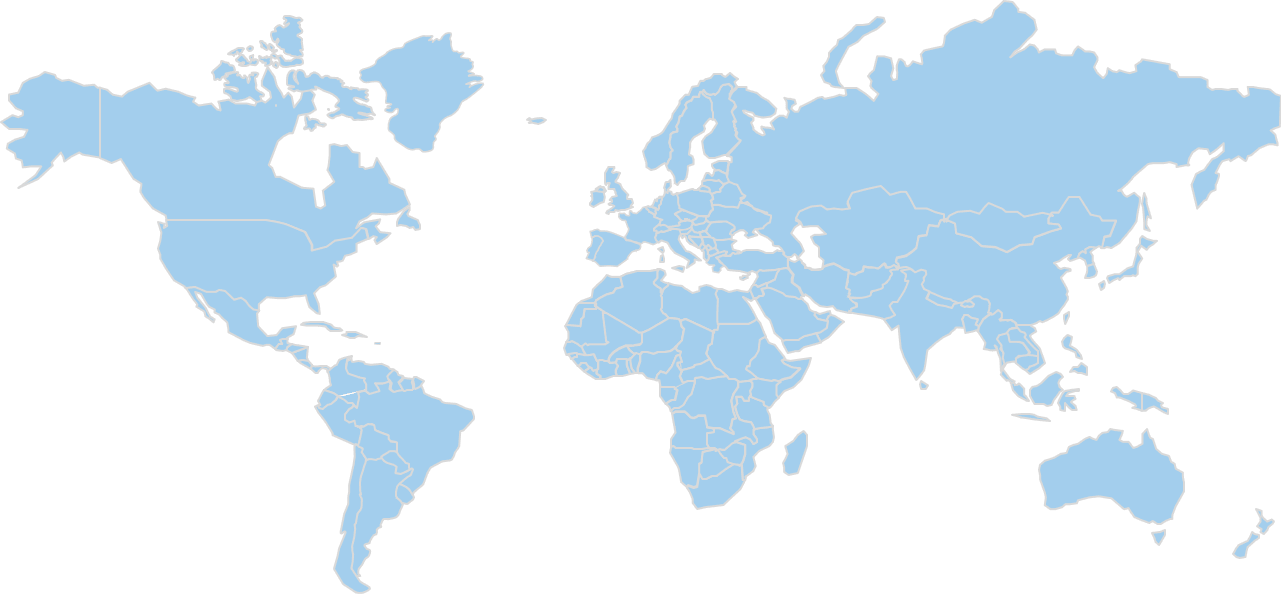
- 01By TypeBarrier Creams · Repair Creams · Body Wash and Shampoo
- 02By ApplicationDrugstores · Grocery stores · Oline
- 03By End UserHome Care · Long-Term Care Facilities · Hospitals and Clinics
- 04By Age GroupAdult · Pediatric
- 05By FormulationRinse-Free · Rinse-Required
- 06By Region
Market Analysis & Outlook
Incontinence skin care and body wash products are topical formulations, including barrier creams, cleansers, wipes, powders, and washes designed to protect and clean skin exposed to prolonged moisture from urinary or fecal incontinence. Buyers include hospitals, long-term care facilities, and home caregivers purchasing on behalf of adults with incontinence, alongside individual consumers managing their own care. Products are formulated to reduce skin breakdown, odor, and irritation associated with extended pad or brief use.
The global incontinence skin care and body wash market is valued at USD 3.85 billion in 2025 and is set to reach USD 7.2 billion by 2034, a compound annual growth rate of 7.2% across the 2026-2034 forecast period. The study tracks the market across USD 2.56 billion in 2020, USD 3.55 billion in 2024, USD 4.13 billion in 2026 and USD 5.46 billion in 2030.
On the type axis, growth rates run from -2.75% for Other up to 14.07% for Wash Foams. Barrier Creams carries the volume: USD 0.91 billion and 23.6% of revenue in 2025, USD 1.51 billion and 21% in 2034. Repair Creams, Bathing Wipes, Wet Wash, Dry Wipes and Wash Foams take share over the period; Barrier Creams, Body Wash and Shampoo, Incontinence Powder, Cleansing and Deodorizing, Wash Gloves, Hand Wash and Other give it up while still growing in absolute terms.
By application, Drugstores accounts for 42% of 2025 revenue at USD 1.62 billion, reaching USD 2.59 billion and 36% by 2034. Oline grows faster at 13.25% against 6.04%, moving from 22% of revenue to 32% by 2034. This axis divides the same revenue as the type split instead of adding to it, so the two are read together and never summed.
Geographically, 31.6% of 2025 revenue sits in North America (USD 1.22 billion rising to USD 2.09 billion) ahead of Europe at 26.9% and USD 1.04 billion. Middle East and Africa is smallest, at 8.6%. Share shifts toward Asia Pacific over the forecast period, so the regional split repays a close reading.
The 2025 total is a triangulation of published figures and category proxies, short of a directly sourced total. Segment, regional and country splits are estimated on the same basis, which bounds the precision of the figures above. Coverage runs to five regions, twelve type lines and five segmentation axes across a fifteen-year window.
Market Size, 2020–2034
USD BillionRevenue in USD Billion. Values up to 2025 are actuals; 2026–2034 are forecast.
Key Takeaways
- The global incontinence skin care and body wash market moves from USD 2.56 billion in 2020 to USD 3.85 billion in 2025 and USD 7.2 billion by 2034, the forecast period compounding at 7.2% a year.
- 23.6% of 2025 revenue sits in Barrier Creams (USD 0.91 billion) and it remains the largest type line in 2034 at USD 1.51 billion and 21%.
- Fastest growth on the type axis belongs to Wash Foams: 14.07% a year, USD 0.13 billion to USD 0.43 billion, and a share moving from 3.4% to 6%.
- Scenario range for 2034 runs from USD 6.32 billion in the bear case to USD 8.15 billion in the bull case, against a base-case USD 7.2 billion, the spread a plan built on this forecast has to absorb.
- North America holds 31.6% of global revenue in 2025 at USD 1.22 billion, the largest of the five regions tracked, and reaches USD 2.09 billion by 2034.
- The United States accounts for 82% of North America in the base year, worth USD 1 billion in 2025 and reaching USD 1.71 billion by 2034, the worked country example carried through that region's chapters.
- Every line on all five segmentation axes and in each of the five regions carries its own revenue, share and growth rate for all fifteen years, 2020 through 2034, on a 2025 base.
Market Trends
Revenue Share, By by type
Base year 2025Barrier Creams leads with 23.6% of by type segment revenue.
Share of by type segment revenue, most recent base year. The 6 smallest segments are grouped as Other.
Three movements define the forecast period in the global incontinence skin care and body wash market: how the type mix changes, where regional weight shifts, and the rate at which the total compounds.
None of them reverses the market's direction. Every line and every region grows in absolute terms across the period; the movement is in which of them captures the revenue added.
Composition shifts on the type axis. 14.07% against -2.75%: that gap, between Wash Foams and Other, is the largest on the type axis. Wash Foams takes its share of revenue from 3.4% to 6% while Other gives up ground, from 0.8% to 0.5%. In absolute terms Wash Foams rises from USD 0.13 billion to USD 0.43 billion, while Other rises from USD 0.03 billion to USD 0.04 billion. Both grow; the gap is wide enough to reshape the mix inside a single forecast window.
The regional balance moves. Asia Pacific moves from 23.9% of revenue in 2025 to 29% in 2034, worth USD 0.92 billion rising to USD 2.09 billion. The remaining regions grow in absolute terms while giving up share: North America at 31.6% moving to 29%, Europe at 26.9% moving to 25%, Latin America at 9% moving to 9%, Middle East and Africa at 8.6% moving to 8%. The practical consequence is that regional weighting decides whether a participant matches the market rate or trails it, regardless of how its own revenue reads.
Fifteen years without a discontinuity. Fifteen years of revenue run USD 2.56 billion in 2020, USD 3.55 billion in 2024, USD 3.85 billion in 2025, USD 4.13 billion in 2026, USD 5.46 billion in 2030 and USD 7.2 billion in 2034. There is no discontinuity to time, and 7.2% forecast growth against 8.51% historical means the trend continues and does not turn. A plan built on this market is therefore a plan about capturing a share of steady expansion, which is decided on the type and regional axes, not by the headline rate.
Market Growth Factors
Wash Foams adds the most incremental growth
Market Drivers
3- 01Wash Foams adds the most incremental growth
The fastest line on the type axis is Wash Foams, at 14.07% against the market's 7.2%, taking USD 0.13 billion to USD 0.43 billion and 3.4% of revenue to 6%. Because the spread to Other at -2.75% is this wide, the headline 7.2% is a weighted result, not a rate any single line achieves. Where a supplier sits on this axis therefore decides whether it grows with the market or below it.
- 02The two largest regions hold most of the base
North America is the largest region at USD 1.22 billion in 2025, 31.6% of global revenue, and reaches USD 2.09 billion by 2034 while holding 29%. Europe adds a further 26.9% at USD 1.04 billion, reaching USD 1.8 billion. Between them they hold most of the base and most of the revenue added over the period, so equal-weighting the regions in a plan misstates where the growth is.
- 03Fifteen years of unbroken growth underpin the forecast
USD 2.56 billion in 2020, USD 3.55 billion in 2024 and USD 3.85 billion in 2025: 8.51% compound growth before the forecast period even begins. The forecast period then runs at 7.2%, ending 2034 at USD 7.2 billion. With the trajectory already demonstrated over fifteen years, what remains uncertain is the mix, not the direction, which is where the segment and regional sections do the work.
Growth drivers
| # | Growth driver | Impact | Gross contribution (Billion) | 2026-28 | 2029-31 | 2032-34 |
|---|---|---|---|---|---|---|
| 1 | Aging population increasing incontinence prevalence | High | +1.3 | High | High | High |
| 2 | Expansion of home care and long-term care facility demand | High | +0.85 | High | High | Medium |
| 3 | Growing awareness and destigmatization of incontinence care | Medium-High | +0.55 | Medium | High | Medium |
| 4 | Premiumization toward dermatologically tested, pH-balanced formulations | Medium | +0.35 | Low | Medium | High |
| 5 | Retail and e-commerce channel expansion improving product access | Medium | +0.25 | Medium | Medium | Low |
| 6 | Others | Low | +0.2 | Low | Low | Low |
| Total | +3.5 | |||||
Restraints
| # | Restraint | Impact | Estimated reduction (Billion) | 2026-28 | 2029-31 | 2032-34 |
|---|---|---|---|---|---|---|
| 1 | Price sensitivity in cost-constrained home care settings | Medium | −0.1 | Medium | Medium | Medium |
| 2 | Reimbursement and institutional budget limits in long-term care procurement | Medium | −0.05 | Low | Medium | Medium |
| Total | −0.15 | |||||
Drivers contribute 3.5 Billion and restraints remove 0.15 Billion, a net 3.35 Billion, which is the revenue the market adds between the base year and 2034. Contributions are CDI estimates, apportioned so that they reconcile with the forecast rather than being read from it.
Growth in the global incontinence skin care and body wash market comes from three measurable sources over 2026-2034: the market's own compounding at 7.2%, the share gained by faster-growing type lines, and expansion in the regions taking a larger part of global revenue.
Restraining Factors
The bear case and what drives it
Market Restraints
2- 01The bear case and what drives it
A bear case of USD 6.32 billion in 2034, against USD 7.2 billion in the base case, rests on one stated assumption: slower shift out of institutional care and heavier private-label price competition in drugstore and grocery channels hold volume growth and pricing below the base case. Neither case changes the USD 3.85 billion 2025 base.
- 02The largest line is not the fastest
Barrier Creams carries 23.6% of 2025 revenue at USD 0.91 billion but compounds at 5.83% against 7.2% for the market, taking its share to 21% by 2034 even as revenue rises to USD 1.51 billion. Because it carries that much of the base, its pace holds the blended rate down more than any faster line lifts it.
Market Opportunities
What the bull case turns on
Market Opportunities
2- 01What the bull case turns on
A bull case of USD 8.15 billion by 2034, against USD 7.2 billion in the base case, turns on a single stated assumption: faster deinstitutionalization and quicker adoption of rinse-free and wipe formats across home care lift both volume and average price faster than the base case. The USD 3.85 billion 2025 base is common to both.
- 02Wash Foams is where share changes hands
Share on the type axis moves toward Wash Foams, from 3.4% in 2025 to 6% in 2034, on 14.07% growth against the market's 7.2% and revenue rising from USD 0.13 billion to USD 0.43 billion. Taking position there does not require displacing whoever holds Barrier Creams, which is the harder and more expensive fight.
Market Challenges
Concentration on the type axis
Market Challenges
2- 01Concentration on the type axis
With 23.6% of 2025 revenue and 21% of 2034 revenue (USD 0.91 billion rising to USD 1.51 billion) Barrier Creams is where the market's exposure sits. No other single change on the type axis moves the total as much as a change in demand for that one line.
- 02North America is largely the United States
North America is worth USD 1.22 billion in 2025 and USD 1 billion of that is the United States; 82% of the region, reaching USD 1.71 billion in 2034. Read as a region it looks diversified; read by weight it is not, and the regional forecast inherits whatever happens in that one market.
Segmentation Analysis
5 axesSegmentation runs along five axes: type, application, end user, age group and formulation. Revenue does not add across them: each is a different cut of the same total.
There are twelve lines on the type axis, and all of them grow in revenue between 2025 and 2034. What separates them is share: five gain it, the rest give it up.
By Type · 12 segments
By Type
- Largest Barrier Creams · 23.6%
- Fastest Wash Foams · 14.1%
- Moves most Incontinence Powder · -3.2 pts
- Order by 2034 changes
| Segment | 2025 | Share | 2034 | Share | CAGR |
|---|---|---|---|---|---|
| Barrier Creams | $0.91B | 23.6% | $1.51B | 21%-2.6 | 5.8% |
| Repair Creams | $0.28B | 7.4% | $0.58B | 8%+0.6 | 8.2% |
| Body Wash and Shampoo | $0.70B | 18.3% | $1.22B | 17%-1.3 | 6.3% |
| Incontinence Powder | $0.28B | 7.2% | $0.29B | 4%-3.2 | 0.4% |
| Cleansing and Deodorizing | $0.43B | 11.3% | $0.72B | 10%-1.3 | 5.8% |
| Bathing Wipes | $0.49B | 12.8% | $1.15B | 16%+3.2 | 9.9% |
| Wet Wash | $0.21B | 5.4% | $0.43B | 6%+0.6 | 8.7% |
| Dry Wipes | $0.20B | 5.1% | $0.50B | 7%+1.9 | 10.8% |
| Wash Gloves | $0.12B | 3% | $0.22B | 3% | 7.9% |
| Wash Foams | $0.13B | 3.4% | $0.43B | 6%+2.6 | 14.1% |
| Hand Wash | $0.07B | 1.8% | $0.11B | 1.5%-0.3 | 5.8% |
| Other | $0.03B | 0.8% | $0.04B | 0.5%-0.3 | -2.8% |
2025 to 2034 revenue and share by line: Barrier Creams USD 0.91 billion to USD 1.51 billion (23.6% in 2025), Body Wash and Shampoo USD 0.7 billion to USD 1.22 billion (18.3% in 2025), Bathing Wipes USD 0.49 billion to USD 1.15 billion (12.8% in 2025), Cleansing and Deodorizing USD 0.43 billion to USD 0.72 billion (11.3% in 2025), Repair Creams USD 0.28 billion to USD 0.58 billion (7.4% in 2025), Incontinence Powder USD 0.28 billion to USD 0.29 billion (7.2% in 2025), Wet Wash USD 0.21 billion to USD 0.43 billion (5.4% in 2025), Dry Wipes USD 0.2 billion to USD 0.5 billion (5.1% in 2025), Wash Foams USD 0.13 billion to USD 0.43 billion (3.4% in 2025), Wash Gloves USD 0.12 billion to USD 0.22 billion (3% in 2025), Hand Wash USD 0.07 billion to USD 0.11 billion (1.8% in 2025), Other USD 0.03 billion to USD 0.04 billion (0.8% in 2025). Wash Foams Outpaces the Axis While Barrier Creams Holds the Largest Share Barrier creams lead because caregivers prioritize preventing skin breakdown over any other single benefit, making protective formulations the default purchase regardless of setting. Wash foams and dry wipes grow fastest because they cut cleaning time and reduce water and linen use in home and facility care, where staffing and caregiver hours are the binding constraint on how care gets delivered. The order does not change: Barrier Creams is still largest in 2034, and what moves is how much it holds. This is the axis the estimation prices in full, year by year, and the one the regional chapters cut against.
By Application · 4 segments
Drugstores Led by Application in 2025, with Oline Growing Fastest
- Largest Drugstores · 42%
- Fastest Oline · 13.3%
- Moves most Oline · +10 pts
- Order by 2034 changes
| Segment | 2025 | Share | 2034 | Share | CAGR |
|---|---|---|---|---|---|
| Drugstores | $1.62B | 42% | $2.59B | 36%-6 | 6% |
| Grocery stores | $1.08B | 28% | $1.73B | 24%-4 | 6.1% |
| Oline | $0.85B | 22% | $2.30B | 32%+10 | 13.3% |
| Other | $0.30B | 8% | $0.58B | 8% | 8.6% |
Drugstores lead because caregivers and clinical buyers prefer a pharmacist on hand when selecting skin protection products for compromised or fragile skin. Online purchasing grows fastest because recurring, bulky, and predictable purchases suit subscription and auto-replenishment models, and home caregivers increasingly value delivery over an in-store visit once a product and brand are already trusted. By 2034 Drugstores is still ahead, making this a shift in weight, not a change of leader.
By End User · 4 segments
Home Care Holds the Largest End user Share and Is Still the Quickest to Grow
- Largest Home Care · 48%
- Fastest Home Care · 9.2%
- Moves most Home Care · +4 pts
- Order by 2034 unchanged
| Segment | 2025 | Share | 2034 | Share | CAGR |
|---|---|---|---|---|---|
| Home Care | $1.85B | 48% | $3.74B | 52%+4 | 9.2% |
| Long-Term Care Facilities | $1.16B | 30% | $2.02B | 28%-2 | 7.2% |
| Hospitals and Clinics | $0.62B | 16% | $1.01B | 14%-2 | 6.3% |
| Others | $0.22B | 6% | $0.43B | 6% | 8.7% |
Home care leads because most incontinence management now happens outside a clinical or institutional setting, with family or paid caregivers buying skin care products directly. Home care also grows fastest because aging in place is increasingly preferred to facility placement, shifting purchasing further from institutional procurement toward individual and caregiver buying decisions over the forecast period. The order does not change: Home Care is still largest in 2034, and what moves is how much it holds.
By Age Group · 2 segments
Scale in Adult and Growth in Pediatric Define the Age group Axis
- Largest Adult · 91%
- Fastest Pediatric · 10.7%
- Moves most Adult · -2 pts
- Order by 2034 unchanged
| Segment | 2025 | Share | 2034 | Share | CAGR |
|---|---|---|---|---|---|
| Adult | $3.50B | 91% | $6.41B | 89%-2 | 7.9% |
| Pediatric | $0.35B | 9% | $0.79B | 11%+2 | 10.7% |
Adult use leads because incontinence prevalence rises sharply with age and mobility loss, and the adult population managing it is far larger than any pediatric equivalent. Pediatric use grows faster because specialized products for children with medical or developmental conditions are becoming more available and better recognized by caregivers and clinicians who previously improvised with adult formulations. Pediatric outgrows every other line on this axis, narrowing the gap to Adult. By 2034 Adult is still ahead, making this a shift in weight, not a change of leader.
By Formulation · 2 segments
Rinse-Free Both Leads the Formulation Axis and Grows Fastest on It
- Largest Rinse-Free · 58%
- Fastest Rinse-Free · 9.5%
- Moves most Rinse-Free · +6 pts
- Order by 2034 unchanged
| Segment | 2025 | Share | 2034 | Share | CAGR |
|---|---|---|---|---|---|
| Rinse-Free | $2.23B | 58% | $4.61B | 64%+6 | 9.5% |
| Rinse-Required | $1.62B | 42% | $2.59B | 36%-6 | 6% |
Rinse-free formulations lead because they let a caregiver complete skin care without access to running water, which matters in home settings and during overnight care. Rinse-free formulations also grow fastest because the same time and water savings appeal to short-staffed long-term care facilities, where each resident change is constrained by how many staff hours are available per shift. The order does not change: Rinse-Free is still largest in 2034, and what moves is how much it holds.
Regional Insights
Regional Revenue Share
Base year 2025Share of global revenue in the base year.
Only the leading region's share is published outside the report; pins mark the region, not a specific country.
North America Market Analysis
The largest region covered — 2.6 points of share move elsewhere by 2034, while revenue still grows 1.7×.
- Rank 1 of 5
- 2025 share 31.6%
- By 2034 29%
- Revenue $1.22B → $2.09B
31.6% of the global incontinence skin care and body wash market sits in North America in 2025, worth USD 1.22 billion with USD 2.09 billion projected for 2034. By revenue it sits first across the study, and the ranking does not change between 2025 and 2034.
Its share moves to 29% by 2034, a shift in share, not in direction: revenue climbs every year while the market's centre of gravity moves elsewhere.
Within the region the type split tracks the global one; 23.6% of 2025 revenue in Barrier Creams, fastest growth of 14.07% in Wash Foams. Per-axis and per-country detail for North America sits in the full report.
United States
Sets the pace for North America at 82% of it, growing 1.7×.
- In region 1 of 2
- Of region 82%
- Of global 26%
- Revenue $1B → $1.71B
The United States is the largest market within North America, generating USD 1 billion in 2025 and projected to reach USD 1.71 billion by 2034. 82% of the region in 2025 means the regional figures are, in practice, a view of this market with others attached. Regional revenue of USD 1.22 billion in 2025 and USD 2.09 billion in 2034 sits around it, and it is the country used wherever the full report cuts a figure by geography.
Composition here matches the global split: the largest line is Barrier Creams at 23.6% of 2025 revenue, easing to 21% by 2034, and the fastest is Wash Foams at 14.07%, from 3.4% to 6%. Since 82% of North America's revenue is generated here, the regional numbers inherit this market's mix instead of smoothing it out. The full report reports the United States by type separately.
Incontinence skin care and body wash products sold in the United States are regulated by the Food and Drug Administration as cosmetics under the Federal Food, Drug, and Cosmetic Act, unless a formulation carries an active ingredient making an antimicrobial or drug-type claim, in which case it falls under the FDA's over-the-counter drug monograph framework instead. Cosmetic-only products do not require premarket approval, but manufacturers must ensure ingredient safety, avoid adulteration or misbranding, and register their facilities and product listings under the Modernization of Cosmetics Regulation Act. Labelling must disclose ingredients in descending order of concentration and avoid unsubstantiated therapeutic claims. Any wash marketed to treat or prevent skin breakdown associated with incontinence would need supporting data appropriate to a drug claim.
Competition in the United States runs between the suppliers this study tracks: Coloplast, SCA, Hypermarcas, Kimberly-Clark, B Braun and Medtronic. Volume sits in Barrier Creams at 23.6% of 2025 revenue; movement sits in Wash Foams at 14.07% growth. Country-level positioning and shares for each of these companies are part of the full report, not of this summary.
Canada
2nd-largest in North America, growing 1.7×.
- In region 2 of 2
- Of region 18%
- Of global 5.7%
- Revenue $0.22B → $0.38B
5.7% of global revenue is generated in Canada; USD 0.22 billion in 2025, reaching USD 0.38 billion in 2034, and 18% of North America.
Europe Market Analysis
The 2nd-largest region covered — 1.9 points of share move elsewhere by 2034, while revenue still grows 1.7×.
- Rank 2 of 5
- 2025 share 26.9%
- By 2034 25%
- Revenue $1.04B → $1.80B
26.9% of the global incontinence skin care and body wash market sits in Europe in 2025, worth USD 1.04 billion and reaches USD 1.8 billion by 2034. By revenue it sits second across the study, and the ranking does not change between 2025 and 2034.
By 2034 the share stands at 25%, and the region keeps growing in absolute terms while others expand faster, a change in relative weight, not a decline in demand.
Within the region the type split tracks the global one; 23.6% of 2025 revenue in Barrier Creams, fastest growth of 14.07% in Wash Foams. The full report breaks Europe out along every axis and by country.
Germany
The largest market in Europe, growing 1.8×.
- In region 1 of 3
- Of region 31.7%
- Of global 8.6%
- Revenue $0.33B → $0.58B
USD 0.33 billion of Europe's 2025 revenue is generated in Germany, the region's largest market, reaching USD 0.58 billion by 2034. Its 31.7% of base-year regional revenue leads the region, though enough sits elsewhere that Europe is not a proxy for it. Regional revenue of USD 1.04 billion in 2025 and USD 1.8 billion in 2034 sits around it, and it is the country used wherever the full report cuts a figure by geography.
Germany buys along the same lines as the market globally; Barrier Creams first at 23.6% of 2025 revenue and 21% in 2034, Wash Foams fastest at 14.07% on a share moving from 3.4% to 6%. Its 31.7% weight in Europe means those movements carry straight into the regional totals. Germany carries its own type breakdown in the full report.
As an European Union member state, Germany applies the EU Cosmetics Regulation to incontinence skin care and body wash products, administered domestically through the Bundesinstitut fur Arzneimittel und Medizinprodukte and enforced by state-level market surveillance authorities. A responsible person established within the Union must hold a product information file, ensure a safety assessment has been conducted, and notify the formulation through the Cosmetic Products Notification Portal before sale. Labelling must list ingredients using standard nomenclature, state usage precautions, and avoid claims implying a medicinal function, since a product making such claims would instead be reclassified as a medicinal product under German pharmaceutical law. Conformity with these obligations is checked through periodic inspection rather than premarket licensing.
Coloplast, SCA, Hypermarcas, Kimberly-Clark, B Braun and Medtronic are the suppliers covered in Germany. Volume sits in Barrier Creams at 23.6% of 2025 revenue; movement sits in Wash Foams at 14.07% growth. A supplier weighted toward Europe is competing over a base of USD 1.04 billion in 2025, reaching USD 1.8 billion by 2034 on the trajectory this study models.
United Kingdom
2nd-largest in Europe, growing 1.7×.
- In region 2 of 3
- Of region 26%
- Of global 7%
- Revenue $0.27B → $0.47B
The United Kingdom is sized at USD 0.27 billion in 2025, rising to USD 0.47 billion by 2034; 7% of global revenue and 26% of Europe. It is reported separately from Germany across every segmentation axis in the full report.
France
3rd-largest in Europe, growing 1.7×.
- In region 3 of 3
- Of region 21.2%
- Of global 5.7%
- Revenue $0.22B → $0.38B
Within Europe, France accounts for 21.2% of regional revenue and 5.7% of the global total, worth USD 0.22 billion in 2025 and USD 0.38 billion by 2034.
Asia Pacific Market Analysis
The 3rd-largest region covered, and the one gaining the most — it picks up 5.1 points of share by 2034, while revenue still grows 2.3×.
- Rank 3 of 5
- 2025 share 23.9%
- By 2034 29%
- Revenue $0.92B → $2.09B
Asia Pacific holds 23.9% of the global incontinence skin care and body wash market in 2025, worth USD 0.92 billion with USD 2.09 billion projected for 2034. By revenue it sits third across the study, and the ranking does not change between 2025 and 2034.
Share climbs to 29% by 2034, because it outgrows the market's 7.2%; the revenue added here is disproportionate to where the region started.
Barrier Creams leads here as it does globally, at 23.6% of 2025 revenue, and Wash Foams again grows fastest at 14.07%. The full report breaks Asia Pacific out along every axis and by country.
China
The largest market in Asia Pacific, growing 2.1×.
- In region 1 of 3
- Of region 40.2%
- Of global 9.6%
- Revenue $0.37B → $0.79B
The largest single market in Asia Pacific is China, at USD 0.37 billion in 2025 and USD 0.79 billion in 2034. At 40.2% of the region in 2025 it leads, but a majority of Asia Pacific's revenue is generated in other markets. Set against USD 0.92 billion and USD 2.09 billion for the region, it is why this market, and not a smaller one, is the one reported in full.
China buys along the same lines as the market globally; Barrier Creams first at 23.6% of 2025 revenue and 21% in 2034, Wash Foams fastest at 14.07% on a share moving from 3.4% to 6%. Because the country carries 40.2% of Asia Pacific, a movement in its own mix shows up in the regional totals instead of being averaged away by neighbouring markets. Revenue by type for China is reported separately in the full report.
China treats incontinence skin care and body wash products as cosmetics under the oversight of the National Medical Products Administration, which distinguishes between ordinary cosmetics, subject to notification, and special-use cosmetics, which require registration and review before sale. A wash formulated only for cleansing generally follows the notification pathway, while any claim of a functional or protective effect on compromised skin may draw closer scrutiny and require supporting safety and efficacy documentation. Domestic and imported products alike must be manufactured under conditions meeting national cosmetic hygiene standards, list ingredients in Chinese on the label, and route through a licensed responsible agent when the manufacturer is based overseas. Claims suggesting a medical or therapeutic function are not permitted for products marketed on this basis.
Competition in China runs between the suppliers this study tracks: Coloplast, SCA, Hypermarcas, Kimberly-Clark, B Braun and Medtronic. Two different problems sit on the same axis: holding Barrier Creams at 23.6% of 2025 revenue, and taking Wash Foams while it grows at 14.07%. The commercial size of that position is USD 0.92 billion in 2025, moving to USD 2.09 billion by 2034 across the forecast period.
Japan
2nd-largest in Asia Pacific, growing 2.0×.
- In region 2 of 3
- Of region 25%
- Of global 6%
- Revenue $0.23B → $0.46B
6% of global revenue is generated in Japan; USD 0.23 billion in 2025, reaching USD 0.46 billion in 2034, and 25% of Asia Pacific.
India
3rd-largest in Asia Pacific, growing 2.7×.
- In region 3 of 3
- Of region 15.2%
- Of global 3.6%
- Revenue $0.14B → $0.38B
Within Asia Pacific, India accounts for 15.2% of regional revenue and 3.6% of the global total, worth USD 0.14 billion in 2025 and USD 0.38 billion by 2034.
Latin America Market Analysis
The 4th-largest region covered, holding its share flat through 2034, while revenue still grows 1.9×.
- Rank 4 of 5
- 2025 share 9%
- By 2034 9%
- Revenue $0.35B → $0.65B
Latin America holds 9% of the global incontinence skin care and body wash market in 2025, worth USD 0.35 billion and reaches USD 0.65 billion by 2034. It is a marginal region on this axis, fourth by revenue throughout the period.
Share settles at 9% in 2034, and the region keeps growing in absolute terms while others expand faster, a change in relative weight, not a decline in demand.
Barrier Creams leads here as it does globally, at 23.6% of 2025 revenue, and Wash Foams again grows fastest at 14.07%. The full report breaks Latin America out along every axis and by country.
Brazil
The largest market in Latin America, growing 1.9×.
- In region 1 of 2
- Of region 54.3%
- Of global 4.9%
- Revenue $0.19B → $0.36B
54.3% of Latin America's base-year revenue comes from Brazil; USD 0.19 billion, rising to USD 0.36 billion by 2034. Its 54.3% of base-year regional revenue leads the region, though enough sits elsewhere that Latin America is not a proxy for it. Set against USD 0.35 billion and USD 0.65 billion for the region, it is why this market, and not a smaller one, is the one reported in full.
Composition here matches the global split: the largest line is Barrier Creams at 23.6% of 2025 revenue, easing to 21% by 2034, and the fastest is Wash Foams at 14.07%, from 3.4% to 6%. Its 54.3% weight in Latin America means those movements carry straight into the regional totals. Brazil carries its own type breakdown in the full report.
Incontinence skin care and body wash products in Brazil are regulated by Agencia Nacional de Vigilancia Sanitaria, which classifies personal hygiene and cosmetic items by risk grade. Most products in this category fall into the lower grade, allowing market entry through a simplified notification rather than full technical review, though any formulation claiming a protective or dermatological benefit beyond ordinary cleansing may be assessed under the higher grade requiring supporting evidence. Manufacturers and importers must maintain a technical responsible party, follow good manufacturing practice requirements, and ensure labels disclose composition, intended use, and precautions in Portuguese. Claims implying treatment of skin conditions associated with incontinence would place a product outside the cosmetic category and into pharmaceutical oversight.
In Brazil the field is Coloplast, SCA, Hypermarcas, Kimberly-Clark, B Braun and Medtronic. Barrier Creams, at 23.6% of 2025 revenue, is where the volume sits, and Wash Foams, growing at 14.07%, is where position changes hands over the forecast period. A supplier weighted toward Latin America is competing over a base of USD 0.35 billion in 2025 reaching USD 0.65 billion by 2034, 9% of global revenue at the start of that period.
Mexico
2nd-largest in Latin America, growing 1.8×.
- In region 2 of 2
- Of region 31.4%
- Of global 2.9%
- Revenue $0.11B → $0.20B
Mexico is sized at USD 0.11 billion in 2025, rising to USD 0.2 billion by 2034; 2.9% of global revenue and 31.4% of Latin America. It is reported separately from Brazil across every segmentation axis in the full report.
Middle East and Africa Market Analysis
The 5th-largest region covered — 0.7 points of share move elsewhere by 2034, while revenue still grows 1.8×.
- Rank 5 of 5
- 2025 share 8.6%
- By 2034 7.9%
- Revenue $0.32B → $0.57B
8.6% of the global incontinence skin care and body wash market sits in Middle East and Africa in 2025, worth USD 0.32 billion on the way to USD 0.57 billion by 2034. Among the five regions it ranks fifth by revenue in both years.
Share settles at 8% in 2034, though revenue still rises throughout; the shift is in the region's weight against faster-growing ones, which is not the same as weakening demand.
Barrier Creams leads here as it does globally, at 23.6% of 2025 revenue, and Wash Foams again grows fastest at 14.07%. Per-axis and per-country detail for Middle East and Africa sits in the full report.
Saudi Arabia
The largest market in Middle East and Africa, growing 1.8×.
- In region 1 of 2
- Of region 34.4%
- Of global 2.9%
- Revenue $0.11B → $0.20B
34.4% of Middle East and Africa's base-year revenue comes from Saudi Arabia; USD 0.11 billion, rising to USD 0.2 billion by 2034. Its 34.4% of base-year regional revenue leads the region, though enough sits elsewhere that Middle East and Africa is not a proxy for it. The region itself runs USD 0.32 billion to USD 0.57 billion over the same period, and this is the market carrying the country-level detail in the full report.
Composition here matches the global split: the largest line is Barrier Creams at 23.6% of 2025 revenue, easing to 21% by 2034, and the fastest is Wash Foams at 14.07%, from 3.4% to 6%. Since 34.4% of Middle East and Africa's revenue is generated here, the regional numbers inherit this market's mix instead of smoothing it out. Revenue by type for Saudi Arabia is reported separately in the full report.
The Saudi Food and Drug Authority governs cosmetic and personal care products in Saudi Arabia, including incontinence skin care and body wash items, requiring registration of the product and its manufacturing facility before distribution. Formulations must conform to Gulf Cooperation Council technical regulations on cosmetic products, covering permitted ingredients, microbiological limits, and packaging integrity, and labels must appear in Arabic alongside any other language used, stating composition, usage directions, and storage conditions. A locally registered agent or distributor is typically required to hold the registration on behalf of a foreign manufacturer. Any claim describing a therapeutic or medicinal effect on skin would move the product out of the cosmetic pathway and into drug or medical device regulation instead.
Competition in Saudi Arabia runs between the suppliers this study tracks: Coloplast, SCA, Hypermarcas, Kimberly-Clark, B Braun and Medtronic. The commercially relevant division is 23.6% of 2025 revenue in Barrier Creams, where the volume is, against 14.07% growth in Wash Foams, where share moves. The commercial size of that position is USD 0.32 billion in 2025, moving to USD 0.57 billion by 2034 across the forecast period.
South Africa
2nd-largest in Middle East and Africa, growing 1.8×.
- In region 2 of 2
- Of region 25%
- Of global 2.1%
- Revenue $0.08B → $0.14B
Within Middle East and Africa, South Africa accounts for 25% of regional revenue and 2.1% of the global total, worth USD 0.08 billion in 2025 and USD 0.14 billion by 2034.
Request this sample to see the full data tables and segment-level detail behind this analysis.
Report Coverage
This report assesses the market across every segment, with revenue and a growth rate for each line in each year of the study period. It covers the drivers, trends, opportunities, restraints and challenges shaping growth, the competitive landscape and the companies profiled, and the research methodology behind every estimate. Segmentation is reported by type, application, end user, age group, formulation, and regional analysis covers North America, Europe, Asia Pacific, Latin America, Middle East and Africa, each broken out by country.
Competitive Landscape
Suppliers Compete on Barrier Creams Volume and Wash Foams Momentum
The field covered here is Coloplast, SCA, Hypermarcas, Kimberly-Clark, B Braun and Medtronic.
Where suppliers actually compete is along the type axis. Barrier Creams is 23.6% of 2025 revenue at USD 0.91 billion and still 21% in 2034, so it is where the volume sits and where an incumbent's position is hardest to move. Wash Foams, compounding at 14.07% against -2.75% for Other, is where share changes hands over the forecast period. Those are different problems, and a supplier strong in one is not thereby strong in the other; that is what sustains a field this size in a USD 3.85 billion market.
Suppliers compete primarily on formulation and manufacturing scale, since barrier and rinse-free product lines require consistent chemical stability across large production runs, and on distribution reach into drugstore, grocery, and long-term care procurement channels simultaneously. The largest players, including Coloplast, SCA, Hypermarcas, Kimberly-Clark, B Braun and Medtronic, and B Braun, hold advantages in regulatory and safety-labeling experience across multiple regions and in shelf and catalog presence with major retail and institutional buyers. Smaller and regional suppliers compete on private-label manufacturing for retail chains, faster reformulation for local skin-sensitivity preferences, and closer relationships with individual long-term care facility operators that larger suppliers serve less directly.
The regional picture sets the entry cost: 31.6% of revenue is in North America and 26.9% in Europe, so a credible global position requires both, while Middle East and Africa at 8.6% can be served opportunistically.
Per-company profiles, financials, share and development history are in the full report and not here.
List of Key Incontinence Skin Care And Body Wash Market Companies Profiled
6 companies profiled. Company profiles, including financials, product portfolios and recent developments, are part of the full report.
- Coloplast(Denmark)
- SCA(Sweden)
- Hypermarcas(Brazil)
- Kimberly-Clark(United States)
- B Braun(Germany)
- Medtronic(Ireland)
Geographic Coverage
Every market below is broken out separately in the report.
North America
3Europe
8Asia Pacific
12Latin America
3Middle East and Africa
4Key Insights
Report Scope
Study parameters & segmentationThis study covers market size and forecasts over the 2020–2034 period, segmentation across 5 axes (Type, Application, End User, Age Group, Formulation), regional analysis for 5 regions and their constituent countries, a competitive landscape profiling 6 key companies, and the research methodology behind every estimate.
Segmentation
5 axes + regionQuestions This Report Answers
6 questionsWhat is the market size and growth rate, globally and by region?
How is the market segmented, and which segments lead?
Which regions and countries are covered, and how do they compare?
What are the key drivers, restraints, opportunities and challenges?
Who are the leading companies operating in this market?
What trends are expected to shape the market through the forecast period?
Frequently Asked Questions
01What is the Incontinence Skin Care And Body Wash Market projected to reach?
USD 7.2 Billion by 2034, CAGR 7.2%
02What years does this report cover?
Study period 2020–2034, base year 2025, historical data 2020-2024, forecast period 2026-2034.
03Which regions are covered?
North America, Europe, Asia Pacific, Latin America, Middle East and Africa.
04Which region accounted for the largest market share?
North America leads with 31.6% of global revenue through 2034.
05Which segment leads the market?
Barrier Creams is the largest line by type, at 23.6% of revenue in 2025.
06Who are the key companies profiled?
Coloplast, SCA, Hypermarcas, Kimberly-Clark, B Braun, Medtronic. Full profiles are part of the paid report.
07Can the segmentation be customized?
Yes. Custom data cuts by geography, segment, or competitor set are available on request.
Why choose CDI
Need this report shaped around your question?
The scope isn't fixed. Tell us what your team needs that the standard edition doesn't cover, and an analyst will come back on what can be adjusted and how long it takes, before you commit to anything.
Most licences include 30–60 hours of customization at no extra cost. See what each licence includes
Additional Companies
Add competitors, suppliers or the peer set you benchmark against to the companies already covered.
Deeper Competitive View
Sharpen the landscape work around your own position: product line, channel, or a named shortlist of rivals.
Extra Segment Splits
Break the market down along an axis the standard scope doesn't cut it by, or go a level deeper inside one.
Application Focus
Narrow the analysis to the specific use cases and end users your team actually sells into.
Different Time Frame
Move the base year, or widen the historical and forecast windows the study is built on.
Country-Level Detail
Go below region level into the individual countries that matter to you, rather than the standard geography split.