
Zinc Battery MarketSize, Share & Industry Analysis, 2026-2034By TypeBy ApplicationBy RechargeabilityBy CapacityBy Distribution Channel
Full title & scope — all 5 axes with their segments
Zinc Battery Market Size, Share & Industry Analysis, By Type (Zinc-Air Battery, Nickel-zinc Battery, Zinc-Silver Battery, Carbon-zinc Battery, Zinc-Chloride Battery, Zinc-Mn Battery), By Application (Electric Vehicle, Consumer Electronics, Power Tools, Others), By Rechargeability (Primary, Secondary), By Capacity (Below 1,000 mAh, 1,000 to 3,000 mAh, Above 3,000 mAh), By Distribution Channel (OEM, Aftermarket), and Regional Forecast, 2026-2034
Market outlook, key takeaways, drivers and challenges for the report period.
- 01By TypeZinc-Air Battery · Nickel-zinc Battery · Zinc-Silver Battery
- 02By ApplicationElectric Vehicle · Consumer Electronics · Power Tools
- 03By RechargeabilityPrimary · Secondary
- 04By CapacityBelow 1,000 mAh · 1,000 to 3,000 mAh · Above 3,000 mAh
- 05By Distribution ChannelOEM · Aftermarket
- 06By Region
Market Analysis & Outlook
Zinc batteries are primary and rechargeable electrochemical cells built around a zinc anode, sold in chemistries spanning zinc-air, nickel-zinc, zinc-silver, carbon-zinc, zinc-chloride and zinc-manganese dioxide formats, and packaged as coin, cylindrical, prismatic or flat-pack cells depending on the device they power. Buyers range from consumer electronics and hearing aid manufacturers sourcing low-cost primary cells to power tool, electric vehicle and energy storage integrators evaluating rechargeable formats as an alternative to lithium-ion and lead-acid chemistries. Purchasing decisions weigh cell cost, cycle life, safety and supply reliability against the specific voltage and capacity a given application requires.
The global zinc battery market is valued at USD 1.17 billion in 2025 and is set to reach USD 3.5091 billion by 2034, a compound annual growth rate of 13% across the 2026-2034 forecast period. The study tracks the market across USD 0.78 billion in 2020, USD 1.08 billion in 2024, USD 1.32 billion in 2026 and USD 2.1522 billion in 2030.
27.93% of 2025 revenue sits in Zinc-Air Battery, worth USD 0.3268 billion and rising to USD 1.2282 billion at 35% by 2034, the largest type line in both years. Growth is fastest in Nickel-zinc Battery at 16.73% and slowest in Carbon-zinc Battery at 6.79%. Share moves toward Zinc-Air Battery, Nickel-zinc Battery and Zinc-Mn Battery and away from Zinc-Silver Battery, Carbon-zinc Battery and Zinc-Chloride Battery, though no line shrinks in revenue terms.
By application, Consumer Electronics accounts for 42% of 2025 revenue at USD 0.4914 billion, reaching USD 1.1229 billion and 32% by 2034. Electric Vehicle grows faster at 19.58% against 9.61%, moving from 18% of revenue to 30% by 2034. This axis divides the same revenue as the type split instead of adding to it, so the two are read together and never summed.
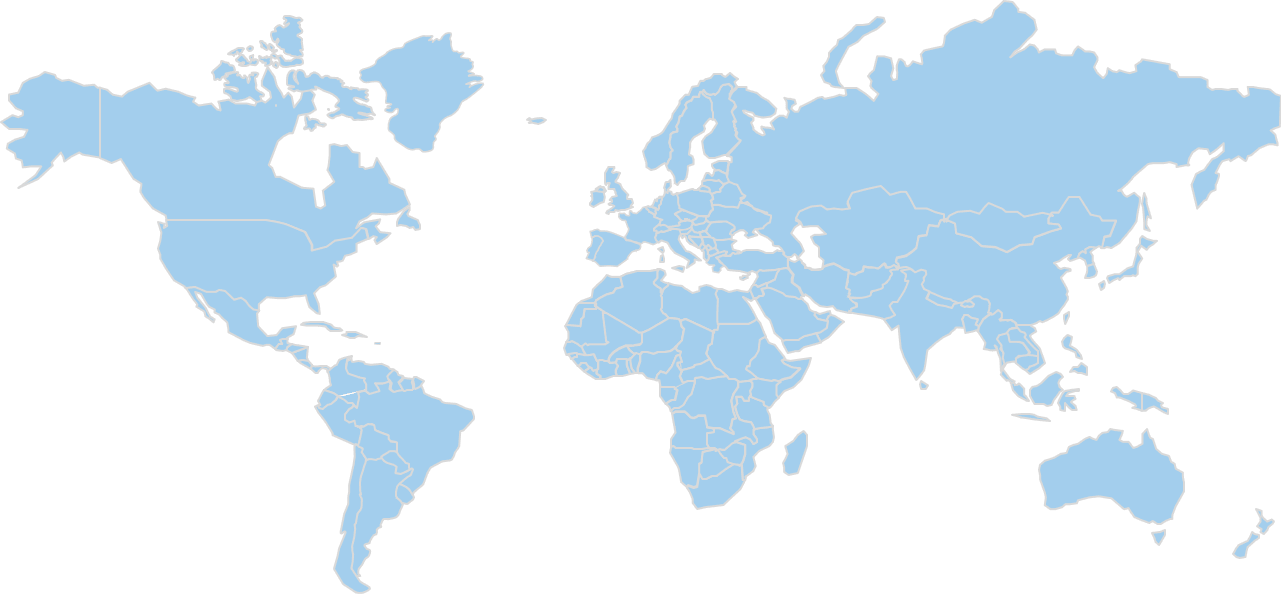
Asia Pacific is the largest region at 43.57% of 2025 revenue, worth USD 0.5098 billion and reaching USD 1.7546 billion by 2034. North America follows at 22.57%, moving from USD 0.2641 billion to USD 0.7018 billion, and Middle East and Africa is the smallest at 6.64%. Share shifts toward Asia Pacific over the forecast period, so the regional split repays a close reading.
Coverage extends to five regions, six type lines and five segmentation axes over the full fifteen years. The 2025 total itself is extrapolated from comparable categories, which is why it should be treated as indicative, and the splits below are estimated on that same basis, a bound on their precision worth carrying into any use of them.
Market Size, 2020–2034
USD BillionRevenue in USD Billion. Values up to 2025 are actuals; 2026–2034 are forecast.
Key Takeaways
- Revenue grows from USD 1.17 billion in 2025 to USD 3.5091 billion in 2034, a compound annual rate of 13%, having reached USD 1.08 billion in 2024 from USD 0.78 billion in 2020.
- The largest line by type is Zinc-Air Battery, worth USD 0.3268 billion and 27.93% of revenue in 2025, rising to USD 1.2282 billion and 35% by 2034.
- Fastest growth on the type axis belongs to Nickel-zinc Battery: 16.73% a year, USD 0.1739 billion to USD 0.7018 billion, and a share moving from 14.86% to 20%.
- Scenario range for 2034 runs from USD 2.9827 billion in the bear case to USD 4.1407 billion in the bull case, against a base-case USD 3.5091 billion, the spread a plan built on this forecast has to absorb.
- 43.57% of 2025 revenue is generated in Asia Pacific, worth USD 0.5098 billion and rising to USD 1.7546 billion by 2034; Middle East and Africa is smallest at 6.64%.
- 48% of Asia Pacific's base-year revenue comes from China alone: USD 0.2447 billion in 2025, rising to USD 0.8422 billion by 2034, which is why it is that region's worked example.
- Fifteen years are reported, 2020 to 2034 with 2025 as the base: revenue, share and growth rate per line, per axis and per region, not as a single blended series.
Market Trends
Revenue Share, By By Type
Base year 2025Zinc-Air Battery leads with 27.9% of by type segment revenue.
Share of by type segment revenue, most recent base year.
Three things move over 2026-2034, and they are worth separating: the type mix, the regional balance, and the 13% compounding underneath both.
All three are changes in mix, not in direction: nothing contracts, and the movement is in which lines and regions absorb the new revenue.
The type mix tilts toward Nickel-zinc Battery. 16.73% against 6.79%: that gap, between Nickel-zinc Battery and Carbon-zinc Battery, is the largest on the type axis. By 2034 the two sit at 20% and 12% of revenue, against 14.86% and 19.71% in 2025. Revenue rises on both sides; USD 0.1739 billion to USD 0.7018 billion and USD 0.2306 billion to USD 0.4211 billion respectively, so this is a change in composition, not a contraction, and one forecast window is long enough for it to matter.
Asia Pacific gain regional share. Asia Pacific moves from 43.57% of revenue in 2025 to 50% in 2034, worth USD 0.5098 billion rising to USD 1.7546 billion. The offsetting side is North America at 22.57% moving to 20%, Europe at 20.21% moving to 17%, Latin America at 7% moving to 7%, Middle East and Africa at 6.64% moving to 6%, none of which contracts. The practical consequence is that regional weighting decides whether a participant matches the market rate or trails it, regardless of how its own revenue reads.
The series never breaks trajectory. Year by year the total runs USD 0.78 billion in 2020, USD 1.08 billion in 2024, USD 1.17 billion in 2025, USD 1.32 billion in 2026, USD 2.1522 billion in 2030 and USD 3.5091 billion in 2034. No year breaks the trajectory, and the 13% forecast rate compares with 8.45% recorded over 2020-2025, a continuation, not an inflection. A plan built on this market is therefore a plan about capturing a share of steady expansion, which is decided on the type and regional axes, not by the headline rate.
Market Growth Factors
The fastest line decides the blended rate
Market Drivers
3- 01The fastest line decides the blended rate
Nickel-zinc Battery compounds at 16.73% against 13% for the market, rising from USD 0.1739 billion in 2025 to USD 0.7018 billion in 2034 and from 14.86% of revenue to 20%. The market's overall 13% depends on that rate holding: at the 6.79% recorded by Carbon-zinc Battery, the same revenue base would compound to a materially smaller 2034 total. A portfolio weighted away from it tracks below the market even in a market growing everywhere.
- 02Regional weight, not regional count
Asia Pacific is the largest region at USD 0.5098 billion in 2025, 43.57% of global revenue, and reaches USD 1.7546 billion by 2034 on a share rising to 50%. North America adds a further 22.57% at USD 0.2641 billion, reaching USD 0.7018 billion. Together the two account for the majority of both the 2025 base and the revenue added by 2034, which is why a regional plan treating all five regions at equal weight misreads where the growth actually lands.
- 03A demonstrated trajectory, not a projected turnaround
The historical period compounded at 8.45%; USD 0.78 billion in 2020, USD 1.08 billion in 2024 and USD 1.17 billion in 2025. The forecast continues at 13% to USD 3.5091 billion in 2034. Fifteen years of unbroken growth in the series means the forecast rests on a demonstrated trajectory, not a projected turnaround, and it is why the 13% rate is applied flat across the whole period instead of ramped through it.
Growth drivers
| # | Growth driver | Impact | Gross contribution (Billion) | 2026-28 | 2029-31 | 2032-34 |
|---|---|---|---|---|---|---|
| 1 | Electric vehicle and micro-mobility adoption of zinc-based auxiliary and traction-support batteries | High | +0.85 | Medium | High | High |
| 2 | Grid-scale and behind-the-meter energy storage deployment favoring zinc-based chemistries for safety and cost | High | +0.62 | Medium | High | High |
| 3 | Consumer electronics and portable device volume growth in emerging markets | Medium-High | +0.48 | Medium | Medium | Medium |
| 4 | Power tool electrification and cordless tool adoption | Medium | +0.33 | Medium | Medium | Low |
| 5 | Hearing aid and medical device demand for zinc-air primary cells | Medium | +0.19 | Low | Low | Medium |
| 6 | Others | Low | +0.82 | Low | Low | Low |
| Total | +3.29 | |||||
Restraints
| # | Restraint | Impact | Estimated reduction (Billion) | 2026-28 | 2029-31 | 2032-34 |
|---|---|---|---|---|---|---|
| 1 | Competition from lithium-ion and alkaline chemistries on energy density and shelf life | Medium-High | −0.55 | High | Medium | Medium |
| 2 | Limited cycle life and self-discharge behaviour in rechargeable zinc formats slowing large-format adoption | Medium | −0.28 | Medium | Medium | Low |
| 3 | Raw material price volatility for zinc and battery-grade electrolytes | Low | −0.12 | Low | Low | Low |
| Total | −0.95 | |||||
Drivers contribute 3.29 Billion and restraints remove 0.95 Billion, a net 2.34 Billion, which is the revenue the market adds between the base year and 2034. Contributions are CDI estimates, apportioned so that they reconcile with the forecast rather than being read from it.
Growth in the global zinc battery market comes from three measurable sources over 2026-2034: the market's own compounding at 13%, the share gained by faster-growing type lines, and expansion in the regions taking a larger part of global revenue.
Restraining Factors
What holds the forecast back
Market Restraints
2- 01What holds the forecast back
The study's downside path assumes assumes lithium-ion cost declines continue to outpace zinc-based alternatives, slowing qualification of rechargeable formats in electric vehicle and storage applications, and ends 2034 at USD 2.9827 billion against the USD 3.5091 billion base case, the same USD 1.17 billion base year, a slower forecast period.
- 02Carbon-zinc Battery grows below the market rate
Carbon-zinc Battery carries 19.71% of 2025 revenue at USD 0.2306 billion but compounds at 6.79% against 13% for the market, taking its share to 12% by 2034 even as revenue rises to USD 0.4211 billion. Because it carries that much of the base, its pace holds the blended rate down more than any faster line lifts it.
Market Opportunities
What the bull case turns on
Market Opportunities
2- 01What the bull case turns on
What would beat the forecast: assumes faster OEM qualification of rechargeable nickel-zinc and zinc-air cells in electric vehicle and grid-storage programmes, pulling forward large-format order volume. That case reaches USD 4.1407 billion in 2034 against USD 3.5091 billion, and it is worth testing against a reader's own read of the market.
- 02Nickel-zinc Battery share moves from 14.86% to 20%
Nickel-zinc Battery grows at 16.73% against 13% for the market, adding revenue from USD 0.1739 billion in 2025 to USD 0.7018 billion in 2034 and taking its share from 14.86% to 20%. It is the place on this axis where share changes hands at scale, so it is where an entrant can take position without displacing the incumbent in Zinc-Air Battery.
Market Challenges
Revenue is concentrated in Zinc-Air Battery
Market Challenges
2- 01Revenue is concentrated in Zinc-Air Battery
Zinc-Air Battery is 27.93% of 2025 revenue at USD 0.3268 billion and still 35% at USD 1.2282 billion in 2034. A market leaning this heavily on one type line concentrates its exposure there, and a shift in demand for that line moves the total more than any other single change on the axis.
- 02Single-country exposure in Asia Pacific
48% of the leading region is one country: China, at USD 0.2447 billion against Asia Pacific's USD 0.5098 billion in 2025, and USD 0.8422 billion by 2034. Regional totals therefore move largely with one country's demand, so a regional forecast is more exposed to single-country conditions than its size alone suggests.
Segmentation Analysis
5 axesThe market is divided by type and by application, rechargeability, capacity and distribution channel; five axes in all. They are alternative readings of one revenue pool, not parts that sum to it.
All six type lines expand in revenue terms over the forecast period. Share is the dividing line; three take it, the others cede it.
By Type · 6 segments
Nickel-zinc Battery Outpaces the Axis While Zinc-Air Battery Holds the Largest Share
- Largest Zinc-Air Battery · 27.9%
- Fastest Nickel-zinc Battery · 16.7%
- Moves most Carbon-zinc Battery · -7.7 pts
- Order by 2034 changes
| Segment | 2025 | Share | 2034 | Share | CAGR |
|---|---|---|---|---|---|
| Zinc-Air Battery | $0.33B | 27.9% | $1.23B | 35%+7.1 | 15.8% |
| Nickel-zinc Battery | $0.17B | 14.9% | $0.70B | 20%+5.1 | 16.7% |
| Zinc-Silver Battery | $0.12B | 9.9% | $0.28B | 8%-1.9 | 10.3% |
| Carbon-zinc Battery | $0.23B | 19.7% | $0.42B | 12%-7.7 | 6.8% |
| Zinc-Chloride Battery | $0.14B | 11.9% | $0.28B | 8%-3.9 | 8.1% |
| Zinc-Mn Battery | $0.18B | 15.7% | $0.60B | 17%+1.3 | 14% |
Zinc-air leads and grows fastest because its high energy density per unit cost suits both legacy hearing aid cells and emerging large-format energy storage packs, giving it demand from two unrelated buyer bases at once. Carbon-zinc and zinc-chloride cede share as device makers shift toward rechargeable and higher-drain formats these older primary chemistries were never designed to serve. Zinc-Air Battery remains the largest line through 2034, so the axis changes in proportion, not in order. Every year of the series is priced on this axis, making it the reference cut for the rest of the report.
By Application · 4 segments
Consumer Electronics Led by Application in 2025, with Electric Vehicle Growing Fastest
- Largest Consumer Electronics · 42%
- Fastest Electric Vehicle · 19.6%
- Moves most Electric Vehicle · +12 pts
- Order by 2034 changes
| Segment | 2025 | Share | 2034 | Share | CAGR |
|---|---|---|---|---|---|
| Electric Vehicle | $0.21B | 18% | $1.05B | 30%+12 | 19.6% |
| Consumer Electronics | $0.49B | 42% | $1.12B | 32%-10 | 9.6% |
| Power Tools | $0.26B | 22% | $0.77B | 22% | 13% |
| Others | $0.21B | 18% | $0.56B | 16%-2 | 11.5% |
Consumer electronics leads because zinc primary and rechargeable cells remain the default low-cost power source for portable devices, remotes and small appliances sold at very high unit volumes. Electric vehicle grows fastest because automakers are qualifying zinc-based chemistries as a safer, cobalt-free alternative for auxiliary and micro-mobility power as EV production scales globally. Consumer Electronics remains the largest line through 2034, so the axis changes in proportion, not in order.
By Rechargeability · 2 segments
Primary (Non-Rechargeable) Held the Dominant Share of the Rechargeability Segment in 2025
- Largest Primary (Non-Rechargeable) · 52%
- Fastest Secondary (Rechargeable) · 15.8%
- Moves most Primary (Non-Rechargeable) · -12 pts
- Order by 2034 changes
| Segment | 2025 | Share | 2034 | Share | CAGR |
|---|---|---|---|---|---|
| Primary (Non-Rechargeable) | $0.61B | 52% | $1.40B | 40%-12 | 9.7% |
| Secondary (Rechargeable) | $0.56B | 48% | $2.11B | 60%+12 | 15.8% |
Secondary, rechargeable formats grow fastest as nickel-zinc and zinc-air chemistries win qualification in power tools, micro-mobility and stationary storage, where a reusable cell lowers the buyer's cost per cycle. Primary cells keep the larger near-term base because they still power the highest-volume, lowest-cost consumer devices, where a sealed, no-maintenance cell is preferred. Leadership changes hands: Secondary (Rechargeable) is the largest line by 2034, not Primary (Non-Rechargeable).
By Capacity · 3 segments
Above 3,000 mAh Outpaces the Axis While 1,000 to 3,000 mAh Holds the Largest Share
- Largest 1,000 to 3,000 mAh · 40%
- Fastest Above 3,000 mAh · 17.8%
- Moves most Below 1,000 mAh · -10 pts
- Order by 2034 changes
| Segment | 2025 | Share | 2034 | Share | CAGR |
|---|---|---|---|---|---|
| Below 1,000 mAh | $0.44B | 38% | $0.98B | 28%-10 | 9.2% |
| 1,000 to 3,000 mAh | $0.47B | 40% | $1.40B | 40% | 13% |
| Above 3,000 mAh | $0.26B | 22% | $1.12B | 32%+10 | 17.8% |
Cells above 3,000 mAh grow fastest as EV auxiliary systems and stationary storage installations move to larger-format packs that need fewer units per application. The 1,000 to 3,000 mAh band stays the largest because it matches the rating most power tools, e-bikes and mid-sized consumer devices are designed around, giving it the broadest base of qualified end products. By 2034 1,000 to 3,000 mAh is still ahead, making this a shift in weight, not a change of leader.
By Distribution Channel · 2 segments
OEM Holds the Largest Distribution channel Share and Is Still the Quickest to Grow
- Largest OEM · 63%
- Fastest OEM · 13.9%
- Moves most OEM · +5 pts
- Order by 2034 unchanged
| Segment | 2025 | Share | 2034 | Share | CAGR |
|---|---|---|---|---|---|
| OEM | $0.74B | 63% | $2.39B | 68%+5 | 13.9% |
| Aftermarket | $0.43B | 37% | $1.12B | 32%-5 | 11.2% |
OEM sales lead and grow fastest because most zinc battery volume now ships pre-installed in devices and vehicles at the point of manufacture, where a supplier's qualification with an equipment maker locks in volume for the life of that product. Aftermarket replacement demand grows more slowly since it depends on device replacement cycles instead of new unit shipments. By 2034 OEM is still ahead, making this a shift in weight, not a change of leader.
Regional Insights
Regional Revenue Share
Base year 2025Share of global revenue in the base year.
Only the leading region's share is published outside the report; pins mark the region, not a specific country.
North America Market Analysis
The 2nd-largest region covered — 2.6 points of share move elsewhere by 2034, while revenue still grows 2.7×.
- Rank 2 of 5
- 2025 share 22.6%
- By 2034 20%
- Revenue $0.26B → $0.70B
North America holds 22.57% of the global zinc battery market in 2025, worth USD 0.2641 billion rising to USD 0.7018 billion in 2034. Among the five regions it ranks second by revenue in both years.
By 2034 the share stands at 20%, and the region keeps growing in absolute terms while others expand faster, a change in relative weight, not a decline in demand.
Segment composition follows the global pattern: Zinc-Air Battery largest at 27.93% of 2025 revenue, Nickel-zinc Battery fastest at 16.73%. Per-axis and per-country detail for North America sits in the full report.
United States
Sets the pace for North America at 74% of it, growing 2.7×.
- In region 1 of 2
- Of region 74%
- Of global 16.7%
- Revenue $0.20B → $0.52B
74% of North America's base-year revenue comes from the United States; USD 0.1954 billion, rising to USD 0.5193 billion by 2034. At 74% of regional revenue in the base year it is not one market among several, the region's trajectory is largely this country's trajectory. Against regional totals of USD 0.2641 billion in 2025 and USD 0.7018 billion in 2034, it is the country the full report breaks out in detail.
Demand in the United States follows the type mix reported at global level: Zinc-Air Battery is the largest line at 27.93% of 2025 revenue, moving to 35% by 2034, while Nickel-zinc Battery grows fastest at 16.73% and takes its share from 14.86% to 20%. Because the country carries 74% of North America, a movement in its own mix shows up in the regional totals instead of being averaged away by neighbouring markets. Revenue by type for the United States is reported separately in the full report.
The United States treats zinc battery products, whether primary alkaline, zinc-carbon, or emerging zinc-based rechargeable formats, as consumer or industrial goods subject to safety oversight by the Consumer Product Safety Commission, with performance and safety typically demonstrated against Underwriters Laboratories standards before retail sale. Interstate and international shipment falls under the Department of Transportation's hazardous materials rules, which classify certain battery chemistries for packaging and labelling purposes. End-of-life handling traces to the Mercury-Containing and Rechargeable Battery Management Act alongside state-level collection programs, while the Environmental Protection Agency oversees disposal standards for battery waste streams. Suppliers must document chemical composition, cell safety testing, and compliance labelling before commercial distribution.
In the United States the field is PowerGenix, Primus Power, Fujitsu, Eveready, Panasonic, Kodak Batteries, ABC Battery, Toshiba, Multicell, ZPower Battery, GP Batteries, Imprint Energy and ZeniPower. Zinc-Air Battery, at 27.93% of 2025 revenue, is where the volume sits, and Nickel-zinc Battery, growing at 16.73%, is where position changes hands over the forecast period. Country-level shares and positioning per company sit in the full report.
Canada
2nd-largest in North America, growing 2.7×.
- In region 2 of 2
- Of region 19%
- Of global 4.3%
- Revenue $0.05B → $0.13B
4.29% of global revenue is generated in Canada; USD 0.0502 billion in 2025, reaching USD 0.1333 billion in 2034, and 19% of North America.
Europe Market Analysis
The 3rd-largest region covered — 3.2 points of share move elsewhere by 2034, while revenue still grows 2.5×.
- Rank 3 of 5
- 2025 share 20.2%
- By 2034 17%
- Revenue $0.24B → $0.60B
Europe holds 20.21% of the global zinc battery market in 2025, worth USD 0.2365 billion and reaches USD 0.5966 billion by 2034. That makes it the third-largest region covered, in 2025 and again in 2034.
Share settles at 17% in 2034, while nothing contracts here; other regions simply grow faster, which shows up as relative weight, not as falling revenue.
Within the region the type split tracks the global one; 27.93% of 2025 revenue in Zinc-Air Battery, fastest growth of 16.73% in Nickel-zinc Battery. Per-axis and per-country detail for Europe sits in the full report.
Germany
The largest market in Europe, growing 2.5×.
- In region 1 of 3
- Of region 34%
- Of global 6.9%
- Revenue $0.08B → $0.20B
34% of Europe's base-year revenue comes from Germany; USD 0.0804 billion, rising to USD 0.2028 billion by 2034. Its 34% of base-year regional revenue leads the region, though enough sits elsewhere that Europe is not a proxy for it. The region itself runs USD 0.2365 billion to USD 0.5966 billion over the same period, and this is the market carrying the country-level detail in the full report.
Germany buys along the same lines as the market globally; Zinc-Air Battery first at 27.93% of 2025 revenue and 35% in 2034, Nickel-zinc Battery fastest at 16.73% on a share moving from 14.86% to 20%. Its 34% weight in Europe means those movements carry straight into the regional totals. The full report reports Germany by type separately.
In Germany, zinc battery products fall within the scope of the EU Battery Regulation, which governs manufacturers and importers through requirements on due diligence, carbon footprint declaration, labelling, and extended producer responsibility for collection and recycling. Compliance is enforced nationally through the register maintained under the Battery Act (Batteriegesetz), which requires producers to register before placing batteries on the market and to finance take-back schemes. Conformity with harmonised European safety and performance standards, verified through CE marking, is expected before sale, and REACH obligations apply to any restricted substances used in cell construction. Retailers must accept spent batteries for collection under the same framework.
Competition in Germany runs between the suppliers this study tracks: PowerGenix, Primus Power, Fujitsu, Eveready, Panasonic, Kodak Batteries, ABC Battery, Toshiba, Multicell, ZPower Battery, GP Batteries, Imprint Energy and ZeniPower. Volume sits in Zinc-Air Battery at 27.93% of 2025 revenue; movement sits in Nickel-zinc Battery at 16.73% growth.
United Kingdom
2nd-largest in Europe, growing 2.5×.
- In region 2 of 3
- Of region 24%
- Of global 4.8%
- Revenue $0.06B → $0.14B
The United Kingdom is sized at USD 0.0568 billion in 2025, rising to USD 0.1432 billion by 2034; 4.85% of global revenue and 24% of Europe. It is reported separately from Germany across every segmentation axis in the full report.
France
3rd-largest in Europe, growing 2.5×.
- In region 3 of 3
- Of region 18%
- Of global 3.6%
- Revenue $0.04B → $0.11B
Within Europe, France accounts for 18% of regional revenue and 3.64% of the global total, worth USD 0.0426 billion in 2025 and USD 0.1074 billion by 2034.
Asia Pacific Market Analysis
The largest region covered, and the one gaining the most — it picks up 6.4 points of share by 2034, while revenue still grows 3.4×.
- Rank 1 of 5
- 2025 share 43.6%
- By 2034 50%
- Revenue $0.51B → $1.75B
43.57% of the global zinc battery market sits in Asia Pacific in 2025, worth USD 0.5098 billion rising to USD 1.7546 billion in 2034. By revenue it sits first across the study, and the ranking does not change between 2025 and 2034.
Its share rises to 50% over the forecast period, at a pace above the 13% global rate, so this region warrants separate treatment and should not be scaled off the total.
Zinc-Air Battery leads here as it does globally, at 27.93% of 2025 revenue, and Nickel-zinc Battery again grows fastest at 16.73%. Asia Pacific is reported axis by axis and country by country in the full study.
China
The largest market in Asia Pacific, growing 3.4×.
- In region 1 of 3
- Of region 48%
- Of global 20.9%
- Revenue $0.24B → $0.84B
USD 0.2447 billion of Asia Pacific's 2025 revenue is generated in China, the region's largest market, reaching USD 0.8422 billion by 2034. Its 48% of base-year regional revenue leads the region, though enough sits elsewhere that Asia Pacific is not a proxy for it. The region itself runs USD 0.5098 billion to USD 1.7546 billion over the same period, and this is the market carrying the country-level detail in the full report.
China buys along the same lines as the market globally; Zinc-Air Battery first at 27.93% of 2025 revenue and 35% in 2034, Nickel-zinc Battery fastest at 16.73% on a share moving from 14.86% to 20%. Because the country carries 48% of Asia Pacific, a movement in its own mix shows up in the regional totals instead of being averaged away by neighbouring markets. Revenue by type for China is reported separately in the full report.
China regulates zinc battery products through the State Administration for Market Regulation, which oversees compulsory product certification under the CCC mark for battery types falling within its catalogue, alongside national GB standards covering safety, performance, and labelling. The Ministry of Industry and Information Technology maintains sector guidance on battery manufacturing and quality, while the Ministry of Ecology and Environment enforces requirements on hazardous substance content and end-of-life collection under solid waste management rules. Suppliers must ensure cells and finished products meet applicable GB safety testing before distribution, carry compliant labelling identifying chemistry and handling precautions, and route production waste through licensed hazardous waste channels rather than general disposal.
PowerGenix, Primus Power, Fujitsu, Eveready, Panasonic, Kodak Batteries, ABC Battery, Toshiba, Multicell, ZPower Battery, GP Batteries, Imprint Energy and ZeniPower are the suppliers covered in China. The commercially relevant division is 27.93% of 2025 revenue in Zinc-Air Battery, where the volume is, against 16.73% growth in Nickel-zinc Battery, where share moves.
Japan
2nd-largest in Asia Pacific, growing 3.4×.
- In region 2 of 3
- Of region 20%
- Of global 8.7%
- Revenue $0.10B → $0.35B
8.72% of global revenue is generated in Japan; USD 0.102 billion in 2025, reaching USD 0.3509 billion in 2034, and 20% of Asia Pacific.
India
3rd-largest in Asia Pacific, growing 3.4×.
- In region 3 of 3
- Of region 14%
- Of global 6.1%
- Revenue $0.07B → $0.25B
6.1% of global revenue is generated in India; USD 0.0714 billion in 2025, reaching USD 0.2456 billion in 2034, and 14% of Asia Pacific.
Latin America Market Analysis
The 4th-largest region covered, holding its share flat through 2034, while revenue still grows 3.0×.
- Rank 4 of 5
- 2025 share 7%
- By 2034 7%
- Revenue $0.08B → $0.25B
In Latin America, 7% of global revenue puts 2025 at USD 0.0819 billion on the way to USD 0.2456 billion by 2034. That makes it the fourth-largest region covered, in 2025 and again in 2034.
Share settles at 7% in 2034, while nothing contracts here; other regions simply grow faster, which shows up as relative weight, not as falling revenue.
Segment composition follows the global pattern: Zinc-Air Battery largest at 27.93% of 2025 revenue, Nickel-zinc Battery fastest at 16.73%. Latin America is reported axis by axis and country by country in the full study.
Brazil
The largest market in Latin America, growing 3.0×.
- In region 1 of 2
- Of region 55%
- Of global 3.9%
- Revenue $0.04B → $0.14B
Brazil is the largest market within Latin America, generating USD 0.045 billion in 2025 and projected to reach USD 0.1351 billion by 2034. It accounts for 55% of regional revenue in the base year, the largest single share without dominating the region outright. Regional revenue of USD 0.0819 billion in 2025 and USD 0.2456 billion in 2034 sits around it, and it is the country used wherever the full report cuts a figure by geography.
The type pattern in Brazil is the global one: 27.93% of 2025 revenue in Zinc-Air Battery, 35% by 2034, against 16.73% growth in Nickel-zinc Battery taking it from 14.86% to 20%. With 55% of Latin America concentrated here, a change in this country's mix is visible in the regional figures instead of being diluted by its neighbours. Revenue by type for Brazil is reported separately in the full report.
Brazil places zinc battery products under the certification authority of INMETRO, which requires conformity assessment against applicable ABNT technical standards covering safety, labelling, and performance before a battery can be sold domestically. Producers and importers are also bound by the National Solid Waste Policy, which assigns manufacturers reverse-logistics responsibility for collecting and properly disposing of spent batteries through authorized collection points. Labelling must disclose chemical composition and handling warnings in Portuguese, and products are subject to market surveillance by INMETRO-accredited testing bodies. Environmental licensing agencies at the state level may impose additional requirements on facilities manufacturing or assembling battery cells within their jurisdiction.
The suppliers tracked in this study (PowerGenix, Primus Power, Fujitsu, Eveready, Panasonic, Kodak Batteries, ABC Battery, Toshiba, Multicell, ZPower Battery, GP Batteries, Imprint Energy and ZeniPower) compete in Brazil across the type lines above. The commercially relevant division is 27.93% of 2025 revenue in Zinc-Air Battery, where the volume is, against 16.73% growth in Nickel-zinc Battery, where share moves.
Mexico
2nd-largest in Latin America, growing 3.0×.
- In region 2 of 2
- Of region 30%
- Of global 2.1%
- Revenue $0.02B → $0.07B
Mexico is sized at USD 0.0246 billion in 2025, rising to USD 0.0737 billion by 2034; 2.1% of global revenue and 30% of Latin America. It is reported separately from Brazil across every segmentation axis in the full report.
Middle East and Africa Market Analysis
The 5th-largest region covered — 0.6 points of share move elsewhere by 2034, while revenue still grows 2.7×.
- Rank 5 of 5
- 2025 share 6.6%
- By 2034 6%
- Revenue $0.08B → $0.21B
In Middle East and Africa, 6.64% of global revenue puts 2025 at USD 0.0777 billion rising to USD 0.2105 billion in 2034. It is a marginal region on this axis, fifth by revenue throughout the period.
Share settles at 6% in 2034, while nothing contracts here; other regions simply grow faster, which shows up as relative weight, not as falling revenue.
Segment composition follows the global pattern: Zinc-Air Battery largest at 27.93% of 2025 revenue, Nickel-zinc Battery fastest at 16.73%. Middle East and Africa is reported axis by axis and country by country in the full study.
Saudi Arabia
The largest market in Middle East and Africa, growing 2.7×.
- In region 1 of 2
- Of region 40%
- Of global 2.7%
- Revenue $0.03B → $0.08B
The largest single market in Middle East and Africa is Saudi Arabia, at USD 0.0311 billion in 2025 and USD 0.0842 billion in 2034. It accounts for 40% of regional revenue in the base year, the largest single share without dominating the region outright. Against regional totals of USD 0.0777 billion in 2025 and USD 0.2105 billion in 2034, it is the country the full report breaks out in detail.
Composition here matches the global split: the largest line is Zinc-Air Battery at 27.93% of 2025 revenue, easing to 35% by 2034, and the fastest is Nickel-zinc Battery at 16.73%, from 14.86% to 20%. Because the country carries 40% of Middle East and Africa, a movement in its own mix shows up in the regional totals instead of being averaged away by neighbouring markets. Saudi Arabia carries its own type breakdown in the full report.
Saudi Arabia regulates zinc battery products through the Saudi Standards, Metrology and Quality Organization, which requires conformity certification under its national scheme before goods can be imported or sold. Certification verifies compliance with adopted Gulf Standardization Organization specifications covering battery safety, labelling, and performance, and importers must register products and obtain a certificate of conformity prior to customs clearance. Labelling requirements call for clear identification of chemistry, handling precautions, and disposal guidance in Arabic. Environmental handling of spent batteries falls under the National Center for Waste Management, which is extending collection and disposal oversight to hazardous waste streams including battery materials as part of broader environmental regulation.
In Saudi Arabia the field is PowerGenix, Primus Power, Fujitsu, Eveready, Panasonic, Kodak Batteries, ABC Battery, Toshiba, Multicell, ZPower Battery, GP Batteries, Imprint Energy and ZeniPower. Zinc-Air Battery, at 27.93% of 2025 revenue, is where the volume sits, and Nickel-zinc Battery, growing at 16.73%, is where position changes hands over the forecast period.
South Africa
2nd-largest in Middle East and Africa, growing 2.7×.
- In region 2 of 2
- Of region 25%
- Of global 1.7%
- Revenue $0.02B → $0.05B
1.66% of global revenue is generated in South Africa; USD 0.0194 billion in 2025, reaching USD 0.0526 billion in 2034, and 25% of Middle East and Africa.
Request this sample to see the full data tables and segment-level detail behind this analysis.
Report Coverage
This report assesses the market across every segment, with revenue and a growth rate for each line in each year of the study period. It covers the drivers, trends, opportunities, restraints and challenges shaping growth, the competitive landscape and the companies profiled, and the research methodology behind every estimate. Segmentation is reported by Type, Application, Rechargeability, Capacity, Distribution Channel, and regional analysis covers North America, Europe, Asia Pacific, Latin America, Middle East and Africa, each broken out by country.
Competitive Landscape
Suppliers Compete on Zinc-Air Battery Volume and Nickel-zinc Battery Momentum
The field covered here is PowerGenix, Primus Power, Fujitsu, Eveready, Panasonic, Kodak Batteries, ABC Battery, Toshiba, Multicell, ZPower Battery, GP Batteries, Imprint Energy and ZeniPower.
Where suppliers actually compete is along the type axis. 27.93% of 2025 revenue, worth USD 0.3268 billion, is in Zinc-Air Battery, still 35% of the total in 2034; that is the position least likely to change hands. Nickel-zinc Battery, compounding at 16.73% against 6.79% for Carbon-zinc Battery, is where share changes hands over the forecast period. Holding the first and taking the second are separate capabilities, which is why a market of USD 1.17 billion supports as many suppliers as it does.
What separates suppliers in this market is manufacturing scale for the high-volume primary chemistries, formulation and cycle-life expertise for the rechargeable nickel-zinc and zinc-air formats, and distribution reach into consumer retail versus direct qualification relationships with automotive, medical and industrial buyers. The largest primary-cell producers compete on cost and supply reliability at very high unit volumes, while rechargeable-format specialists compete on cycle life, safety credentials and the speed of their qualification process with a single large buyer. Regional and smaller suppliers compete mainly on price and local distribution instead of chemistry differentiation.
The regional picture sets the entry cost: 43.57% of revenue is in Asia Pacific and 22.57% in North America, so a credible global position requires both, while Middle East and Africa at 6.64% can be served opportunistically.
Company-level profiles, financials, shares and development histories are held in the full report and not in this summary.
List of Key Zinc Battery Market Companies Profiled
13 companies profiled. Company profiles, including financials, product portfolios and recent developments, are part of the full report.
- PowerGenix(United States)
- Primus Power(United States)
- Fujitsu(Japan)
- Eveready
- Panasonic(Japan)
- Kodak Batteries
- ABC Battery
- Toshiba(Japan)
- Multicell
- ZPower Battery(United States)
- GP Batteries(Hong Kong)
- Imprint Energy(United States)
- ZeniPower
Geographic Coverage
Every market below is broken out separately in the report.
North America
3Europe
8Asia Pacific
12Latin America
3Middle East and Africa
4Key Insights
Report Scope
Study parameters & segmentationThis study covers market size and forecasts over the 2020–2034 period, segmentation across 5 axes (Type, Application, Rechargeability, Capacity, Distribution Channel), regional analysis for 5 regions and their constituent countries, a competitive landscape profiling 13 key companies, and the research methodology behind every estimate.
Segmentation
5 axes + regionQuestions This Report Answers
6 questionsWhat is the market size and growth rate, globally and by region?
How is the market segmented, and which segments lead?
Which regions and countries are covered, and how do they compare?
What are the key drivers, restraints, opportunities and challenges?
Who are the leading companies operating in this market?
What trends are expected to shape the market through the forecast period?
Frequently Asked Questions
01What is the Zinc Battery Market projected to reach?
USD 3.5091 Billion by 2034, CAGR 13%
02What years does this report cover?
Study period 2020–2034, base year 2025, historical data 2020-2024, forecast period 2026-2034.
03Which regions are covered?
North America, Europe, Asia Pacific, Latin America, Middle East and Africa.
04Which region accounted for the largest market share?
Asia Pacific leads with 43.57% of global revenue through 2034.
05Which segment leads the market?
Zinc-Air Battery is the largest line by Type, at 27.93% of revenue in 2025.
06Who are the key companies profiled?
PowerGenix, Primus Power, Fujitsu, Eveready, Panasonic, Kodak Batteries, ABC Battery, Toshiba, Multicell, ZPower Battery, GP Batteries, Imprint Energy, ZeniPower. Full profiles are part of the paid report.
07Can the segmentation be customized?
Yes. Custom data cuts by geography, segment, or competitor set are available on request.
Why choose CDI
Need this report shaped around your question?
The scope isn't fixed. Tell us what your team needs that the standard edition doesn't cover, and an analyst will come back on what can be adjusted and how long it takes, before you commit to anything.
Most licences include 30–60 hours of customization at no extra cost. See what each licence includes
Additional Companies
Add competitors, suppliers or the peer set you benchmark against to the companies already covered.
Deeper Competitive View
Sharpen the landscape work around your own position: product line, channel, or a named shortlist of rivals.
Extra Segment Splits
Break the market down along an axis the standard scope doesn't cut it by, or go a level deeper inside one.
Application Focus
Narrow the analysis to the specific use cases and end users your team actually sells into.
Different Time Frame
Move the base year, or widen the historical and forecast windows the study is built on.
Country-Level Detail
Go below region level into the individual countries that matter to you, rather than the standard geography split.