
Starch Sugar Enzymes MarketSize, Share & Industry Analysis, 2026-2034By TypeBy ApplicationBy SourceBy End-use IndustryBy Form
Full title & scope — all 5 axes with their segments
Starch Sugar Enzymes Market Size, Share & Industry Analysis, By Type (Alpha Amylase, Beta Amylase, Glucoamylase, Other), By Application (Industrial, Specialty, Other), By Source (Microbial, Plant, Animal), By End-use Industry (Food & Beverage, Biofuel & Ethanol, Animal Feed, Other), By Form (Liquid, Dry/Powder), and Regional Forecast, 2026-2034
Market outlook, key takeaways, drivers and challenges for the report period.
- 01By TypeAlpha Amylase · Beta Amylase · Glucoamylase
- 02By ApplicationIndustrial · Specialty · Other
- 03By SourceMicrobial · Plant · Animal
- 04By End-use IndustryFood & Beverage · Biofuel & Ethanol · Animal Feed
- 05By FormLiquid · Dry/Powder
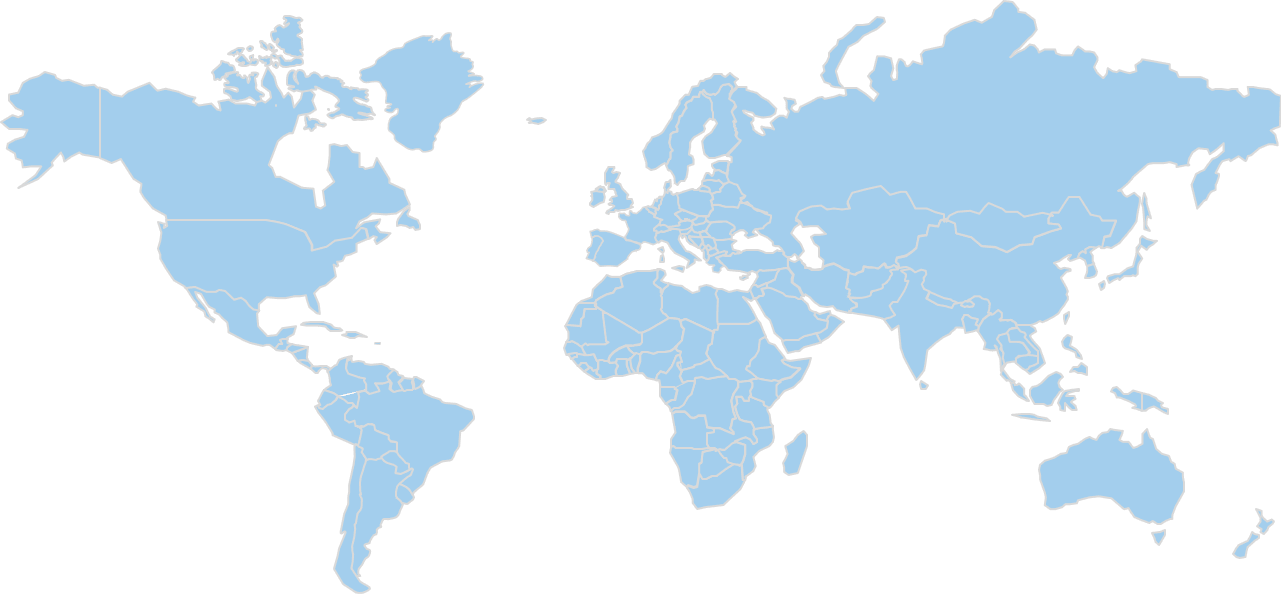
- 06By Region
Market Analysis & Outlook
Starch sugar enzymes are industrial biocatalysts, primarily alpha-amylase, beta-amylase and glucoamylase, used to break down starch derived from corn, wheat, cassava and other crops into glucose, maltose and other simple sugars. They are purchased mainly by starch-processing and wet-milling plants, sweetener and syrup manufacturers, brewers and distillers, and bioethanol producers that need to convert raw starch into fermentable or food-grade sugar as an intermediate processing step.
The global starch sugar enzymes market is valued at USD 4.2 billion in 2025 and is set to reach USD 7.64 billion by 2034, a compound annual growth rate of 6.9% across the 2026-2034 forecast period. The study tracks the market across USD 3.05 billion in 2020, USD 3.93 billion in 2024, USD 4.48 billion in 2026 and USD 5.85 billion in 2030.
The type mix shifts over the period. Glucoamylase is the largest line in 2025 at USD 1.848 billion, a 44% share, moving to USD 3.514 billion and 46% by 2034. Other grows fastest at 8.16%, taking its share from 9% to 10%, while Beta Amylase grows slowest at 6.02%. Share moves toward Glucoamylase and Other and away from Alpha Amylase and Beta Amylase, though no line shrinks in revenue terms.
The application split puts Industrial first, at USD 2.856 billion and 68% of revenue in 2025, rising to USD 4.89 billion and 64% in 2034. Specialty grows faster at 9.15% against 6.16%, moving from 24% of revenue to 29% by 2034. It cuts the same total as the type axis from a different commercial angle, so revenue does not add across the two.
Asia Pacific is the largest region at 42% of 2025 revenue, worth USD 1.764 billion and reaching USD 3.514 billion by 2034. North America follows at 27%, moving from USD 1.134 billion to USD 1.834 billion, and Middle East and Africa is the smallest at 4%. Because Asia Pacific, Latin America and Middle East and Africa take share, the revenue added by 2034 concentrates rather than spreading across all five regions.
Coverage extends to five regions, four type lines and five segmentation axes over the full fifteen years. The 2025 total itself is a triangulation of published figures and category proxies rather than a directly sourced total, and the splits below are estimated on that same basis, a bound on their precision worth carrying into any use of them.
Market Size, 2020–2034
USD BillionRevenue in USD Billion. Values up to 2025 are actuals; 2026–2034 are forecast.
Key Takeaways
- Revenue grows from USD 4.2 billion in 2025 to USD 7.64 billion in 2034, a compound annual rate of 6.9%, having reached USD 3.93 billion in 2024 from USD 3.05 billion in 2020.
- Glucoamylase is the largest type line at USD 1.848 billion in 2025, a 44% share, reaching USD 3.514 billion and 46% of revenue by 2034.
- Other is the fastest-growing line at 8.16%, lifting its share from 9% in 2025 to 10% in 2034 and its revenue from USD 0.378 billion to USD 0.764 billion.
- Against a base case of USD 7.64 billion in 2034, the study also reports a bear case at USD 6.77 billion and a bull case at USD 8.66 billion, with the assumptions behind each set out separately.
- Asia Pacific holds 42% of global revenue in 2025 at USD 1.764 billion, the largest of the five regions tracked, and reaches USD 3.514 billion by 2034.
- China accounts for 52% of Asia Pacific in the base year, worth USD 0.917 billion in 2025 and reaching USD 1.757 billion by 2034, the worked country example carried through that region's chapters.
- Fifteen years are reported, 2020 to 2034 with 2025 as the base: revenue, share and growth rate per line, per axis and per region rather than a single blended series.
Market Trends
Revenue Share, By By Type
Base year 2025Glucoamylase leads with 44.0% of by type segment revenue.
Share of by type segment revenue, most recent base year.
The global starch sugar enzymes market is shaped over 2026-2034 by three measurable movements: a change in the type mix, a shift in where revenue sits geographically, and the 6.9% rate carrying the total.
None of them reverses the market's direction. Every line and every region grows in absolute terms across the period; what changes is which of them captures the revenue added.
Composition shifts on the type axis. Between 2026 and 2034, 8.16% growth in Other against 6.02% in Beta Amylase pulls the type mix apart. Shares follow: 9% to 10% for Other, 14% to 13% for Beta Amylase. The revenue figures behind that are USD 0.378 billion to USD 0.764 billion and USD 0.588 billion to USD 0.993 billion. Both expand; where a supplier sits on the axis still decides whether it tracks the market.
The regional balance moves. Asia Pacific moves from 42% of revenue in 2025 to 46% in 2034, worth USD 1.764 billion rising to USD 3.514 billion; Latin America moves from 7% of revenue in 2025 to 8% in 2034, worth USD 0.294 billion rising to USD 0.611 billion; Middle East and Africa moves from 4% of revenue in 2025 to 5% in 2034, worth USD 0.168 billion rising to USD 0.382 billion. Against that, North America at 27% moving to 24%, Europe at 20% moving to 17%, a fall in share, not in revenue. Growth is therefore not something a participant inherits from the market; it depends on which regions its revenue is weighted toward.
Growth compounds at 6.9% without a step change. The market moves through USD 3.05 billion in 2020, USD 3.93 billion in 2024, USD 4.2 billion in 2025, USD 4.48 billion in 2026, USD 5.85 billion in 2030 and USD 7.64 billion in 2034. The forecast rate of 6.9% sits against 6.61% over the historical period, so the projection extends an observed trend instead of proposing a new one. A plan built on this market is therefore a plan about capturing a share of steady expansion, which is decided on the type and regional axes, not by the headline rate.
Market Growth Factors
Growth is concentrated in Other
Market Drivers
3- 01Growth is concentrated in Other
The fastest line on the type axis is Other, at 8.16% against the market's 6.9%, taking USD 0.378 billion to USD 0.764 billion and 9% of revenue to 10%. The market's overall 6.9% depends on that rate holding: at the 6.02% recorded by Beta Amylase, the same revenue base would compound to a materially smaller 2034 total. Where a supplier sits on this axis therefore decides whether it grows with the market or below it.
- 02The two largest regions hold most of the base
The largest regional base is Asia Pacific: USD 1.764 billion in 2025 at 42% of the global total, USD 3.514 billion by 2034 and 46%. Behind it, North America holds 27%; USD 1.134 billion rising to USD 1.834 billion. Because both the existing revenue and the revenue added concentrate in these two, regional weighting matters more to a forecast than regional count does.
- 03A demonstrated trajectory, not a projected turnaround
Revenue rose through USD 3.05 billion in 2020, USD 3.93 billion in 2024 and USD 4.2 billion in 2025, a compound 6.61% across the historical period. The forecast period then runs at 6.9%, ending 2034 at USD 7.64 billion. Because the growth is already in the record rather than in the projection, the rate is held flat across the forecast rather than ramped, and the risk in the number sits in the mix assumptions rather than in whether the market grows at all.
Growth drivers
| # | Growth driver | Impact | Gross contribution (Billion) | 2026-28 | 2029-31 | 2032-34 |
|---|---|---|---|---|---|---|
| 1 | Rising demand for high-fructose corn syrup and glucose-based sweeteners in food and beverage manufacturing | High | +1.35 | High | High | Medium |
| 2 | Expansion of bioethanol and biofuel production capacity requiring starch-to-sugar conversion | High | +1.05 | Medium | High | High |
| 3 | Growth of industrial starch-processing capacity across Asia Pacific | Medium-High | +0.62 | High | Medium | Medium |
| 4 | Continued shift from acid hydrolysis to enzymatic starch conversion for cost and yield efficiency | Medium | +0.38 | Medium | Medium | Medium |
| 5 | Rising demand for specialty and low-glycemic starch-derived sweeteners | Medium | +0.22 | Low | Medium | Medium |
| 6 | Others | Low | +0.12 | Low | Low | Low |
| Total | +3.74 | |||||
Restraints
| # | Restraint | Impact | Estimated reduction (Billion) | 2026-28 | 2029-31 | 2032-34 |
|---|---|---|---|---|---|---|
| 1 | Price volatility in corn and cassava feedstock supply | Medium-High | −0.18 | Medium | Medium | Low |
| 2 | Competition from stevia and other non-enzymatic alternative sweeteners | Medium | −0.12 | Low | Medium | Medium |
| Total | −0.3 | |||||
Drivers contribute 3.74 Billion and restraints remove 0.3 Billion, a net 3.44 Billion, which is the revenue the market adds between the base year and 2034. Contributions are CDI estimates, apportioned so that they reconcile with the forecast rather than being read from it.
The 6.9% forecast rate rests on three things that can be measured separately: the size of the existing base, the mix shift on the type axis, and where regional growth is concentrated.
Restraining Factors
Downside case: USD 6.77 billion rather than USD 7.64 billion by 2034
Market Restraints
2- 01Downside case: USD 6.77 billion rather than USD 7.64 billion by 2034
A bear case of USD 6.77 billion in 2034, against USD 7.64 billion in the base case, rests on one stated assumption: the bear case assumes feedstock cost pressure and faster-than-expected substitution toward alternative sweeteners slow new enzyme demand relative to the base case. Neither case changes the USD 4.2 billion 2025 base.
- 02The largest line is not the fastest
Alpha Amylase carries 33% of 2025 revenue at USD 1.386 billion but compounds at 6.15% against 6.9% for the market, taking its share to 31% by 2034 even as revenue rises to USD 2.368 billion. Because it carries that much of the base, its pace holds the blended rate down more than any faster line lifts it.
Market Opportunities
Upside case: USD 8.66 billion by 2034
Market Opportunities
2- 01Upside case: USD 8.66 billion by 2034
The bull case assumes bioethanol capacity expansion and enzymatic-process adoption in Asia Pacific proceed faster than the base case, pulling forward demand for starch-conversion enzymes. On that assumption the market reaches USD 8.66 billion by 2034 rather than USD 7.64 billion, from the same USD 4.2 billion in 2025.
- 02Glucoamylase is where share changes hands
Glucoamylase grows at 7.43% against 6.9% for the market, adding revenue from USD 1.848 billion in 2025 to USD 3.514 billion in 2034 and taking its share from 44% to 46%. It is the place on this axis where share changes hands at scale, so it is where an entrant can take position without displacing the incumbent in Glucoamylase.
Market Challenges
Concentration on the type axis
Market Challenges
2- 01Concentration on the type axis
Glucoamylase is 44% of 2025 revenue at USD 1.848 billion and still 46% at USD 3.514 billion in 2034. Anything that changes demand for it changes the headline number; nothing else on the axis carries that weight.
- 02Asia Pacific is largely China
Of Asia Pacific's USD 1.764 billion in 2025, USD 0.917 billion (52%) comes from China alone, rising to USD 1.757 billion by 2034. Regional totals therefore move largely with one country's demand, so a regional forecast is more exposed to single-country conditions than its size alone suggests.
Segmentation Analysis
5 axesThe global starch sugar enzymes market is cut five ways: by type, application, source, end-use industry and form. Revenue does not add across them: each is a different cut of the same total.
All four type lines expand in revenue terms over the forecast period. Share is the dividing line; two take it, the others cede it.
By Type · 4 segments
Glucoamylase Held the Dominant Share of the Type Segment in 2025
- Largest Glucoamylase · 44%
- Fastest Other · 8.2%
- Moves most Alpha Amylase · -2 pts
- Order by 2034 unchanged
| Segment | 2025 | Share | 2034 | Share | CAGR |
|---|---|---|---|---|---|
| Alpha Amylase | $1.39B | 33% | $2.37B | 31%-2 | 6.2% |
| Beta Amylase | $0.59B | 14% | $0.99B | 13%-1 | 6% |
| Glucoamylase | $1.85B | 44% | $3.51B | 46%+2 | 7.4% |
| Other | $0.38B | 9% | $0.76B | 10%+1 | 8.2% |
Glucoamylase leads because it performs the final saccharification step converting liquefied starch into glucose, the highest-volume output most syrup and sweetener producers need; alpha amylase supports it as the essential liquefaction stage. Glucoamylase also grows fastest since expanding bioethanol and high-fructose syrup capacity both depend on deeper starch-to-glucose conversion rather than partial hydrolysis. Glucoamylase remains the largest line through 2034, so the axis changes in proportion rather than in order. Every year of the series is priced on this axis, making it the reference cut for the rest of the report.
By Application · 3 segments
Scale in Industrial and Growth in Specialty Define the Application Axis
- Largest Industrial · 68%
- Fastest Specialty · 9.2%
- Moves most Specialty · +5 pts
- Order by 2034 unchanged
| Segment | 2025 | Share | 2034 | Share | CAGR |
|---|---|---|---|---|---|
| Industrial | $2.86B | 68% | $4.89B | 64%-4 | 6.2% |
| Specialty | $1.01B | 24% | $2.22B | 29%+5 | 9.2% |
| Other | $0.34B | 8% | $0.54B | 7%-1 | 5.3% |
Industrial use leads because large-scale wet-milling and starch-processing plants consume enzymes continuously at high volume for standardized syrup and sweetener output. Specialty use grows fastest as food and beverage manufacturers increasingly request customized enzyme blends tuned to specific viscosity, sweetness or clarity targets, a shift toward differentiated ingredient formulations that bulk industrial processing does not address. Industrial remains the largest line through 2034, so the axis changes in proportion rather than in order.
By Source · 3 segments
Microbial Holds the Largest Source Share and Is Still the Quickest to Grow
- Largest Microbial · 91%
- Fastest Microbial · 7.1%
- Moves most Microbial · +2 pts
- Order by 2034 unchanged
| Segment | 2025 | Share | 2034 | Share | CAGR |
|---|---|---|---|---|---|
| Microbial | $3.82B | 91% | $7.11B | 93%+2 | 7.1% |
| Plant | $0.29B | 7% | $0.46B | 6%-1 | 5% |
| Animal | $0.08B | 2% | $0.08B | 1%-1 | -1.1% |
Microbial sources lead because fermentation-derived enzymes offer more consistent activity, easier scale-up and lower production cost than plant or animal extraction methods. Microbial supply also grows fastest since producers continue substituting away from the older malt- and pancreas-derived enzyme sources, which face sourcing constraints and offer no functional advantage in modern continuous starch-processing operations. By 2034 Microbial is still ahead, making this a shift in weight rather than a change of leader.
By End-use Industry · 4 segments
Biofuel & Ethanol Outpaces the Axis While Food & Beverage Holds the Largest Share
- Largest Food & Beverage · 58%
- Fastest Biofuel & Ethanol · 9%
- Moves most Biofuel & Ethanol · +5 pts
- Order by 2034 unchanged
| Segment | 2025 | Share | 2034 | Share | CAGR |
|---|---|---|---|---|---|
| Food & Beverage | $2.44B | 58% | $4.13B | 54%-4 | 6% |
| Biofuel & Ethanol | $1.09B | 26% | $2.37B | 31%+5 | 9% |
| Animal Feed | $0.46B | 11% | $0.84B | 11% | 6.9% |
| Other | $0.21B | 5% | $0.31B | 4%-1 | 4.3% |
Food and beverage applications lead because sweetener and syrup production remains the largest and most established outlet for starch-conversion enzymes. Biofuel and ethanol use grows fastest as expanding fermentation-based fuel production requires the same starch-to-sugar conversion step at a larger and still-expanding scale, outpacing the more mature growth trajectory of established food-sector demand. By 2034 Food & Beverage is still ahead, making this a shift in weight rather than a change of leader.
By Form · 2 segments
Liquid Led by Form in 2025, with Dry/Powder Growing Fastest
- Largest Liquid · 72%
- Fastest Dry/Powder · 7.7%
- Moves most Liquid · -2 pts
- Order by 2034 unchanged
| Segment | 2025 | Share | 2034 | Share | CAGR |
|---|---|---|---|---|---|
| Liquid | $3.02B | 72% | $5.35B | 70%-2 | 6.5% |
| Dry/Powder | $1.18B | 28% | $2.29B | 30%+2 | 7.7% |
Liquid formulations lead because continuous industrial processing lines are built around liquid dosing systems that integrate directly into existing plant equipment. Dry and powder formats grow fastest because they are easier to transport and store without refrigeration, an advantage that matters more as processing capacity expands into regions with less developed cold-chain and bulk-liquid handling infrastructure. The order does not change: Liquid is still largest in 2034, and what moves is how much it holds.
Regional Insights
Regional Revenue Share
Base year 2025Share of global revenue in the base year.
Only the leading region's share is published outside the report; pins mark the region, not a specific country.
North America Market Analysis
The 2nd-largest region covered — 3 points of share move elsewhere by 2034, while revenue still grows 1.6×.
- Rank 2 of 5
- 2025 share 27%
- By 2034 24%
- Revenue $1.13B → $1.83B
North America holds 27% of the global starch sugar enzymes market in 2025, worth USD 1.134 billion rising to USD 1.834 billion in 2034. That makes it the second-largest region covered, in 2025 and again in 2034.
Share settles at 24% in 2034, and the region keeps growing in absolute terms while others expand faster, a change in relative weight, not a decline in demand.
Segment composition follows the global pattern: Glucoamylase largest at 44% of 2025 revenue, Other fastest at 8.16%. The full report breaks North America out along every axis and by country.
United States
Sets the pace for North America at 85% of it, growing 1.6×.
- In region 1 of 2
- Of region 85%
- Of global 22.9%
- Revenue $0.96B → $1.54B
85% of North America's base-year revenue comes from the United States; USD 0.964 billion, rising to USD 1.541 billion by 2034. Because it is 85% of the region in the base year, North America's totals move with this one country rather than with a spread of them. Against regional totals of USD 1.134 billion in 2025 and USD 1.834 billion in 2034, it is the country the full report breaks out in detail.
the United States buys along the same lines as the market globally; Glucoamylase first at 44% of 2025 revenue and 46% in 2034, Other fastest at 8.16% on a share moving from 9% to 10%. Its 85% weight in North America means those movements carry straight into the regional totals. Per-type revenue for the United States appears on its own in the full report.
In the United States, enzymes used to convert starch into glucose, dextrose, and other sweeteners are treated as food processing aids or indirect food additives and fall under the oversight of the Food and Drug Administration. A supplier typically establishes safety either through the Generally Recognized As Safe notification pathway or, where that route does not apply, through a formal food additive petition, with the enzyme's source organism, manufacturing process, and purity profile all subject to review. Purity is commonly benchmarked against Food Chemicals Codex specifications, and labelling of downstream food products must identify the enzyme's function where required rather than obscure it as an undisclosed processing aid.
The suppliers tracked in this study (Novozymes A/S, DuPont, BASF SE, DSM-Firmenich, ABF, Advanced Enzymes Technologies, Roquette Freres, Amano Enzyme Inc., Kerry Group plc, Sunson Industry Group Co., Ltd., Specialty Enzymes & Probiotics and Enzyme Development Corporation) compete in the United States across the type lines above. Two different problems sit on the same axis: holding Glucoamylase at 44% of 2025 revenue, and taking Other while it grows at 8.16%. Per-company positioning and share at country level are in the full report only.
Canada
2nd-largest in North America, growing 1.7×.
- In region 2 of 2
- Of region 15%
- Of global 4%
- Revenue $0.17B → $0.29B
Within North America, Canada accounts for 15% of regional revenue and 4.05% of the global total, worth USD 0.17 billion in 2025 and USD 0.293 billion by 2034.
Europe Market Analysis
The 3rd-largest region covered — 3 points of share move elsewhere by 2034.
- Rank 3 of 5
- 2025 share 20%
- By 2034 17%
- Revenue $0.84B → $1.30B
Europe holds 20% of the global starch sugar enzymes market in 2025, worth USD 0.84 billion with USD 1.299 billion projected for 2034. Among the five regions it ranks third by revenue in both years.
17% of global revenue sits here in 2034, below the 2025 level, and the region keeps growing in absolute terms while others expand faster, a change in relative weight, not a decline in demand.
Segment composition follows the global pattern: Glucoamylase largest at 44% of 2025 revenue, Other fastest at 8.16%. The full report breaks Europe out along every axis and by country.
Germany
The largest market in Europe, growing 1.5×.
- In region 1 of 2
- Of region 40%
- Of global 8%
- Revenue $0.34B → $0.49B
Germany is the largest market within Europe, generating USD 0.336 billion in 2025 and projected to reach USD 0.494 billion by 2034. Its 40% of base-year regional revenue leads the region, though enough sits elsewhere that Europe is not a proxy for it. Against regional totals of USD 0.84 billion in 2025 and USD 1.299 billion in 2034, it is the country the full report breaks out in detail.
The type pattern in Germany is the global one: 44% of 2025 revenue in Glucoamylase, 46% by 2034, against 8.16% growth in Other taking it from 9% to 10%. Its 40% weight in Europe means those movements carry straight into the regional totals. Germany carries its own type breakdown in the full report.
As a European Union member state, Germany applies the EU framework governing food enzymes, under which any enzyme preparation used to break down starch into syrups or sugars must be authorised following a safety evaluation by the European Food Safety Authority before it can appear on the eventual harmonised Union list. Until that list takes full effect, national food law administered through German authorities continues to apply, requiring documentation of the production strain, manufacturing process, and purity criteria. Labelling obligations under the EU Food Information to Consumers Regulation require enzymes to be declared as processing aids or ingredients depending on their carry-over into the finished product, and conformity with these requirements is a precondition for market access.
In Germany the field is Novozymes A/S, DuPont, BASF SE, DSM-Firmenich, ABF, Advanced Enzymes Technologies, Roquette Freres, Amano Enzyme Inc., Kerry Group plc, Sunson Industry Group Co., Ltd., Specialty Enzymes & Probiotics and Enzyme Development Corporation. Glucoamylase, at 44% of 2025 revenue, is where the volume sits, and Other, growing at 8.16%, is where position changes hands over the forecast period.
France
2nd-largest in Europe, growing 1.5×.
- In region 2 of 2
- Of region 28%
- Of global 5.6%
- Revenue $0.23B → $0.35B
Within Europe, France accounts for 28% of regional revenue and 5.6% of the global total, worth USD 0.235 billion in 2025 and USD 0.351 billion by 2034.
Asia Pacific Market Analysis
The largest region covered, and the one gaining the most — it picks up 4 points of share by 2034, while revenue still grows 2.0×.
- Rank 1 of 5
- 2025 share 42%
- By 2034 46%
- Revenue $1.76B → $3.51B
Asia Pacific holds 42% of the global starch sugar enzymes market in 2025, worth USD 1.764 billion with USD 3.514 billion projected for 2034. That makes it the first-largest region covered, in 2025 and again in 2034.
46% of global revenue sits here by 2034, up from the 2025 level, so the region grows faster than the market's 6.9% and takes a larger part of the revenue added by 2034 than its 2025 weight implies.
Glucoamylase leads here as it does globally, at 44% of 2025 revenue, and Other again grows fastest at 8.16%. Revenue for Asia Pacific is broken out by every segmentation axis and by country in the full report.
China
The largest market in Asia Pacific, growing 1.9×.
- In region 1 of 2
- Of region 52%
- Of global 21.8%
- Revenue $0.92B → $1.76B
52% of Asia Pacific's base-year revenue comes from China; USD 0.917 billion, rising to USD 1.757 billion by 2034. 52% of the region in the base year makes it the largest market here without making it the region. Set against USD 1.764 billion and USD 3.514 billion for the region, it is why this market rather than a smaller one is the one reported in full.
Composition here matches the global split: the largest line is Glucoamylase at 44% of 2025 revenue, easing to 46% by 2034, and the fastest is Other at 8.16%, from 9% to 10%. Since 52% of Asia Pacific's revenue is generated here, the regional numbers inherit this market's mix rather than smoothing it out. China carries its own type breakdown in the full report.
Food enzymes used in starch-based sugar production in China are regulated as food processing aids under the national food safety standard system overseen by the National Health Commission and enforced by the State Administration for Market Regulation. Enzyme preparations, particularly those derived from newly approved microbial strains, generally require inclusion on the permitted list of food processing aids before commercial use, with evaluation covering the production organism, manufacturing method, and residual purity. Suppliers must ensure conformity with the relevant national food safety standards governing enzyme preparations, maintain traceability of the production strain, and meet labelling and documentation expectations when supplying enzymes into domestic starch-processing and sweetener manufacturing operations.
Competition in China runs between the suppliers this study tracks: Novozymes A/S, DuPont, BASF SE, DSM-Firmenich, ABF, Advanced Enzymes Technologies, Roquette Freres, Amano Enzyme Inc., Kerry Group plc, Sunson Industry Group Co., Ltd., Specialty Enzymes & Probiotics and Enzyme Development Corporation. The commercially relevant division is 44% of 2025 revenue in Glucoamylase, where the volume is, against 8.16% growth in Other, where share moves.
India
2nd-largest in Asia Pacific, growing 2.3×.
- In region 2 of 2
- Of region 22%
- Of global 9.2%
- Revenue $0.39B → $0.88B
Within Asia Pacific, India accounts for 22% of regional revenue and 9.24% of the global total, worth USD 0.388 billion in 2025 and USD 0.879 billion by 2034.
Latin America Market Analysis
The 4th-largest region covered — it picks up 1 point of share by 2034, while revenue still grows 2.1×.
- Rank 4 of 5
- 2025 share 7%
- By 2034 8%
- Revenue $0.29B → $0.61B
In Latin America, 7% of global revenue puts 2025 at USD 0.294 billion on the way to USD 0.611 billion by 2034. By revenue it sits fourth across the study, and the ranking does not change between 2025 and 2034.
By 2034 the share has moved up to 8%, at a pace above the 6.9% global rate, which is what makes this region worth reading separately rather than scaling from the total.
Glucoamylase leads here as it does globally, at 44% of 2025 revenue, and Other again grows fastest at 8.16%. Revenue for Latin America is broken out by every segmentation axis and by country in the full report.
Brazil
Sets the pace for Latin America at 60% of it, growing 2.0×.
- In region 1 of 2
- Of region 60%
- Of global 4.2%
- Revenue $0.18B → $0.35B
The largest single market in Latin America is Brazil, at USD 0.176 billion in 2025 and USD 0.354 billion in 2034. Carrying 60% of the region in the base year, it sets Latin America's direction rather than contributing to it. Set against USD 0.294 billion and USD 0.611 billion for the region, it is why this market rather than a smaller one is the one reported in full.
Brazil buys along the same lines as the market globally; Glucoamylase first at 44% of 2025 revenue and 46% in 2034, Other fastest at 8.16% on a share moving from 9% to 10%. Because the country carries 60% of Latin America, a movement in its own mix shows up in the regional totals rather than being averaged away by neighbouring markets. Revenue by type for Brazil is reported separately in the full report.
In Brazil, food enzymes applied in starch sugar production are regulated as processing aids by the Agência Nacional de Vigilância Sanitária, the national health surveillance authority responsible for food safety. Suppliers are generally required to register enzyme preparations and demonstrate that the production strain, manufacturing process, and purity criteria conform to the applicable technical regulation on enzymes used in food processing. Where an enzyme originates from a genetically modified organism, additional biosafety clearance from the National Technical Biosafety Commission may also be required before commercialisation. Labelling of finished sweetener products must reflect applicable food information rules, and ongoing conformity with registered specifications is expected throughout supply to domestic processors.
The suppliers tracked in this study (Novozymes A/S, DuPont, BASF SE, DSM-Firmenich, ABF, Advanced Enzymes Technologies, Roquette Freres, Amano Enzyme Inc., Kerry Group plc, Sunson Industry Group Co., Ltd., Specialty Enzymes & Probiotics and Enzyme Development Corporation) compete in Brazil across the type lines above. The commercially relevant division is 44% of 2025 revenue in Glucoamylase, where the volume is, against 8.16% growth in Other, where share moves.
Mexico
2nd-largest in Latin America, growing 2.2×.
- In region 2 of 2
- Of region 22%
- Of global 1.6%
- Revenue $0.07B → $0.14B
Mexico is sized at USD 0.065 billion in 2025, rising to USD 0.141 billion by 2034; 1.55% of global revenue and 22% of Latin America. It is reported separately from Brazil across every segmentation axis in the full report.
Middle East and Africa Market Analysis
The 5th-largest region covered — it picks up 1 point of share by 2034, while revenue still grows 2.3×.
- Rank 5 of 5
- 2025 share 4%
- By 2034 5%
- Revenue $0.17B → $0.38B
Middle East and Africa holds 4% of the global starch sugar enzymes market in 2025, worth USD 0.168 billion on the way to USD 0.382 billion by 2034. That makes it the fifth-largest region covered, in 2025 and again in 2034.
Share climbs to 5% by 2034, because it outgrows the market's 6.9%; the revenue added here is disproportionate to where the region started.
Segment composition follows the global pattern: Glucoamylase largest at 44% of 2025 revenue, Other fastest at 8.16%. Middle East and Africa is reported axis by axis and country by country in the full study.
Saudi Arabia
The largest market in Middle East and Africa, growing 2.2×.
- In region 1 of 2
- Of region 35%
- Of global 1.4%
- Revenue $0.06B → $0.13B
35% of Middle East and Africa's base-year revenue comes from Saudi Arabia; USD 0.059 billion, rising to USD 0.13 billion by 2034. It accounts for 35% of regional revenue in the base year, the largest single share without dominating the region outright. The region itself runs USD 0.168 billion to USD 0.382 billion over the same period, and this is the market carrying the country-level detail in the full report.
Saudi Arabia buys along the same lines as the market globally; Glucoamylase first at 44% of 2025 revenue and 46% in 2034, Other fastest at 8.16% on a share moving from 9% to 10%. Because the country carries 35% of Middle East and Africa, a movement in its own mix shows up in the regional totals rather than being averaged away by neighbouring markets. Revenue by type for Saudi Arabia is reported separately in the full report.
In Saudi Arabia, food enzymes used in starch conversion processes fall under the oversight of the Saudi Food and Drug Authority, which aligns its requirements with technical regulations developed through the Gulf Cooperation Council standardisation framework. Suppliers are generally expected to register enzyme preparations and demonstrate that the production organism, manufacturing process, and purity specifications conform to the applicable Gulf or Saudi food safety technical regulation governing processing aids. Halal status is a further consideration relevant to sourcing and certification given the kingdom's regulatory expectations for food ingredients. Labelling and documentation accompanying imported enzyme preparations must support verification by customs and food safety authorities prior to market entry.
Competition in Saudi Arabia runs between the suppliers this study tracks: Novozymes A/S, DuPont, BASF SE, DSM-Firmenich, ABF, Advanced Enzymes Technologies, Roquette Freres, Amano Enzyme Inc., Kerry Group plc, Sunson Industry Group Co., Ltd., Specialty Enzymes & Probiotics and Enzyme Development Corporation. The commercially relevant division is 44% of 2025 revenue in Glucoamylase, where the volume is, against 8.16% growth in Other, where share moves.
South Africa
2nd-largest in Middle East and Africa, growing 2.2×.
- In region 2 of 2
- Of region 30%
- Of global 1.2%
- Revenue $0.05B → $0.11B
Within Middle East and Africa, South Africa accounts for 30% of regional revenue and 1.19% of the global total, worth USD 0.05 billion in 2025 and USD 0.111 billion by 2034.
Request this sample to see the full data tables and segment-level detail behind this analysis.
Report Coverage
This report assesses the market across every segment, with revenue and a growth rate for each line in each year of the study period. It covers the drivers, trends, opportunities, restraints and challenges shaping growth, the competitive landscape and the companies profiled, and the research methodology behind every estimate. Segmentation is reported by Type, Application, Source, End-Use Industry, Form, and regional analysis covers North America, Europe, Asia Pacific, Latin America, Middle East and Africa, each broken out by country.
Competitive Landscape
Suppliers Compete on Glucoamylase Volume and Other Momentum
The suppliers covered are: Novozymes A/S, DuPont, BASF SE, DSM-Firmenich, ABF, Advanced Enzymes Technologies, Roquette Freres, Amano Enzyme Inc., Kerry Group plc, Sunson Industry Group Co., Ltd., Specialty Enzymes & Probiotics and Enzyme Development Corporation.
Where suppliers actually compete is along the type axis. The largest block of revenue is Glucoamylase: USD 1.848 billion in 2025 at 44% of the total, 46% in 2034. Incumbency there is expensive to challenge. The line that changes hands is Other at 8.16%, well ahead of Beta Amylase at 6.02%. Holding the first and taking the second are separate capabilities, which is why a market of USD 4.2 billion supports as many suppliers as it does.
What separates suppliers in this market is fermentation and formulation scale: larger producers run bigger, more consistent bioreactor operations, which lowers per-unit cost and supports the volume pricing large starch processors expect. Regulatory and food-safety approval experience across multiple jurisdictions matters as well, since these enzymes enter regulated food and beverage supply chains. Supply reliability and long-term processor contracts favor established players. Smaller and regional suppliers instead compete on proximity to local processing plants, flexible batch sizes, and faster turnaround on customized enzyme blends for specialty applications.
Geographic reach is the other axis of competition. Asia Pacific alone accounts for 42% of 2025 revenue, so a supplier absent there is absent from the largest part of the market whatever its position elsewhere; North America adds a further 27%.
Company-level profiles, financials, shares and development histories are part of the full report rather than this summary.
List of Key Starch Sugar Enzymes Market Companies Profiled
12 companies profiled. Company profiles, including financials, product portfolios and recent developments, are part of the full report.
- Novozymes A/S(Denmark)
- DuPont(United States)
- BASF SE(Germany)
- DSM-Firmenich(Netherlands)
- ABF(United Kingdom)
- Advanced Enzymes Technologies(India)
- Roquette Freres(France)
- Amano Enzyme Inc.(Japan)
- Kerry Group plc(Ireland)
- Sunson Industry Group Co., Ltd.(China)
- Specialty Enzymes & Probiotics(United States)
- Enzyme Development Corporation(United States)
Geographic Coverage
Every market below is broken out separately in the report.
North America
3Europe
8Asia Pacific
12Latin America
3Middle East and Africa
4Key Insights
Report Scope
Study parameters & segmentationThis study covers market size and forecasts over the 2020–2034 period, segmentation across 5 axes (Type, Application, Source, End-use Industry, Form), regional analysis for 5 regions and their constituent countries, a competitive landscape profiling 12 key companies, and the research methodology behind every estimate.
Segmentation
5 axes + regionQuestions This Report Answers
6 questionsWhat is the market size and growth rate, globally and by region?
How is the market segmented, and which segments lead?
Which regions and countries are covered, and how do they compare?
What are the key drivers, restraints, opportunities and challenges?
Who are the leading companies operating in this market?
What trends are expected to shape the market through the forecast period?
Frequently Asked Questions
01What is the Starch Sugar Enzymes Market projected to reach?
USD 7.64 Billion by 2034, CAGR 6.9%
02What years does this report cover?
Study period 2020–2034, base year 2025, historical data 2020-2024, forecast period 2026-2034.
03Which regions are covered?
North America, Europe, Asia Pacific, Latin America, Middle East and Africa.
04Which region accounted for the largest market share?
Asia Pacific leads with 42% of global revenue through 2034.
05Which segment leads the market?
Glucoamylase is the largest line by Type, at 44% of revenue in 2025.
06Who are the key companies profiled?
Novozymes A/S, DuPont, BASF SE, DSM-Firmenich, ABF, Advanced Enzymes Technologies, Roquette Freres, Amano Enzyme Inc., Kerry Group plc, Sunson Industry Group Co., Ltd., Specialty Enzymes & Probiotics, Enzyme Development Corporation. Full profiles are part of the paid report.
07Can the segmentation be customized?
Yes. Custom data cuts by geography, segment, or competitor set are available on request.
Why choose CDI
Need this report shaped around your question?
The scope isn't fixed. Tell us what your team needs that the standard edition doesn't cover, and an analyst will come back on what can be adjusted and how long it takes, before you commit to anything.
Most licences include 30–60 hours of customization at no extra cost. See what each licence includes
Additional Companies
Add competitors, suppliers or the peer set you benchmark against to the companies already covered.
Deeper Competitive View
Sharpen the landscape work around your own position: product line, channel, or a named shortlist of rivals.
Extra Segment Splits
Break the market down along an axis the standard scope doesn't cut it by, or go a level deeper inside one.
Application Focus
Narrow the analysis to the specific use cases and end users your team actually sells into.
Different Time Frame
Move the base year, or widen the historical and forecast windows the study is built on.
Country-Level Detail
Go below region level into the individual countries that matter to you, rather than the standard geography split.