
Slimicides MarketSize, Share & Industry Analysis, 2026-2034By TypeBy ApplicationBy FormBy FunctionBy Distribution Channel
Full title & scope — all 5 axes with their segments
Slimicides Market Size, Share & Industry Analysis, By Type (Isothiazolinone-based, DBNPA-based, Glutaraldehyde-based, Quaternary Ammonium Compound-based, Others), By Application (Water Treatment, Pulp & Paper, Oil & Gas, Sugar & Ethanol Processing, Others), By Form (Liquid, Solid/Powder, Tablet/Briquette), By Function (Non-Oxidizing, Oxidizing), By Distribution Channel (Direct/Institutional Sales, Distributors), and Regional Forecast, 2026-2034
Market outlook, key takeaways, drivers and challenges for the report period.
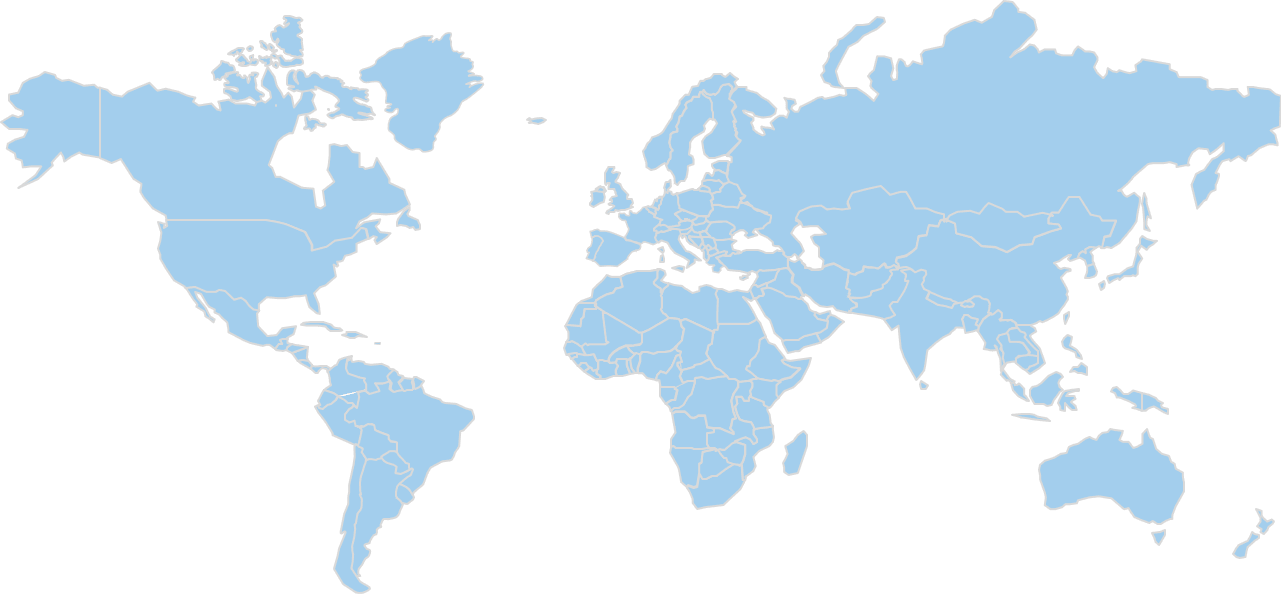
- 01By TypeIsothiazolinone-based · DBNPA-based · Glutaraldehyde-based
- 02By ApplicationWater Treatment · Pulp & Paper · Oil & Gas
- 03By FormLiquid · Solid/Powder · Tablet/Briquette
- 04By FunctionNon-Oxidizing · Oxidizing
- 05By Distribution ChannelDirect/Institutional Sales · Distributors
- 06By Region
Market Analysis & Outlook
Slimicides are specialty biocidal chemicals formulated to control the growth of slime-forming bacteria, fungi and algae that accumulate on process equipment, piping and cooling systems in industrial water circuits. They are supplied as oxidizing and non-oxidizing liquid, powder and tablet formulations and dosed continuously or intermittently into pulp and paper stock systems, cooling water loops, oilfield water handling systems and municipal or industrial water treatment processes. Buyers are industrial operators such as pulp and paper mills, oilfield service and production companies, water treatment plant operators and food and beverage processors who need to prevent biofilm-related fouling, corrosion and product contamination.
Growth of 5.83% a year carries the global slimicides market from USD 1.3 billion in 2025 to USD 2.165 billion in 2034. The full series behind that rate covers USD 0.98 billion in 2020, USD 1.23 billion in 2024, USD 1.375 billion in 2026 and USD 1.725 billion in 2030, with 2025 as the base year.
Composition changes more than the total does. DBNPA-based, at 8.24%, outgrows Glutaraldehyde-based at 3.69%, and its share moves from 22% to 27%. Isothiazolinone-based stays the largest line throughout, at USD 0.442 billion in 2025 and USD 0.71445 billion in 2034. The lines gaining share are DBNPA-based. Isothiazolinone-based, Glutaraldehyde-based, Quaternary Ammonium Compound-based and Others lose share without losing revenue.
By application, Water Treatment accounts for 30% of 2025 revenue at USD 0.39 billion, reaching USD 0.71445 billion and 33% by 2034. Oil & Gas grows faster at 7.35% against 6.96%, moving from 22% of revenue to 25% by 2034. This axis divides the same revenue as the type split instead of adding to it, so the two are read together and never summed.
Geographically, 35% of 2025 revenue sits in Asia Pacific (USD 0.455 billion rising to USD 0.88765 billion) ahead of North America at 27% and USD 0.351 billion. Middle East and Africa is smallest, at 6%. Because Asia Pacific take share, the revenue added by 2034 concentrates instead of spreading across all five regions.
Coverage extends to five regions, five type lines and five segmentation axes over the full fifteen years. The 2025 total itself is triangulated from published sources and category proxies, with no independently sourced count behind it, and the splits below are estimated on that same basis, a bound on their precision worth carrying into any use of them.
Market Size, 2020–2034
USD BillionRevenue in USD Billion. Values up to 2025 are actuals; 2026–2034 are forecast.
Key Takeaways
- Revenue grows from USD 1.3 billion in 2025 to USD 2.165 billion in 2034, a compound annual rate of 5.83%, having reached USD 1.23 billion in 2024 from USD 0.98 billion in 2020.
- 34% of 2025 revenue sits in Isothiazolinone-based (USD 0.442 billion) and it remains the largest type line in 2034 at USD 0.71445 billion and 33%.
- DBNPA-based is the fastest-growing line at 8.24%, lifting its share from 22% in 2025 to 27% in 2034 and its revenue from USD 0.286 billion to USD 0.58455 billion.
- The bull case puts 2034 revenue at USD 2.379 billion and the bear case at USD 1.951 billion, either side of the USD 2.165 billion base case, each with its own stated assumption in the full report.
- Asia Pacific holds 35% of global revenue in 2025 at USD 0.455 billion, the largest of the five regions tracked, and reaches USD 0.88765 billion by 2034.
- China accounts for 45% of Asia Pacific in the base year, worth USD 0.20475 billion in 2025 and reaching USD 0.3994425 billion by 2034, the worked country example carried through that region's chapters.
- The study covers 2020 through 2034 with 2025 as the base year, reporting five regions and five segmentation axes separately, with revenue, share and a growth rate for every line in each year.
Market Trends
Revenue Share, By By Type
Base year 2025Isothiazolinone-based leads with 34.0% of by type segment revenue.
Share of by type segment revenue, most recent base year.
The global slimicides market is shaped over 2026-2034 by three measurable movements: a change in the type mix, a shift in where revenue sits geographically, and the 5.83% rate carrying the total.
The direction of the market is not in question in any of the three. Each line and each region grows in revenue terms; what separates them is which takes the larger part of the growth.
Composition shifts on the type axis. Between 2026 and 2034, 8.24% growth in DBNPA-based against 3.69% in Glutaraldehyde-based pulls the type mix apart. Over the forecast period that moves DBNPA-based from 22% of revenue to 27%, and Glutaraldehyde-based from 18% to 15%. Neither contracts: USD 0.286 billion becomes USD 0.58455 billion, USD 0.234 billion becomes USD 0.32475 billion. What the spread decides is which of them a supplier's revenue is exposed to.
Regional weight shifts toward Asia Pacific. Asia Pacific moves from 35% of revenue in 2025 to 41% in 2034, worth USD 0.455 billion rising to USD 0.88765 billion. The offsetting side is North America at 27% moving to 24%, Europe at 24% moving to 21%, Latin America at 8% moving to 8%, Middle East and Africa at 6% moving to 6%, none of which contracts. Revenue added in this market is therefore concentrating geographically instead of spreading evenly, and a participant weighted toward a share-losing region grows more slowly than the market even while its own revenue climbs.
Growth compounds at 5.83% without a step change. The market moves through USD 0.98 billion in 2020, USD 1.23 billion in 2024, USD 1.3 billion in 2025, USD 1.375 billion in 2026, USD 1.725 billion in 2030 and USD 2.165 billion in 2034. The forecast rate of 5.83% sits against 5.82% over the historical period, so the projection extends an observed trend instead of proposing a new one. That moves the planning question away from timing a turn and onto the type and regional mixes, where the actual movement is.
Market Growth Factors
DBNPA-based adds the most incremental growth
Market Drivers
3- 01DBNPA-based adds the most incremental growth
8.24% growth in DBNPA-based, against 5.83% for the market as a whole, moves it from USD 0.286 billion and 22% of revenue in 2025 to USD 0.58455 billion and 27% in 2034. Because the spread to Glutaraldehyde-based at 3.69% is this wide, the headline 5.83% is a weighted result, not a rate any single line achieves. A portfolio weighted away from it tracks below the market even in a market growing everywhere.
- 02The two largest regions hold most of the base
35% of 2025 revenue (USD 0.455 billion) is generated in Asia Pacific, reaching USD 0.88765 billion by 2034, with share rising to 41%. North America adds a further 27% at USD 0.351 billion, reaching USD 0.5196 billion. Together the two account for the majority of both the 2025 base and the revenue added by 2034, which is why a regional plan treating all five regions at equal weight misreads where the growth actually lands.
- 03The base has grown every year since 2020
USD 0.98 billion in 2020, USD 1.23 billion in 2024 and USD 1.3 billion in 2025: 5.82% compound growth before the forecast period even begins. From there the forecast carries 5.83% through to USD 2.165 billion in 2034. Because the growth is already in the record and not only in the projection, the rate is held flat across the forecast instead of ramped, and the risk in the number sits in the mix assumptions, not in whether the market grows at all.
Growth drivers
| # | Growth driver | Impact | Gross contribution (Billion) | 2026-28 | 2029-31 | 2032-34 |
|---|---|---|---|---|---|---|
| 1 | Expansion of industrial water reuse and recycling | High | +0.24 | Medium | High | High |
| 2 | Pulp and paper capacity growth in Asia Pacific | Medium-High | +0.18 | High | Medium | Medium |
| 3 | Rising produced-water treatment needs in oil and gas | Medium-High | +0.16 | Medium | High | High |
| 4 | Tightening biofouling and cooling-water regulations | Medium | +0.12 | Medium | Medium | High |
| 5 | Shift toward fast-degrading, low-residue chemistries | Medium | +0.09 | Low | Medium | Medium |
| 6 | Others | Low | +0.23 | Medium | Low | Low |
| Total | +1.01 | |||||
Restraints
| # | Restraint | Impact | Estimated reduction (Billion) | 2026-28 | 2029-31 | 2032-34 |
|---|---|---|---|---|---|---|
| 1 | Regulatory restrictions on aldehyde and halogenated chemistries in Europe | Medium | −0.07 | Medium | Medium | High |
| 2 | Volatility in specialty chemical input pricing | Medium | −0.05 | High | Medium | Low |
| 3 | Adoption of non-chemical biofilm control technologies | Low | −0.03 | Low | Low | Medium |
| Total | −0.15 | |||||
Drivers contribute 1.01 Billion and restraints remove 0.15 Billion, a net 0.86 Billion, which is the revenue the market adds between the base year and 2034. Contributions are CDI estimates, apportioned so that they reconcile with the forecast rather than being read from it.
The 5.83% forecast rate rests on three things that can be measured separately: the size of the existing base, the mix shift on the type axis, and where regional growth is concentrated.
Restraining Factors
Downside case: USD 1.951 billion by 2034, against USD 2.165 billion in the base case
Market Restraints
2- 01Downside case: USD 1.951 billion by 2034, against USD 2.165 billion in the base case
Bear case assumes a sharper regulatory restriction on aldehyde and halogenated chemistries in Europe combined with slower-than-expected oilfield water-management activity that delays produced-water treatment demand. On that assumption 2034 revenue lands at USD 1.951 billion against the USD 2.165 billion base case, from the same USD 1.3 billion 2025 starting point.
- 02The largest line is not the fastest
With 34% of 2025 revenue (USD 0.442 billion) Isothiazolinone-based is where most of the market sits, and it grows at only 5.49% against the market's 5.83%. Revenue still reaches USD 0.71445 billion by 2034 and share still falls to 33%: a drag on the average, not a decline.
Market Opportunities
Upside case: USD 2.379 billion by 2034
Market Opportunities
2- 01Upside case: USD 2.379 billion by 2034
Bull case assumes faster-than-expected pulp and paper capacity growth in Asia Pacific combined with an accelerated shift toward non-oxidizing chemistries that lifts average realized pricing above the base case. On that assumption the market reaches USD 2.379 billion by 2034 against USD 2.165 billion in the base case, from the same USD 1.3 billion in 2025.
- 02DBNPA-based is where share changes hands
DBNPA-based grows at 8.24% against 5.83% for the market, adding revenue from USD 0.286 billion in 2025 to USD 0.58455 billion in 2034 and taking its share from 22% to 27%. It is the place on this axis where share changes hands at scale, so it is where an entrant can take position without displacing the incumbent in Isothiazolinone-based.
Market Challenges
Revenue is concentrated in Isothiazolinone-based
Market Challenges
2- 01Revenue is concentrated in Isothiazolinone-based
With 34% of 2025 revenue and 33% of 2034 revenue (USD 0.442 billion rising to USD 0.71445 billion) Isothiazolinone-based is where the market's exposure sits. A market leaning this heavily on one type line concentrates its exposure there, and a shift in demand for that line moves the total more than any other single change on the axis.
- 02Asia Pacific is largely China
Of Asia Pacific's USD 0.455 billion in 2025, USD 0.20475 billion (45%) comes from China alone, rising to USD 0.3994425 billion by 2034. Regional totals therefore move largely with one country's demand, so a regional forecast is more exposed to single-country conditions than its size alone suggests.
Segmentation Analysis
5 axesfive segmentation axes are reported; by type, by application, form, function and distribution channel. Every one of them divides the same revenue, which makes them views of one market from different commercial angles, not components of it.
There are five lines on the type axis, and all of them grow in revenue between 2025 and 2034. What separates them is share: one gains it, the rest give it up.
By Type · 5 segments
Scale in Isothiazolinone-based and Growth in DBNPA-based Define the Type Axis
- Largest Isothiazolinone-based · 34%
- Fastest DBNPA-based · 8.2%
- Moves most DBNPA-based · +5 pts
- Order by 2034 changes
| Segment | 2025 | Share | 2034 | Share | CAGR |
|---|---|---|---|---|---|
| Isothiazolinone-based | $0.44B | 34% | $0.71B | 33%-1 | 5.5% |
| DBNPA-based | $0.29B | 22% | $0.58B | 27%+5 | 8.2% |
| Glutaraldehyde-based | $0.23B | 18% | $0.32B | 15%-3 | 3.7% |
| Quaternary Ammonium Compound-based | $0.21B | 16% | $0.35B | 16% | 5.8% |
| Others | $0.13B | 10% | $0.19B | 9%-1 | 4.6% |
Isothiazolinone-based chemistries lead because they offer broad-spectrum control at low dose rates across pulp and paper and water treatment systems without the handling restrictions attached to older aldehyde chemistries. DBNPA-based products are growing fastest as operators favor its fast degradation profile and compatibility with tightening discharge and worker-exposure requirements in oilfield and industrial water applications. Isothiazolinone-based remains the largest line through 2034, so the axis changes in proportion, not in order. Every year of the series is priced on this axis, making it the reference cut for the rest of the report.
By Application · 5 segments
Water Treatment Held the Dominant Share of the Application Segment in 2025
- Largest Water Treatment · 30%
- Fastest Oil & Gas · 7.3%
- Moves most Pulp & Paper · -4 pts
- Order by 2034 changes
| Segment | 2025 | Share | 2034 | Share | CAGR |
|---|---|---|---|---|---|
| Water Treatment | $0.39B | 30% | $0.71B | 33%+3 | 7% |
| Pulp & Paper | $0.36B | 28% | $0.52B | 24%-4 | 4% |
| Oil & Gas | $0.29B | 22% | $0.54B | 25%+3 | 7.3% |
| Sugar & Ethanol Processing | $0.16B | 12% | $0.24B | 11%-1 | 4.8% |
| Others | $0.10B | 8% | $0.15B | 7%-1 | 4.3% |
Water treatment leads because it draws demand from the broadest base of municipal and industrial accounts requiring continuous biofouling control. Oil and gas is the fastest-growing application as expanding produced-water handling and reuse in unconventional operations increases the volume of water requiring slime and biofilm control before reinjection or discharge. Water Treatment remains the largest line through 2034, so the axis changes in proportion, not in order.
By Form · 3 segments
Liquid Held the Dominant Share of the Form Segment in 2025
- Largest Liquid · 68%
- Fastest Tablet/Briquette · 7%
- Moves most Liquid · -2 pts
- Order by 2034 unchanged
| Segment | 2025 | Share | 2034 | Share | CAGR |
|---|---|---|---|---|---|
| Liquid | $0.88B | 68% | $1.43B | 66%-2 | 5.5% |
| Solid/Powder | $0.29B | 22% | $0.50B | 23%+1 | 6.4% |
| Tablet/Briquette | $0.13B | 10% | $0.24B | 11%+1 | 7% |
Liquid formulations lead because continuous industrial dosing systems are built around liquid feed equipment, making liquid the default purchase for large accounts. Tablet and briquette formats are growing fastest as smaller and decentralized water treatment operators favor their simpler handling, storage and transport over bulk liquid delivery. By 2034 Liquid is still ahead, making this a shift in weight, not a change of leader.
By Function · 2 segments
Oxidizing Outpaces the Axis While Non-Oxidizing Holds the Largest Share
- Largest Non-Oxidizing · 72%
- Fastest Oxidizing · 6.6%
- Moves most Non-Oxidizing · -2 pts
- Order by 2034 unchanged
| Segment | 2025 | Share | 2034 | Share | CAGR |
|---|---|---|---|---|---|
| Non-Oxidizing | $0.94B | 72% | $1.52B | 70%-2 | 5.5% |
| Oxidizing | $0.36B | 28% | $0.65B | 30%+2 | 6.6% |
Non-oxidizing chemistries lead because they are compatible with a wider range of metallic and non-metallic system components without the corrosion risk associated with oxidizing agents, making them the default choice in closed-loop industrial systems. Oxidizing chemistries are growing fastest as operators in high-volume once-through cooling and pulp mill systems seek lower per-treatment cost. By 2034 Non-Oxidizing is still ahead, making this a shift in weight, not a change of leader.
By Distribution Channel · 2 segments
Direct/Institutional Sales Held the Dominant Share of the Distribution channel Segment in 2025
- Largest Direct/Institutional Sales · 58%
- Fastest Distributors · 6.6%
- Moves most Direct/Institutional Sales · -3 pts
- Order by 2034 unchanged
| Segment | 2025 | Share | 2034 | Share | CAGR |
|---|---|---|---|---|---|
| Direct/Institutional Sales | $0.75B | 58% | $1.19B | 55%-3 | 5.2% |
| Distributors | $0.55B | 42% | $0.97B | 45%+3 | 6.6% |
Direct sales lead because large pulp and paper, oil and gas and water treatment accounts negotiate supply directly with manufacturers for technical support and consistent formulation quality. Distributors are growing fastest as manufacturers extend reach into smaller regional water treatment and food processing accounts, particularly across emerging markets, that direct sales forces do not economically serve. By 2034 Direct/Institutional Sales is still ahead, making this a shift in weight, not a change of leader.
Regional Insights
Regional Revenue Share
Base year 2025Share of global revenue in the base year.
Only the leading region's share is published outside the report; pins mark the region, not a specific country.
North America Market Analysis
The 2nd-largest region covered — 3 points of share move elsewhere by 2034.
- Rank 2 of 5
- 2025 share 27%
- By 2034 24%
- Revenue $0.35B → $0.52B
North America holds 27% of the global slimicides market in 2025, worth USD 0.351 billion on the way to USD 0.5196 billion by 2034. By revenue it sits second across the study, and the ranking does not change between 2025 and 2034.
Its share moves to 24% by 2034, though revenue still rises throughout; the shift is in the region's weight against faster-growing ones, which is not the same as weakening demand.
Isothiazolinone-based leads here as it does globally, at 34% of 2025 revenue, and DBNPA-based again grows fastest at 8.24%. Revenue for North America is broken out by every segmentation axis and by country in the full report.
United States
Sets the pace for North America at 78% of it, growing 1.5×.
- In region 1 of 2
- Of region 78%
- Of global 21.1%
- Revenue $0.27B → $0.41B
USD 0.27378 billion of North America's 2025 revenue is generated in the United States, the region's largest market, reaching USD 0.405288 billion by 2034. 78% of the region in 2025 means the regional figures are, in practice, a view of this market with others attached. Set against USD 0.351 billion and USD 0.5196 billion for the region, it is why this market, and not a smaller one, is the one reported in full.
The type pattern in the United States is the global one: 34% of 2025 revenue in Isothiazolinone-based, 33% by 2034, against 8.24% growth in DBNPA-based taking it from 22% to 27%. With 78% of North America concentrated here, a change in this country's mix is visible in the regional figures instead of being diluted by its neighbours. The United States carries its own type breakdown in the full report.
In the United States, slimicides are classified as antimicrobial pesticides and fall under the authority of the Environmental Protection Agency through the Federal Insecticide, Fungicide, and Rodenticide Act. A supplier must register each formulation with the EPA's Office of Pesticide Programs before it can be sold or distributed, submitting efficacy and toxicology data that support the claimed use pattern. The approved label becomes a legal document: it must state the registered uses, precautionary language, and application rates exactly as accepted by the agency, and any change to the formulation or claims requires a new or amended registration. Individual states may add their own registration or reporting requirements on top of the federal approval before a product can be marketed within their borders.
The United States does not have a competitive structure of its own; position here is position on the type axis reported above. Volume sits in Isothiazolinone-based at 34% of 2025 revenue; movement sits in DBNPA-based at 8.24% growth. The full report covers country-level positioning and shares company by company; this summary does not.
Canada
2nd-largest in North America, growing 1.5×.
- In region 2 of 2
- Of region 15%
- Of global 4%
- Revenue $0.05B → $0.08B
Within North America, Canada accounts for 15% of regional revenue and 4.05% of the global total, worth USD 0.05265 billion in 2025 and USD 0.07794 billion by 2034.
Europe Market Analysis
The 3rd-largest region covered — 3 points of share move elsewhere by 2034.
- Rank 3 of 5
- 2025 share 24%
- By 2034 21%
- Revenue $0.31B → $0.45B
Europe holds 24% of the global slimicides market in 2025, worth USD 0.312 billion and reaches USD 0.45465 billion by 2034. By revenue it sits third across the study, and the ranking does not change between 2025 and 2034.
Share settles at 21% in 2034, while nothing contracts here; other regions simply grow faster, which shows up as relative weight, not as falling revenue.
Segment composition follows the global pattern: Isothiazolinone-based largest at 34% of 2025 revenue, DBNPA-based fastest at 8.24%. Per-axis and per-country detail for Europe sits in the full report.
Germany
The largest market in Europe, growing 1.5×.
- In region 1 of 2
- Of region 30%
- Of global 7.2%
- Revenue $0.09B → $0.14B
30% of Europe's base-year revenue comes from Germany; USD 0.0936 billion, rising to USD 0.136395 billion by 2034. At 30% of the region in 2025 it leads, but a majority of Europe's revenue is generated in other markets. Set against USD 0.312 billion and USD 0.45465 billion for the region, it is why this market, and not a smaller one, is the one reported in full.
The type pattern in Germany is the global one: 34% of 2025 revenue in Isothiazolinone-based, 33% by 2034, against 8.24% growth in DBNPA-based taking it from 22% to 27%. Since 30% of Europe's revenue is generated here, the regional numbers inherit this market's mix instead of smoothing it out. Per-type revenue for Germany appears on its own in the full report.
In Germany, slimicide products are governed by the EU Biocidal Products Regulation, which treats microbial slime control agents as a distinct product type requiring authorization before sale. A manufacturer must submit an active substance and product dossier for evaluation, with Germany's competent authority, the Federal Institute for Occupational Safety and Health, assessing efficacy, human safety, and environmental fate as part of the mutual recognition process across member states. Once authorized, the label must disclose the active substance, hazard classification under the CLP framework, and permitted conditions of use. Safety data sheets must accompany commercial supply, and any claim beyond the authorized scope of use is not permitted.
Competition in Germany is decided on the type axis rather than on geography, since suppliers here sell into the same type lines reported globally. Two different problems sit on the same axis: holding Isothiazolinone-based at 34% of 2025 revenue, and taking DBNPA-based while it grows at 8.24%. The commercial size of that position is USD 0.312 billion in 2025, moving to USD 0.45465 billion by 2034 across the forecast period.
United Kingdom
2nd-largest in Europe, growing 1.5×.
- In region 2 of 2
- Of region 18%
- Of global 4.3%
- Revenue $0.06B → $0.08B
Within Europe, the United Kingdom accounts for 18% of regional revenue and 4.32% of the global total, worth USD 0.05616 billion in 2025 and USD 0.081837 billion by 2034.
Asia Pacific Market Analysis
The largest region covered, and the one gaining the most — it picks up 6 points of share by 2034, while revenue still grows 2.0×.
- Rank 1 of 5
- 2025 share 35%
- By 2034 41%
- Revenue $0.46B → $0.89B
35% of the global slimicides market sits in Asia Pacific in 2025, worth USD 0.455 billion with USD 0.88765 billion projected for 2034. By revenue it sits first across the study, and the ranking does not change between 2025 and 2034.
By 2034 the share has moved up to 41%, at a pace above the 5.83% global rate, so this region warrants separate treatment and should not be scaled off the total.
Within the region the type split tracks the global one; 34% of 2025 revenue in Isothiazolinone-based, fastest growth of 8.24% in DBNPA-based. Asia Pacific is reported axis by axis and country by country in the full study.
China
The largest market in Asia Pacific, growing 2.0×.
- In region 1 of 3
- Of region 45%
- Of global 15.8%
- Revenue $0.20B → $0.40B
The largest single market in Asia Pacific is China, at USD 0.20475 billion in 2025 and USD 0.3994425 billion in 2034. At 45% of the region in 2025 it leads, but a majority of Asia Pacific's revenue is generated in other markets. Regional revenue of USD 0.455 billion in 2025 and USD 0.88765 billion in 2034 sits around it, and it is the country used wherever the full report cuts a figure by geography.
Demand in China follows the type mix reported at global level: Isothiazolinone-based is the largest line at 34% of 2025 revenue, moving to 33% by 2034, while DBNPA-based grows fastest at 8.24% and takes its share from 22% to 27%. Its 45% weight in Asia Pacific means those movements carry straight into the regional totals. China carries its own type breakdown in the full report.
In China, slimicides intended for industrial water treatment and paper manufacturing are administered through the national pesticide registration system overseen by the Ministry of Agriculture and Rural Affairs, working through its Institute for Control of Agrochemicals. A supplier must register the active ingredient and finished formulation before import or domestic sale, providing efficacy and safety data appropriate to the intended use. Registered products receive an approval that must be reflected on the label, including the scope of permitted application and any handling precautions. Formulations that also fall under hazardous chemical rules face parallel obligations for storage, transport, and workplace safety documentation administered by China's emergency management authorities.
China does not have a competitive structure of its own; position here is position on the type axis reported above. Two different problems sit on the same axis: holding Isothiazolinone-based at 34% of 2025 revenue, and taking DBNPA-based while it grows at 8.24%. The commercial size of that position is USD 0.455 billion in 2025, moving to USD 0.88765 billion by 2034 across the forecast period.
India
2nd-largest in Asia Pacific, growing 2.0×.
- In region 2 of 3
- Of region 20%
- Of global 7%
- Revenue $0.09B → $0.18B
India is sized at USD 0.091 billion in 2025, rising to USD 0.17753 billion by 2034; 7% of global revenue and 20% of Asia Pacific. It is reported separately from China across every segmentation axis in the full report.
Japan
3rd-largest in Asia Pacific, growing 2.0×.
- In region 3 of 3
- Of region 15%
- Of global 5.3%
- Revenue $0.07B → $0.13B
Within Asia Pacific, Japan accounts for 15% of regional revenue and 5.25% of the global total, worth USD 0.06825 billion in 2025 and USD 0.1331475 billion by 2034.
Latin America Market Analysis
The 4th-largest region covered, holding its share flat through 2034, while revenue still grows 1.7×.
- Rank 4 of 5
- 2025 share 8%
- By 2034 8%
- Revenue $0.10B → $0.17B
8% of the global slimicides market sits in Latin America in 2025, worth USD 0.104 billion on the way to USD 0.1732 billion by 2034. That makes it the fourth-largest region covered, in 2025 and again in 2034.
By 2034 the share stands at 8%, though revenue still rises throughout; the shift is in the region's weight against faster-growing ones, which is not the same as weakening demand.
Within the region the type split tracks the global one; 34% of 2025 revenue in Isothiazolinone-based, fastest growth of 8.24% in DBNPA-based. Per-axis and per-country detail for Latin America sits in the full report.
Brazil
The largest market in Latin America, growing 1.7×.
- In region 1 of 2
- Of region 50%
- Of global 4%
- Revenue $0.05B → $0.09B
The largest single market in Latin America is Brazil, at USD 0.052 billion in 2025 and USD 0.0866 billion in 2034. It accounts for 50% of regional revenue in the base year, the largest single share without dominating the region outright. The region itself runs USD 0.104 billion to USD 0.1732 billion over the same period, and this is the market carrying the country-level detail in the full report.
Brazil buys along the same lines as the market globally; Isothiazolinone-based first at 34% of 2025 revenue and 33% in 2034, DBNPA-based fastest at 8.24% on a share moving from 22% to 27%. Because the country carries 50% of Latin America, a movement in its own mix shows up in the regional totals instead of being averaged away by neighbouring markets. Brazil carries its own type breakdown in the full report.
In Brazil, slimicides fall under the saneante framework administered by the national health surveillance agency, Anvisa, which treats antimicrobial products used to control slime-forming organisms in industrial systems as sanitizing agents requiring prior registration. A supplier must demonstrate product efficacy and submit toxicological information before a formulation can be marketed, and the approved label must state the registered use, active ingredients, and handling precautions in Portuguese. Where a slimicide is applied in agricultural or forestry water systems instead of purely industrial ones, the environmental agency Ibama and the agriculture ministry become joint reviewers, adding their own conformity requirements before the same product can be sold for that setting.
What separates suppliers in Brazil is where they sit on the type axis, not which country they serve. Two different problems sit on the same axis: holding Isothiazolinone-based at 34% of 2025 revenue, and taking DBNPA-based while it grows at 8.24%. A supplier weighted toward Latin America is competing over a base of USD 0.104 billion in 2025 reaching USD 0.1732 billion by 2034, 8% of global revenue at the start of that period.
Mexico
2nd-largest in Latin America, growing 1.7×.
- In region 2 of 2
- Of region 25%
- Of global 2%
- Revenue $0.03B → $0.04B
2% of global revenue is generated in Mexico; USD 0.026 billion in 2025, reaching USD 0.0433 billion in 2034, and 25% of Latin America.
Middle East and Africa Market Analysis
The 5th-largest region covered, holding its share flat through 2034, while revenue still grows 1.7×.
- Rank 5 of 5
- 2025 share 6%
- By 2034 6%
- Revenue $0.08B → $0.13B
Middle East and Africa holds 6% of the global slimicides market in 2025, worth USD 0.078 billion with USD 0.1299 billion projected for 2034. That makes it the fifth-largest region covered, in 2025 and again in 2034.
By 2034 the share stands at 6%, and the region keeps growing in absolute terms while others expand faster, a change in relative weight, not a decline in demand.
Segment composition follows the global pattern: Isothiazolinone-based largest at 34% of 2025 revenue, DBNPA-based fastest at 8.24%. Per-axis and per-country detail for Middle East and Africa sits in the full report.
Saudi Arabia
The largest market in Middle East and Africa, growing 1.7×.
- In region 1 of 2
- Of region 40%
- Of global 2.4%
- Revenue $0.03B → $0.05B
USD 0.0312 billion of Middle East and Africa's 2025 revenue is generated in Saudi Arabia, the region's largest market, reaching USD 0.05196 billion by 2034. Its 40% of base-year regional revenue leads the region, though enough sits elsewhere that Middle East and Africa is not a proxy for it. The region itself runs USD 0.078 billion to USD 0.1299 billion over the same period, and this is the market carrying the country-level detail in the full report.
Demand in Saudi Arabia follows the type mix reported at global level: Isothiazolinone-based is the largest line at 34% of 2025 revenue, moving to 33% by 2034, while DBNPA-based grows fastest at 8.24% and takes its share from 22% to 27%. With 40% of Middle East and Africa concentrated here, a change in this country's mix is visible in the regional figures instead of being diluted by its neighbours. Saudi Arabia carries its own type breakdown in the full report.
In Saudi Arabia, slimicides are regulated as biocidal chemical products under the national conformity system overseen by the Saudi Standards, Metrology and Quality Organization, working alongside the Ministry of Environment, Water and Agriculture for products used in water treatment. A supplier must register the formulation and demonstrate conformity with applicable Gulf technical standards before import or sale is permitted, including proper hazard classification and safety data documentation. Labelling must appear in Arabic alongside any other language, stating the active substance, intended use, and safety precautions. Products supplied for use in municipal or industrial water systems may also require clearance tied to water quality standards administered by the relevant water authority.
What separates suppliers in Saudi Arabia is where they sit on the type axis, not which country they serve. Two different problems sit on the same axis: holding Isothiazolinone-based at 34% of 2025 revenue, and taking DBNPA-based while it grows at 8.24%. The commercial size of that position is USD 0.078 billion in 2025 and USD 0.1299 billion by 2034, 6% of the global total in the base year.
South Africa
2nd-largest in Middle East and Africa, growing 1.7×.
- In region 2 of 2
- Of region 25%
- Of global 1.5%
- Revenue $0.02B → $0.03B
South Africa is sized at USD 0.0195 billion in 2025, rising to USD 0.032475 billion by 2034; 1.5% of global revenue and 25% of Middle East and Africa. It is reported separately from Saudi Arabia across every segmentation axis in the full report.
Request this sample to see the full data tables and segment-level detail behind this analysis.
Report Coverage
This report assesses the market across every segment, with revenue and a growth rate for each line in each year of the study period. It covers the drivers, trends, opportunities, restraints and challenges shaping growth, the competitive landscape and the companies profiled, and the research methodology behind every estimate. Segmentation is reported by Type, Application, Form, Function, Distribution Channel, and regional analysis covers North America, Europe, Asia Pacific, Latin America, Middle East and Africa, each broken out by country.
Competitive Landscape
Suppliers Compete on Isothiazolinone-based Volume and DBNPA-based Momentum
Where suppliers actually compete is along the type axis. Isothiazolinone-based is 34% of 2025 revenue at USD 0.442 billion and still 33% in 2034, so it is where the volume sits and where an incumbent's position is hardest to move. The line that changes hands is DBNPA-based at 8.24%, well ahead of Glutaraldehyde-based at 3.69%. Holding the first and taking the second are separate capabilities, which is why a market of USD 1.3 billion supports as many suppliers as it does.
Suppliers differentiate mainly on biocide active manufacturing and regulatory registration scale, since maintaining approvals across multiple chemistries and geographies is capital-intensive and slow to replicate. Formulation expertise matched to a customer's specific water chemistry, plus technical service intensity such as on-site dosing support, decides contracts at large pulp and paper, oil and gas and water treatment accounts. The largest diversified chemical suppliers compete on breadth of chemistry portfolio, spanning oxidizing and non-oxidizing options, and on multi-country regulatory coverage. Smaller and regional suppliers compete on price, channel proximity and responsiveness for accounts too small for direct manufacturer coverage.
Geographic reach is the other axis of competition. Asia Pacific alone accounts for 35% of 2025 revenue, so a supplier absent there is absent from the largest part of the market whatever its position elsewhere; North America adds a further 27%.
Per-company profiles, financials, share and development history are in the full report and not here.
List of Key Slimicides Market Companies Profiled
10 companies profiled. Company profiles, including financials, product portfolios and recent developments, are part of the full report.
- Solenis(United States)
- Kemira(Finland)
- Buckman Laboratories(United States)
- Lonza(Switzerland)
- BASF(Germany)
- LANXESS(Germany)
- Troy Corporation(United States)
- Ecolab(United States)
- Thermax(India)
- ChemTreat(United States)
Geographic Coverage
Every market below is broken out separately in the report.
North America
3Europe
8Asia Pacific
12Latin America
3Middle East and Africa
4Key Insights
Report Scope
Study parameters & segmentationThis study covers market size and forecasts over the 2020–2034 period, segmentation across 5 axes (Type, Application, Form, Function, Distribution Channel), regional analysis for 5 regions and their constituent countries, a competitive landscape profiling 10 key companies, and the research methodology behind every estimate.
Segmentation
5 axes + regionQuestions This Report Answers
6 questionsWhat is the market size and growth rate, globally and by region?
How is the market segmented, and which segments lead?
Which regions and countries are covered, and how do they compare?
What are the key drivers, restraints, opportunities and challenges?
Who are the leading companies operating in this market?
What trends are expected to shape the market through the forecast period?
Frequently Asked Questions
01What is the Slimicides Market projected to reach?
USD 2.165 Billion by 2034, CAGR 5.83%
02What years does this report cover?
Study period 2020–2034, base year 2025, historical data 2020-2024, forecast period 2026-2034.
03Which regions are covered?
North America, Europe, Asia Pacific, Latin America, Middle East and Africa.
04Which region accounted for the largest market share?
Asia Pacific leads with 35% of global revenue through 2034.
05Which segment leads the market?
Isothiazolinone-based is the largest line by Type, at 34% of revenue in 2025.
06Who are the key companies profiled?
Solenis, Kemira, Buckman Laboratories, Lonza, BASF, LANXESS, Troy Corporation, Ecolab, Thermax, ChemTreat. Full profiles are part of the paid report.
07Can the segmentation be customized?
Yes. Custom data cuts by geography, segment, or competitor set are available on request.
Why choose CDI
Need this report shaped around your question?
The scope isn't fixed. Tell us what your team needs that the standard edition doesn't cover, and an analyst will come back on what can be adjusted and how long it takes, before you commit to anything.
Most licences include 30–60 hours of customization at no extra cost. See what each licence includes
Additional Companies
Add competitors, suppliers or the peer set you benchmark against to the companies already covered.
Deeper Competitive View
Sharpen the landscape work around your own position: product line, channel, or a named shortlist of rivals.
Extra Segment Splits
Break the market down along an axis the standard scope doesn't cut it by, or go a level deeper inside one.
Application Focus
Narrow the analysis to the specific use cases and end users your team actually sells into.
Different Time Frame
Move the base year, or widen the historical and forecast windows the study is built on.
Country-Level Detail
Go below region level into the individual countries that matter to you, rather than the standard geography split.