
Rail Wheel And Axle MarketSize, Share & Industry Analysis, 2026-2034By TypeBy ApplicationBy Vehicle TypeBy End UserBy Material
Full title & scope — all 5 axes with their segments
Rail Wheel And Axle Market Size, Share & Industry Analysis, By Type (Rolled Wheels & Axles for Railways, Forged Wheels & Axles for Railways), By Application (Unit Trains, Mixed Freight Trains, Intermodal Trains), By Vehicle Type (Freight Wagons, Locomotives, Passenger Coaches, High-Speed Trains), By End User (OEM, Aftermarket/MRO), By Material (Alloy Steel, Carbon Steel), and Regional Forecast, 2026-2034
Market outlook, key takeaways, drivers and challenges for the report period.
- 01By TypeRolled Wheels & Axles for Railways · Forged Wheels & Axles for Railways
- 02By ApplicationUnit Trains · Mixed Freight Trains · Intermodal Trains
- 03By Vehicle TypeFreight Wagons · Locomotives · Passenger Coaches
- 04By End UserOEM · Aftermarket/MRO
- 05By MaterialAlloy Steel · Carbon Steel
- 06By Region
Market Analysis & Outlook
Rail wheels and axles are the forged or rolled steel components that form the wheelsets carrying locomotives, freight wagons, passenger coaches and high-speed trainsets along the rail. They are supplied either as original equipment to rolling stock builders during new vehicle construction or as replacement components to rail operators and maintenance depots during scheduled overhaul. Buyers include locomotive and wagon manufacturers, national and regional rail operators, and independent maintenance and repair facilities responsible for keeping rolling stock in service.
The global rail wheel and axle market stood at USD 5.06 billion in 2025. A forecast-period rate of 5.59% takes it to USD 8.19 billion by 2034, and the study reports every year in between, passing USD 3.8 billion in 2020, USD 4.78 billion in 2024, USD 5.3 billion in 2026 and USD 6.57 billion in 2030.
On the type axis, growth rates run from 4.78% for Rolled Wheels & Axles for Railways up to 6.73% for Forged Wheels & Axles for Railways. Rolled Wheels & Axles for Railways carries the volume: USD 3.06 billion and 60.47% of revenue in 2025, USD 4.62 billion and 56.41% in 2034. The lines gaining share are Forged Wheels & Axles for Railways. Rolled Wheels & Axles for Railways lose share without losing revenue.
The application split puts Mixed Freight Trains first, at USD 2.28 billion and 45.06% of revenue in 2025, rising to USD 3.28 billion and 40.05% in 2034. Intermodal Trains grows faster at 9.87% against 4.12%, moving from 24.9% of revenue to 35.9% by 2034. It cuts the same total as the type axis from a different commercial angle, so revenue does not add across the two.
The regional order runs from Asia Pacific at 37.55% of 2025 revenue down to Middle East and Africa at 6.32%. Asia Pacific is worth USD 1.9 billion in 2025 and USD 3.28 billion in 2034; Europe, second at 27.87%, moves from USD 1.41 billion to USD 2.13 billion. Because Asia Pacific, Latin America and Middle East and Africa take share, the revenue added by 2034 concentrates instead of spreading across all five regions.
The 2025 total is arrived at by triangulating published aggregates against category proxies, not by an independent count. Segment, regional and country splits are estimated on the same basis, which bounds the precision of the figures above. Coverage runs to five regions, two type lines and five segmentation axes across a fifteen-year window.
Market Size, 2020–2034
USD BillionRevenue in USD Billion. Values up to 2025 are actuals; 2026–2034 are forecast.
Key Takeaways
- A forecast-period rate of 5.59% takes the market from USD 5.06 billion in 2025 to USD 8.19 billion in 2034, against 5.89% recorded over the 2020-2025 historical period.
- Rolled Wheels & Axles for Railways is the largest type line at USD 3.06 billion in 2025, a 60.47% share, reaching USD 4.62 billion and 56.41% of revenue by 2034.
- Forged Wheels & Axles for Railways is the fastest-growing line at 6.73%, lifting its share from 39.53% in 2025 to 43.59% in 2034 and its revenue from USD 2 billion to USD 3.57 billion.
- The bull case puts 2034 revenue at USD 9.19 billion and the bear case at USD 7.14 billion, either side of the USD 8.19 billion base case, each with its own stated assumption in the full report.
- Asia Pacific holds 37.55% of global revenue in 2025 at USD 1.9 billion, the largest of the five regions tracked, and reaches USD 3.28 billion by 2034.
- 50% of Asia Pacific's base-year revenue comes from China alone: USD 0.95 billion in 2025, rising to USD 1.64 billion by 2034, which is why it is that region's worked example.
- The study covers 2020 through 2034 with 2025 as the base year, reporting five regions and five segmentation axes separately, with revenue, share and a growth rate for every line in each year.
Market Trends
Revenue Share, By By Type
Base year 2025Rolled Wheels & Axles for Railways leads with 60.5% of by type segment revenue.
Share of by type segment revenue, most recent base year.
Three things move over 2026-2034, and they are worth separating: the type mix, the regional balance, and the 5.59% compounding underneath both.
All three are changes in mix, not in direction: nothing contracts, and the movement is in which lines and regions absorb the new revenue.
The type mix tilts toward Forged Wheels & Axles for Railways. 6.73% against 4.78%: that gap, between Forged Wheels & Axles for Railways and Rolled Wheels & Axles for Railways, is the largest on the type axis. Over the forecast period that moves Forged Wheels & Axles for Railways from 39.53% of revenue to 43.59%, and Rolled Wheels & Axles for Railways from 60.47% to 56.41%. In absolute terms Forged Wheels & Axles for Railways rises from USD 2 billion to USD 3.57 billion, while Rolled Wheels & Axles for Railways rises from USD 3.06 billion to USD 4.62 billion. Both grow; the gap is wide enough to reshape the mix inside a single forecast window.
The regional balance moves. Asia Pacific moves from 37.55% of revenue in 2025 to 40.05% in 2034, worth USD 1.9 billion rising to USD 3.28 billion; Latin America moves from 8.3% of revenue in 2025 to 9.04% in 2034, worth USD 0.42 billion rising to USD 0.74 billion; Middle East and Africa moves from 6.32% of revenue in 2025 to 6.96% in 2034, worth USD 0.32 billion rising to USD 0.57 billion. The remaining regions grow in absolute terms while giving up share: Europe at 27.87% moving to 26.01%, North America at 19.96% moving to 17.95%. Revenue added in this market is therefore concentrating geographically instead of spreading evenly, and a participant weighted toward a share-losing region grows more slowly than the market even while its own revenue climbs.
Growth compounds at 5.59% without a step change. Reading the series: USD 3.8 billion in 2020, USD 4.78 billion in 2024, USD 5.06 billion in 2025, USD 5.3 billion in 2026, USD 6.57 billion in 2030 and USD 8.19 billion in 2034. There is no discontinuity to time, and 5.59% forecast growth against 5.89% historical means the trend continues and does not turn. That moves the planning question away from timing a turn and onto the type and regional mixes, where the actual movement is.
Market Growth Factors
Growth is concentrated in Forged Wheels & Axles for Railways
Market Drivers
3- 01Growth is concentrated in Forged Wheels & Axles for Railways
At 6.73% against a market rate of 5.59%, Forged Wheels & Axles for Railways is the line pulling the average up: USD 2 billion to USD 3.57 billion, and 39.53% of revenue to 43.59%. Because the spread to Rolled Wheels & Axles for Railways at 4.78% is this wide, the headline 5.59% is a weighted result, not a rate any single line achieves. That makes position on the type axis a growth decision, not a product one.
- 02The two largest regions hold most of the base
Asia Pacific is the largest region at USD 1.9 billion in 2025, 37.55% of global revenue, and reaches USD 3.28 billion by 2034 on a share rising to 40.05%. Behind it, Europe holds 27.87%; USD 1.41 billion rising to USD 2.13 billion. Between them they hold most of the base and most of the revenue added over the period, so equal-weighting the regions in a plan misstates where the growth is.
- 03The base has grown every year since 2020
Revenue rose through USD 3.8 billion in 2020, USD 4.78 billion in 2024 and USD 5.06 billion in 2025, a compound 5.89% across the historical period. The forecast period then runs at 5.59%, ending 2034 at USD 8.19 billion. A forecast extending an observed trend is a different proposition from one proposing a turn, and that is why no ramp is applied: the 5.59% runs evenly across the period.
Growth drivers
| # | Growth driver | Impact | Gross contribution (Billion) | 2026-28 | 2029-31 | 2032-34 |
|---|---|---|---|---|---|---|
| 1 | Aging freight wagon fleet replacement cycle | High | +1.1 | High | High | Medium |
| 2 | Expansion of high-speed and passenger rail networks | High | +0.85 | Medium | High | High |
| 3 | Growth in intermodal and containerized freight volumes | Medium-High | +0.62 | Medium | High | High |
| 4 | Heavy-haul and mining rail corridor investment | Medium | +0.48 | Medium | Medium | Medium |
| 5 | Aftermarket wheel and axle replacement from extended fleet service life | Medium | +0.35 | Low | Medium | Medium |
| 6 | Others | Low | +0.25 | Low | Low | Low |
| Total | +3.65 | |||||
Restraints
| # | Restraint | Impact | Estimated reduction (Billion) | 2026-28 | 2029-31 | 2032-34 |
|---|---|---|---|---|---|---|
| 1 | Steel input cost volatility delaying OEM orders | Medium | −0.25 | Medium | Medium | Low |
| 2 | Longer wheel and axle service life from improved metallurgy | Medium | −0.18 | Low | Medium | Medium |
| 3 | Rail capital budget constraints in emerging markets | Low | −0.09 | Medium | Low | Low |
| Total | −0.52 | |||||
Drivers contribute 3.65 Billion and restraints remove 0.52 Billion, a net 3.13 Billion, which is the revenue the market adds between the base year and 2034. Contributions are CDI estimates, apportioned so that they reconcile with the forecast rather than being read from it.
Three sources account for the growth to 2034: 5.59% compounding across the base, share moving toward the faster type lines, and above-market expansion in the leading regions.
Restraining Factors
What holds the forecast back
Market Restraints
2- 01What holds the forecast back
Bear case assumes rail capital budgets tighten in emerging markets and OEMs stretch fleet renewal timelines further as elevated steel prices persist, delaying wheel and axle replacement orders. On that assumption 2034 revenue lands at USD 7.14 billion against the USD 8.19 billion base case, from the same USD 5.06 billion 2025 starting point.
- 02The largest line is not the fastest
With 60.47% of 2025 revenue (USD 3.06 billion) Rolled Wheels & Axles for Railways is where most of the market sits, and it grows at only 4.78% against the market's 5.59%. Revenue still reaches USD 4.62 billion by 2034 and share still falls to 56.41%: a drag on the average, not a decline.
Market Opportunities
What the bull case turns on
Market Opportunities
2- 01What the bull case turns on
The upside path assumes bull case assumes faster fleet replacement cycles and accelerated high-speed rail line commissioning across Asia Pacific and Europe, pulling forward wheelset orders that would otherwise fall later in the forecast. It ends 2034 at USD 9.19 billion against a USD 8.19 billion base case, off the same USD 5.06 billion base year.
- 02Forged Wheels & Axles for Railways is where share changes hands
Forged Wheels & Axles for Railways grows at 6.73% against 5.59% for the market, adding revenue from USD 2 billion in 2025 to USD 3.57 billion in 2034 and taking its share from 39.53% to 43.59%. It is the place on this axis where share changes hands at scale, so it is where an entrant can take position without displacing the incumbent in Rolled Wheels & Axles for Railways.
Market Challenges
One type line carries the market
Market Challenges
2- 01One type line carries the market
One line dominates: Rolled Wheels & Axles for Railways, at 60.47% of revenue in 2025 and 56.41% in 2034, worth USD 3.06 billion and USD 4.62 billion. Anything that changes demand for it changes the headline number; nothing else on the axis carries that weight.
- 02Asia Pacific is largely China
China generates USD 0.95 billion of Asia Pacific's USD 1.9 billion in 2025, 50% of the region, reaching USD 1.64 billion by 2034. Regional totals therefore move largely with one country's demand, so a regional forecast is more exposed to single-country conditions than its size alone suggests.
Segmentation Analysis
5 axesThe global rail wheel and axle market is cut five ways: by type, application, vehicle type, end user and material. Every one of them divides the same revenue, which makes them views of one market from different commercial angles, not components of it.
There are two lines on the type axis, and all of them grow in revenue between 2025 and 2034. What separates them is share: one gains it, the other gives it up.
By Type · 2 segments
By Type
- Largest Rolled Wheels & Axles for Railways · 60.5%
- Fastest Forged Wheels & Axles for Railways · 6.7%
- Moves most Rolled Wheels & Axles for Railways · -4.1 pts
- Order by 2034 unchanged
| Segment | 2025 | Share | 2034 | Share | CAGR |
|---|---|---|---|---|---|
| Rolled Wheels & Axles for Railways | $3.06B | 60.5% | $4.62B | 56.4%-4.1 | 4.8% |
| Forged Wheels & Axles for Railways | $2B | 39.5% | $3.57B | 43.6%+4.1 | 6.7% |
Scale in Rolled Wheels & Axles for Railways and Growth in Forged Wheels & Axles for Railways Define the Type Axis Rolled wheels and axles lead because they remain the lower-cost, proven choice for standard freight wagons operating under conventional axle loads, where replacement volume rather than peak performance drives purchasing. Forged wheels and axles grow fastest as heavy-haul, high-speed and safety-critical applications increasingly specify the superior fatigue strength and dimensional consistency that forging delivers over rolling. The order does not change: Rolled Wheels & Axles for Railways is still largest in 2034, and what moves is how much it holds. This is the axis the estimation prices in full, year by year, and the one the regional chapters cut against.
By Application · 3 segments
Scale in Mixed Freight Trains and Growth in Intermodal Trains Define the Application Axis
- Largest Mixed Freight Trains · 45.1%
- Fastest Intermodal Trains · 9.9%
- Moves most Intermodal Trains · +11 pts
- Order by 2034 changes
| Segment | 2025 | Share | 2034 | Share | CAGR |
|---|---|---|---|---|---|
| Unit Trains | $1.52B | 30% | $1.97B | 24.1%-6 | 2.9% |
| Mixed Freight Trains | $2.28B | 45.1% | $3.28B | 40%-5 | 4.1% |
| Intermodal Trains | $1.26B | 24.9% | $2.94B | 35.9%+11 | 9.9% |
Mixed freight trains lead because general merchandise traffic remains the largest and most geographically distributed use case for wheelsets, spanning the broadest range of wagon types. Intermodal trains grow fastest as containerized freight continues shifting away from single-commodity unit trains, while unit train demand cools as some bulk commodity volumes plateau in mature rail networks. The order does not change: Mixed Freight Trains is still largest in 2034, and what moves is how much it holds.
By Vehicle Type · 4 segments
Freight Wagons Led by Vehicle type in 2025, with High-Speed Trains Growing Fastest
- Largest Freight Wagons · 48%
- Fastest High-Speed Trains · 10.3%
- Moves most High-Speed Trains · +6 pts
- Order by 2034 changes
| Segment | 2025 | Share | 2034 | Share | CAGR |
|---|---|---|---|---|---|
| Freight Wagons | $2.43B | 48% | $3.60B | 44%-4.1 | 4.5% |
| Locomotives | $1.11B | 21.9% | $1.72B | 21%-0.9 | 5% |
| Passenger Coaches | $0.91B | 18% | $1.39B | 17%-1 | 4.8% |
| High-Speed Trains | $0.61B | 12.1% | $1.48B | 18.1%+6 | 10.3% |
Freight wagons lead because they make up the largest population of rail vehicles in service and turn over wheelsets most frequently under continuous loaded-and-empty duty cycles. High-speed trainsets grow fastest as new high-speed corridors are commissioned across Asia Pacific and Europe, each requiring wheelsets engineered to tighter balance and wear tolerances than conventional rolling stock. Freight Wagons remains the largest line through 2034, so the axis changes in proportion, not in order.
By End User · 2 segments
OEM Led by End user in 2025, with Aftermarket/MRO Growing Fastest
- Largest OEM · 57.9%
- Fastest Aftermarket/MRO · 6.5%
- Moves most OEM · -3.9 pts
- Order by 2034 unchanged
| Segment | 2025 | Share | 2034 | Share | CAGR |
|---|---|---|---|---|---|
| OEM | $2.93B | 57.9% | $4.42B | 54%-3.9 | 4.7% |
| Aftermarket/MRO | $2.13B | 42.1% | $3.77B | 46%+3.9 | 6.5% |
OEM sales lead because new-build rolling stock still accounts for the majority of wheelset volume as fleets expand and older stock is replaced outright. Aftermarket and MRO demand grows fastest as operators extend service life through scheduled wheel and axle replacement rather than full vehicle retirement, a maintenance strategy that becomes more common as fleets age. By 2034 OEM is still ahead, making this a shift in weight, not a change of leader.
By Material · 2 segments
Scale and Growth Sit in the Same Line on the Material Axis: Alloy Steel
- Largest Alloy Steel · 54.9%
- Fastest Alloy Steel · 6.5%
- Moves most Alloy Steel · +5 pts
- Order by 2034 unchanged
| Segment | 2025 | Share | 2034 | Share | CAGR |
|---|---|---|---|---|---|
| Alloy Steel | $2.78B | 54.9% | $4.91B | 60%+5 | 6.5% |
| Carbon Steel | $2.28B | 45.1% | $3.28B | 40%-5 | 4.1% |
Alloy steel leads and grows fastest because it delivers the fatigue resistance and wear performance operators increasingly specify for heavy-haul and high-speed duty cycles. Carbon steel retains a durable base in lighter-duty and cost-sensitive freight applications where its lower material cost outweighs the performance gap for less demanding service conditions. Alloy Steel remains the largest line through 2034, so the axis changes in proportion, not in order.
Regional Insights
Regional Revenue Share
Base year 2025Share of global revenue in the base year.
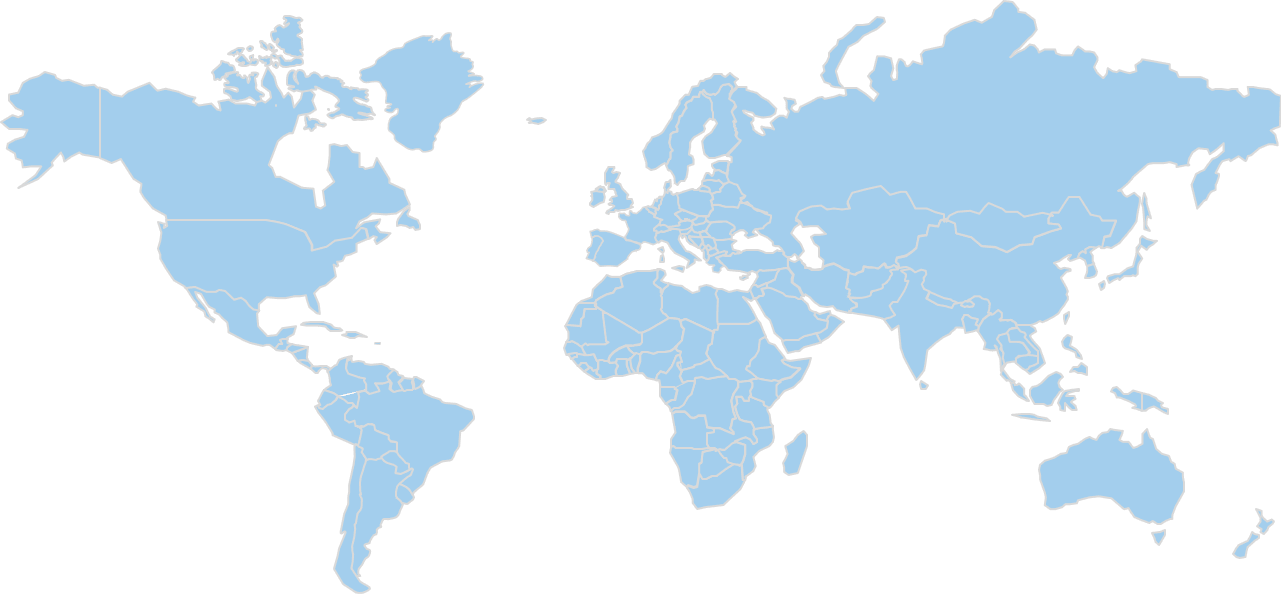
Only the leading region's share is published outside the report; pins mark the region, not a specific country.
Asia Pacific Market Analysis
The largest region covered, and the one gaining the most — it picks up 2.5 points of share by 2034, while revenue still grows 1.7×.
- Rank 1 of 5
- 2025 share 37.5%
- By 2034 40%
- Revenue $1.90B → $3.28B
37.55% of the global rail wheel and axle market sits in Asia Pacific in 2025, worth USD 1.9 billion and reaches USD 3.28 billion by 2034. That makes it the first-largest region covered, in 2025 and again in 2034.
40.05% of global revenue sits here by 2034, up from the 2025 level, so the region grows faster than the market's 5.59% and takes a larger part of the revenue added by 2034 than its 2025 weight implies.
The type mix reported at global level applies here, with Rolled Wheels & Axles for Railways the largest line at 60.47% of 2025 revenue and Forged Wheels & Axles for Railways the fastest-growing at 6.73%. The full report breaks Asia Pacific out along every axis and by country.
China
The largest market in Asia Pacific, growing 1.7×.
- In region 1 of 3
- Of region 50%
- Of global 18.8%
- Revenue $0.95B → $1.64B
50% of Asia Pacific's base-year revenue comes from China; USD 0.95 billion, rising to USD 1.64 billion by 2034. At 50% of the region in 2025 it leads, but a majority of Asia Pacific's revenue is generated in other markets. The region itself runs USD 1.9 billion to USD 3.28 billion over the same period, and this is the market carrying the country-level detail in the full report.
The type pattern in China is the global one: 60.47% of 2025 revenue in Rolled Wheels & Axles for Railways, 56.41% by 2034, against 6.73% growth in Forged Wheels & Axles for Railways taking it from 39.53% to 43.59%. Its 50% weight in Asia Pacific means those movements carry straight into the regional totals. Revenue by type for China is reported separately in the full report.
China's rail wheel and axle market falls under the oversight of the National Railway Administration, which sets the technical framework for rolling stock components operating on the national network. Manufacturers typically pursue CRCC certification, administered by the China Railway Certification Center, before wheelsets and axles can be supplied to state railway operators. Compliance follows national GB standards covering material composition, dimensional tolerances, and non-destructive testing of forged and machined components. Traceability documentation accompanies each batch, linking raw material heats to finished parts. Suppliers serving export markets often layer international standards conformity onto domestic certification to satisfy overseas rail operators and equipment integrators.
Competition in China runs between the suppliers this study tracks: GHH-BONATRANS, Lucchini RS, EVRAZ NTMK, GMH-Gruppe, Interpipe, OMK, Amsted Rail, Masteel, NSSMC and Kolowag.. Volume sits in Rolled Wheels & Axles for Railways at 60.47% of 2025 revenue; movement sits in Forged Wheels & Axles for Railways at 6.73% growth. Country-level shares and positioning per company sit in the full report.
India
2nd-largest in Asia Pacific, growing 1.7×.
- In region 2 of 3
- Of region 22.1%
- Of global 8.3%
- Revenue $0.42B → $0.72B
Within Asia Pacific, India accounts for 22.11% of regional revenue and 8.3% of the global total, worth USD 0.42 billion in 2025 and USD 0.72 billion by 2034.
Japan
3rd-largest in Asia Pacific, growing 1.7×.
- In region 3 of 3
- Of region 15.3%
- Of global 5.7%
- Revenue $0.29B → $0.49B
5.73% of global revenue is generated in Japan; USD 0.29 billion in 2025, reaching USD 0.49 billion in 2034, and 15.26% of Asia Pacific.
Europe Market Analysis
The 2nd-largest region covered — 1.9 points of share move elsewhere by 2034.
- Rank 2 of 5
- 2025 share 27.9%
- By 2034 26%
- Revenue $1.41B → $2.13B
In Europe, 27.87% of global revenue puts 2025 at USD 1.41 billion rising to USD 2.13 billion in 2034. That makes it the second-largest region covered, in 2025 and again in 2034.
By 2034 the share stands at 26.01%, a shift in share, not in direction: revenue climbs every year while the market's centre of gravity moves elsewhere.
The type mix reported at global level applies here, with Rolled Wheels & Axles for Railways the largest line at 60.47% of 2025 revenue and Forged Wheels & Axles for Railways the fastest-growing at 6.73%. Revenue for Europe is broken out by every segmentation axis and by country in the full report.
Germany
The largest market in Europe, growing 1.5×.
- In region 1 of 3
- Of region 31.9%
- Of global 8.9%
- Revenue $0.45B → $0.68B
The largest single market in Europe is Germany, at USD 0.45 billion in 2025 and USD 0.68 billion in 2034. 31.91% of the region in the base year makes it the largest market here without making it the region. Set against USD 1.41 billion and USD 2.13 billion for the region, it is why this market, and not a smaller one, is the one reported in full.
Demand in Germany follows the type mix reported at global level: Rolled Wheels & Axles for Railways is the largest line at 60.47% of 2025 revenue, moving to 56.41% by 2034, while Forged Wheels & Axles for Railways grows fastest at 6.73% and takes its share from 39.53% to 43.59%. Because the country carries 31.91% of Europe, a movement in its own mix shows up in the regional totals instead of being averaged away by neighbouring markets. Per-type revenue for Germany appears on its own in the full report.
Germany's rail wheel and axle suppliers operate within the European Union's railway interoperability framework, administered through the Technical Specifications for Interoperability and overseen at EU level by the European Union Agency for Railways. Domestically, the Eisenbahn-Bundesamt, the federal railway authority, enforces national safety law and issues type approval for wheelsets before they enter service on the German network. Conformity assessment against harmonized European standards covers material grade, fatigue performance, and dimensional accuracy, with notified bodies verifying test results. Manufacturers maintain documented quality management systems, since certification bodies routinely audit production processes as well as inspecting finished parts.
Competition in Germany runs between the suppliers this study tracks: GHH-BONATRANS, Lucchini RS, EVRAZ NTMK, GMH-Gruppe, Interpipe, OMK, Amsted Rail, Masteel, NSSMC and Kolowag.. The commercially relevant division is 60.47% of 2025 revenue in Rolled Wheels & Axles for Railways, where the volume is, against 6.73% growth in Forged Wheels & Axles for Railways, where share moves. That makes Europe a 27.87% share of 2025 global revenue, USD 1.41 billion rising to USD 2.13 billion, for any supplier deciding where to concentrate.
Russia
2nd-largest in Europe, growing 1.5×.
- In region 2 of 3
- Of region 27.7%
- Of global 7.7%
- Revenue $0.39B → $0.60B
Within Europe, Russia accounts for 27.66% of regional revenue and 7.71% of the global total, worth USD 0.39 billion in 2025 and USD 0.6 billion by 2034.
France
3rd-largest in Europe, growing 1.5×.
- In region 3 of 3
- Of region 17.7%
- Of global 4.9%
- Revenue $0.25B → $0.38B
Within Europe, France accounts for 17.73% of regional revenue and 4.94% of the global total, worth USD 0.25 billion in 2025 and USD 0.38 billion by 2034.
North America Market Analysis
The 3rd-largest region covered — 2 points of share move elsewhere by 2034.
- Rank 3 of 5
- 2025 share 20%
- By 2034 17.9%
- Revenue $1.01B → $1.47B
In North America, 19.96% of global revenue puts 2025 at USD 1.01 billion rising to USD 1.47 billion in 2034. By revenue it sits third across the study, and the ranking does not change between 2025 and 2034.
Share settles at 17.95% in 2034, while nothing contracts here; other regions simply grow faster, which shows up as relative weight, not as falling revenue.
Within the region the type split tracks the global one; 60.47% of 2025 revenue in Rolled Wheels & Axles for Railways, fastest growth of 6.73% in Forged Wheels & Axles for Railways. North America is reported axis by axis and country by country in the full study.
United States
Sets the pace for North America at 80.2% of it, growing 1.5×.
- In region 1 of 2
- Of region 80.2%
- Of global 16%
- Revenue $0.81B → $1.18B
The United States is the largest market within North America, generating USD 0.81 billion in 2025 and projected to reach USD 1.18 billion by 2034. At 80.2% of regional revenue in the base year it is not one market among several, the region's trajectory is largely this country's trajectory. Against regional totals of USD 1.01 billion in 2025 and USD 1.47 billion in 2034, it is the country the full report breaks out in detail.
Composition here matches the global split: the largest line is Rolled Wheels & Axles for Railways at 60.47% of 2025 revenue, easing to 56.41% by 2034, and the fastest is Forged Wheels & Axles for Railways at 6.73%, from 39.53% to 43.59%. Since 80.2% of North America's revenue is generated here, the regional numbers inherit this market's mix instead of smoothing it out. The United States carries its own type breakdown in the full report.
In the United States, the Federal Railroad Administration sets track and equipment safety standards under federal regulation, including requirements for wheel and axle inspection, wear limits, and defect reporting on the national rail network. Its rules govern how components are examined, maintained, and removed from service, placing responsibility on rail carriers as well as equipment suppliers. Alongside FRA oversight, the Association of American Railroads publishes interchange specifications that most manufacturers follow for wheel and axle design, heat treatment, and testing, since freight cars moving between carriers must meet a shared technical baseline. Suppliers seeking broad market access typically hold certification against both federal safety rules and AAR specifications.
In the United States the field is GHH-BONATRANS, Lucchini RS, EVRAZ NTMK, GMH-Gruppe, Interpipe, OMK, Amsted Rail, Masteel, NSSMC and Kolowag.. The commercially relevant division is 60.47% of 2025 revenue in Rolled Wheels & Axles for Railways, where the volume is, against 6.73% growth in Forged Wheels & Axles for Railways, where share moves. The commercial size of that position is USD 1.01 billion in 2025 and USD 1.47 billion by 2034, 19.96% of the global total in the base year.
Canada
2nd-largest in North America, growing 1.4×.
- In region 2 of 2
- Of region 19.8%
- Of global 4%
- Revenue $0.20B → $0.29B
Canada is sized at USD 0.2 billion in 2025, rising to USD 0.29 billion by 2034; 3.95% of global revenue and 19.8% of North America. It is reported separately from the United States across every segmentation axis in the full report.
Latin America Market Analysis
The 4th-largest region covered — it picks up 0.7 points of share by 2034, while revenue still grows 1.8×.
- Rank 4 of 5
- 2025 share 8.3%
- By 2034 9%
- Revenue $0.42B → $0.74B
In Latin America, 8.3% of global revenue puts 2025 at USD 0.42 billion and reaches USD 0.74 billion by 2034. It is a marginal region on this axis, fourth by revenue throughout the period.
9.04% of global revenue sits here by 2034, up from the 2025 level, at a pace above the 5.59% global rate, so this region warrants separate treatment and should not be scaled off the total.
The type mix reported at global level applies here, with Rolled Wheels & Axles for Railways the largest line at 60.47% of 2025 revenue and Forged Wheels & Axles for Railways the fastest-growing at 6.73%. Latin America is reported axis by axis and country by country in the full study.
Brazil
The largest market in Latin America, growing 1.8×.
- In region 1 of 2
- Of region 54.8%
- Of global 4.5%
- Revenue $0.23B → $0.41B
Brazil is the largest market within Latin America, generating USD 0.23 billion in 2025 and projected to reach USD 0.41 billion by 2034. It accounts for 54.76% of regional revenue in the base year, the largest single share without dominating the region outright. Regional revenue of USD 0.42 billion in 2025 and USD 0.74 billion in 2034 sits around it, and it is the country used wherever the full report cuts a figure by geography.
Brazil buys along the same lines as the market globally; Rolled Wheels & Axles for Railways first at 60.47% of 2025 revenue and 56.41% in 2034, Forged Wheels & Axles for Railways fastest at 6.73% on a share moving from 39.53% to 43.59%. Because the country carries 54.76% of Latin America, a movement in its own mix shows up in the regional totals instead of being averaged away by neighbouring markets. Per-type revenue for Brazil appears on its own in the full report.
Brazil's rail wheel and axle suppliers answer to the Agência Nacional de Transportes Terrestres, the national land transport agency responsible for rail safety oversight and operator licensing. Technical conformity is generally assessed against standards published by the Associação Brasileira de Normas Técnicas, covering material specification, dimensional tolerance, and testing procedures for wheelsets and axles used in freight and passenger service. Operators are expected to maintain maintenance and inspection records demonstrating that components remain within approved service limits. Because much of the installed rail fleet relies on imported components, suppliers frequently pair domestic standards conformity with recognition of international certification already held for equipment manufactured abroad.
GHH-BONATRANS, Lucchini RS, EVRAZ NTMK, GMH-Gruppe, Interpipe, OMK, Amsted Rail, Masteel, NSSMC and Kolowag. are the suppliers covered in Brazil. Two different problems sit on the same axis: holding Rolled Wheels & Axles for Railways at 60.47% of 2025 revenue, and taking Forged Wheels & Axles for Railways while it grows at 6.73%. Weighting toward Latin America means competing for 8.3% of 2025 global revenue, a base of USD 0.42 billion moving to USD 0.74 billion across the forecast period.
Mexico
2nd-largest in Latin America, growing 1.7×.
- In region 2 of 2
- Of region 30.9%
- Of global 2.6%
- Revenue $0.13B → $0.22B
Within Latin America, Mexico accounts for 30.95% of regional revenue and 2.57% of the global total, worth USD 0.13 billion in 2025 and USD 0.22 billion by 2034.
Middle East and Africa Market Analysis
The 5th-largest region covered — it picks up 0.6 points of share by 2034, while revenue still grows 1.8×.
- Rank 5 of 5
- 2025 share 6.3%
- By 2034 7%
- Revenue $0.32B → $0.57B
In Middle East and Africa, 6.32% of global revenue puts 2025 at USD 0.32 billion with USD 0.57 billion projected for 2034. That makes it the fifth-largest region covered, in 2025 and again in 2034.
6.96% of global revenue sits here by 2034, up from the 2025 level, so the region grows faster than the market's 5.59% and takes a larger part of the revenue added by 2034 than its 2025 weight implies.
Segment composition follows the global pattern: Rolled Wheels & Axles for Railways largest at 60.47% of 2025 revenue, Forged Wheels & Axles for Railways fastest at 6.73%. Per-axis and per-country detail for Middle East and Africa sits in the full report.
Saudi Arabia
The largest market in Middle East and Africa, growing 1.8×.
- In region 1 of 2
- Of region 40.6%
- Of global 2.6%
- Revenue $0.13B → $0.23B
40.63% of Middle East and Africa's base-year revenue comes from Saudi Arabia; USD 0.13 billion, rising to USD 0.23 billion by 2034. It accounts for 40.63% of regional revenue in the base year, the largest single share without dominating the region outright. Set against USD 0.32 billion and USD 0.57 billion for the region, it is why this market, and not a smaller one, is the one reported in full.
Demand in Saudi Arabia follows the type mix reported at global level: Rolled Wheels & Axles for Railways is the largest line at 60.47% of 2025 revenue, moving to 56.41% by 2034, while Forged Wheels & Axles for Railways grows fastest at 6.73% and takes its share from 39.53% to 43.59%. Its 40.63% weight in Middle East and Africa means those movements carry straight into the regional totals. The full report reports Saudi Arabia by type separately.
Saudi Arabia's rail sector sits under the joint oversight of the Public Transport Authority, which sets safety and operating rules for rail networks, and the Saudi Standards, Metrology and Quality Organization, which administers conformity requirements for imported industrial goods including rolling stock components. Wheel and axle suppliers typically demonstrate compliance through recognized international standards, since domestic manufacturing of these components remains limited and most equipment enters the market through import channels. Saudi Railway Company, as the principal network operator, sets its own technical acceptance criteria for suppliers, requiring documented material certification and test reports before components are approved for use on its infrastructure.
Competition in Saudi Arabia runs between the suppliers this study tracks: GHH-BONATRANS, Lucchini RS, EVRAZ NTMK, GMH-Gruppe, Interpipe, OMK, Amsted Rail, Masteel, NSSMC and Kolowag.. Rolled Wheels & Axles for Railways, at 60.47% of 2025 revenue, is where the volume sits, and Forged Wheels & Axles for Railways, growing at 6.73%, is where position changes hands over the forecast period. Weighting toward Middle East and Africa means competing for 6.32% of 2025 global revenue, a base of USD 0.32 billion moving to USD 0.57 billion across the forecast period.
South Africa
2nd-largest in Middle East and Africa, growing 1.7×.
- In region 2 of 2
- Of region 31.3%
- Of global 2%
- Revenue $0.10B → $0.17B
South Africa is sized at USD 0.1 billion in 2025, rising to USD 0.17 billion by 2034; 1.98% of global revenue and 31.25% of Middle East and Africa. It is reported separately from Saudi Arabia across every segmentation axis in the full report.
Request this sample to see the full data tables and segment-level detail behind this analysis.
Report Coverage
This report assesses the market across every segment, with revenue and a growth rate for each line in each year of the study period. It covers the drivers, trends, opportunities, restraints and challenges shaping growth, the competitive landscape and the companies profiled, and the research methodology behind every estimate. Segmentation is reported by Type, Application, Vehicle Type, End User, Material, and regional analysis covers Asia Pacific, Europe, North America, Latin America, Middle East and Africa, each broken out by country.
Competitive Landscape
Scale in Rolled Wheels & Axles for Railways and Growth in Forged Wheels & Axles for Railways Set the Terms of Competition
Ten suppliers are covered: GHH-BONATRANS, Lucchini RS, EVRAZ NTMK, GMH-Gruppe, Interpipe, OMK, Amsted Rail, Masteel, NSSMC and Kolowag..
Competition follows the type split, not the regional one. The largest block of revenue is Rolled Wheels & Axles for Railways: USD 3.06 billion in 2025 at 60.47% of the total, 56.41% in 2034. Incumbency there is expensive to challenge. Movement is concentrated in Forged Wheels & Axles for Railways; 6.73% growth, against 4.78% at the other end of the axis in Rolled Wheels & Axles for Railways. Those are different problems, and a supplier strong in one is not thereby strong in the other; that is what sustains a field this size in a USD 5.06 billion market.
Scale in integrated steelmaking and finished-wheelset forging or rolling capacity separates the largest suppliers, letting them serve high-volume OEM and aftermarket orders across multiple countries from a single production base. Type-approval and certification history with national rail safety authorities matters as much as capacity, since a new wheelset design can take years to qualify for a given network. Long-standing supply agreements with rolling stock builders and rail operators protect the largest players' order books. Smaller and regional producers compete on proximity to a specific network, faster turnaround on aftermarket replacement orders, and willingness to take on lower-volume or custom wheelset specifications that larger suppliers deprioritise.
Presence matters unevenly by region. With 37.55% of 2025 revenue in Asia Pacific and 27.87% in Europe, a supplier's coverage of those two decides most of its addressable base before any product question arises.
The full report carries a profile, financials, share and development history for each company named; none of that is in this summary.
List of Key Rail Wheel And Axle Market Companies Profiled
10 companies profiled. Company profiles, including financials, product portfolios and recent developments, are part of the full report.
- GHH-BONATRANS(Germany)
- Lucchini RS(Italy)
- EVRAZ NTMK(Russia)
- GMH-Gruppe(Germany)
- Interpipe(Ukraine)
- OMK(Russia)
- Amsted Rail(United States)
- Masteel(China)
- NSSMC(Japan)
- Kolowag.
Geographic Coverage
Every market below is broken out separately in the report.
Asia Pacific
12Europe
8North America
3Latin America
3Middle East and Africa
4Key Insights
Report Scope
Study parameters & segmentationThis study covers market size and forecasts over the 2020–2034 period, segmentation across 5 axes (Type, Application, Vehicle Type, End User, Material), regional analysis for 5 regions and their constituent countries, a competitive landscape profiling 10 key companies, and the research methodology behind every estimate.
Segmentation
5 axes + regionQuestions This Report Answers
6 questionsWhat is the market size and growth rate, globally and by region?
How is the market segmented, and which segments lead?
Which regions and countries are covered, and how do they compare?
What are the key drivers, restraints, opportunities and challenges?
Who are the leading companies operating in this market?
What trends are expected to shape the market through the forecast period?
Frequently Asked Questions
01What is the Rail Wheel And Axle Market projected to reach?
USD 8.19 Billion by 2034, CAGR 5.59%
02What years does this report cover?
Study period 2020–2034, base year 2025, historical data 2020-2024, forecast period 2026-2034.
03Which regions are covered?
Asia Pacific, Europe, North America, Latin America, Middle East and Africa.
04Which region accounted for the largest market share?
Asia Pacific leads with 37.55% of global revenue through 2034.
05Which segment leads the market?
Rolled Wheels & Axles for Railways is the largest line by Type, at 60.47% of revenue in 2025.
06Who are the key companies profiled?
GHH-BONATRANS, Lucchini RS, EVRAZ NTMK, GMH-Gruppe, Interpipe, OMK, Amsted Rail, Masteel, NSSMC, Kolowag.. Full profiles are part of the paid report.
07Can the segmentation be customized?
Yes. Custom data cuts by geography, segment, or competitor set are available on request.
Why choose CDI
Need this report shaped around your question?
The scope isn't fixed. Tell us what your team needs that the standard edition doesn't cover, and an analyst will come back on what can be adjusted and how long it takes, before you commit to anything.
Most licences include 30–60 hours of customization at no extra cost. See what each licence includes
Additional Companies
Add competitors, suppliers or the peer set you benchmark against to the companies already covered.
Deeper Competitive View
Sharpen the landscape work around your own position: product line, channel, or a named shortlist of rivals.
Extra Segment Splits
Break the market down along an axis the standard scope doesn't cut it by, or go a level deeper inside one.
Application Focus
Narrow the analysis to the specific use cases and end users your team actually sells into.
Different Time Frame
Move the base year, or widen the historical and forecast windows the study is built on.
Country-Level Detail
Go below region level into the individual countries that matter to you, rather than the standard geography split.