
Pp Woven Sacks MarketSize, Share & Industry Analysis, 2026-2034By TypeBy ApplicationBy CapacityBy Closure TypeBy Distribution Channel
Full title & scope — all 5 axes with their segments
Pp Woven Sacks Market Size, Share & Industry Analysis, By Type (Laminated PP Woven Sacks, Non-Laminated PP Woven Sacks), By Application (Agriculture & Allied Industries, Building & Construction, Food, Retail & Shopping), By Capacity (25-50 Kg, Above 50 Kg, Up to 25 Kg), By Closure Type (Open Mouth Sacks, Valve Sacks, Zippered Sacks), By Distribution Channel (Direct Sales, Distributors & Wholesalers, Retail & E-Commerce), and Regional Forecast, 2026-2034
Market outlook, key takeaways, drivers and challenges for the report period.
- 01By TypeLaminated PP Woven Sacks · Non-Laminated PP Woven Sacks
- 02By ApplicationAgriculture & Allied Industries · Building & Construction · Food
- 03By Capacity25-50 Kg · Above 50 Kg · Up to 25 Kg
- 04By Closure TypeOpen Mouth Sacks · Valve Sacks · Zippered Sacks
- 05By Distribution ChannelDirect Sales · Distributors & Wholesalers · Retail & E-Commerce
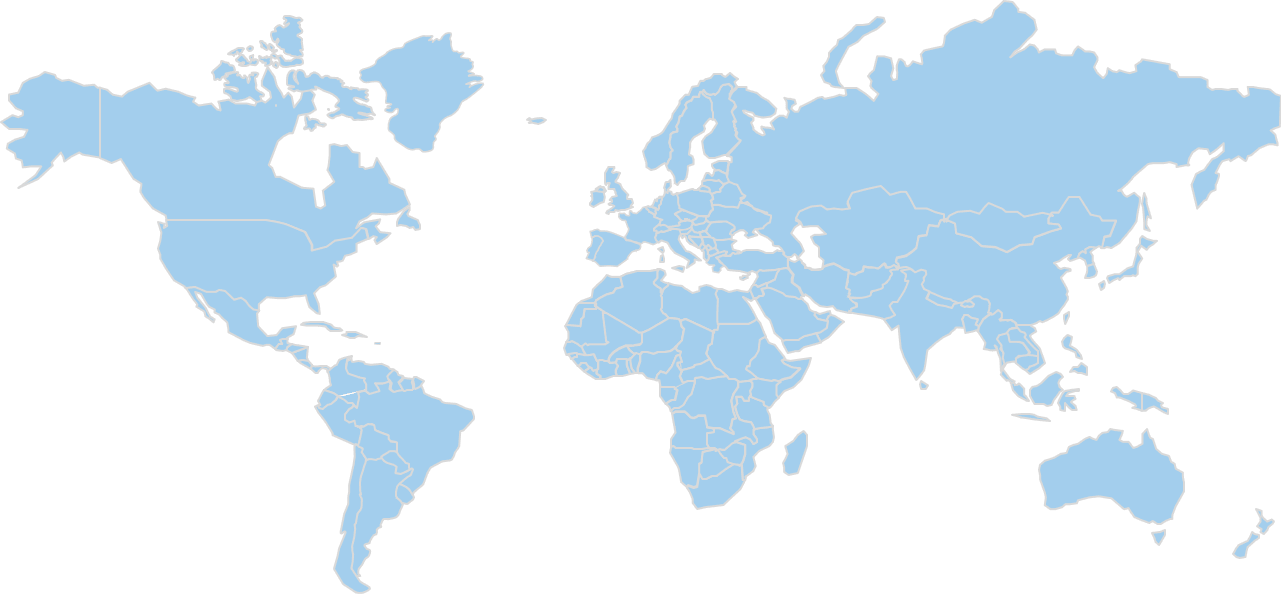
- 06By Region
Market Analysis & Outlook
Polypropylene (PP) woven sacks are bags made from woven polypropylene tape fabric, used to package and transport bulk and semi-bulk dry goods such as grain, fertiliser, cement, sugar and animal feed. They are produced in laminated form, with a plastic film bonded to the fabric for moisture and vapour resistance, and in non-laminated form for drier, less sensitive contents, and are closed by stitching an open top, by a filling valve, or by a resealable zipper. Buyers are agricultural cooperatives and grain handlers, cement and building material producers, food processors and packers, and retailers who need a durable, low-cost bulk container.
USD 4.55 billion of revenue was recorded in the global pp woven sacks market in 2025. By 2034 the figure reaches USD 6.99 billion, a compound annual growth rate of 4.89% through the forecast period, along a series that runs USD 3.62 billion in 2020, USD 4.36 billion in 2024, USD 4.77 billion in 2026 and USD 5.77 billion in 2030.
Composition changes more than the total does. Laminated PP Woven Sacks, at 5.65%, outgrows Non-Laminated PP Woven Sacks at 3.76%, and its share moves from 58% to 62%. Laminated PP Woven Sacks stays the largest line throughout, at USD 2.64 billion in 2025 and USD 4.33 billion in 2034. The lines gaining share are Laminated PP Woven Sacks. Non-Laminated PP Woven Sacks lose share without losing revenue.
Cut by application, the largest line is Agriculture & Allied Industries: 41.8% of 2025 revenue, worth USD 1.9 billion, and 40% at USD 2.79 billion by 2034. Food grows faster at 6.7% against 4.36%, moving from 18% of revenue to 21% by 2034. Both this axis and the type one divide the same revenue, which is why they are alternative views, not components.
The regional order runs from Asia Pacific at 45.1% of 2025 revenue down to Middle East and Africa at 7.9%. Asia Pacific is worth USD 2.05 billion in 2025 and USD 3.35 billion in 2034; North America, second at 20%, moves from USD 0.91 billion to USD 1.26 billion. Share shifts toward Asia Pacific, Latin America and Middle East and Africa over the forecast period, so the regional split repays a close reading.
Behind these figures sit five regions, two type lines and five segmentation axes, each reported for every year from 2020 to 2034. The headline 2025 value is triangulated from published sources and category proxies, with no independently sourced count behind it, and the same applies to the segment, regional and country breakdowns drawn from it.
Market Size, 2020–2034
USD BillionRevenue in USD Billion. Values up to 2025 are actuals; 2026–2034 are forecast.
Key Takeaways
- A forecast-period rate of 4.89% takes the market from USD 4.55 billion in 2025 to USD 6.99 billion in 2034, against 4.68% recorded over the 2020-2025 historical period.
- 58% of 2025 revenue sits in Laminated PP Woven Sacks (USD 2.64 billion) and it remains the largest type line in 2034 at USD 4.33 billion and 62%.
- The bull case puts 2034 revenue at USD 7.55 billion and the bear case at USD 6.43 billion, either side of the USD 6.99 billion base case, each with its own stated assumption in the full report.
- Asia Pacific holds 45.1% of global revenue in 2025 at USD 2.05 billion, the largest of the five regions tracked, and reaches USD 3.35 billion by 2034.
- 39% of Asia Pacific's base-year revenue comes from China alone: USD 0.8 billion in 2025, rising to USD 1.15 billion by 2034, which is why it is that region's worked example.
- Every line on all five segmentation axes and in each of the five regions carries its own revenue, share and growth rate for all fifteen years, 2020 through 2034, on a 2025 base.
Market Trends
Revenue Share, By By Type
Base year 2025Laminated PP Woven Sacks leads with 58.0% of by type segment revenue.
Share of by type segment revenue, most recent base year.
Three movements define the forecast period in the global pp woven sacks market: how the type mix changes, where regional weight shifts, and the rate at which the total compounds.
Not one of them points downward. Growth is everywhere in absolute terms, and the interest is entirely in where it lands.
The type mix tilts toward Laminated PP Woven Sacks. 5.65% against 3.76%: that gap, between Laminated PP Woven Sacks and Non-Laminated PP Woven Sacks, is the largest on the type axis. Shares follow: 58% to 62% for Laminated PP Woven Sacks, 42% to 38% for Non-Laminated PP Woven Sacks. Neither contracts: USD 2.64 billion becomes USD 4.33 billion, USD 1.91 billion becomes USD 2.66 billion. What the spread decides is which of them a supplier's revenue is exposed to.
Asia Pacific, Latin America and Middle East and Africa gain regional share. Asia Pacific moves from 45.1% of revenue in 2025 to 48% in 2034, worth USD 2.05 billion rising to USD 3.35 billion; Latin America moves from 12.1% of revenue in 2025 to 13% in 2034, worth USD 0.55 billion rising to USD 0.91 billion; Middle East and Africa moves from 7.9% of revenue in 2025 to 8% in 2034, worth USD 0.36 billion rising to USD 0.56 billion. The offsetting side is North America at 20% moving to 18%, Europe at 14.9% moving to 13%, none of which contracts. Growth is therefore not something a participant inherits from the market; it depends on which regions its revenue is weighted toward.
The series never breaks trajectory. Fifteen years of revenue run USD 3.62 billion in 2020, USD 4.36 billion in 2024, USD 4.55 billion in 2025, USD 4.77 billion in 2026, USD 5.77 billion in 2030 and USD 6.99 billion in 2034. The forecast rate of 4.89% sits against 4.68% over the historical period, so the projection extends an observed trend instead of proposing a new one. For a participant that makes planning a question of capturing a share of steady expansion instead of timing a discontinuity, and it is why the type and regional mixes matter more to a forecast than the headline rate does.
Market Growth Factors
Growth is concentrated in Laminated PP Woven Sacks
Market Drivers
3- 01Growth is concentrated in Laminated PP Woven Sacks
The fastest line on the type axis is Laminated PP Woven Sacks, at 5.65% against the market's 4.89%, taking USD 2.64 billion to USD 4.33 billion and 58% of revenue to 62%. Because the spread to Non-Laminated PP Woven Sacks at 3.76% is this wide, the headline 4.89% is a weighted result, not a rate any single line achieves. Where a supplier sits on this axis therefore decides whether it grows with the market or below it.
- 02The two largest regions hold most of the base
The largest regional base is Asia Pacific: USD 2.05 billion in 2025 at 45.1% of the global total, USD 3.35 billion by 2034 and 48%. North America is next at 20% of revenue, USD 0.91 billion in 2025 and USD 1.26 billion in 2034. Between them they hold most of the base and most of the revenue added over the period, so equal-weighting the regions in a plan misstates where the growth is.
- 03Fifteen years of unbroken growth underpin the forecast
USD 3.62 billion in 2020, USD 4.36 billion in 2024 and USD 4.55 billion in 2025: 4.68% compound growth before the forecast period even begins. The forecast period then runs at 4.89%, ending 2034 at USD 6.99 billion. A forecast extending an observed trend is a different proposition from one proposing a turn, and that is why no ramp is applied: the 4.89% runs evenly across the period.
Growth drivers
| # | Growth driver | Impact | Gross contribution (Billion) | 2026-28 | 2029-31 | 2032-34 |
|---|---|---|---|---|---|---|
| 1 | Rising bulk packaging demand from grain and fertiliser storage expansion | High | +0.95 | High | High | Medium |
| 2 | Growth in cement and building-material packaging in emerging construction markets | High | +0.7 | High | Medium | Medium |
| 3 | Shift toward laminated, moisture-resistant sacks in food and chemical packaging | Medium-High | +0.55 | Medium | High | High |
| 4 | Expansion of organised retail and branded packaged staples requiring printed sacks | Medium | +0.35 | Low | Medium | Medium |
| 5 | Adoption of reusable, zippered sack formats in pet food and specialty feed | Medium | +0.2 | Low | Low | Medium |
| 6 | Others | Low | +0.15 | Low | Low | Low |
| Total | +2.9 | |||||
Restraints
| # | Restraint | Impact | Estimated reduction (Billion) | 2026-28 | 2029-31 | 2032-34 |
|---|---|---|---|---|---|---|
| 1 | Substitution by paper, jute and bulk-bin alternatives in select geographies | Medium | −0.3 | Medium | Medium | Medium |
| 2 | Volatility in polypropylene resin prices compressing converter margins and slowing capacity additions | Medium | −0.16 | High | Medium | Low |
| Total | −0.46 | |||||
Drivers contribute 2.9 Billion and restraints remove 0.46 Billion, a net 2.44 Billion, which is the revenue the market adds between the base year and 2034. Contributions are CDI estimates, apportioned so that they reconcile with the forecast rather than being read from it.
Growth in the global pp woven sacks market comes from three measurable sources over 2026-2034: the market's own compounding at 4.89%, the share gained by faster-growing type lines, and expansion in the regions taking a larger part of global revenue.
Restraining Factors
What holds the forecast back
Market Restraints
2- 01What holds the forecast back
The bear case assumes a sustained resin price spike compresses realised prices and demand, and paper or bulk-bin alternatives take a larger share of the construction and food applications than the base case assumes. On that assumption 2034 revenue lands at USD 6.43 billion against the USD 6.99 billion base case, from the same USD 4.55 billion 2025 starting point.
- 02Non-Laminated PP Woven Sacks grows below the market rate
With 42% of 2025 revenue (USD 1.91 billion) Non-Laminated PP Woven Sacks is where most of the market sits, and it grows at only 3.76% against the market's 4.89%. Revenue still reaches USD 2.66 billion by 2034 and share still falls to 38%: a drag on the average, not a decline.
Market Opportunities
Where the forecast could be beaten
Market Opportunities
2- 01Where the forecast could be beaten
A bull case of USD 7.55 billion by 2034, against USD 6.99 billion in the base case, turns on a single stated assumption: the bull case assumes faster infrastructure spending in Asia Pacific and Latin America lifts cement and grain packaging volumes above the base case, and resin prices stay range-bound instead of eroding manufacturer margins. The USD 4.55 billion 2025 base is common to both.
- 02The opening is on the type axis, not the regional one
Share on the type axis moves toward Laminated PP Woven Sacks, from 58% in 2025 to 62% in 2034, on 5.65% growth against the market's 4.89% and revenue rising from USD 2.64 billion to USD 4.33 billion. Taking position there does not require displacing whoever holds Laminated PP Woven Sacks, which is the harder and more expensive fight.
Market Challenges
Revenue is concentrated in Laminated PP Woven Sacks
Market Challenges
2- 01Revenue is concentrated in Laminated PP Woven Sacks
Laminated PP Woven Sacks is 58% of 2025 revenue at USD 2.64 billion and still 62% at USD 4.33 billion in 2034. Anything that changes demand for it changes the headline number; nothing else on the axis carries that weight.
- 02China is 39% of Asia Pacific
China generates USD 0.8 billion of Asia Pacific's USD 2.05 billion in 2025, 39% of the region, reaching USD 1.15 billion by 2034. A regional number that depends this heavily on one country carries that country's specific conditions inside it, which a reader treating the region as diversified would miss.
Segmentation Analysis
5 axesfive segmentation axes are reported; by type, by application, capacity, closure type and distribution channel. Each axis cuts the same total revenue along a different commercial dimension, so the splits are alternative views of one market, not additions to it.
Two type lines are reported. One of them takes share over the forecast period and the other gives it up, though every line grows in absolute terms between 2025 and 2034.
By Type · 2 segments
Laminated PP Woven Sacks Holds the Largest Type Share and Is Still the Quickest to Grow
- Largest Laminated PP Woven Sacks · 58%
- Fastest Laminated PP Woven Sacks · 5.7%
- Moves most Laminated PP Woven Sacks · +4 pts
- Order by 2034 unchanged
| Segment | 2025 | Share | 2034 | Share | CAGR |
|---|---|---|---|---|---|
| Laminated PP Woven Sacks | $2.64B | 58% | $4.33B | 62%+4 | 5.7% |
| Non-Laminated PP Woven Sacks | $1.91B | 42% | $2.66B | 38%-4 | 3.8% |
Laminated leads because it adds a moisture and vapor barrier that agriculture, food and construction buyers need to protect powders, grains and cement from humidity during storage and transit. Non-laminated stays relevant for dry, low-sensitivity goods where cost matters more than barrier performance. Laminated grows fastest as food-grade and chemical-grade fill lines increasingly make barrier film standard, not optional. The order does not change: Laminated PP Woven Sacks is still largest in 2034, and what moves is how much it holds. Every year of the series is priced on this axis, making it the reference cut for the rest of the report.
By Application · 4 segments
Agriculture & Allied Industries Held the Dominant Share of the Application Segment in 2025
- Largest Agriculture & Allied Industries · 41.8%
- Fastest Food · 6.7%
- Moves most Food · +3 pts
- Order by 2034 unchanged
| Segment | 2025 | Share | 2034 | Share | CAGR |
|---|---|---|---|---|---|
| Agriculture & Allied Industries | $1.90B | 41.8% | $2.79B | 40%-1.8 | 4.4% |
| Building & Construction | $1.37B | 30.1% | $2.03B | 29%-1.1 | 4.5% |
| Food | $0.82B | 18% | $1.47B | 21%+3 | 6.7% |
| Retail & Shopping | $0.46B | 10.1% | $0.70B | 10%-0.1 | 4.8% |
Agriculture and allied industries lead because grain, seed, fertilizer and feed producers still move the bulk of their output in woven sacks, not rigid containers, and that habit changes slowly. Food is growing fastest as packaged staples shift toward laminated, printable sacks that meet retail branding and hygiene expectations, a switch construction and pure retail bags do not need to make. The order does not change: Agriculture & Allied Industries is still largest in 2034, and what moves is how much it holds.
By Capacity · 3 segments
Scale in 25-50 Kg and Growth in Above 50 Kg Define the Capacity Axis
- Largest 25-50 Kg · 54.9%
- Fastest Above 50 Kg · 6.2%
- Moves most 25-50 Kg · -3 pts
- Order by 2034 unchanged
| Segment | 2025 | Share | 2034 | Share | CAGR |
|---|---|---|---|---|---|
| 25-50 Kg | $2.50B | 54.9% | $3.63B | 51.9%-3 | 4.2% |
| Above 50 Kg | $1.14B | 25.1% | $1.96B | 28%+2.9 | 6.2% |
| Up to 25 Kg | $0.91B | 20% | $1.40B | 20.1%+0.1 | 4.9% |
The 25-50 Kg band leads because it matches the standard unit farmers, millers and bag-filling lines are already tooled around, so switching sizes carries a real equipment cost. Above 50 Kg grows fastest as bulk commodity handlers and industrial fillers consolidate shipments into fewer, larger sacks to cut per-unit handling and freight cost. By 2034 25-50 Kg is still ahead, making this a shift in weight, not a change of leader.
By Closure Type · 3 segments
Open Mouth Sacks Led by Closure type in 2025, with Zippered Sacks Growing Fastest
- Largest Open Mouth Sacks · 62%
- Fastest Zippered Sacks · 7.9%
- Moves most Open Mouth Sacks · -4.1 pts
- Order by 2034 unchanged
| Segment | 2025 | Share | 2034 | Share | CAGR |
|---|---|---|---|---|---|
| Open Mouth Sacks | $2.82B | 62% | $4.05B | 57.9%-4.1 | 4.1% |
| Valve Sacks | $1.27B | 27.9% | $2.03B | 29%+1.1 | 5.4% |
| Zippered Sacks | $0.46B | 10.1% | $0.91B | 13.1%+3 | 7.9% |
Open mouth sacks lead because most fill lines still load through an open top and stitch it closed after filling, a method that needs no valve hardware on either the sack or the filling line. Zippered sacks grow fastest as pet food, feed and retail buyers pay for a reclosable bag they can open and use more than once. By 2034 Open Mouth Sacks is still ahead, making this a shift in weight, not a change of leader.
By Distribution Channel · 3 segments
Retail & E-Commerce Outpaces the Axis While Direct Sales Holds the Largest Share
- Largest Direct Sales · 47.9%
- Fastest Retail & E-Commerce · 7.7%
- Moves most Direct Sales · -2.9 pts
- Order by 2034 unchanged
| Segment | 2025 | Share | 2034 | Share | CAGR |
|---|---|---|---|---|---|
| Direct Sales | $2.18B | 47.9% | $3.15B | 45%-2.9 | 4.2% |
| Distributors & Wholesalers | $1.91B | 42% | $2.94B | 42.1%+0.1 | 4.9% |
| Retail & E-Commerce | $0.46B | 10.1% | $0.90B | 12.9%+2.8 | 7.7% |
Direct sales lead because large agriculture, construction and food processors buy sack volumes big enough to negotiate straight with a manufacturer instead of buying through a middle layer. Retail and e-commerce grows fastest as smaller farms, home gardeners and small processors who cannot meet a mill's minimum order start buying pre-set quantities online. By 2034 Direct Sales is still ahead, making this a shift in weight, not a change of leader.
Regional Insights
Regional Revenue Share
Base year 2025Share of global revenue in the base year.
Only the leading region's share is published outside the report; pins mark the region, not a specific country.
Asia Pacific Market Analysis
The largest region covered, and the one gaining the most — it picks up 2.8 points of share by 2034, while revenue still grows 1.6×.
- Rank 1 of 5
- 2025 share 45.1%
- By 2034 47.9%
- Revenue $2.05B → $3.35B
In Asia Pacific, 45.1% of global revenue puts 2025 at USD 2.05 billion and reaches USD 3.35 billion by 2034. Among the five regions it ranks first by revenue in both years.
Share climbs to 48% by 2034, so the region grows faster than the market's 4.89% and takes a larger part of the revenue added by 2034 than its 2025 weight implies.
The type mix reported at global level applies here, with Laminated PP Woven Sacks the largest line at 58% of 2025 revenue and Laminated PP Woven Sacks the fastest-growing at 5.65%. Revenue for Asia Pacific is broken out by every segmentation axis and by country in the full report.
China
The largest market in Asia Pacific, growing 1.4×.
- In region 1 of 3
- Of region 39%
- Of global 17.6%
- Revenue $0.80B → $1.15B
The largest single market in Asia Pacific is China, at USD 0.8 billion in 2025 and USD 1.15 billion in 2034. Its 39% of base-year regional revenue leads the region, though enough sits elsewhere that Asia Pacific is not a proxy for it. Against regional totals of USD 2.05 billion in 2025 and USD 3.35 billion in 2034, it is the country the full report breaks out in detail.
Composition here matches the global split: the largest line is Laminated PP Woven Sacks at 58% of 2025 revenue, easing to 62% by 2034, and the fastest is Laminated PP Woven Sacks at 5.65%, from 58% to 62%. With 39% of Asia Pacific concentrated here, a change in this country's mix is visible in the regional figures instead of being diluted by its neighbours. Revenue by type for China is reported separately in the full report.
Woven polypropylene sacks used for packaging food, feed, and agricultural goods fall under the food contact material provisions administered by the State Administration for Market Regulation, alongside general product quality obligations under the Product Quality Law. Sacks intended for food or feed contact must conform to national food contact material standards covering the resin and any inner liner, and manufacturers are expected to control migration and hygiene risks associated with polypropylene fabric and coatings. Where sacks are used for chemicals, fertilizers, or cement, conformity to relevant national packaging and transport standards applies, and labelling must correctly identify net weight, contents, and handling instructions. Exporters supplying multinational buyers are typically also asked to demonstrate conformity with buyer-specified international textile and packaging standards, since Chinese domestic approval alone does not satisfy every importing market's own requirements.
Competition in China runs between the suppliers this study tracks: Mondi Group, United Bags, Berry Global, Muscat Polymers, Al-Tawfiq, Emmbi Industries, Uflex, Palmetto Industries, Printpak, Anduro Manufacturing and Gopinath Enterprise. Laminated PP Woven Sacks is where the volume is, at 58% of 2025 revenue, and it is growing fastest as well at 5.65%. The full report covers country-level positioning and shares company by company; this summary does not.
India
2nd-largest in Asia Pacific, growing 1.7×.
- In region 2 of 3
- Of region 30.2%
- Of global 13.6%
- Revenue $0.62B → $1.05B
13.6% of global revenue is generated in India; USD 0.62 billion in 2025, reaching USD 1.05 billion in 2034, and 30.2% of Asia Pacific.
Indonesia
3rd-largest in Asia Pacific, growing 1.6×.
- In region 3 of 3
- Of region 13.7%
- Of global 6.2%
- Revenue $0.28B → $0.44B
6.2% of global revenue is generated in Indonesia; USD 0.28 billion in 2025, reaching USD 0.44 billion in 2034, and 13.7% of Asia Pacific.
North America Market Analysis
The 2nd-largest region covered — 2 points of share move elsewhere by 2034.
- Rank 2 of 5
- 2025 share 20%
- By 2034 18%
- Revenue $0.91B → $1.26B
North America holds 20% of the global pp woven sacks market in 2025, worth USD 0.91 billion on the way to USD 1.26 billion by 2034. Among the five regions it ranks second by revenue in both years.
By 2034 the share stands at 18%, and the region keeps growing in absolute terms while others expand faster, a change in relative weight, not a decline in demand.
The type mix reported at global level applies here, with Laminated PP Woven Sacks the largest line at 58% of 2025 revenue and Laminated PP Woven Sacks the fastest-growing at 5.65%. North America is reported axis by axis and country by country in the full study.
United States
Sets the pace for North America at 81.3% of it, growing 1.4×.
- In region 1 of 2
- Of region 81.3%
- Of global 16.3%
- Revenue $0.74B → $1B
81.3% of North America's base-year revenue comes from the United States; USD 0.74 billion, rising to USD 1 billion by 2034. Because it is 81.3% of the region in the base year, North America's totals move with this one country instead of a spread of them. Against regional totals of USD 0.91 billion in 2025 and USD 1.26 billion in 2034, it is the country the full report breaks out in detail.
Composition here matches the global split: the largest line is Laminated PP Woven Sacks at 58% of 2025 revenue, easing to 62% by 2034, and the fastest is Laminated PP Woven Sacks at 5.65%, from 58% to 62%. Because the country carries 81.3% of North America, a movement in its own mix shows up in the regional totals instead of being averaged away by neighbouring markets. The United States carries its own type breakdown in the full report.
Woven polypropylene sacks used in direct or indirect food and feed contact are subject to the Food and Drug Administration's food contact substance framework under the Federal Food, Drug, and Cosmetic Act, which governs the resin, any coating, and printing inks that may touch packaged contents. Sacks used for agricultural chemicals or fertilizers fall instead under labelling and packaging expectations tied to the Environmental Protection Agency's pesticide framework where applicable, plus general consumer product safety obligations enforced by the Consumer Product Safety Commission. Suppliers must ensure accurate net content labelling under the Fair Packaging and Labeling Act and, for goods moving in interstate commerce, conformity with applicable transport packaging standards where sacks carry hazardous or bulk materials. Buyers in construction, agriculture, and industrial channels commonly also require conformity with voluntary ASTM textile and packaging test methods as a condition of supply.
Competition in the United States runs between the suppliers this study tracks: Mondi Group, United Bags, Berry Global, Muscat Polymers, Al-Tawfiq, Emmbi Industries, Uflex, Palmetto Industries, Printpak, Anduro Manufacturing and Gopinath Enterprise. Volume and growth sit in the same line, Laminated PP Woven Sacks, at 58% of 2025 revenue and 5.65% growth. The commercial size of that position is USD 0.91 billion in 2025 and USD 1.26 billion by 2034, 20% of the global total in the base year.
Canada
2nd-largest in North America, growing 1.3×.
- In region 2 of 2
- Of region 16.5%
- Of global 3.3%
- Revenue $0.15B → $0.20B
3.3% of global revenue is generated in Canada; USD 0.15 billion in 2025, reaching USD 0.2 billion in 2034, and 16.5% of North America.
Europe Market Analysis
The 3rd-largest region covered — 1.9 points of share move elsewhere by 2034.
- Rank 3 of 5
- 2025 share 14.9%
- By 2034 13%
- Revenue $0.68B → $0.91B
In Europe, 14.9% of global revenue puts 2025 at USD 0.68 billion on the way to USD 0.91 billion by 2034. It is a mid-sized region on this axis, third by revenue throughout the period.
Share settles at 13% in 2034, a shift in share, not in direction: revenue climbs every year while the market's centre of gravity moves elsewhere.
Segment composition follows the global pattern: Laminated PP Woven Sacks largest at 58% of 2025 revenue, Laminated PP Woven Sacks fastest at 5.65%. Per-axis and per-country detail for Europe sits in the full report.
Germany
The largest market in Europe, growing 1.3×.
- In region 1 of 2
- Of region 27.9%
- Of global 4.2%
- Revenue $0.19B → $0.24B
27.9% of Europe's base-year revenue comes from Germany; USD 0.19 billion, rising to USD 0.24 billion by 2034. Its 27.9% of base-year regional revenue leads the region, though enough sits elsewhere that Europe is not a proxy for it. Against regional totals of USD 0.68 billion in 2025 and USD 0.91 billion in 2034, it is the country the full report breaks out in detail.
The type pattern in Germany is the global one: 58% of 2025 revenue in Laminated PP Woven Sacks, 62% by 2034, against 5.65% growth in Laminated PP Woven Sacks taking it from 58% to 62%. Because the country carries 27.9% of Europe, a movement in its own mix shows up in the regional totals instead of being averaged away by neighbouring markets. The full report reports Germany by type separately.
As a European Union member state, Germany applies the EU's general product safety and packaging framework to woven polypropylene sacks, meaning any sack intended for food or feed contact must satisfy the EU framework regulation on food contact materials plus any relevant plastics-specific implementing measures governing migration limits for polypropylene. Packaging placed on the German market is additionally subject to the Packaging Act, which places take-back and registration obligations on suppliers who place filled or empty packaging into circulation. Labelling must state material composition and handling instructions clearly, and sacks used for construction or chemical goods are expected to conform to relevant harmonised European standards referenced under CE marking obligations where the sack forms part of a regulated product system. Conformity documentation is typically requested by industrial buyers as a routine condition of purchase.
Competition in Germany runs between the suppliers this study tracks: Mondi Group, United Bags, Berry Global, Muscat Polymers, Al-Tawfiq, Emmbi Industries, Uflex, Palmetto Industries, Printpak, Anduro Manufacturing and Gopinath Enterprise. One line leads on both counts here: Laminated PP Woven Sacks holds 58% of 2025 revenue and compounds fastest at 5.65%. A supplier weighted toward Europe is competing over a base of USD 0.68 billion in 2025 reaching USD 0.91 billion by 2034, 14.9% of global revenue at the start of that period.
France
2nd-largest in Europe, growing 1.3×.
- In region 2 of 2
- Of region 19.1%
- Of global 2.9%
- Revenue $0.13B → $0.17B
France is sized at USD 0.13 billion in 2025, rising to USD 0.17 billion by 2034; 2.9% of global revenue and 19.1% of Europe. It is reported separately from Germany across every segmentation axis in the full report.
Latin America Market Analysis
The 4th-largest region covered — it picks up 0.9 points of share by 2034, while revenue still grows 1.7×.
- Rank 4 of 5
- 2025 share 12.1%
- By 2034 13%
- Revenue $0.55B → $0.91B
Latin America holds 12.1% of the global pp woven sacks market in 2025, worth USD 0.55 billion and reaches USD 0.91 billion by 2034. That makes it the fourth-largest region covered, in 2025 and again in 2034.
13% of global revenue sits here by 2034, up from the 2025 level, at a pace above the 4.89% global rate, so this region warrants separate treatment and should not be scaled off the total.
Within the region the type split tracks the global one; 58% of 2025 revenue in Laminated PP Woven Sacks, fastest growth of 5.65% in Laminated PP Woven Sacks. Per-axis and per-country detail for Latin America sits in the full report.
Brazil
The largest market in Latin America, growing 1.7×.
- In region 1 of 2
- Of region 43.6%
- Of global 5.3%
- Revenue $0.24B → $0.40B
Brazil is the largest market within Latin America, generating USD 0.24 billion in 2025 and projected to reach USD 0.4 billion by 2034. At 43.6% of the region in 2025 it leads, but a majority of Latin America's revenue is generated in other markets. The region itself runs USD 0.55 billion to USD 0.91 billion over the same period, and this is the market carrying the country-level detail in the full report.
The type pattern in Brazil is the global one: 58% of 2025 revenue in Laminated PP Woven Sacks, 62% by 2034, against 5.65% growth in Laminated PP Woven Sacks taking it from 58% to 62%. Its 43.6% weight in Latin America means those movements carry straight into the regional totals. Revenue by type for Brazil is reported separately in the full report.
Brazil regulates woven polypropylene sacks used in food or feed contact through the national health surveillance agency, Anvisa, which sets requirements for plastics used as food packaging material, covering resin composition and permissible additives. Packaging used for agricultural inputs such as fertilizers or seeds is additionally subject to Ministry of Agriculture, Livestock and Supply labelling and registration rules that require clear identification of contents, net weight, and handling guidance. Conformity with national standards issued through the Brazilian Association of Technical Standards is commonly expected for sack strength, seam integrity, and material specification, particularly where sacks are used in export-oriented agribusiness supply chains. Suppliers are generally expected to retain documentation demonstrating compliance with these labelling and material rules, since customs and buyer audits routinely request it before shipment is accepted.
In Brazil the field is Mondi Group, United Bags, Berry Global, Muscat Polymers, Al-Tawfiq, Emmbi Industries, Uflex, Palmetto Industries, Printpak, Anduro Manufacturing and Gopinath Enterprise. Volume and growth sit in the same line, Laminated PP Woven Sacks, at 58% of 2025 revenue and 5.65% growth. A supplier weighted toward Latin America is competing over a base of USD 0.55 billion in 2025 reaching USD 0.91 billion by 2034, 12.1% of global revenue at the start of that period.
Mexico
2nd-largest in Latin America, growing 1.6×.
- In region 2 of 2
- Of region 25.5%
- Of global 3.1%
- Revenue $0.14B → $0.23B
Mexico is sized at USD 0.14 billion in 2025, rising to USD 0.23 billion by 2034; 3.1% of global revenue and 25.5% of Latin America. It is reported separately from Brazil across every segmentation axis in the full report.
Middle East and Africa Market Analysis
The 5th-largest region covered — it picks up 0.1 points of share by 2034.
- Rank 5 of 5
- 2025 share 7.9%
- By 2034 8%
- Revenue $0.36B → $0.56B
Middle East and Africa holds 7.9% of the global pp woven sacks market in 2025, worth USD 0.36 billion and reaches USD 0.56 billion by 2034. That makes it the fifth-largest region covered, in 2025 and again in 2034.
Its share rises to 8% over the forecast period, so the region grows faster than the market's 4.89% and takes a larger part of the revenue added by 2034 than its 2025 weight implies.
Laminated PP Woven Sacks leads here as it does globally, at 58% of 2025 revenue, and Laminated PP Woven Sacks again grows fastest at 5.65%. Middle East and Africa is reported axis by axis and country by country in the full study.
Saudi Arabia
The largest market in Middle East and Africa, growing 1.6×.
- In region 1 of 2
- Of region 30.6%
- Of global 2.4%
- Revenue $0.11B → $0.18B
Saudi Arabia is the largest market within Middle East and Africa, generating USD 0.11 billion in 2025 and projected to reach USD 0.18 billion by 2034. Its 30.6% of base-year regional revenue leads the region, though enough sits elsewhere that Middle East and Africa is not a proxy for it. Against regional totals of USD 0.36 billion in 2025 and USD 0.56 billion in 2034, it is the country the full report breaks out in detail.
The type pattern in Saudi Arabia is the global one: 58% of 2025 revenue in Laminated PP Woven Sacks, 62% by 2034, against 5.65% growth in Laminated PP Woven Sacks taking it from 58% to 62%. Its 30.6% weight in Middle East and Africa means those movements carry straight into the regional totals. Revenue by type for Saudi Arabia is reported separately in the full report.
Woven polypropylene sacks supplied in Saudi Arabia fall under the technical regulation and conformity assessment framework administered by the Saudi Standards, Metrology and Quality Organization, which sets material, labelling, and quality conformity requirements for plastic packaging placed on the local market. Sacks intended for food or feed contact must additionally meet requirements aligned with Gulf Cooperation Council food contact material rules, which restrict permissible resins and additives and govern hygiene expectations for packaging in direct contact with foodstuffs. Labelling must identify the manufacturer, material composition, and net contents in a manner consistent with national conformity marking requirements before goods can clear customs. Suppliers serving construction, cement, or agricultural sectors are typically also required to demonstrate conformity with relevant Gulf or international packaging strength and durability standards as a condition of contract.
Mondi Group, United Bags, Berry Global, Muscat Polymers, Al-Tawfiq, Emmbi Industries, Uflex, Palmetto Industries, Printpak, Anduro Manufacturing and Gopinath Enterprise are the suppliers covered in Saudi Arabia. Laminated PP Woven Sacks is where the volume is, at 58% of 2025 revenue, and it is growing fastest as well at 5.65%. That makes Middle East and Africa a 7.9% share of 2025 global revenue, USD 0.36 billion rising to USD 0.56 billion, for any supplier deciding where to concentrate.
South Africa
2nd-largest in Middle East and Africa, growing 1.5×.
- In region 2 of 2
- Of region 22.2%
- Of global 1.8%
- Revenue $0.08B → $0.12B
South Africa is sized at USD 0.08 billion in 2025, rising to USD 0.12 billion by 2034; 1.8% of global revenue and 22.2% of Middle East and Africa. It is reported separately from Saudi Arabia across every segmentation axis in the full report.
Request this sample to see the full data tables and segment-level detail behind this analysis.
Report Coverage
This report assesses the market across every segment, with revenue and a growth rate for each line in each year of the study period. It covers the drivers, trends, opportunities, restraints and challenges shaping growth, the competitive landscape and the companies profiled, and the research methodology behind every estimate. Segmentation is reported by Type, Application, Capacity, Closure Type, Distribution Channel, and regional analysis covers Asia Pacific, North America, Europe, Latin America, Middle East and Africa, each broken out by country.
Competitive Landscape
Suppliers Compete on Laminated PP Woven Sacks Volume and Laminated PP Woven Sacks Momentum
Eleven suppliers are covered: Mondi Group, United Bags, Berry Global, Muscat Polymers, Al-Tawfiq, Emmbi Industries, Uflex, Palmetto Industries, Printpak, Anduro Manufacturing and Gopinath Enterprise.
Where suppliers actually compete is along the type axis. 58% of 2025 revenue, worth USD 2.64 billion, is in Laminated PP Woven Sacks, still 62% of the total in 2034; that is the position least likely to change hands. The line that changes hands is Laminated PP Woven Sacks at 5.65%, well ahead of Non-Laminated PP Woven Sacks at 3.76%. Those are different problems, and a supplier strong in one is not thereby strong in the other; that is what sustains a field this size in a USD 4.55 billion market.
What separates suppliers here is manufacturing scale and lamination capability. The larger players run their own extrusion, weaving and lamination lines, which lets them hold consistent fabric weight and barrier quality across large contracts and keeps them qualified for food-grade and chemical-grade specifications that smaller converters often cannot certify for. Distribution reach into agriculture and construction accounts, built over years of regional contracts, is the other advantage scale confers. Smaller and regional converters compete on price, faster turnaround on smaller or custom orders, and proximity to local fill lines, rather than on certification breadth or contract size.
Geographic reach is the other axis of competition. Asia Pacific alone accounts for 45.1% of 2025 revenue, so a supplier absent there is absent from the largest part of the market whatever its position elsewhere; North America adds a further 20%.
Per-company profiles, financials, share and development history are in the full report and not here.
List of Key Pp Woven Sacks Market Companies Profiled
11 companies profiled. Company profiles, including financials, product portfolios and recent developments, are part of the full report.
- Mondi Group(United Kingdom)
- United Bags(United States)
- Berry Global(United States)
- Muscat Polymers(Oman)
- Al-Tawfiq(Saudi Arabia)
- Emmbi Industries(India)
- Uflex(India)
- Palmetto Industries(United States)
- Printpak(Jamaica)
- Anduro Manufacturing(United States)
- Gopinath Enterprise(India)
Geographic Coverage
Every market below is broken out separately in the report.
Asia Pacific
12North America
3Europe
8Latin America
3Middle East and Africa
4Key Insights
Report Scope
Study parameters & segmentationThis study covers market size and forecasts over the 2020–2034 period, segmentation across 5 axes (Type, Application, Capacity, Closure Type, Distribution Channel), regional analysis for 5 regions and their constituent countries, a competitive landscape profiling 11 key companies, and the research methodology behind every estimate.
Segmentation
5 axes + regionQuestions This Report Answers
6 questionsWhat is the market size and growth rate, globally and by region?
How is the market segmented, and which segments lead?
Which regions and countries are covered, and how do they compare?
What are the key drivers, restraints, opportunities and challenges?
Who are the leading companies operating in this market?
What trends are expected to shape the market through the forecast period?
Frequently Asked Questions
01What is the Pp Woven Sacks Market projected to reach?
USD 6.99 Billion by 2034, CAGR 4.89%
02What years does this report cover?
Study period 2020–2034, base year 2025, historical data 2020-2024, forecast period 2026-2034.
03Which regions are covered?
Asia Pacific, North America, Europe, Latin America, Middle East and Africa.
04Which region accounted for the largest market share?
Asia Pacific leads with 45.1% of global revenue through 2034.
05Which segment leads the market?
Laminated PP Woven Sacks is the largest line by Type, at 58% of revenue in 2025.
06Who are the key companies profiled?
Mondi Group, United Bags, Berry Global, Muscat Polymers, Al-Tawfiq, Emmbi Industries, Uflex, Palmetto Industries, Printpak, Anduro Manufacturing, Gopinath Enterprise. Full profiles are part of the paid report.
07Can the segmentation be customized?
Yes. Custom data cuts by geography, segment, or competitor set are available on request.
Why choose CDI
Need this report shaped around your question?
The scope isn't fixed. Tell us what your team needs that the standard edition doesn't cover, and an analyst will come back on what can be adjusted and how long it takes, before you commit to anything.
Most licences include 30–60 hours of customization at no extra cost. See what each licence includes
Additional Companies
Add competitors, suppliers or the peer set you benchmark against to the companies already covered.
Deeper Competitive View
Sharpen the landscape work around your own position: product line, channel, or a named shortlist of rivals.
Extra Segment Splits
Break the market down along an axis the standard scope doesn't cut it by, or go a level deeper inside one.
Application Focus
Narrow the analysis to the specific use cases and end users your team actually sells into.
Different Time Frame
Move the base year, or widen the historical and forecast windows the study is built on.
Country-Level Detail
Go below region level into the individual countries that matter to you, rather than the standard geography split.