
Oxygen Conservation Devices/systems MarketSize, Share & Industry Analysis, 2026-2034By TypeBy IndicationBy ApplicationBy TechnologyBy Distribution Channel
Full title & scope — all 5 axes with their segments
Oxygen Conservation Devices/systems Market Size, Share & Industry Analysis, By Type (Reservoir Oxygen Delivery Devices, Electromechanical Pulsing Devices, Transtracheal Catheters, Others), By Indication (Chronic Bronchitis, Emphysema, Sleep Apnea, Others), By Application (Hospitals & Clinics, Long-term Care Units, Home Care), By Technology (Pulse Dose (Demand) Delivery, Continuous Flow Compatible), By Distribution Channel (Institutional & Tender Sales, Retail & HME Dealers, Online/E-commerce), and Regional Forecast, 2026-2034
Market outlook, key takeaways, drivers and challenges for the report period.
- 01By TypeReservoir Oxygen Delivery Devices · Electromechanical Pulsing Devices · Transtracheal Catheters
- 02By IndicationChronic Bronchitis · Emphysema · Sleep Apnea
- 03By ApplicationHospitals & Clinics · Long-term Care Units · Home Care
- 04By TechnologyPulse Dose · Continuous Flow Compatible
- 05By Distribution ChannelInstitutional & Tender Sales · Retail & HME Dealers · Online/E-commerce
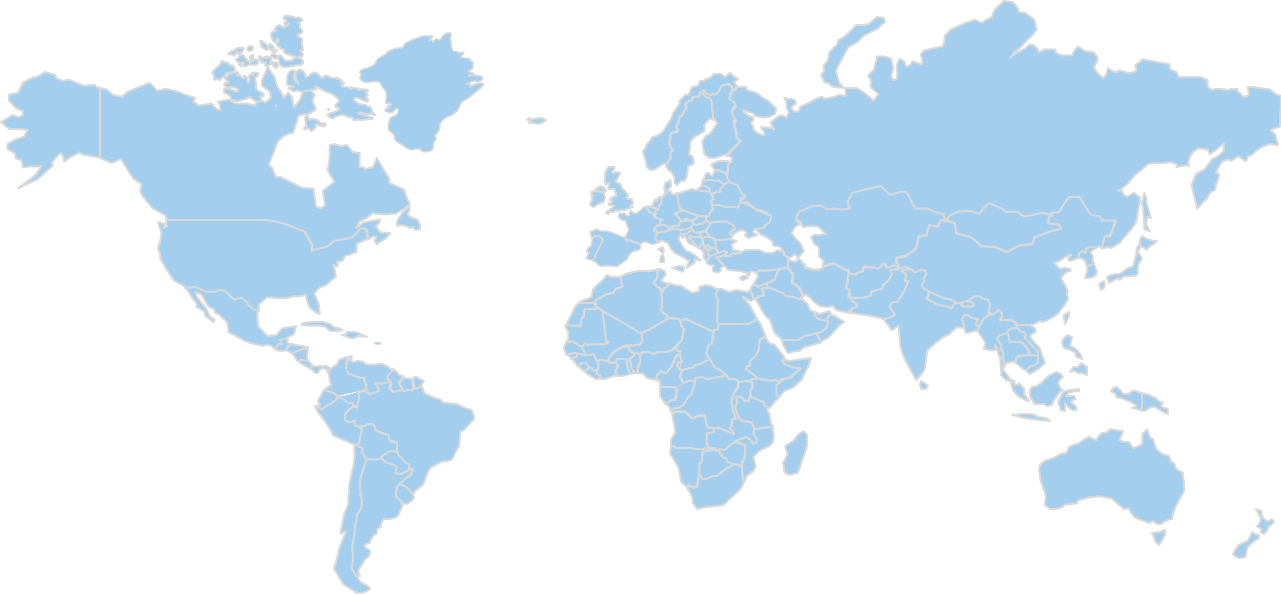
- 06By Region
Market Analysis & Outlook
Oxygen conservation devices are accessories and delivery systems that regulate how supplemental oxygen is released from a cylinder or concentrator, pulsing or metering the flow to reduce gas consumption and extend the usable duration of a fixed oxygen supply. The category spans reservoir cannula-based devices, electromechanical demand-pulsing units and transtracheal catheter-based delivery systems. Buyers include hospitals and clinics, long-term care facilities, and home healthcare and durable medical equipment providers that supply patients managing chronic respiratory conditions on an ongoing basis.
Growth of 8.5% a year carries the global oxygen conservation devices/systems market from USD 1.6 billion in 2025 to USD 3.352 billion in 2034. The full series behind that rate covers USD 0.95 billion in 2020, USD 1.47 billion in 2024, USD 1.745 billion in 2026 and USD 2.418 billion in 2030, with 2025 as the base year.
The type mix shifts over the period. Reservoir Oxygen Delivery Devices is the largest line in 2025 at USD 0.672 billion, a 42% share, moving to USD 1.207 billion and 36% by 2034. Electromechanical Pulsing Devices grows fastest at 11.12%, taking its share from 33% to 41%, while Reservoir Oxygen Delivery Devices grows slowest at 6.65%. Share moves toward Electromechanical Pulsing Devices and away from Reservoir Oxygen Delivery Devices, Transtracheal Catheters and Others, though no line shrinks in revenue terms.
Cut by indication, the largest line is Chronic Bronchitis: 38% of 2025 revenue, worth USD 0.608 billion, and 34% at USD 1.14 billion by 2034. Sleep Apnea grows faster at 11.51% against 7.24%, moving from 22% of revenue to 28% by 2034. Both this axis and the type one divide the same revenue, which is why they are alternative views, not components.
North America is the largest region at 34% of 2025 revenue, worth USD 0.544 billion and reaching USD 1.039 billion by 2034. Europe follows at 27%, moving from USD 0.432 billion to USD 0.838 billion, and Middle East and Africa is the smallest at 6%. Asia Pacific and Middle East and Africa gain share across the period, so growth is not distributed evenly between regions.
The 2025 total is a triangulation of published figures and category proxies, short of a directly sourced total. Segment, regional and country splits are estimated on the same basis, which bounds the precision of the figures above. Coverage runs to five regions, four type lines and five segmentation axes across a fifteen-year window.
Market Size, 2020–2034
USD BillionRevenue in USD Billion. Values up to 2025 are actuals; 2026–2034 are forecast.
Key Takeaways
- The global oxygen conservation devices/systems market moves from USD 0.95 billion in 2020 to USD 1.6 billion in 2025 and USD 3.352 billion by 2034, the forecast period compounding at 8.5% a year.
- 42% of 2025 revenue sits in Reservoir Oxygen Delivery Devices (USD 0.672 billion) and it remains the largest type line in 2034 at USD 1.207 billion and 36%.
- Fastest growth on the type axis belongs to Electromechanical Pulsing Devices: 11.12% a year, USD 0.528 billion to USD 1.374 billion, and a share moving from 33% to 41%.
- Scenario range for 2034 runs from USD 2.71 billion in the bear case to USD 4.15 billion in the bull case, against a base-case USD 3.352 billion, the spread a plan built on this forecast has to absorb.
- The largest region is North America, generating USD 0.544 billion in 2025 (34% of the global total) and USD 1.039 billion by 2034, ahead of Europe at 27%.
- Within North America, the United States is the worked country example, at USD 0.446 billion in 2025; 82% of regional revenue in the base year, and USD 0.831 billion by 2034.
- The study covers 2020 through 2034 with 2025 as the base year, reporting five regions and five segmentation axes separately, with revenue, share and a growth rate for every line in each year.
Market Trends
Revenue Share, By by type
Base year 2025Reservoir Oxygen Delivery Devices leads with 42.0% of by type segment revenue.
Share of by type segment revenue, most recent base year.
Three things move over 2026-2034, and they are worth separating: the type mix, the regional balance, and the 8.5% compounding underneath both.
All three are changes in mix, not in direction: nothing contracts, and the movement is in which lines and regions absorb the new revenue.
Composition shifts on the type axis. The widest spread on the type axis is between Electromechanical Pulsing Devices at 11.12% and Reservoir Oxygen Delivery Devices at 6.65%. By 2034 the two sit at 41% and 36% of revenue, against 33% and 42% in 2025. The revenue figures behind that are USD 0.528 billion to USD 1.374 billion and USD 0.672 billion to USD 1.207 billion. Both expand; where a supplier sits on the axis still decides whether it tracks the market.
Growth concentrates in Asia Pacific and Middle East and Africa. Asia Pacific moves from 26% of revenue in 2025 to 30% in 2034, worth USD 0.416 billion rising to USD 1.006 billion; Middle East and Africa moves from 6% of revenue in 2025 to 7% in 2034, worth USD 0.096 billion rising to USD 0.235 billion. Against that, North America at 34% moving to 31%, Europe at 27% moving to 25%, Latin America at 7% moving to 7%, a fall in share, not in revenue. The practical consequence is that regional weighting decides whether a participant matches the market rate or trails it, regardless of how its own revenue reads.
Growth compounds at 8.5% without a step change. Reading the series: USD 0.95 billion in 2020, USD 1.47 billion in 2024, USD 1.6 billion in 2025, USD 1.745 billion in 2026, USD 2.418 billion in 2030 and USD 3.352 billion in 2034. There is no discontinuity to time, and 8.5% forecast growth against 11% historical means the trend continues and does not turn. For a participant that makes planning a question of capturing a share of steady expansion instead of timing a discontinuity, and it is why the type and regional mixes matter more to a forecast than the headline rate does.
Market Growth Factors
The fastest line decides the blended rate
Market Drivers
3- 01The fastest line decides the blended rate
At 11.12% against a market rate of 8.5%, Electromechanical Pulsing Devices is the line pulling the average up: USD 0.528 billion to USD 1.374 billion, and 33% of revenue to 41%. Set against 6.65% at the other end of the axis, this is the line that decides whether the market's 8.5% holds. Exposure to this line, not to the market as a whole, is what determines a supplier's own rate.
- 02The two largest regions hold most of the base
North America is the largest region at USD 0.544 billion in 2025, 34% of global revenue, and reaches USD 1.039 billion by 2034 while holding 31%. Behind it, Europe holds 27%; USD 0.432 billion rising to USD 0.838 billion. Between them they hold most of the base and most of the revenue added over the period, so equal-weighting the regions in a plan misstates where the growth is.
- 03The trend is already in the record
USD 0.95 billion in 2020, USD 1.47 billion in 2024 and USD 1.6 billion in 2025: 11% compound growth before the forecast period even begins. The forecast continues at 8.5% to USD 3.352 billion in 2034. Because the growth is already in the record and not only in the projection, the rate is held flat across the forecast instead of ramped, and the risk in the number sits in the mix assumptions, not in whether the market grows at all.
Growth drivers
| # | Growth driver | Impact | Gross contribution (Billion) | 2026-28 | 2029-31 | 2032-34 |
|---|---|---|---|---|---|---|
| 1 | Rising home-based long-term oxygen therapy adoption among COPD patients | High | +0.62 | High | High | Medium |
| 2 | Aging population increasing chronic respiratory disease prevalence | High | +0.48 | Medium | High | High |
| 3 | Technology shift toward pulse-dose conserving devices compatible with portable concentrators | Medium-High | +0.34 | Medium | Medium | High |
| 4 | Expanding reimbursement coverage for home oxygen equipment in emerging markets | Medium | +0.22 | Low | Medium | Medium |
| 5 | Growth of retail and online distribution channels improving patient access | Medium | +0.14 | Low | Low | Medium |
| 6 | Others | Low | +0.13 | Low | Low | Low |
| Total | +1.93 | |||||
Restraints
| # | Restraint | Impact | Estimated reduction (Billion) | 2026-28 | 2029-31 | 2032-34 |
|---|---|---|---|---|---|---|
| 1 | Reimbursement constraints and coverage gaps in price-sensitive markets | Medium | −0.09 | Medium | Medium | Low |
| 2 | Competition from alternative oxygen delivery formats, including continuous-flow concentrators and liquid oxygen systems | Medium | −0.06 | Medium | Low | Low |
| 3 | Device durability and maintenance costs limiting replacement cycles in cost-constrained care settings | Low | −0.03 | Low | Low | Low |
| Total | −0.18 | |||||
Drivers contribute 1.93 Billion and restraints remove 0.18 Billion, a net 1.75 Billion, which is the revenue the market adds between the base year and 2034. Contributions are CDI estimates, apportioned so that they reconcile with the forecast rather than being read from it.
Three sources account for the growth to 2034: 8.5% compounding across the base, share moving toward the faster type lines, and above-market expansion in the leading regions.
Restraining Factors
Downside case: USD 2.71 billion by 2034, against USD 3.352 billion in the base case
Market Restraints
2- 01Downside case: USD 2.71 billion by 2034, against USD 3.352 billion in the base case
The study's downside path assumes the bear case assumes reimbursement tightens or stalls in key home care markets and that continuous-flow-compatible setups retain share longer than the base case expects, and ends 2034 at USD 2.71 billion against the USD 3.352 billion base case, the same USD 1.6 billion base year, a slower forecast period.
- 02Reservoir Oxygen Delivery Devices holds the blended rate down
With 42% of 2025 revenue (USD 0.672 billion) Reservoir Oxygen Delivery Devices is where most of the market sits, and it grows at only 6.65% against the market's 8.5%. Revenue still reaches USD 1.207 billion by 2034 and share still falls to 36%: a drag on the average, not a decline.
Market Opportunities
Where the forecast could be beaten
Market Opportunities
2- 01Where the forecast could be beaten
What would beat the forecast: the bull case assumes home care reimbursement broadens faster than expected in the United States and Western Europe and that pulse-dose device adoption accelerates ahead of the base case. That case reaches USD 4.15 billion in 2034 against USD 3.352 billion, and it is worth testing against a reader's own read of the market.
- 02Electromechanical Pulsing Devices share moves from 33% to 41%
Share on the type axis moves toward Electromechanical Pulsing Devices, from 33% in 2025 to 41% in 2034, on 11.12% growth against the market's 8.5% and revenue rising from USD 0.528 billion to USD 1.374 billion. Taking position there does not require displacing whoever holds Reservoir Oxygen Delivery Devices, which is the harder and more expensive fight.
Market Challenges
The total depends on a single line
Market Challenges
2- 01The total depends on a single line
With 42% of 2025 revenue and 36% of 2034 revenue (USD 0.672 billion rising to USD 1.207 billion) Reservoir Oxygen Delivery Devices is where the market's exposure sits. Anything that changes demand for it changes the headline number; nothing else on the axis carries that weight.
- 02The United States is 82% of North America
Of North America's USD 0.544 billion in 2025, USD 0.446 billion (82%) comes from the United States alone, rising to USD 0.831 billion by 2034. The consequence is that regional risk here is really country risk wearing a larger label.
Segmentation Analysis
5 axesfive segmentation axes are reported; by type, by indication, application, technology and distribution channel. Each axis cuts the same total revenue along a different commercial dimension, so the splits are alternative views of one market, not additions to it.
All four type lines expand in revenue terms over the forecast period. Share is the dividing line; one takes it, the others cede it.
By Type · 4 segments
Reservoir Oxygen Delivery Devices Held the Dominant Share of the Type Segment in 2025
- Largest Reservoir Oxygen Delivery Devices · 42%
- Fastest Electromechanical Pulsing Devices · 11.1%
- Moves most Electromechanical Pulsing Devices · +8 pts
- Order by 2034 changes
| Segment | 2025 | Share | 2034 | Share | CAGR |
|---|---|---|---|---|---|
| Reservoir Oxygen Delivery Devices | $0.67B | 42% | $1.21B | 36%-6 | 6.7% |
| Electromechanical Pulsing Devices | $0.53B | 33% | $1.37B | 41%+8 | 11.1% |
| Transtracheal Catheters | $0.24B | 15% | $0.44B | 13%-2 | 6.8% |
| Others | $0.16B | 10% | $0.34B | 10% | 8.5% |
Reservoir oxygen delivery devices lead because they remain the standard prescribed accessory for cylinder-based long-term oxygen therapy across hospitals and home settings, backed by established prescriber familiarity and broad dealer stocking. Electromechanical pulsing devices are growing fastest as demand-sensing valve technology matures, extends cylinder duration further, and increasingly pairs with portable concentrators that patients and clinicians prefer for mobility. Leadership changes hands: Electromechanical Pulsing Devices is the largest line by 2034, not Reservoir Oxygen Delivery Devices. Every year of the series is priced on this axis, making it the reference cut for the rest of the report.
By Indication · 4 segments
Chronic Bronchitis Held the Dominant Share of the Indication Segment in 2025
- Largest Chronic Bronchitis · 38%
- Fastest Sleep Apnea · 11.5%
- Moves most Sleep Apnea · +6 pts
- Order by 2034 unchanged
| Segment | 2025 | Share | 2034 | Share | CAGR |
|---|---|---|---|---|---|
| Chronic Bronchitis | $0.61B | 38% | $1.14B | 34%-4 | 7.2% |
| Emphysema | $0.48B | 30% | $0.94B | 28%-2 | 7.7% |
| Sleep Apnea | $0.35B | 22% | $0.94B | 28%+6 | 11.5% |
| Others | $0.16B | 10% | $0.34B | 10% | 8.6% |
Chronic bronchitis carries the largest share because it accounts for the greatest share of patients placed on continuous long-term oxygen therapy among obstructive respiratory conditions, sustaining steady replacement and accessory demand. Sleep apnea is growing fastest as diagnosis rates rise and overlap grows between supplemental oxygen therapy and positive airway pressure treatment pathways, drawing new prescribing volume into the category. The order does not change: Chronic Bronchitis is still largest in 2034, and what moves is how much it holds.
By Application · 3 segments
Home Care Holds the Largest Application Share and Is Still the Quickest to Grow
- Largest Home Care · 48%
- Fastest Home Care · 10%
- Moves most Home Care · +6 pts
- Order by 2034 unchanged
| Segment | 2025 | Share | 2034 | Share | CAGR |
|---|---|---|---|---|---|
| Hospitals & Clinics | $0.48B | 30% | $0.87B | 26%-4 | 6.9% |
| Long-term Care Units | $0.35B | 22% | $0.67B | 20%-2 | 7.4% |
| Home Care | $0.77B | 48% | $1.81B | 54%+6 | 10% |
Home care leads and is also the fastest-growing setting because payers and health systems continue shifting long-term oxygen therapy away from inpatient and institutional settings toward patient homes, supported by durable medical equipment dealer networks and caregiver-manageable device designs. Hospitals and long-term care units retain steady but slower-growing demand tied to acute stabilization and post-acute recovery, not ongoing chronic management. Home Care remains the largest line through 2034, so the axis changes in proportion, not in order.
By Technology · 2 segments
Scale and Growth Sit in the Same Line on the Technology Axis: Pulse Dose (Demand) Delivery
- Largest Pulse Dose (Demand) Delivery · 63%
- Fastest Pulse Dose (Demand) Delivery · 9.7%
- Moves most Pulse Dose (Demand) Delivery · +6 pts
- Order by 2034 unchanged
| Segment | 2025 | Share | 2034 | Share | CAGR |
|---|---|---|---|---|---|
| Pulse Dose (Demand) Delivery | $1.01B | 63% | $2.31B | 69%+6 | 9.7% |
| Continuous Flow Compatible | $0.59B | 37% | $1.04B | 31%-6 | 6.5% |
Pulse dose delivery leads and grows fastest because demand-sensing valve technology delivers oxygen only during inhalation, which extends cylinder life and supports the portability that ambulatory patients and traveling users increasingly expect. Continuous flow compatible devices remain in steady use mainly among higher-acuity patients whose breathing patterns or oxygen requirements make demand-sensing delivery clinically unsuitable. The order does not change: Pulse Dose (Demand) Delivery is still largest in 2034, and what moves is how much it holds.
By Distribution Channel · 3 segments
Institutional & Tender Sales Led by Distribution channel in 2025, with Online/E-commerce Growing Fastest
- Largest Institutional & Tender Sales · 45%
- Fastest Online/E-commerce · 14.4%
- Moves most Online/E-commerce · +9 pts
- Order by 2034 unchanged
| Segment | 2025 | Share | 2034 | Share | CAGR |
|---|---|---|---|---|---|
| Institutional & Tender Sales | $0.72B | 45% | $1.27B | 38%-7 | 6.5% |
| Retail & HME Dealers | $0.64B | 40% | $1.27B | 38%-2 | 8% |
| Online/E-commerce | $0.24B | 15% | $0.80B | 24%+9 | 14.4% |
Institutional and tender sales lead because hospital systems, group purchasing organizations and large home healthcare providers negotiate contracts that still account for most unit placement. Online and e-commerce channels are growing fastest as patients and caregivers increasingly reorder replacement cannulas and accessories directly, a purchasing pattern retail pharmacies and durable medical equipment storefronts have been slower to capture. The order does not change: Institutional & Tender Sales is still largest in 2034, and what moves is how much it holds.
Regional Insights
Regional Revenue Share
Base year 2025Share of global revenue in the base year.
Only the leading region's share is published outside the report; pins mark the region, not a specific country.
North America Market Analysis
The largest region covered — 3 points of share move elsewhere by 2034, while revenue still grows 1.9×.
- Rank 1 of 5
- 2025 share 34%
- By 2034 31%
- Revenue $0.54B → $1.04B
34% of the global oxygen conservation devices/systems market sits in North America in 2025, worth USD 0.544 billion rising to USD 1.039 billion in 2034. Among the five regions it ranks first by revenue in both years.
Its share moves to 31% by 2034, and the region keeps growing in absolute terms while others expand faster, a change in relative weight, not a decline in demand.
Segment composition follows the global pattern: Reservoir Oxygen Delivery Devices largest at 42% of 2025 revenue, Electromechanical Pulsing Devices fastest at 11.12%. Revenue for North America is broken out by every segmentation axis and by country in the full report.
United States
Sets the pace for North America at 82% of it, growing 1.9×.
- In region 1 of 2
- Of region 82%
- Of global 27.9%
- Revenue $0.45B → $0.83B
USD 0.446 billion of North America's 2025 revenue is generated in the United States, the region's largest market, reaching USD 0.831 billion by 2034. Carrying 82% of the region in the base year, it sets North America's direction instead of merely contributing to it. Against regional totals of USD 0.544 billion in 2025 and USD 1.039 billion in 2034, it is the country the full report breaks out in detail.
the United States buys along the same lines as the market globally; Reservoir Oxygen Delivery Devices first at 42% of 2025 revenue and 36% in 2034, Electromechanical Pulsing Devices fastest at 11.12% on a share moving from 33% to 41%. Because the country carries 82% of North America, a movement in its own mix shows up in the regional totals instead of being averaged away by neighbouring markets. Per-type revenue for the United States appears on its own in the full report.
Oxygen conservation devices sold in the United States are regulated by the Food and Drug Administration as medical devices, most commonly through the premarket notification pathway that requires a manufacturer to demonstrate substantial equivalence to an already cleared device. Manufacturing sites must operate under the FDA's quality system regulation, and firms must register their establishment and list each device with the agency. Labelling must disclose intended use, flow settings, and warnings against use near open flame given the oxygen-enriched environment. Devices intended for home use also fall under FDA guidance for home-use medical products, which asks manufacturers to account for lay users, varied environments, and durability under everyday handling rather than controlled clinical conditions. Electrical and alarm performance is generally assessed against recognized consensus standards that the FDA accepts as evidence of safety and effectiveness.
In the United States the field is Responsive Respiratory, Inc., Invacare Corporation, Medline Industries, Inc., Air Liquide, HERSILL, S.L., Precision Medical, Inc., Medical Depot, Inc. (Drive DeVilbiss Healthcare), GCE Group and Essex Industries, Inc.. Volume sits in Reservoir Oxygen Delivery Devices at 42% of 2025 revenue; movement sits in Electromechanical Pulsing Devices at 11.12% growth. Country-level shares and positioning per company sit in the full report.
Canada
2nd-largest in North America, growing 2.1×.
- In region 2 of 2
- Of region 18%
- Of global 6.1%
- Revenue $0.10B → $0.21B
6.1% of global revenue is generated in Canada; USD 0.098 billion in 2025, reaching USD 0.208 billion in 2034, and 18% of North America.
Europe Market Analysis
The 2nd-largest region covered — 2 points of share move elsewhere by 2034, while revenue still grows 1.9×.
- Rank 2 of 5
- 2025 share 27%
- By 2034 25%
- Revenue $0.43B → $0.84B
Europe holds 27% of the global oxygen conservation devices/systems market in 2025, worth USD 0.432 billion and reaches USD 0.838 billion by 2034. That makes it the second-largest region covered, in 2025 and again in 2034.
25% of global revenue sits here in 2034, below the 2025 level, while nothing contracts here; other regions simply grow faster, which shows up as relative weight, not as falling revenue.
The type mix reported at global level applies here, with Reservoir Oxygen Delivery Devices the largest line at 42% of 2025 revenue and Electromechanical Pulsing Devices the fastest-growing at 11.12%. Revenue for Europe is broken out by every segmentation axis and by country in the full report.
Germany
The largest market in Europe, growing 1.9×.
- In region 1 of 3
- Of region 30%
- Of global 8.1%
- Revenue $0.13B → $0.25B
The largest single market in Europe is Germany, at USD 0.13 billion in 2025 and USD 0.251 billion in 2034. It accounts for 30% of regional revenue in the base year, the largest single share without dominating the region outright. Against regional totals of USD 0.432 billion in 2025 and USD 0.838 billion in 2034, it is the country the full report breaks out in detail.
Composition here matches the global split: the largest line is Reservoir Oxygen Delivery Devices at 42% of 2025 revenue, easing to 36% by 2034, and the fastest is Electromechanical Pulsing Devices at 11.12%, from 33% to 41%. Its 30% weight in Europe means those movements carry straight into the regional totals. Per-type revenue for Germany appears on its own in the full report.
In Germany, oxygen conservation devices are governed by the EU Medical Device Regulation, administered domestically through the Federal Institute for Drugs and Medical Devices. A manufacturer must classify the device according to the regulation's risk-based rules, compile technical documentation, and in most cases engage a notified body before affixing the CE mark that allows sale across the European Union. Conformity with harmonized standards covering electrical safety, alarm systems, and oxygen equipment performance is expected as part of that assessment. Labelling and instructions for use must be provided in German and must state intended purpose, contraindications, and handling precautions relevant to oxygen-enriched equipment. Post-market surveillance obligations continue after launch, requiring the manufacturer to track field performance and report incidents to the competent authority.
In Germany the field is Responsive Respiratory, Inc., Invacare Corporation, Medline Industries, Inc., Air Liquide, HERSILL, S.L., Precision Medical, Inc., Medical Depot, Inc. (Drive DeVilbiss Healthcare), GCE Group and Essex Industries, Inc.. The commercially relevant division is 42% of 2025 revenue in Reservoir Oxygen Delivery Devices, where the volume is, against 11.12% growth in Electromechanical Pulsing Devices, where share moves. The commercial size of that position is USD 0.432 billion in 2025 and USD 0.838 billion by 2034, 27% of the global total in the base year.
United Kingdom
2nd-largest in Europe, growing 1.9×.
- In region 2 of 3
- Of region 26%
- Of global 7%
- Revenue $0.11B → $0.22B
7% of global revenue is generated in the United Kingdom; USD 0.112 billion in 2025, reaching USD 0.218 billion in 2034, and 26% of Europe.
France
3rd-largest in Europe, growing 1.9×.
- In region 3 of 3
- Of region 22%
- Of global 5.9%
- Revenue $0.10B → $0.18B
Within Europe, France accounts for 22% of regional revenue and 5.9% of the global total, worth USD 0.095 billion in 2025 and USD 0.184 billion by 2034.
Asia Pacific Market Analysis
The 3rd-largest region covered, and the one gaining the most — it picks up 4 points of share by 2034, while revenue still grows 2.4×.
- Rank 3 of 5
- 2025 share 26%
- By 2034 30%
- Revenue $0.42B → $1.01B
In Asia Pacific, 26% of global revenue puts 2025 at USD 0.416 billion rising to USD 1.006 billion in 2034. That makes it the third-largest region covered, in 2025 and again in 2034.
30% of global revenue sits here by 2034, up from the 2025 level, at a pace above the 8.5% global rate, so this region warrants separate treatment and should not be scaled off the total.
Segment composition follows the global pattern: Reservoir Oxygen Delivery Devices largest at 42% of 2025 revenue, Electromechanical Pulsing Devices fastest at 11.12%. Per-axis and per-country detail for Asia Pacific sits in the full report.
China
The largest market in Asia Pacific, growing 2.6×.
- In region 1 of 3
- Of region 40%
- Of global 10.4%
- Revenue $0.17B → $0.43B
USD 0.166 billion of Asia Pacific's 2025 revenue is generated in China, the region's largest market, reaching USD 0.433 billion by 2034. At 40% of the region in 2025 it leads, but a majority of Asia Pacific's revenue is generated in other markets. Against regional totals of USD 0.416 billion in 2025 and USD 1.006 billion in 2034, it is the country the full report breaks out in detail.
China buys along the same lines as the market globally; Reservoir Oxygen Delivery Devices first at 42% of 2025 revenue and 36% in 2034, Electromechanical Pulsing Devices fastest at 11.12% on a share moving from 33% to 41%. Since 40% of Asia Pacific's revenue is generated here, the regional numbers inherit this market's mix instead of smoothing it out. The full report reports China by type separately.
China regulates oxygen conservation devices through the National Medical Products Administration, which classifies medical devices by risk and assigns each category a corresponding approval route. A device in this category typically requires registration with the agency, supported by technical review, clinical evaluation data where called for, and testing against applicable national standards covering safety and electromagnetic compatibility. Domestic manufacturers must hold a production licence tied to the registered product, while importers must work through a locally registered agent responsible for post-market obligations. Labelling and instructions must appear in Chinese and set out intended use, contraindications, and storage or handling conditions appropriate to oxygen equipment. Registration certificates are valid for a fixed period and must be renewed, with any material design change generally triggering a fresh review before the updated device can be marketed.
The suppliers tracked in this study (Responsive Respiratory, Inc., Invacare Corporation, Medline Industries, Inc., Air Liquide, HERSILL, S.L., Precision Medical, Inc., Medical Depot, Inc. (Drive DeVilbiss Healthcare), GCE Group and Essex Industries, Inc.) compete in China across the type lines above. Volume sits in Reservoir Oxygen Delivery Devices at 42% of 2025 revenue; movement sits in Electromechanical Pulsing Devices at 11.12% growth. That makes Asia Pacific a 26% share of 2025 global revenue, USD 0.416 billion rising to USD 1.006 billion, for any supplier deciding where to concentrate.
Japan
2nd-largest in Asia Pacific, growing 1.9×.
- In region 2 of 3
- Of region 24%
- Of global 6.2%
- Revenue $0.10B → $0.19B
Japan is sized at USD 0.1 billion in 2025, rising to USD 0.19 billion by 2034; 6.2% of global revenue and 24% of Asia Pacific. It is reported separately from China across every segmentation axis in the full report.
India
3rd-largest in Asia Pacific, growing 3.0×.
- In region 3 of 3
- Of region 18%
- Of global 4.7%
- Revenue $0.07B → $0.23B
India is sized at USD 0.075 billion in 2025, rising to USD 0.225 billion by 2034; 4.7% of global revenue and 18% of Asia Pacific. It is reported separately from China across every segmentation axis in the full report.
Latin America Market Analysis
The 4th-largest region covered, holding its share flat through 2034, while revenue still grows 2.1×.
- Rank 4 of 5
- 2025 share 7%
- By 2034 7%
- Revenue $0.11B → $0.23B
Latin America holds 7% of the global oxygen conservation devices/systems market in 2025, worth USD 0.112 billion rising to USD 0.235 billion in 2034. By revenue it sits fourth across the study, and the ranking does not change between 2025 and 2034.
Its share moves to 7% by 2034, and the region keeps growing in absolute terms while others expand faster, a change in relative weight, not a decline in demand.
Segment composition follows the global pattern: Reservoir Oxygen Delivery Devices largest at 42% of 2025 revenue, Electromechanical Pulsing Devices fastest at 11.12%. Revenue for Latin America is broken out by every segmentation axis and by country in the full report.
Brazil
The largest market in Latin America, growing 2.1×.
- In region 1 of 2
- Of region 55%
- Of global 3.9%
- Revenue $0.06B → $0.13B
The largest single market in Latin America is Brazil, at USD 0.062 billion in 2025 and USD 0.129 billion in 2034. At 55% of the region in 2025 it leads, but a majority of Latin America's revenue is generated in other markets. Set against USD 0.112 billion and USD 0.235 billion for the region, it is why this market, and not a smaller one, is the one reported in full.
The type pattern in Brazil is the global one: 42% of 2025 revenue in Reservoir Oxygen Delivery Devices, 36% by 2034, against 11.12% growth in Electromechanical Pulsing Devices taking it from 33% to 41%. With 55% of Latin America concentrated here, a change in this country's mix is visible in the regional figures instead of being diluted by its neighbours. Per-type revenue for Brazil appears on its own in the full report.
Brazil's National Health Surveillance Agency, ANVISA, oversees the registration and market authorization of medical devices, including oxygen conservation equipment used in respiratory therapy. A supplier must classify the device according to ANVISA's risk-based rules and obtain product registration before sale, with higher-risk classifications facing more extensive technical review. Manufacturing facilities, whether domestic or foreign, are expected to meet Good Manufacturing Practice requirements verified through inspection or equivalent certification recognized by the agency. Portuguese-language labelling must state intended use, operating instructions, and safety warnings relevant to oxygen-enriched devices. A local registration holder is required to maintain the authorization and to handle post-market vigilance, including reporting adverse events, and any change to the device's design or manufacturing site generally requires notifying ANVISA before it takes effect.
In Brazil the field is Responsive Respiratory, Inc., Invacare Corporation, Medline Industries, Inc., Air Liquide, HERSILL, S.L., Precision Medical, Inc., Medical Depot, Inc. (Drive DeVilbiss Healthcare), GCE Group and Essex Industries, Inc.. Volume sits in Reservoir Oxygen Delivery Devices at 42% of 2025 revenue; movement sits in Electromechanical Pulsing Devices at 11.12% growth. That makes Latin America a 7% share of 2025 global revenue, USD 0.112 billion rising to USD 0.235 billion, for any supplier deciding where to concentrate.
Mexico
2nd-largest in Latin America, growing 2.1×.
- In region 2 of 2
- Of region 30%
- Of global 2.1%
- Revenue $0.03B → $0.07B
Within Latin America, Mexico accounts for 30% of regional revenue and 2.1% of the global total, worth USD 0.034 billion in 2025 and USD 0.071 billion by 2034.
Middle East and Africa Market Analysis
The 5th-largest region covered — it picks up 1 point of share by 2034, while revenue still grows 2.4×.
- Rank 5 of 5
- 2025 share 6%
- By 2034 7%
- Revenue $0.10B → $0.23B
Middle East and Africa holds 6% of the global oxygen conservation devices/systems market in 2025, worth USD 0.096 billion rising to USD 0.235 billion in 2034. It is a marginal region on this axis, fifth by revenue throughout the period.
Its share rises to 7% over the forecast period, at a pace above the 8.5% global rate, so this region warrants separate treatment and should not be scaled off the total.
Reservoir Oxygen Delivery Devices leads here as it does globally, at 42% of 2025 revenue, and Electromechanical Pulsing Devices again grows fastest at 11.12%. Revenue for Middle East and Africa is broken out by every segmentation axis and by country in the full report.
Saudi Arabia
The largest market in Middle East and Africa, growing 2.6×.
- In region 1 of 2
- Of region 35%
- Of global 2.1%
- Revenue $0.03B → $0.09B
The largest single market in Middle East and Africa is Saudi Arabia, at USD 0.034 billion in 2025 and USD 0.087 billion in 2034. It accounts for 35% of regional revenue in the base year, the largest single share without dominating the region outright. The region itself runs USD 0.096 billion to USD 0.235 billion over the same period, and this is the market carrying the country-level detail in the full report.
Composition here matches the global split: the largest line is Reservoir Oxygen Delivery Devices at 42% of 2025 revenue, easing to 36% by 2034, and the fastest is Electromechanical Pulsing Devices at 11.12%, from 33% to 41%. Its 35% weight in Middle East and Africa means those movements carry straight into the regional totals. Revenue by type for Saudi Arabia is reported separately in the full report.
Oxygen conservation devices in Saudi Arabia fall under the authority of the Saudi Food and Drug Authority, which requires medical device marketing authorization before a product can be sold in the Kingdom. Classification follows a risk-based system aligned with the wider Gulf regulatory approach, and a manufacturer or its authorized local representative must submit technical documentation demonstrating conformity with recognized safety and performance standards for oxygen therapy equipment. Establishment licensing is required for local distributors and importers, who are responsible for maintaining device records and cooperating with post-market surveillance once the product is in the market. Labelling must be provided in Arabic alongside the original language, stating intended use, handling precautions, and storage conditions suited to an oxygen-enriched device. Ongoing compliance depends on the authorized representative reporting any incidents or corrective actions to the authority.
Responsive Respiratory, Inc., Invacare Corporation, Medline Industries, Inc., Air Liquide, HERSILL, S.L., Precision Medical, Inc., Medical Depot, Inc. (Drive DeVilbiss Healthcare), GCE Group and Essex Industries, Inc. are the suppliers covered in Saudi Arabia. Reservoir Oxygen Delivery Devices, at 42% of 2025 revenue, is where the volume sits, and Electromechanical Pulsing Devices, growing at 11.12%, is where position changes hands over the forecast period. Weighting toward Middle East and Africa means competing for 6% of 2025 global revenue, a base of USD 0.096 billion moving to USD 0.235 billion across the forecast period.
South Africa
2nd-largest in Middle East and Africa, growing 2.3×.
- In region 2 of 2
- Of region 22%
- Of global 1.3%
- Revenue $0.02B → $0.05B
Within Middle East and Africa, South Africa accounts for 22% of regional revenue and 1.3% of the global total, worth USD 0.021 billion in 2025 and USD 0.049 billion by 2034.
Request this sample to see the full data tables and segment-level detail behind this analysis.
Report Coverage
This report assesses the market across every segment, with revenue and a growth rate for each line in each year of the study period. It covers the drivers, trends, opportunities, restraints and challenges shaping growth, the competitive landscape and the companies profiled, and the research methodology behind every estimate. Segmentation is reported by type, indication, application, technology, distribution channel, and regional analysis covers North America, Europe, Asia Pacific, Latin America, Middle East and Africa, each broken out by country.
Competitive Landscape
Suppliers Compete on Reservoir Oxygen Delivery Devices Volume and Electromechanical Pulsing Devices Momentum
Suppliers in scope: Responsive Respiratory, Inc., Invacare Corporation, Medline Industries, Inc., Air Liquide, HERSILL, S.L., Precision Medical, Inc., Medical Depot, Inc. (Drive DeVilbiss Healthcare), GCE Group and Essex Industries, Inc..
The type axis, not the regional one, is where competition happens. Reservoir Oxygen Delivery Devices is 42% of 2025 revenue at USD 0.672 billion and still 36% in 2034, so it is where the volume sits and where an incumbent's position is hardest to move. Electromechanical Pulsing Devices, compounding at 11.12% against 6.65% for Reservoir Oxygen Delivery Devices, is where share changes hands over the forecast period. A supplier positioned in one is not automatically positioned in the other, so a field of this size stays viable in a market of USD 1.6 billion.
Suppliers in this market compete mainly on regulatory clearance experience, since Class II device approval and CE marking under the EU Medical Device Regulation take time to build and reduce launch risk once secured. Manufacturing scale matters for the larger players, who use it to hold institutional tender pricing steady while still investing in valve and sensor refinements. Distribution reach through durable medical equipment dealer networks and, for the industrial gas suppliers, integration with cylinder and delivery infrastructure gives the largest names broader channel access. Smaller and regional manufacturers compete on price, faster order turnaround and localized service and repair relationships that larger suppliers are slower to offer.
Geographic reach is the other axis of competition. North America alone accounts for 34% of 2025 revenue, so a supplier absent there is absent from the largest part of the market whatever its position elsewhere; Europe adds a further 27%.
Company-level profiles, financials, shares and development histories are held in the full report and not in this summary.
List of Key Oxygen Conservation Devices/systems Market Companies Profiled
11 companies profiled. Company profiles, including financials, product portfolios and recent developments, are part of the full report.
- Responsive Respiratory, Inc.(United States)
- Invacare Corporation(United States)
- Medline Industries, Inc.(United States)
- Air Liquide(France)
- HERSILL
- S.L.
- Precision Medical, Inc.(United States)
- Medical Depot
- Inc. (Drive DeVilbiss Healthcare)
- GCE Group(Sweden)
- Essex Industries, Inc.(United States)
Geographic Coverage
Every market below is broken out separately in the report.
North America
3Europe
8Asia Pacific
12Latin America
3Middle East and Africa
4Key Insights
Report Scope
Study parameters & segmentationThis study covers market size and forecasts over the 2020–2034 period, segmentation across 5 axes (Type, Indication, Application, Technology, Distribution Channel), regional analysis for 5 regions and their constituent countries, a competitive landscape profiling 11 key companies, and the research methodology behind every estimate.
Segmentation
5 axes + regionQuestions This Report Answers
6 questionsWhat is the market size and growth rate, globally and by region?
How is the market segmented, and which segments lead?
Which regions and countries are covered, and how do they compare?
What are the key drivers, restraints, opportunities and challenges?
Who are the leading companies operating in this market?
What trends are expected to shape the market through the forecast period?
Frequently Asked Questions
01What is the Oxygen Conservation Devices/systems Market projected to reach?
USD 3.352 Billion by 2034, CAGR 8.5%
02What years does this report cover?
Study period 2020–2034, base year 2025, historical data 2020-2024, forecast period 2026-2034.
03Which regions are covered?
North America, Europe, Asia Pacific, Latin America, Middle East and Africa.
04Which region accounted for the largest market share?
North America leads with 34% of global revenue through 2034.
05Which segment leads the market?
Reservoir Oxygen Delivery Devices is the largest line by type, at 42% of revenue in 2025.
06Who are the key companies profiled?
Responsive Respiratory, Inc., Invacare Corporation, Medline Industries, Inc., Air Liquide, HERSILL, S.L., Precision Medical, Inc., Medical Depot, Inc. (Drive DeVilbiss Healthcare), GCE Group, Essex Industries, Inc.. Full profiles are part of the paid report.
07Can the segmentation be customized?
Yes. Custom data cuts by geography, segment, or competitor set are available on request.
Why choose CDI
Need this report shaped around your question?
The scope isn't fixed. Tell us what your team needs that the standard edition doesn't cover, and an analyst will come back on what can be adjusted and how long it takes, before you commit to anything.
Most licences include 30–60 hours of customization at no extra cost. See what each licence includes
Additional Companies
Add competitors, suppliers or the peer set you benchmark against to the companies already covered.
Deeper Competitive View
Sharpen the landscape work around your own position: product line, channel, or a named shortlist of rivals.
Extra Segment Splits
Break the market down along an axis the standard scope doesn't cut it by, or go a level deeper inside one.
Application Focus
Narrow the analysis to the specific use cases and end users your team actually sells into.
Different Time Frame
Move the base year, or widen the historical and forecast windows the study is built on.
Country-Level Detail
Go below region level into the individual countries that matter to you, rather than the standard geography split.