
Magnesium Thixomolding Machine MarketSize, Share & Industry Analysis, 2026-2034By TypeBy ApplicationBy Machine TypeBy Clamping ForceBy End-use Industry
Full title & scope — all 5 axes with their segments
Magnesium Thixomolding Machine Market Size, Share & Industry Analysis, By Type (Type I, Type II), By Application (Alloys, Plastic Molding), By Machine Type (Vertical Thixomolding Machines, Horizontal Thixomolding Machines, Hybrid Thixomolding Machines), By Clamping Force (Below 650T, 650T-1300T, Above 1300T), By End-use Industry (Automotive, Consumer Electronics, Aerospace & Defense, Industrial & Other), and Regional Forecast, 2026-2034
Market outlook, key takeaways, drivers and challenges for the report period.
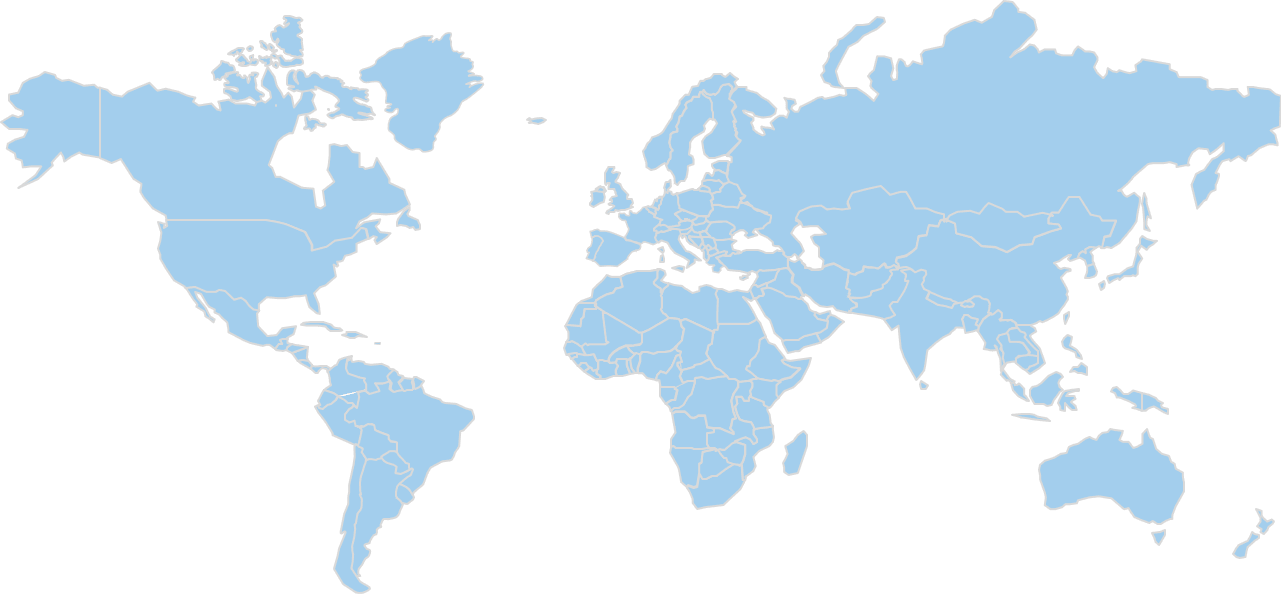
- 01By TypeType I · Type II
- 02By ApplicationAlloys · Plastic Molding
- 03By Machine TypeVertical Thixomolding Machines · Horizontal Thixomolding Machines · Hybrid Thixomolding Machines
- 04By Clamping ForceBelow 650T · 650T-1300T · Above 1300T
- 05By End-use IndustryAutomotive · Consumer Electronics · Aerospace & Defense
- 06By Region
Market Analysis & Outlook
A magnesium thixomolding machine is an injection molding system that feeds magnesium alloy pellets into a heated screw barrel, shears them into a semi-solid slurry, and injects that slurry directly into a mold cavity in a single step, avoiding the separate melting and dosing stages used in conventional die casting. Buyers are magnesium alloy parts producers and the tier-one and tier-two suppliers who mold structural automotive brackets, consumer electronics enclosures, and precision aerospace housings in house.
Between 2025 and 2034 the global magnesium thixomolding machine market moves from USD 215 million to USD 502 million, compounding at 9.66% a year. Fifteen years are covered in all, taking in USD 130 million in 2020, USD 192 million in 2024, USD 240 million in 2026 and USD 359 million in 2030.
On the machine type axis, growth rates run from 8.7% for Vertical Thixomolding Machines up to 14.58% for Hybrid Thixomolding Machines. Vertical Thixomolding Machines carries the volume: USD 111.8 million and 52% of revenue in 2025, USD 241 million and 48% in 2034. Share moves toward Hybrid Thixomolding Machines and away from Vertical Thixomolding Machines and Horizontal Thixomolding Machines, though no line shrinks in revenue terms.
The type split puts Type I first, at USD 133.3 million and 62% of revenue in 2025, rising to USD 271.1 million and 54% in 2034. Type II grows faster at 12.24% against 8.21%, moving from 38% of revenue to 46% by 2034. It cuts the same total as the machine type axis from a different commercial angle, so revenue does not add across the two.
Asia Pacific is the largest region at 58% of 2025 revenue, worth USD 124.7 million and reaching USD 306.2 million by 2034. North America follows at 20%, moving from USD 43 million to USD 90.4 million, and Middle East and Africa is the smallest at 2%. Because Asia Pacific take share, the revenue added by 2034 concentrates instead of spreading across all five regions.
The 2025 total is extrapolated from comparable categories, which is why it should be treated as indicative. Segment, regional and country splits are estimated on the same basis, which bounds the precision of the figures above. Coverage runs to five regions, three machine type lines and five segmentation axes across a fifteen-year window.
Market Size, 2020–2034
USD MillionRevenue in USD Million. Values up to 2025 are actuals; 2026–2034 are forecast.
Key Takeaways
- Revenue grows from USD 215 million in 2025 to USD 502 million in 2034, a compound annual rate of 9.66%, having reached USD 192 million in 2024 from USD 130 million in 2020.
- The largest line by machine type is Vertical Thixomolding Machines, worth USD 111.8 million and 52% of revenue in 2025, rising to USD 241 million and 48% by 2034.
- Fastest growth on the machine type axis belongs to Hybrid Thixomolding Machines: 14.58% a year, USD 25.8 million to USD 90.3 million, and a share moving from 12% to 18%.
- Scenario range for 2034 runs from USD 426.7 million in the bear case to USD 577.3 million in the bull case, against a base-case USD 502 million, the spread a plan built on this forecast has to absorb.
- 58% of 2025 revenue is generated in Asia Pacific, worth USD 124.7 million and rising to USD 306.2 million by 2034; Middle East and Africa is smallest at 2%.
- Within Asia Pacific, China is the worked country example, at USD 68.6 million in 2025; 55% of regional revenue in the base year, and USD 171.5 million by 2034.
- Every line on all five segmentation axes and in each of the five regions carries its own revenue, share and growth rate for all fifteen years, 2020 through 2034, on a 2025 base.
Market Trends
Revenue Share, By by type
Base year 2025Type I leads with 62.0% of by type segment revenue.
Share of by type segment revenue, most recent base year.
Three movements define the forecast period in the global magnesium thixomolding machine market: how the machine type mix changes, where regional weight shifts, and the rate at which the total compounds.
All three are changes in mix, not in direction: nothing contracts, and the movement is in which lines and regions absorb the new revenue.
Hybrid Thixomolding Machines grows faster than Vertical Thixomolding Machines. Hybrid Thixomolding Machines grows at 14.58% across 2026-2034 against 8.7% for Vertical Thixomolding Machines, the widest spread on the machine type axis. By 2034 the two sit at 18% and 48% of revenue, against 12% and 52% in 2025. In absolute terms Hybrid Thixomolding Machines rises from USD 25.8 million to USD 90.3 million, while Vertical Thixomolding Machines rises from USD 111.8 million to USD 241 million. Both grow; the gap is wide enough to reshape the mix inside a single forecast window.
The regional balance moves. Asia Pacific moves from 58% of revenue in 2025 to 61% in 2034, worth USD 124.7 million rising to USD 306.2 million. Share moves off the others in turn: North America at 20% moving to 18%, Europe at 17% moving to 16%, Latin America at 3% moving to 3%, Middle East and Africa at 2% moving to 2%, each still growing in revenue terms. Growth is therefore not something a participant inherits from the market; it depends on which regions its revenue is weighted toward.
Growth compounds at 9.66% without a step change. Year by year the total runs USD 130 million in 2020, USD 192 million in 2024, USD 215 million in 2025, USD 240 million in 2026, USD 359 million in 2030 and USD 502 million in 2034. Against 10.6% through the historical period, the 9.66% forecast rate is a continuation; no year in the series interrupts it. That moves the planning question away from timing a turn and onto the machine type and regional mixes, where the actual movement is.
Market Growth Factors
Hybrid Thixomolding Machines carries the market's growth rate
Market Drivers
3- 01Hybrid Thixomolding Machines carries the market's growth rate
14.58% growth in Hybrid Thixomolding Machines, against 9.66% for the market as a whole, moves it from USD 25.8 million and 12% of revenue in 2025 to USD 90.3 million and 18% in 2034. The market's overall 9.66% depends on that rate holding: at the 8.7% recorded by Vertical Thixomolding Machines, the same revenue base would compound to a materially smaller 2034 total. Where a supplier sits on this axis therefore decides whether it grows with the market or below it.
- 02Growth lands where the revenue already is
58% of 2025 revenue (USD 124.7 million) is generated in Asia Pacific, reaching USD 306.2 million by 2034, with share rising to 61%. North America adds a further 20% at USD 43 million, reaching USD 90.4 million. Because both the existing revenue and the revenue added concentrate in these two, regional weighting matters more to a forecast than regional count does.
- 03The trend is already in the record
USD 130 million in 2020, USD 192 million in 2024 and USD 215 million in 2025: 10.6% compound growth before the forecast period even begins. From there the forecast carries 9.66% through to USD 502 million in 2034. With the trajectory already demonstrated over fifteen years, what remains uncertain is the mix, not the direction, which is where the segment and regional sections do the work.
Growth drivers
| # | Growth driver | Impact | Gross contribution (Million) | 2026-28 | 2029-31 | 2032-34 |
|---|---|---|---|---|---|---|
| 1 | Automotive lightweighting adoption of magnesium thixomolded components | High | +95 | High | High | High |
| 2 | Consumer electronics enclosure demand for thin-wall magnesium parts | High | +80 | High | High | Medium |
| 3 | Capacity expansion among magnesium parts makers in Asia Pacific | Medium-High | +55 | Medium | High | Medium |
| 4 | Replacement of die casting with thixomolding for precision tolerances | Medium | +40 | Low | Medium | High |
| 5 | Aerospace and defense qualification of magnesium alloy components | Medium | +30 | Low | Medium | High |
| 6 | Others | Low | +20 | Medium | Medium | Medium |
| Total | +320 | |||||
Restraints
| # | Restraint | Impact | Estimated reduction (Million) | 2026-28 | 2029-31 | 2032-34 |
|---|---|---|---|---|---|---|
| 1 | Melt handling and inert-atmosphere safety costs limiting new-buyer adoption | Medium | −15 | High | Medium | Low |
| 2 | Competition from established die casting and metal injection molding lines | Medium | −10 | Medium | Medium | Medium |
| 3 | High machine capital cost slowing replacement cycles among smaller molders | Low | −8 | High | Medium | Low |
| Total | −33 | |||||
Drivers contribute 320 Million and restraints remove 33 Million, a net 287 Million, which is the revenue the market adds between the base year and 2034. Contributions are CDI estimates, apportioned so that they reconcile with the forecast rather than being read from it.
Growth in the global magnesium thixomolding machine market comes from three measurable sources over 2026-2034: the market's own compounding at 9.66%, the share gained by faster-growing machine type lines, and expansion in the regions taking a larger part of global revenue.
Restraining Factors
Downside case: USD 426.7 million by 2034, against USD 502 million in the base case
Market Restraints
2- 01Downside case: USD 426.7 million by 2034, against USD 502 million in the base case
The bear case assumes automotive capital spending tightens and consumer electronics enclosure programs delay tooling changeovers, slowing new machine orders through the forecast. On that assumption 2034 revenue lands at USD 426.7 million against the USD 502 million base case, from the same USD 215 million 2025 starting point.
- 02The largest line is not the fastest
With 52% of 2025 revenue (USD 111.8 million) Vertical Thixomolding Machines is where most of the market sits, and it grows at only 8.7% against the market's 9.66%. Revenue still reaches USD 241 million by 2034 and share still falls to 48%: a drag on the average, not a decline.
Market Opportunities
Where the forecast could be beaten
Market Opportunities
2- 01Where the forecast could be beaten
The upside path assumes the bull case assumes automotive OEMs extend magnesium thixomolding qualification to structural parts faster than the base case, pulling new machine orders forward. It ends 2034 at USD 577.3 million against a USD 502 million base case, off the same USD 215 million base year.
- 02Hybrid Thixomolding Machines is where share changes hands
Hybrid Thixomolding Machines grows at 14.58% against 9.66% for the market, adding revenue from USD 25.8 million in 2025 to USD 90.3 million in 2034 and taking its share from 12% to 18%. It is the place on this axis where share changes hands at scale, so it is where an entrant can take position without displacing the incumbent in Vertical Thixomolding Machines.
Market Challenges
The total depends on a single line
Market Challenges
2- 01The total depends on a single line
USD 111.8 million of 2025 revenue sits in Vertical Thixomolding Machines, 52% of the total, and it is still 48% at USD 241 million nine years later. That concentration means the market's own forecast is, to a large extent, a forecast for one machine type line.
- 02One country drives the leading region
Of Asia Pacific's USD 124.7 million in 2025, USD 68.6 million (55%) comes from China alone, rising to USD 171.5 million by 2034. The consequence is that regional risk here is really country risk wearing a larger label.
Segmentation Analysis
5 axesSegmentation runs along five axes: machine type, type, application, clamping force and end-use industry. Each axis cuts the same total revenue along a different commercial dimension, so the splits are alternative views of one market, not additions to it.
All three machine type lines expand in revenue terms over the forecast period. Share is the dividing line; one takes it, the others cede it.
By Type · 2 segments
Type II Outpaces the Axis While Type I Holds the Largest Share
- Largest Type I · 62%
- Fastest Type II · 12.2%
- Moves most Type I · -8 pts
- Order by 2034 unchanged
| Segment | 2025 | Share | 2034 | Share | CAGR |
|---|---|---|---|---|---|
| Type I | $133M | 62% | $271M | 54%-8 | 8.2% |
| Type II | $81.70M | 38% | $231M | 46%+8 | 12.2% |
Type I machines lead because they cover the general purpose tonnage range that fits most existing mold tooling and plant layouts, giving buyers the least disruptive upgrade path. Type II machines grow fastest as manufacturers automate shot control and quality monitoring to cut scrap rates and meet the tighter tolerance and traceability demands automotive and electronics customers now specify. By 2034 Type I is still ahead, making this a shift in weight, not a change of leader.
By Application · 2 segments
Scale in Alloys and Growth in Plastic Molding Define the Application Axis
- Largest Alloys · 78%
- Fastest Plastic Molding · 11.9%
- Moves most Alloys · -4 pts
- Order by 2034 unchanged
| Segment | 2025 | Share | 2034 | Share | CAGR |
|---|---|---|---|---|---|
| Alloys | $168M | 78% | $372M | 74%-4 | 9.2% |
| Plastic Molding | $47.30M | 22% | $131M | 26%+4 | 11.9% |
Alloys leads because magnesium parts producers still represent the core buyer base for this equipment, purchasing machines specifically to mold structural and enclosure components that require the semi-solid process. Plastic molding applications grow faster as machine builders position dual capability platforms that let a single line switch between magnesium and polymer runs, spreading capital cost across more production programs. Plastic Molding outgrows every other line on this axis, narrowing the gap to Alloys. Alloys remains the largest line through 2034, so the axis changes in proportion, not in order.
By Machine Type · 3 segments
Vertical Thixomolding Machines Held the Dominant Share of the Machine type Segment in 2025
- Largest Vertical Thixomolding Machines · 52%
- Fastest Hybrid Thixomolding Machines · 14.6%
- Moves most Hybrid Thixomolding Machines · +6 pts
- Order by 2034 unchanged
| Segment | 2025 | Share | 2034 | Share | CAGR |
|---|---|---|---|---|---|
| Vertical Thixomolding Machines | $112M | 52% | $241M | 48%-4 | 8.7% |
| Horizontal Thixomolding Machines | $77.40M | 36% | $171M | 34%-2 | 9% |
| Hybrid Thixomolding Machines | $25.80M | 12% | $90.30M | 18%+6 | 14.6% |
Vertical machines lead because they suit the small, thin wall parts that dominate consumer electronics enclosure production, and most installed capacity was built around that application. Hybrid machines grow fastest because they combine vertical clamping precision with horizontal shot flexibility in a single line, letting one machine serve both electronics and larger automotive programs. Buyers now specify that configuration for new capacity instead of adding another single purpose line. The order does not change: Vertical Thixomolding Machines is still largest in 2034, and what moves is how much it holds. Every year of the series is priced on this axis, making it the reference cut for the rest of the report.
By Clamping Force · 3 segments
Above 1300T Outpaces the Axis While 650T-1300T Holds the Largest Share
- Largest 650T-1300T · 45%
- Fastest Above 1300T · 13.1%
- Moves most Above 1300T · +6 pts
- Order by 2034 unchanged
| Segment | 2025 | Share | 2034 | Share | CAGR |
|---|---|---|---|---|---|
| Below 650T | $75.20M | 35% | $151M | 30%-5 | 8% |
| 650T-1300T | $96.80M | 45% | $221M | 44%-1 | 9.6% |
| Above 1300T | $43M | 20% | $131M | 26%+6 | 13.1% |
The mid tonnage class leads because it matches the mold sizes most automotive brackets and larger electronics housings require, giving it the broadest base of qualified tooling. The highest tonnage class grows fastest as automotive OEMs qualify larger structural castings for thixomolding that were previously reserved for die casting, pulling new capacity toward machines that can hold that mold size. The order does not change: 650T-1300T is still largest in 2034, and what moves is how much it holds.
By End-use Industry · 4 segments
Consumer Electronics Led by End-use industry in 2025, with Aerospace & Defense Growing Fastest
- Largest Consumer Electronics · 42%
- Fastest Aerospace & Defense · 11.8%
- Moves most Consumer Electronics · -4 pts
- Order by 2034 unchanged
| Segment | 2025 | Share | 2034 | Share | CAGR |
|---|---|---|---|---|---|
| Automotive | $73.10M | 34% | $186M | 37%+3 | 10.9% |
| Consumer Electronics | $90.30M | 42% | $191M | 38%-4 | 8.7% |
| Aerospace & Defense | $25.80M | 12% | $70.30M | 14%+2 | 11.8% |
| Industrial & Other | $25.80M | 12% | $55.20M | 11%-1 | 8.8% |
Consumer electronics leads because enclosure programs order machines in higher volume and replace tooling more often than automotive or aerospace programs do. Automotive grows fastest as OEMs extend magnesium thixomolding from brackets and housings into larger structural parts, a qualification process that takes years but adds tonnage class capacity once it clears. Aerospace and industrial buyers remain smaller, specialized segments. By 2034 Consumer Electronics is still ahead, making this a shift in weight, not a change of leader.
Regional Insights
Regional Revenue Share
Base year 2025Share of global revenue in the base year.
Only the leading region's share is published outside the report; pins mark the region, not a specific country.
Asia Pacific Market Analysis
The largest region covered, and the one gaining the most — it picks up 3 points of share by 2034, while revenue still grows 2.5×.
- Rank 1 of 5
- 2025 share 58%
- By 2034 61%
- Revenue $125M → $306M
USD 124.7 million of 2025 revenue is generated in Asia Pacific, 58% of the global magnesium thixomolding machine market on the way to USD 306.2 million by 2034. That makes it the first-largest region covered, in 2025 and again in 2034.
61% of global revenue sits here by 2034, up from the 2025 level, at a pace above the 9.66% global rate, so this region warrants separate treatment and should not be scaled off the total.
Within the region the machine type split tracks the global one; 52% of 2025 revenue in Vertical Thixomolding Machines, fastest growth of 14.58% in Hybrid Thixomolding Machines. The full report breaks Asia Pacific out along every axis and by country.
China
The largest market in Asia Pacific, growing 2.5×.
- In region 1 of 3
- Of region 55%
- Of global 31.9%
- Revenue $68.60M → $172M
The largest single market in Asia Pacific is China, at USD 68.6 million in 2025 and USD 171.5 million in 2034. At 55% of the region in 2025 it leads, but a majority of Asia Pacific's revenue is generated in other markets. Set against USD 124.7 million and USD 306.2 million for the region, it is why this market, and not a smaller one, is the one reported in full.
The machine type pattern in China is the global one: 52% of 2025 revenue in Vertical Thixomolding Machines, 48% by 2034, against 14.58% growth in Hybrid Thixomolding Machines taking it from 12% to 18%. With 55% of Asia Pacific concentrated here, a change in this country's mix is visible in the regional figures instead of being diluted by its neighbours. Revenue by machine type for China is reported separately in the full report.
In China, magnesium thixomolding machines fall under the special equipment and industrial machinery oversight administered by the State Administration for Market Regulation, working through its certification arm for compulsory product certification. A machine of this kind, built around pressurized injection of molten or semi-solid magnesium alloy, is treated as industrial equipment subject to national safety standards covering pressure-bearing components, electrical systems, and machine guarding. Suppliers must demonstrate conformity through type testing and factory inspection before a unit can be sold or installed, and documentation must accompany the equipment in Chinese. Given magnesium's reactivity in molten form, fire and explosion protection provisions under national workplace safety regulation also apply to the installation and operating environment, placing additional obligations on both the machine builder and the end-user facility that commissions it.
The suppliers tracked in this study (JSW, Kunshan Dapeng Precision Machinery Co.,Ltd, Buchanan Sales Company, LTC GmbH, Yizumi Machinery, Designfax, ASM International and AB Technology) compete in China across the machine type lines above. Two different problems sit on the same axis: holding Vertical Thixomolding Machines at 52% of 2025 revenue, and taking Hybrid Thixomolding Machines while it grows at 14.58%. Country-level shares and positioning per company sit in the full report.
Japan
2nd-largest in Asia Pacific, growing 2.4×.
- In region 2 of 3
- Of region 25%
- Of global 14.5%
- Revenue $31.20M → $73.50M
Japan is sized at USD 31.2 million in 2025, rising to USD 73.5 million by 2034; 14.5% of global revenue and 25% of Asia Pacific. It is reported separately from China across every segmentation axis in the full report.
South Korea
3rd-largest in Asia Pacific, growing 2.4×.
- In region 3 of 3
- Of region 12%
- Of global 7%
- Revenue $15M → $36.70M
South Korea is sized at USD 15 million in 2025, rising to USD 36.7 million by 2034; 7% of global revenue and 12% of Asia Pacific. It is reported separately from China across every segmentation axis in the full report.
North America Market Analysis
The 2nd-largest region covered — 2 points of share move elsewhere by 2034, while revenue still grows 2.1×.
- Rank 2 of 5
- 2025 share 20%
- By 2034 18%
- Revenue $43M → $90.40M
20% of the global magnesium thixomolding machine market sits in North America in 2025, worth USD 43 million rising to USD 90.4 million in 2034. Among the five regions it ranks second by revenue in both years.
Its share moves to 18% by 2034, and the region keeps growing in absolute terms while others expand faster, a change in relative weight, not a decline in demand.
Within the region the machine type split tracks the global one; 52% of 2025 revenue in Vertical Thixomolding Machines, fastest growth of 14.58% in Hybrid Thixomolding Machines. The full report breaks North America out along every axis and by country.
United States
Sets the pace for North America at 75.1% of it, growing 2.1×.
- In region 1 of 3
- Of region 75.1%
- Of global 15%
- Revenue $32.30M → $68.70M
The United States is the largest market within North America, generating USD 32.3 million in 2025 and projected to reach USD 68.7 million by 2034. Because it is 75.1% of the region in the base year, North America's totals move with this one country instead of a spread of them. Against regional totals of USD 43 million in 2025 and USD 90.4 million in 2034, it is the country the full report breaks out in detail.
The machine type pattern in the United States is the global one: 52% of 2025 revenue in Vertical Thixomolding Machines, 48% by 2034, against 14.58% growth in Hybrid Thixomolding Machines taking it from 12% to 18%. Its 75.1% weight in North America means those movements carry straight into the regional totals. Per-machine type revenue for the United States appears on its own in the full report.
In the United States, magnesium thixomolding machines are regulated primarily as industrial machinery under the Occupational Safety and Health Administration, which enforces general machine guarding, lockout-tagout, and electrical safety requirements applicable to metalworking equipment. Because thixomolding involves molten and semi-solid magnesium, a reactive metal capable of igniting under certain conditions, the National Fire Protection Association's standard for combustible metals informs how facilities must handle material storage, dust control, and fire suppression around the equipment. Machine builders commonly design to consensus standards published by bodies such as the American National Standards Institute and the Society of Plastics Industry for injection molding equipment safety, even though conformity to these is voluntary rather than mandatory. A supplier placing equipment into a covered facility should expect the buyer's insurer and OSHA inspectors to reference these standards during commissioning and periodic safety review.
JSW, Kunshan Dapeng Precision Machinery Co.,Ltd, Buchanan Sales Company, LTC GmbH, Yizumi Machinery, Designfax, ASM International and AB Technology are the suppliers covered in the United States. Volume sits in Vertical Thixomolding Machines at 52% of 2025 revenue; movement sits in Hybrid Thixomolding Machines at 14.58% growth. That makes North America a 20% share of 2025 global revenue, USD 43 million rising to USD 90.4 million, for any supplier deciding where to concentrate.
Mexico
2nd-largest in North America, growing 2.1×.
- In region 2 of 3
- Of region 15.1%
- Of global 3%
- Revenue $6.50M → $13.60M
Mexico is sized at USD 6.5 million in 2025, rising to USD 13.6 million by 2034; 3% of global revenue and 15.1% of North America. It is reported separately from the United States across every segmentation axis in the full report.
Canada
3rd-largest in North America, growing 2.1×.
- In region 3 of 3
- Of region 7.9%
- Of global 1.6%
- Revenue $3.40M → $7.20M
1.6% of global revenue is generated in Canada; USD 3.4 million in 2025, reaching USD 7.2 million in 2034, and 7.9% of North America.
Europe Market Analysis
The 3rd-largest region covered — 1 point of share move elsewhere by 2034, while revenue still grows 2.2×.
- Rank 3 of 5
- 2025 share 17%
- By 2034 16%
- Revenue $36.50M → $80.30M
Europe holds 17% of the global magnesium thixomolding machine market in 2025, worth USD 36.5 million and reaches USD 80.3 million by 2034. It is a mid-sized region on this axis, third by revenue throughout the period.
By 2034 the share stands at 16%, while nothing contracts here; other regions simply grow faster, which shows up as relative weight, not as falling revenue.
Within the region the machine type split tracks the global one; 52% of 2025 revenue in Vertical Thixomolding Machines, fastest growth of 14.58% in Hybrid Thixomolding Machines. The full report breaks Europe out along every axis and by country.
Germany
The largest market in Europe, growing 2.2×.
- In region 1 of 3
- Of region 40%
- Of global 6.8%
- Revenue $14.60M → $32.10M
USD 14.6 million of Europe's 2025 revenue is generated in Germany, the region's largest market, reaching USD 32.1 million by 2034. Its 40% of base-year regional revenue leads the region, though enough sits elsewhere that Europe is not a proxy for it. Regional revenue of USD 36.5 million in 2025 and USD 80.3 million in 2034 sits around it, and it is the country used wherever the full report cuts a figure by geography.
Germany buys along the same lines as the market globally; Vertical Thixomolding Machines first at 52% of 2025 revenue and 48% in 2034, Hybrid Thixomolding Machines fastest at 14.58% on a share moving from 12% to 18%. With 40% of Europe concentrated here, a change in this country's mix is visible in the regional figures instead of being diluted by its neighbours. Per-machine type revenue for Germany appears on its own in the full report.
In Germany, magnesium thixomolding machines are regulated under the European Union's Machinery Regulation, transposed into national law and enforced through the German Product Safety Act. A manufacturer or importer placing such equipment on the market must carry out a conformity assessment against the relevant harmonized standards for plastics and rubber machinery, affix CE marking, and issue a declaration of conformity along with a technical file describing the machine's safety functions, including guarding around the injection unit and controls for handling reactive molten metal. Given the fire risk associated with magnesium in molten or fine particulate form, national occupational safety ordinances addressing hazardous substances and explosive atmospheres also apply to how the equipment is installed and operated within a facility, requiring the employer to assess ignition risk as part of workplace commissioning.
JSW, Kunshan Dapeng Precision Machinery Co.,Ltd, Buchanan Sales Company, LTC GmbH, Yizumi Machinery, Designfax, ASM International and AB Technology are the suppliers covered in Germany. Volume sits in Vertical Thixomolding Machines at 52% of 2025 revenue; movement sits in Hybrid Thixomolding Machines at 14.58% growth. Weighting toward Europe means competing for 17% of 2025 global revenue, a base of USD 36.5 million moving to USD 80.3 million across the forecast period.
Italy
2nd-largest in Europe, growing 2.2×.
- In region 2 of 3
- Of region 20%
- Of global 3.4%
- Revenue $7.30M → $16.10M
Within Europe, Italy accounts for 20% of regional revenue and 3.4% of the global total, worth USD 7.3 million in 2025 and USD 16.1 million by 2034.
United Kingdom
3rd-largest in Europe, growing 2.2×.
- In region 3 of 3
- Of region 14%
- Of global 2.4%
- Revenue $5.10M → $11.20M
Within Europe, the United Kingdom accounts for 14% of regional revenue and 2.4% of the global total, worth USD 5.1 million in 2025 and USD 11.2 million by 2034.
Latin America Market Analysis
The 4th-largest region covered, holding its share flat through 2034, while revenue still grows 2.3×.
- Rank 4 of 5
- 2025 share 3%
- By 2034 3%
- Revenue $6.50M → $15.10M
3% of the global magnesium thixomolding machine market sits in Latin America in 2025, worth USD 6.5 million and reaches USD 15.1 million by 2034. It is a marginal region on this axis, fourth by revenue throughout the period.
By 2034 the share stands at 3%, though revenue still rises throughout; the shift is in the region's weight against faster-growing ones, which is not the same as weakening demand.
Segment composition follows the global pattern: Vertical Thixomolding Machines largest at 52% of 2025 revenue, Hybrid Thixomolding Machines fastest at 14.58%. Latin America is reported axis by axis and country by country in the full study.
Brazil
The largest market in Latin America, growing 2.4×.
- In region 1 of 2
- Of region 55.4%
- Of global 1.7%
- Revenue $3.60M → $8.50M
USD 3.6 million of Latin America's 2025 revenue is generated in Brazil, the region's largest market, reaching USD 8.5 million by 2034. 55.4% of the region in the base year makes it the largest market here without making it the region. Set against USD 6.5 million and USD 15.1 million for the region, it is why this market, and not a smaller one, is the one reported in full.
Composition here matches the global split: the largest line is Vertical Thixomolding Machines at 52% of 2025 revenue, easing to 48% by 2034, and the fastest is Hybrid Thixomolding Machines at 14.58%, from 12% to 18%. Because the country carries 55.4% of Latin America, a movement in its own mix shows up in the regional totals instead of being averaged away by neighbouring markets. Per-machine type revenue for Brazil appears on its own in the full report.
In Brazil, industrial machinery of this kind is governed by the Ministry of Labour and Employment's regulatory standard covering machine and equipment safety, which requires risk assessment, protective guarding, and an operations and maintenance manual before a machine can be commissioned at a workplace. Conformity to Brazilian technical standards published by the national standards body is expected for the machine's electrical and mechanical safety systems, and suppliers typically arrange local certification or testing to demonstrate compliance during import. Because thixomolding handles magnesium in a reactive semi-solid or molten state, fire authorities at the state level may impose additional requirements on facility layout and suppression systems around the equipment. A supplier entering this market should expect the buyer to require Portuguese-language documentation and evidence of standards conformity as a condition of installation and use.
The suppliers tracked in this study (JSW, Kunshan Dapeng Precision Machinery Co.,Ltd, Buchanan Sales Company, LTC GmbH, Yizumi Machinery, Designfax, ASM International and AB Technology) compete in Brazil across the machine type lines above. Volume sits in Vertical Thixomolding Machines at 52% of 2025 revenue; movement sits in Hybrid Thixomolding Machines at 14.58% growth. The commercial size of that position is USD 6.5 million in 2025 and USD 15.1 million by 2034, 3% of the global total in the base year.
Argentina
2nd-largest in Latin America, growing 2.3×.
- In region 2 of 2
- Of region 20%
- Of global 0.6%
- Revenue $1.30M → $3M
Within Latin America, Argentina accounts for 20% of regional revenue and 0.6% of the global total, worth USD 1.3 million in 2025 and USD 3 million by 2034.
Middle East and Africa Market Analysis
The 5th-largest region covered, holding its share flat through 2034, while revenue still grows 2.3×.
- Rank 5 of 5
- 2025 share 2%
- By 2034 2%
- Revenue $4.30M → $10M
USD 4.3 million of 2025 revenue is generated in Middle East and Africa, 2% of the global magnesium thixomolding machine market with USD 10 million projected for 2034. By revenue it sits fifth across the study, and the ranking does not change between 2025 and 2034.
Share settles at 2% in 2034, while nothing contracts here; other regions simply grow faster, which shows up as relative weight, not as falling revenue.
Within the region the machine type split tracks the global one; 52% of 2025 revenue in Vertical Thixomolding Machines, fastest growth of 14.58% in Hybrid Thixomolding Machines. Revenue for Middle East and Africa is broken out by every segmentation axis and by country in the full report.
United Arab Emirates
The largest market in Middle East and Africa, growing 2.4×.
- In region 1 of 2
- Of region 34.9%
- Of global 0.7%
- Revenue $1.50M → $3.60M
The largest single market in Middle East and Africa is the United Arab Emirates, at USD 1.5 million in 2025 and USD 3.6 million in 2034. 34.9% of the region in the base year makes it the largest market here without making it the region. Regional revenue of USD 4.3 million in 2025 and USD 10 million in 2034 sits around it, and it is the country used wherever the full report cuts a figure by geography.
Demand in the United Arab Emirates follows the machine type mix reported at global level: Vertical Thixomolding Machines is the largest line at 52% of 2025 revenue, moving to 48% by 2034, while Hybrid Thixomolding Machines grows fastest at 14.58% and takes its share from 12% to 18%. Since 34.9% of Middle East and Africa's revenue is generated here, the regional numbers inherit this market's mix instead of smoothing it out. The full report reports the United Arab Emirates by machine type separately.
In the United Arab Emirates, industrial machinery imported for manufacturing use is regulated through the Ministry of Industry and Advanced Technology alongside the Emirates Authority for Standardization and Metrology, which sets conformity requirements for machinery safety drawing heavily on international and European harmonized standards. A supplier of magnesium thixomolding equipment should expect to provide technical documentation demonstrating that guarding, electrical systems, and control functions meet recognized safety standards for plastics and metal processing machinery, since the UAE does not maintain a separate domestic standard specific to this equipment category. Civil defense authorities in each emirate additionally review fire and life-safety provisions for facilities handling reactive metals, given the ignition hazard associated with magnesium in molten form, and may require specific suppression and ventilation arrangements before an operating permit is issued for the site housing the machine.
In the United Arab Emirates the field is JSW, Kunshan Dapeng Precision Machinery Co.,Ltd, Buchanan Sales Company, LTC GmbH, Yizumi Machinery, Designfax, ASM International and AB Technology. Vertical Thixomolding Machines, at 52% of 2025 revenue, is where the volume sits, and Hybrid Thixomolding Machines, growing at 14.58%, is where position changes hands over the forecast period. That makes Middle East and Africa a 2% share of 2025 global revenue, USD 4.3 million rising to USD 10 million, for any supplier deciding where to concentrate.
South Africa
2nd-largest in Middle East and Africa, growing 2.3×.
- In region 2 of 2
- Of region 25.6%
- Of global 0.5%
- Revenue $1.10M → $2.50M
South Africa is sized at USD 1.1 million in 2025, rising to USD 2.5 million by 2034; 0.5% of global revenue and 25.6% of Middle East and Africa. It is reported separately from the United Arab Emirates across every segmentation axis in the full report.
Request this sample to see the full data tables and segment-level detail behind this analysis.
Report Coverage
This report assesses the market across every segment, with revenue and a growth rate for each line in each year of the study period. It covers the drivers, trends, opportunities, restraints and challenges shaping growth, the competitive landscape and the companies profiled, and the research methodology behind every estimate. Segmentation is reported by type, application, machine type, clamping force, end-use industry, and regional analysis covers Asia Pacific, North America, Europe, Latin America, Middle East and Africa, each broken out by country.
Competitive Landscape
Position on the Machine type Axis Decides Competitive Standing
Eight suppliers are covered: JSW, Kunshan Dapeng Precision Machinery Co.,Ltd, Buchanan Sales Company, LTC GmbH, Yizumi Machinery, Designfax, ASM International and AB Technology.
Competition follows the machine type split, not the regional one. Vertical Thixomolding Machines is 52% of 2025 revenue at USD 111.8 million and still 48% in 2034, so it is where the volume sits and where an incumbent's position is hardest to move. The line that changes hands is Hybrid Thixomolding Machines at 14.58%, well ahead of Vertical Thixomolding Machines at 8.7%. A supplier positioned in one is not automatically positioned in the other, so a field of this size stays viable in a market of USD 215 million.
Suppliers compete mainly on shot control precision and tonnage-class engineering depth, since mold-fill consistency at magnesium's narrow processing window is what separates a reliable installation from a scrapped production run. Regional service and spare-parts reach matters nearly as much, because unplanned downtime on a single machine can stall an entire production line, and proximity to Asia's concentrated installed base is a real advantage. The largest builders lead on tonnage range, automation integration, and a track record of qualified automotive and electronics installations. Smaller and regional suppliers compete on price, shorter lead times, and closer application support for buyers running a single line rather than a multi-site program.
Presence matters unevenly by region. With 58% of 2025 revenue in Asia Pacific and 20% in North America, a supplier's coverage of those two decides most of its addressable base before any product question arises.
Per-company profiles, financials, share and development history are in the full report and not here.
List of Key Magnesium Thixomolding Machine Market Companies Profiled
8 companies profiled. Company profiles, including financials, product portfolios and recent developments, are part of the full report.
- JSW(Japan)
- Kunshan Dapeng Precision Machinery Co.,Ltd(China)
- Buchanan Sales Company(United States)
- LTC GmbH(Germany)
- Yizumi Machinery(China)
- Designfax(United States)
- ASM International(Netherlands)
- AB Technology
Geographic Coverage
Every market below is broken out separately in the report.
Asia Pacific
12North America
3Europe
8Latin America
3Middle East and Africa
4Key Insights
Report Scope
Study parameters & segmentationThis study covers market size and forecasts over the 2020–2034 period, segmentation across 5 axes (Type, Application, Machine Type, Clamping Force, End-use Industry), regional analysis for 5 regions and their constituent countries, a competitive landscape profiling 8 key companies, and the research methodology behind every estimate.
Segmentation
5 axes + regionQuestions This Report Answers
6 questionsWhat is the market size and growth rate, globally and by region?
How is the market segmented, and which segments lead?
Which regions and countries are covered, and how do they compare?
What are the key drivers, restraints, opportunities and challenges?
Who are the leading companies operating in this market?
What trends are expected to shape the market through the forecast period?
Frequently Asked Questions
01What is the Magnesium Thixomolding Machine Market projected to reach?
USD 502 Million by 2034, CAGR 9.66%
02What years does this report cover?
Study period 2020–2034, base year 2025, historical data 2020-2024, forecast period 2026-2034.
03Which regions are covered?
Asia Pacific, North America, Europe, Latin America, Middle East and Africa.
04Which region accounted for the largest market share?
Asia Pacific leads with 58% of global revenue through 2034.
05Which segment leads the market?
Type I is the largest line by type, at 62% of revenue in 2025.
06Who are the key companies profiled?
JSW, Kunshan Dapeng Precision Machinery Co.,Ltd, Buchanan Sales Company, LTC GmbH, Yizumi Machinery, Designfax, ASM International, AB Technology. Full profiles are part of the paid report.
07Can the segmentation be customized?
Yes. Custom data cuts by geography, segment, or competitor set are available on request.
Why choose CDI
Need this report shaped around your question?
The scope isn't fixed. Tell us what your team needs that the standard edition doesn't cover, and an analyst will come back on what can be adjusted and how long it takes, before you commit to anything.
Most licences include 30–60 hours of customization at no extra cost. See what each licence includes
Additional Companies
Add competitors, suppliers or the peer set you benchmark against to the companies already covered.
Deeper Competitive View
Sharpen the landscape work around your own position: product line, channel, or a named shortlist of rivals.
Extra Segment Splits
Break the market down along an axis the standard scope doesn't cut it by, or go a level deeper inside one.
Application Focus
Narrow the analysis to the specific use cases and end users your team actually sells into.
Different Time Frame
Move the base year, or widen the historical and forecast windows the study is built on.
Country-Level Detail
Go below region level into the individual countries that matter to you, rather than the standard geography split.