
Legal Publishing MarketSize, Share & Industry Analysis, 2026-2034By Content TypeBy FormatBy Practice AreaBy End UserBy Distribution Channel
Full title & scope — all 5 axes with their segments
Legal Publishing Market Size, Share & Industry Analysis, By Content Type (Case Law & Statutory Databases, Practitioner Treatises & Reference Books, Legal Journals & Periodicals, Practice-Area Guides & Loose-Leaf Services, Regulatory & Compliance Content, News & Current-Awareness Services), By Format (Print, Digital & Online Subscription, Integrated Research Platforms), By Practice Area (Corporate & Commercial Law, Litigation & Dispute Resolution, Intellectual Property, Tax & Regulatory Compliance, Real Estate & Property Law, Labor & Employment), By End User (Law Firms, Corporate Legal Departments, Government & Judiciary, Academic & Law Libraries, Solo Practitioners), By Distribution Channel (Direct Subscription, Law Firm & Institutional Licensing, Library & Consortia Licensing, Third-Party Legal Research Platforms), and Regional Forecast, 2026-2034
Market outlook, key takeaways, drivers and challenges for the report period.
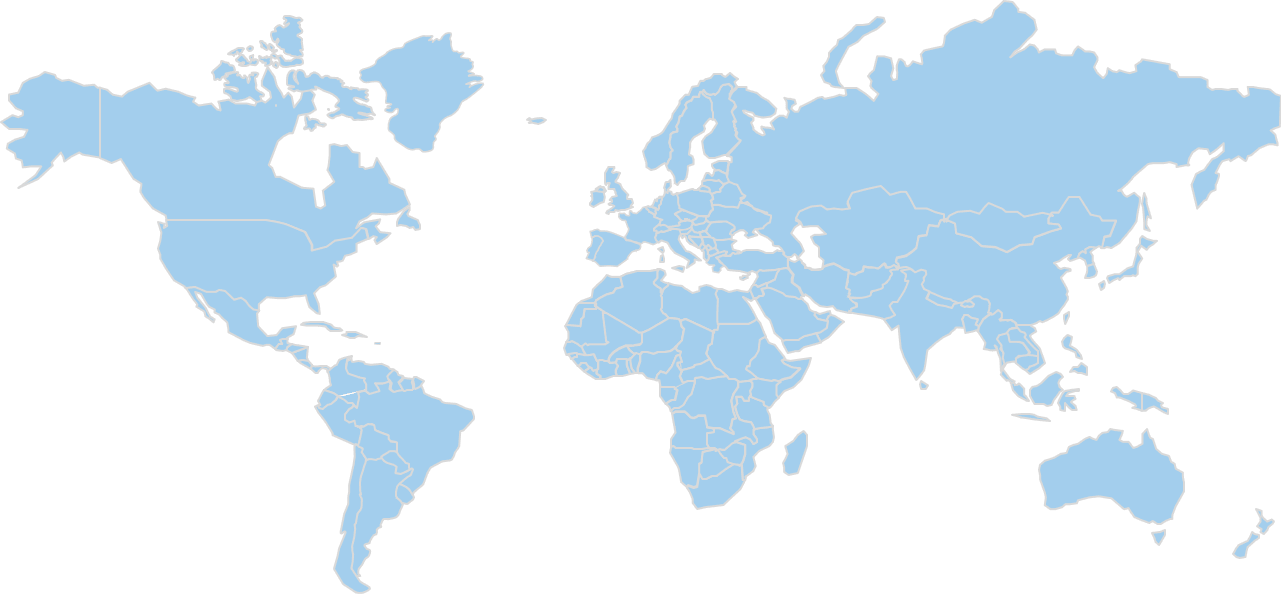
- 01By Content TypeCase Law & Statutory Databases · Practitioner Treatises & Reference Books · Legal Journals & Periodicals
- 02By FormatPrint · Digital & Online Subscription · Integrated Research Platforms
- 03By Practice AreaCorporate & Commercial Law · Litigation & Dispute Resolution · Intellectual Property
- 04By End UserLaw Firms · Corporate Legal Departments · Government & Judiciary
- 05By Distribution ChannelDirect Subscription · Law Firm & Institutional Licensing · Library & Consortia Licensing
- 06By Region
Market Analysis & Outlook
Legal publishing covers the case-law databases, statutes and regulations, treatises, practice-area guides, journals and current-awareness content that legal professionals use to research, draft and stay current on the law. Content is delivered through print volumes, licensed digital research platforms and integrated online services that combine search, citation and drafting tools. Buyers include law firms, corporate legal departments, government and judicial bodies, academic law libraries and individual practitioners who subscribe or license access on a recurring basis.
The global legal publishing market is valued at USD 18.6 billion in 2025 and is set to reach USD 33.4 billion by 2034, a compound annual growth rate of 6.92% across the 2026-2034 forecast period. The study tracks the market across USD 14.6 billion in 2020, USD 17.8 billion in 2024, USD 19.55 billion in 2026 and USD 26.05 billion in 2030.
The content type mix shifts over the period. Case Law & Statutory Databases is the largest line in 2025 at USD 7.666 billion, a 41.21% share, moving to USD 15.698 billion and 47% by 2034. News & Current-Awareness Services grows fastest at 13%, taking its share from 4.79% to 8%, while Practitioner Treatises & Reference Books grows slowest at 1.92%. The lines gaining share are Case Law & Statutory Databases, Regulatory & Compliance Content and News & Current-Awareness Services. Practitioner Treatises & Reference Books, Legal Journals & Periodicals and Practice-Area Guides & Loose-Leaf Services lose share without losing revenue.
Cut by format, the largest line is Digital & Online Subscription: 52% of 2025 revenue, worth USD 9.672 billion, and 46% at USD 15.364 billion by 2034. Integrated Research Platforms grows faster at 11.91% against 5.28%, moving from 30% of revenue to 46% by 2034. Both this axis and the content type one divide the same revenue, which is why they are alternative views, not components.
Geographically, 38.21% of 2025 revenue sits in North America (USD 7.108 billion rising to USD 11.69 billion) ahead of Europe at 28.93% and USD 5.381 billion. Middle East and Africa is smallest, at 5.18%. Asia Pacific, Latin America and Middle East and Africa gain share across the period, so growth is not distributed evenly between regions.
Coverage extends to five regions, six content type lines and five segmentation axes over the full fifteen years. The 2025 total itself is arrived at by triangulating published aggregates against category proxies, not by an independent count, and the splits below are estimated on that same basis, a bound on their precision worth carrying into any use of them.
Market Size, 2020–2034
USD BillionRevenue in USD Billion. Values up to 2025 are actuals; 2026–2034 are forecast.
Key Takeaways
- The global legal publishing market moves from USD 14.6 billion in 2020 to USD 18.6 billion in 2025 and USD 33.4 billion by 2034, the forecast period compounding at 6.92% a year.
- The largest line by content type is Case Law & Statutory Databases, worth USD 7.666 billion and 41.21% of revenue in 2025, rising to USD 15.698 billion and 47% by 2034.
- Fastest growth on the content type axis belongs to News & Current-Awareness Services: 13% a year, USD 0.89 billion to USD 2.672 billion, and a share moving from 4.79% to 8%.
- Against a base case of USD 33.4 billion in 2034, the study also reports a bear case at USD 30.06 billion and a bull case at USD 36.74 billion, with the assumptions behind each set out separately.
- North America holds 38.21% of global revenue in 2025 at USD 7.108 billion, the largest of the five regions tracked, and reaches USD 11.69 billion by 2034.
- The United States accounts for 88% of North America in the base year, worth USD 6.255 billion in 2025 and reaching USD 10.17 billion by 2034, the worked country example carried through that region's chapters.
- Fifteen years are reported, 2020 to 2034 with 2025 as the base: revenue, share and growth rate per line, per axis and per region, not as a single blended series.
Market Trends
Revenue Share, By By Content Type
Base year 2025Case Law & Statutory Databases leads with 41.2% of by content type segment revenue.
Share of by content type segment revenue, most recent base year.
Three movements define the forecast period in the global legal publishing market: how the content type mix changes, where regional weight shifts, and the rate at which the total compounds.
Not one of them points downward. Growth is everywhere in absolute terms, and the interest is entirely in where it lands.
News & Current-Awareness Services grows at more than twice the pace of Practitioner Treatises & Reference Books. Between 2026 and 2034, 13% growth in News & Current-Awareness Services against 1.92% in Practitioner Treatises & Reference Books pulls the content type mix apart. News & Current-Awareness Services takes its share of revenue from 4.79% to 8% while Practitioner Treatises & Reference Books gives up ground, from 16.79% to 11%. Revenue rises on both sides; USD 0.89 billion to USD 2.672 billion and USD 3.122 billion to USD 3.674 billion respectively, so this is a change in composition, not a contraction, and one forecast window is long enough for it to matter.
Asia Pacific, Latin America and Middle East and Africa gain regional share. Asia Pacific moves from 21.5% of revenue in 2025 to 26% in 2034, worth USD 3.999 billion rising to USD 8.684 billion; Latin America moves from 6.18% of revenue in 2025 to 6.5% in 2034, worth USD 1.149 billion rising to USD 2.171 billion; Middle East and Africa moves from 5.18% of revenue in 2025 to 5.5% in 2034, worth USD 0.963 billion rising to USD 1.837 billion. Share moves off the others in turn: North America at 38.21% moving to 35%, Europe at 28.93% moving to 27%, each still growing in revenue terms. Growth is therefore not something a participant inherits from the market; it depends on which regions its revenue is weighted toward.
Fifteen years without a discontinuity. Fifteen years of revenue run USD 14.6 billion in 2020, USD 17.8 billion in 2024, USD 18.6 billion in 2025, USD 19.55 billion in 2026, USD 26.05 billion in 2030 and USD 33.4 billion in 2034. No year breaks the trajectory, and the 6.92% forecast rate compares with 4.96% recorded over 2020-2025, a continuation, not an inflection. For a participant that makes planning a question of capturing a share of steady expansion instead of timing a discontinuity, and it is why the content type and regional mixes matter more to a forecast than the headline rate does.
Market Growth Factors
The fastest line decides the blended rate
Market Drivers
3- 01The fastest line decides the blended rate
13% growth in News & Current-Awareness Services, against 6.92% for the market as a whole, moves it from USD 0.89 billion and 4.79% of revenue in 2025 to USD 2.672 billion and 8% in 2034. Because the spread to Practitioner Treatises & Reference Books at 1.92% is this wide, the headline 6.92% is a weighted result, not a rate any single line achieves. Where a supplier sits on this axis therefore decides whether it grows with the market or below it.
- 02North America carries 38.21% of the base and keeps growing
The largest regional base is North America: USD 7.108 billion in 2025 at 38.21% of the global total, USD 11.69 billion by 2034, still 35%. Behind it, Europe holds 28.93%; USD 5.381 billion rising to USD 9.018 billion. Between them they hold most of the base and most of the revenue added over the period, so equal-weighting the regions in a plan misstates where the growth is.
- 03A demonstrated trajectory, not a projected turnaround
Revenue rose through USD 14.6 billion in 2020, USD 17.8 billion in 2024 and USD 18.6 billion in 2025, a compound 4.96% across the historical period. The forecast continues at 6.92% to USD 33.4 billion in 2034. Fifteen years of unbroken growth in the series means the forecast rests on a demonstrated trajectory, not a projected turnaround, and it is why the 6.92% rate is applied flat across the whole period instead of ramped through it.
Growth drivers
| # | Growth driver | Impact | Gross contribution (Billion) | 2026-28 | 2029-31 | 2032-34 |
|---|---|---|---|---|---|---|
| 1 | AI-Enabled Legal Research Platform Adoption | High | +5.2 | Medium | High | High |
| 2 | Rising Regulatory and Compliance Complexity | Medium-High | +3.1 | Medium | Medium | High |
| 3 | Expansion of Digital Subscription and Integrated Licensing Models | Medium-High | +2.6 | High | Medium | Medium |
| 4 | Growth in Cross-Border Litigation and Corporate Transactional Activity | Medium | +1.9 | Medium | Medium | Medium |
| 5 | Increasing Legal Research Demand from Emerging-Market Law Firms | Medium | +1.5 | Low | Medium | Medium |
| 6 | Others | Low | +1.3 | Low | Low | Low |
| Total | +15.6 | |||||
Restraints
| # | Restraint | Impact | Estimated reduction (Billion) | 2026-28 | 2029-31 | 2032-34 |
|---|---|---|---|---|---|---|
| 1 | Continued Decline of Print Legal Reference Products | Medium | −0.55 | High | Medium | Low |
| 2 | Free and Open-Access Legal Information Displacing Paid Content | Low | −0.25 | Low | Low | Medium |
| Total | −0.8 | |||||
Drivers contribute 15.6 Billion and restraints remove 0.8 Billion, a net 14.8 Billion, which is the revenue the market adds between the base year and 2034. Contributions are CDI estimates, apportioned so that they reconcile with the forecast rather than being read from it.
Growth in the global legal publishing market comes from three measurable sources over 2026-2034: the market's own compounding at 6.92%, the share gained by faster-growing content type lines, and expansion in the regions taking a larger part of global revenue.
Restraining Factors
The bear case and what drives it
Market Restraints
2- 01The bear case and what drives it
Slower AI-tool adoption inside conservative law-firm IT environments and continued budget pressure on library and solo-practitioner subscription renewals. On that assumption 2034 revenue lands at USD 30.06 billion against the USD 33.4 billion base case, from the same USD 18.6 billion 2025 starting point.
- 02Practitioner Treatises & Reference Books holds the blended rate down
With 16.79% of 2025 revenue (USD 3.122 billion) Practitioner Treatises & Reference Books is where most of the market sits, and it grows at only 1.92% against the market's 6.92%. Revenue still reaches USD 3.674 billion by 2034 and share still falls to 11%: a drag on the average, not a decline.
Market Opportunities
Upside case: USD 36.74 billion by 2034
Market Opportunities
2- 01Upside case: USD 36.74 billion by 2034
Faster enterprise-wide adoption of AI-enabled legal research tools and quicker consolidation of print budgets into digital licensing than the base case assumes. On that assumption the market reaches USD 36.74 billion by 2034 against USD 33.4 billion in the base case, from the same USD 18.6 billion in 2025.
- 02The opening is on the content type axis, not the regional one
News & Current-Awareness Services grows at 13% against 6.92% for the market, adding revenue from USD 0.89 billion in 2025 to USD 2.672 billion in 2034 and taking its share from 4.79% to 8%. It is the place on this axis where share changes hands at scale, so it is where an entrant can take position without displacing the incumbent in Case Law & Statutory Databases.
Market Challenges
Concentration on the content type axis
Market Challenges
2- 01Concentration on the content type axis
USD 7.666 billion of 2025 revenue sits in Case Law & Statutory Databases, 41.21% of the total, and it is still 47% at USD 15.698 billion nine years later. That concentration means the market's own forecast is, to a large extent, a forecast for one content type line.
- 02The United States is 88% of North America
88% of the leading region is one country: the United States, at USD 6.255 billion against North America's USD 7.108 billion in 2025, and USD 10.17 billion by 2034. Regional totals therefore move largely with one country's demand, so a regional forecast is more exposed to single-country conditions than its size alone suggests.
Segmentation Analysis
5 axesThe market is divided by content type and by format, practice area, end user and distribution channel; five axes in all. Each axis cuts the same total revenue along a different commercial dimension, so the splits are alternative views of one market, not additions to it.
Six content type lines are reported. Three of them take share over the forecast period and the rest give it up, though every line grows in absolute terms between 2025 and 2034.
By Content Type · 6 segments
Case Law & Statutory Databases Held the Dominant Share of the Content type Segment in 2025
- Largest Case Law & Statutory Databases · 41.2%
- Fastest News & Current-Awareness Services · 13%
- Moves most Case Law & Statutory Databases · +5.8 pts
- Order by 2034 changes
| Segment | 2025 | Share | 2034 | Share | CAGR |
|---|---|---|---|---|---|
| Case Law & Statutory Databases | $7.67B | 41.2% | $15.70B | 47%+5.8 | 8.5% |
| Practitioner Treatises & Reference Books | $3.12B | 16.8% | $3.67B | 11%-5.8 | 1.9% |
| Legal Journals & Periodicals | $1.97B | 10.6% | $2.67B | 8%-2.6 | 3.6% |
| Practice-Area Guides & Loose-Leaf Services | $2.70B | 14.5% | $3.34B | 10%-4.5 | 2.5% |
| Regulatory & Compliance Content | $2.26B | 12.1% | $5.34B | 16%+3.9 | 10.2% |
| News & Current-Awareness Services | $0.89B | 4.8% | $2.67B | 8%+3.2 | 13% |
Case law and statutory databases lead because they are the core daily-use tool for litigation and compliance work, embedded into law-firm workflows as a renewal-locked subscription. Regulatory and compliance content is the fastest-growing line: expanding disclosure and reporting obligations push law departments and compliance teams toward continuously updated digital material, since static print guides cannot keep pace with the disclosure calendar. By 2034 Case Law & Statutory Databases is still ahead, making this a shift in weight, not a change of leader. This is the axis the estimation prices in full, year by year, and the one the regional chapters cut against.
By Format · 3 segments
Scale in Digital & Online Subscription and Growth in Integrated Research Platforms Define the Format Axis
- Largest Digital & Online Subscription · 52%
- Fastest Integrated Research Platforms · 11.9%
- Moves most Integrated Research Platforms · +16 pts
- Order by 2034 unchanged
| Segment | 2025 | Share | 2034 | Share | CAGR |
|---|---|---|---|---|---|
| $3.35B | 18% | $2.67B | 8%-10 | -2.5% | |
| Digital & Online Subscription | $9.67B | 52% | $15.36B | 46%-6 | 5.3% |
| Integrated Research Platforms | $5.58B | 30% | $15.36B | 46%+16 | 11.9% |
Digital and online subscription products lead because law firms and corporate legal departments have already migrated day-to-day research onto licensed platforms with per-seat access. Integrated research platforms are growing fastest as buyers consolidate search, drafting and practice-management tools into one licensed environment, while standalone print references keep losing renewal budget to that same consolidation. By 2034 Digital & Online Subscription is still ahead, making this a shift in weight, not a change of leader.
By Practice Area · 6 segments
Scale in Corporate & Commercial Law and Growth in Tax & Regulatory Compliance Define the Practice area Axis
- Largest Corporate & Commercial Law · 28%
- Fastest Tax & Regulatory Compliance · 10.4%
- Moves most Tax & Regulatory Compliance · +5 pts
- Order by 2034 changes
| Segment | 2025 | Share | 2034 | Share | CAGR |
|---|---|---|---|---|---|
| Corporate & Commercial Law | $5.21B | 28% | $9.02B | 27%-1 | 6.3% |
| Litigation & Dispute Resolution | $4.46B | 24% | $7.35B | 22%-2 | 5.7% |
| Intellectual Property | $2.98B | 16% | $5.01B | 15%-1 | 6% |
| Tax & Regulatory Compliance | $2.60B | 14% | $6.35B | 19%+5 | 10.4% |
| Real Estate & Property Law | $1.86B | 10% | $3.01B | 9%-1 | 5.5% |
| Labor & Employment | $1.49B | 8% | $2.67B | 8% | 6.7% |
Corporate and commercial law leads because transactional work generates the highest volume of contract precedent, due-diligence and disclosure research across every jurisdiction a firm operates in. Tax and regulatory compliance content is growing fastest as filing, reporting and cross-border disclosure obligations expand faster than any other practice area covered in this segmentation. Corporate & Commercial Law remains the largest line through 2034, so the axis changes in proportion, not in order.
By End User · 5 segments
Law Firms Held the Dominant Share of the End user Segment in 2025
- Largest Law Firms · 46%
- Fastest Solo Practitioners · 8.9%
- Moves most Law Firms · -4 pts
- Order by 2034 unchanged
| Segment | 2025 | Share | 2034 | Share | CAGR |
|---|---|---|---|---|---|
| Law Firms | $8.56B | 46% | $14.03B | 42%-4 | 5.7% |
| Corporate Legal Departments | $5.02B | 27% | $10.35B | 31%+4 | 8.4% |
| Government & Judiciary | $2.60B | 14% | $4.68B | 14% | 6.7% |
| Academic & Law Libraries | $1.49B | 8% | $2.34B | 7%-1 | 5.2% |
| Solo Practitioners | $0.93B | 5% | $2B | 6%+1 | 8.9% |
Law firms lead because they are the largest institutional buyer of research seats, licensing platforms across every practice group and office. Corporate legal departments are growing fastest as in-house teams take on research work previously routed through outside counsel, expanding their own subscription budgets and seat counts. By 2034 Law Firms is still ahead, making this a shift in weight, not a change of leader.
By Distribution Channel · 4 segments
Third-Party Legal Research Platforms Outpaces the Axis While Law Firm & Institutional Licensing Holds the Largest Share
- Largest Law Firm & Institutional Licensing · 38%
- Fastest Third-Party Legal Research Platforms · 11.6%
- Moves most Third-Party Legal Research Platforms · +6 pts
- Order by 2034 changes
| Segment | 2025 | Share | 2034 | Share | CAGR |
|---|---|---|---|---|---|
| Direct Subscription (Publisher-to-User) | $6.32B | 34% | $10.02B | 30%-4 | 5.3% |
| Law Firm & Institutional Licensing | $7.07B | 38% | $13.03B | 39%+1 | 7% |
| Library & Consortia Licensing | $2.98B | 16% | $4.34B | 13%-3 | 4.3% |
| Third-Party Legal Research Platforms | $2.23B | 12% | $6.01B | 18%+6 | 11.6% |
Law-firm and institutional licensing leads because it captures the highest per-seat and enterprise-wide contract values, negotiated directly between publishers and firm management. Third-party legal research platforms are growing fastest as newer entrants offer bundled AI-search access that firms adopt alongside, not instead of, their primary licensed database. Law Firm & Institutional Licensing remains the largest line through 2034, so the axis changes in proportion, not in order.
Regional Insights
Regional Revenue Share
Base year 2025Share of global revenue in the base year.
Only the leading region's share is published outside the report; pins mark the region, not a specific country.
North America Market Analysis
The largest region covered — 3.2 points of share move elsewhere by 2034, while revenue still grows 1.6×.
- Rank 1 of 5
- 2025 share 38.2%
- By 2034 35%
- Revenue $7.11B → $11.69B
38.21% of the global legal publishing market sits in North America in 2025, worth USD 7.108 billion rising to USD 11.69 billion in 2034. That makes it the first-largest region covered, in 2025 and again in 2034.
Share settles at 35% in 2034, though revenue still rises throughout; the shift is in the region's weight against faster-growing ones, which is not the same as weakening demand.
Segment composition follows the global pattern: Case Law & Statutory Databases largest at 41.21% of 2025 revenue, News & Current-Awareness Services fastest at 13%. Revenue for North America is broken out by every segmentation axis and by country in the full report.
United States
Sets the pace for North America at 88% of it, growing 1.6×.
- In region 1 of 2
- Of region 88%
- Of global 33.6%
- Revenue $6.25B → $10.17B
The largest single market in North America is the United States, at USD 6.255 billion in 2025 and USD 10.17 billion in 2034. At 88% of regional revenue in the base year it is not one market among several, the region's trajectory is largely this country's trajectory. Set against USD 7.108 billion and USD 11.69 billion for the region, it is why this market, and not a smaller one, is the one reported in full.
Demand in the United States follows the content type mix reported at global level: Case Law & Statutory Databases is the largest line at 41.21% of 2025 revenue, moving to 47% by 2034, while News & Current-Awareness Services grows fastest at 13% and takes its share from 4.79% to 8%. Because the country carries 88% of North America, a movement in its own mix shows up in the regional totals instead of being averaged away by neighbouring markets. Revenue by content type for the United States is reported separately in the full report.
Legal publishing in the United States is not subject to a single licensing regulator; instead, suppliers operate under general consumer protection and advertising law enforced by the Federal Trade Commission, alongside state bar association rules that govern how legal information products may be marketed to practitioners without straying into unauthorized practice of law. Citation accuracy and formatting conventions are shaped by widely adopted professional standards such as the Bluebook, which courts and law schools expect publishers to follow. Copyright protection for annotations, headnotes, and editorial commentary falls under federal copyright law, while case law and statutory text itself remain in the public domain. Suppliers must ensure content is current, properly attributed, and free of misleading claims about authority or official status, since state bars can discipline members who rely on inaccurate secondary sources.
What separates suppliers in the United States is where they sit on the content type axis, not which country they serve. Volume sits in Case Law & Statutory Databases at 41.21% of 2025 revenue; movement sits in News & Current-Awareness Services at 13% growth. Country-level positioning and shares for each of these companies are part of the full report, not of this summary.
Canada
2nd-largest in North America, growing 1.8×.
- In region 2 of 2
- Of region 12%
- Of global 4.6%
- Revenue $0.85B → $1.52B
4.59% of global revenue is generated in Canada; USD 0.853 billion in 2025, reaching USD 1.52 billion in 2034, and 12% of North America.
Europe Market Analysis
The 2nd-largest region covered — 1.9 points of share move elsewhere by 2034, while revenue still grows 1.7×.
- Rank 2 of 5
- 2025 share 28.9%
- By 2034 27%
- Revenue $5.38B → $9.02B
Europe holds 28.93% of the global legal publishing market in 2025, worth USD 5.381 billion and reaches USD 9.018 billion by 2034. That makes it the second-largest region covered, in 2025 and again in 2034.
Share settles at 27% in 2034, a shift in share, not in direction: revenue climbs every year while the market's centre of gravity moves elsewhere.
Within the region the content type split tracks the global one; 41.21% of 2025 revenue in Case Law & Statutory Databases, fastest growth of 13% in News & Current-Awareness Services. Per-axis and per-country detail for Europe sits in the full report.
United Kingdom
The largest market in Europe, growing 1.6×.
- In region 1 of 3
- Of region 34%
- Of global 9.8%
- Revenue $1.83B → $2.98B
34% of Europe's base-year revenue comes from the United Kingdom; USD 1.83 billion, rising to USD 2.976 billion by 2034. 34% of the region in the base year makes it the largest market here without making it the region. Regional revenue of USD 5.381 billion in 2025 and USD 9.018 billion in 2034 sits around it, and it is the country used wherever the full report cuts a figure by geography.
The content type pattern in the United Kingdom is the global one: 41.21% of 2025 revenue in Case Law & Statutory Databases, 47% by 2034, against 13% growth in News & Current-Awareness Services taking it from 4.79% to 8%. Because the country carries 34% of Europe, a movement in its own mix shows up in the regional totals instead of being averaged away by neighbouring markets. Per-content type revenue for the United Kingdom appears on its own in the full report.
Legal publishers in the United Kingdom operate under general consumer protection law enforced by the Competition and Markets Authority, which governs advertising claims and contract terms for subscription-based legal information services. The Solicitors Regulation Authority and the Bar Standards Board do not license publishers directly, but their professional conduct rules shape expectations around accuracy when practitioners rely on secondary legal sources in place of primary authority. Crown copyright governs reproduction of legislation and certain court judgments, requiring publishers to observe click-use licensing terms when reproducing official material. Data protection obligations under the UK General Data Protection Regulation apply where case reports or commentary include personal data. Suppliers are expected to maintain editorial accuracy, clear sourcing, and timely updates, since misleading or outdated legal commentary can expose both the publisher and the relying practitioner to liability.
Competition in the United Kingdom is decided on the content type axis rather than on geography, since suppliers here sell into the same content type lines reported globally. Case Law & Statutory Databases, at 41.21% of 2025 revenue, is where the volume sits, and News & Current-Awareness Services, growing at 13%, is where position changes hands over the forecast period. The commercial size of that position is USD 5.381 billion in 2025 and USD 9.018 billion by 2034, 28.93% of the global total in the base year.
Germany
2nd-largest in Europe, growing 1.7×.
- In region 2 of 3
- Of region 26%
- Of global 7.5%
- Revenue $1.40B → $2.35B
Within Europe, Germany accounts for 26% of regional revenue and 7.52% of the global total, worth USD 1.399 billion in 2025 and USD 2.345 billion by 2034.
France
3rd-largest in Europe, growing 1.7×.
- In region 3 of 3
- Of region 20%
- Of global 5.8%
- Revenue $1.08B → $1.80B
France is sized at USD 1.076 billion in 2025, rising to USD 1.804 billion by 2034; 5.79% of global revenue and 20% of Europe. It is reported separately from the United Kingdom across every segmentation axis in the full report.
Asia Pacific Market Analysis
The 3rd-largest region covered, and the one gaining the most — it picks up 4.5 points of share by 2034, while revenue still grows 2.2×.
- Rank 3 of 5
- 2025 share 21.5%
- By 2034 26%
- Revenue $4B → $8.68B
21.5% of the global legal publishing market sits in Asia Pacific in 2025, worth USD 3.999 billion rising to USD 8.684 billion in 2034. It is a leading region on this axis, third by revenue throughout the period.
By 2034 the share has moved up to 26%, at a pace above the 6.92% global rate, so this region warrants separate treatment and should not be scaled off the total.
The content type mix reported at global level applies here, with Case Law & Statutory Databases the largest line at 41.21% of 2025 revenue and News & Current-Awareness Services the fastest-growing at 13%. Asia Pacific is reported axis by axis and country by country in the full study.
China
The largest market in Asia Pacific, growing 2.3×.
- In region 1 of 3
- Of region 30%
- Of global 6.5%
- Revenue $1.20B → $2.78B
USD 1.2 billion of Asia Pacific's 2025 revenue is generated in China, the region's largest market, reaching USD 2.779 billion by 2034. It accounts for 30% of regional revenue in the base year, the largest single share without dominating the region outright. Against regional totals of USD 3.999 billion in 2025 and USD 8.684 billion in 2034, it is the country the full report breaks out in detail.
The content type pattern in China is the global one: 41.21% of 2025 revenue in Case Law & Statutory Databases, 47% by 2034, against 13% growth in News & Current-Awareness Services taking it from 4.79% to 8%. With 30% of Asia Pacific concentrated here, a change in this country's mix is visible in the regional figures instead of being diluted by its neighbours. The full report reports China by content type separately.
Legal publishing in China falls under the publishing licensing regime administered by the National Press and Publication Administration, which requires any entity distributing legal texts, commentary, or reference works to hold appropriate publication approval rather than operate as an unlicensed distributor. Content touching on judicial interpretation or official statutory compilation is closely aligned with material issued by the Supreme People's Court and the National People's Congress, and publishers must ensure consistency with officially promulgated texts rather than offering competing interpretations that could be read as authoritative. Import of foreign legal reference material is subject to review under China's publication import rules. Data localization and cybersecurity requirements apply where digital legal research platforms process user data domestically. Suppliers operating digital platforms must also observe content review obligations consistent with China's internet information service regulations.
China does not have a competitive structure of its own; position here is position on the content type axis reported above. Volume sits in Case Law & Statutory Databases at 41.21% of 2025 revenue; movement sits in News & Current-Awareness Services at 13% growth. The commercial size of that position is USD 3.999 billion in 2025, moving to USD 8.684 billion by 2034 across the forecast period.
Japan
2nd-largest in Asia Pacific, growing 1.8×.
- In region 2 of 3
- Of region 26%
- Of global 5.6%
- Revenue $1.04B → $1.91B
5.59% of global revenue is generated in Japan; USD 1.04 billion in 2025, reaching USD 1.91 billion in 2034, and 26% of Asia Pacific.
India
3rd-largest in Asia Pacific, growing 2.5×.
- In region 3 of 3
- Of region 22%
- Of global 4.7%
- Revenue $0.88B → $2.17B
4.73% of global revenue is generated in India; USD 0.88 billion in 2025, reaching USD 2.171 billion in 2034, and 22% of Asia Pacific.
Latin America Market Analysis
The 4th-largest region covered — it picks up 0.3 points of share by 2034, while revenue still grows 1.9×.
- Rank 4 of 5
- 2025 share 6.2%
- By 2034 6.5%
- Revenue $1.15B → $2.17B
6.18% of the global legal publishing market sits in Latin America in 2025, worth USD 1.149 billion on the way to USD 2.171 billion by 2034. That makes it the fourth-largest region covered, in 2025 and again in 2034.
Share climbs to 6.5% by 2034, because it outgrows the market's 6.92%; the revenue added here is disproportionate to where the region started.
Within the region the content type split tracks the global one; 41.21% of 2025 revenue in Case Law & Statutory Databases, fastest growth of 13% in News & Current-Awareness Services. Revenue for Latin America is broken out by every segmentation axis and by country in the full report.
Brazil
The largest market in Latin America, growing 1.9×.
- In region 1 of 2
- Of region 55%
- Of global 3.4%
- Revenue $0.63B → $1.17B
The largest single market in Latin America is Brazil, at USD 0.632 billion in 2025 and USD 1.172 billion in 2034. It accounts for 55% of regional revenue in the base year, the largest single share without dominating the region outright. Regional revenue of USD 1.149 billion in 2025 and USD 2.171 billion in 2034 sits around it, and it is the country used wherever the full report cuts a figure by geography.
Composition here matches the global split: the largest line is Case Law & Statutory Databases at 41.21% of 2025 revenue, easing to 47% by 2034, and the fastest is News & Current-Awareness Services at 13%, from 4.79% to 8%. Because the country carries 55% of Latin America, a movement in its own mix shows up in the regional totals instead of being averaged away by neighbouring markets. Per-content type revenue for Brazil appears on its own in the full report.
Legal publishing in Brazil is shaped by consumer protection obligations under the Consumer Defense Code, which governs how subscription terms, pricing, and service claims are presented to purchasers of legal databases and reference works. The Ordem dos Advogados do Brasil sets professional conduct expectations that influence how legal publishers position their products relative to official case law and statutory sources, though it does not license publishers themselves. Reproduction of federal and state legislation is governed by copyright law, with official government texts generally treated as public domain while editorial annotation and commentary retain protected authorship status. Where platforms process personal data drawn from court filings or judgments, obligations under the Lei Geral de Proteção de Dados apply. Suppliers are expected to keep content aligned with current legislation and to clearly distinguish official text from editorial interpretation.
What separates suppliers in Brazil is where they sit on the content type axis, not which country they serve. Case Law & Statutory Databases, at 41.21% of 2025 revenue, is where the volume sits, and News & Current-Awareness Services, growing at 13%, is where position changes hands over the forecast period. A supplier weighted toward Latin America is competing over a base of USD 1.149 billion in 2025, reaching USD 2.171 billion by 2034 on the trajectory this study models.
Mexico
2nd-largest in Latin America, growing 2.0×.
- In region 2 of 2
- Of region 30%
- Of global 1.9%
- Revenue $0.34B → $0.67B
Mexico is sized at USD 0.345 billion in 2025, rising to USD 0.673 billion by 2034; 1.85% of global revenue and 30% of Latin America. It is reported separately from Brazil across every segmentation axis in the full report.
Middle East and Africa Market Analysis
The 5th-largest region covered — it picks up 0.3 points of share by 2034, while revenue still grows 1.9×.
- Rank 5 of 5
- 2025 share 5.2%
- By 2034 5.5%
- Revenue $0.96B → $1.84B
In Middle East and Africa, 5.18% of global revenue puts 2025 at USD 0.963 billion on the way to USD 1.837 billion by 2034. By revenue it sits fifth across the study, and the ranking does not change between 2025 and 2034.
Share climbs to 5.5% by 2034, on growth above the market's own 6.92%, and with a bigger contribution to the revenue added over the period than the base-year figure suggests.
Within the region the content type split tracks the global one; 41.21% of 2025 revenue in Case Law & Statutory Databases, fastest growth of 13% in News & Current-Awareness Services. The full report breaks Middle East and Africa out along every axis and by country.
South Africa
The largest market in Middle East and Africa, growing 1.8×.
- In region 1 of 2
- Of region 40%
- Of global 2.1%
- Revenue $0.39B → $0.70B
USD 0.385 billion of Middle East and Africa's 2025 revenue is generated in South Africa, the region's largest market, reaching USD 0.698 billion by 2034. 40% of the region in the base year makes it the largest market here without making it the region. The region itself runs USD 0.963 billion to USD 1.837 billion over the same period, and this is the market carrying the country-level detail in the full report.
Composition here matches the global split: the largest line is Case Law & Statutory Databases at 41.21% of 2025 revenue, easing to 47% by 2034, and the fastest is News & Current-Awareness Services at 13%, from 4.79% to 8%. Since 40% of Middle East and Africa's revenue is generated here, the regional numbers inherit this market's mix instead of smoothing it out. Per-content type revenue for South Africa appears on its own in the full report.
Legal publishing in South Africa operates under general consumer protection law administered through the Consumer Protection Act, which sets requirements around accurate representation of subscription-based legal products and services. The Legal Practice Council oversees professional conduct for attorneys and advocates and, while it does not license publishers, its standards inform how legal reference material is expected to align with current statute and case law when relied upon in practice. Reproduction of legislation and court judgments is governed by copyright law, with government-authored legal texts carrying distinct treatment from privately authored commentary and annotation. Where digital platforms handle personal information contained in court records, the Protection of Personal Information Act applies. Suppliers are expected to maintain currency and accuracy of statutory updates, since practitioners depend on these products as a proxy for primary legal sources.
Supplier positions in South Africa sit on the content type axis: the country buys the same lines the global market does, in the same order. Two different problems sit on the same axis: holding Case Law & Statutory Databases at 41.21% of 2025 revenue, and taking News & Current-Awareness Services while it grows at 13%. A supplier weighted toward Middle East and Africa is competing over a base of USD 0.963 billion in 2025, reaching USD 1.837 billion by 2034 on the trajectory this study models.
United Arab Emirates
2nd-largest in Middle East and Africa, growing 2.0×.
- In region 2 of 2
- Of region 35%
- Of global 1.8%
- Revenue $0.34B → $0.68B
1.81% of global revenue is generated in the United Arab Emirates; USD 0.337 billion in 2025, reaching USD 0.68 billion in 2034, and 35% of Middle East and Africa.
Request this sample to see the full data tables and segment-level detail behind this analysis.
Report Coverage
This report assesses the market across every segment, with revenue and a growth rate for each line in each year of the study period. It covers the drivers, trends, opportunities, restraints and challenges shaping growth, the competitive landscape and the companies profiled, and the research methodology behind every estimate. Segmentation is reported by Content Type, Format, Practice Area, End User, Distribution Channel, and regional analysis covers North America, Europe, Asia Pacific, Latin America, Middle East and Africa, each broken out by country.
Competitive Landscape
Suppliers Compete on Case Law & Statutory Databases Volume and News & Current-Awareness Services Momentum
The content type axis, not the regional one, is where competition happens. Case Law & Statutory Databases is 41.21% of 2025 revenue at USD 7.666 billion and still 47% in 2034, so it is where the volume sits and where an incumbent's position is hardest to move. Movement is concentrated in News & Current-Awareness Services; 13% growth, against 1.92% at the other end of the axis in Practitioner Treatises & Reference Books. The two rarely sit with the same supplier, and that is the reason a USD 18.6 billion market is not already consolidated.
Scale in case-law and statutory content built up over decades is the clearest advantage the largest suppliers hold: RELX, Thomson Reuters and Wolters Kluwer each control proprietary databases that are expensive to replicate and are sold through enterprise-wide licensing agreements that lock in renewal revenue. Distribution reach into law-firm and corporate legal-department accounts reinforces that position. Smaller and regional publishers compete instead on jurisdiction-specific depth and local-language coverage that the larger platforms do not prioritize, while academic publishers compete on institutional credibility for treatises and casebooks aimed at legal education audiences.
Presence matters unevenly by region. With 38.21% of 2025 revenue in North America and 28.93% in Europe, a supplier's coverage of those two decides most of its addressable base before any product question arises.
Company-level profiles, financials, shares and development histories are held in the full report and not in this summary.
List of Key Legal Publishing Market Companies Profiled
12 companies profiled. Company profiles, including financials, product portfolios and recent developments, are part of the full report.
- RELX plc (LexisNexis Legal & Professional)(United Kingdom)
- Thomson Reuters Corporation(Canada)
- Wolters Kluwer N.V.(Netherlands)
- Bloomberg L.P. (Bloomberg Law)(United States)
- ALM Media, LLC(United States)
- West Academic Publishing(United States)
- Oxford University Press(United Kingdom)
- Cambridge University Press(United Kingdom)
- Juta and Company (Pty) Ltd(South Africa)
- China Law Press(China)
- Justia Inc.(United States)
- vLex Group
Geographic Coverage
Every market below is broken out separately in the report.
North America
3Europe
8Asia Pacific
12Latin America
3Middle East and Africa
4Key Insights
Report Scope
Study parameters & segmentationThis study covers market size and forecasts over the 2020–2034 period, segmentation across 5 axes (Content Type, Format, Practice Area, End User, Distribution Channel), regional analysis for 5 regions and their constituent countries, a competitive landscape profiling 12 key companies, and the research methodology behind every estimate.
Segmentation
5 axes + regionQuestions This Report Answers
6 questionsWhat is the market size and growth rate, globally and by region?
How is the market segmented, and which segments lead?
Which regions and countries are covered, and how do they compare?
What are the key drivers, restraints, opportunities and challenges?
Who are the leading companies operating in this market?
What trends are expected to shape the market through the forecast period?
Frequently Asked Questions
01What is the Legal Publishing Market projected to reach?
USD 33.4 Billion by 2034, CAGR 6.92%
02What years does this report cover?
Study period 2020–2034, base year 2025, historical data 2020-2024, forecast period 2026-2034.
03Which regions are covered?
North America, Europe, Asia Pacific, Latin America, Middle East and Africa.
04Which region accounted for the largest market share?
North America leads with 38.21% of global revenue through 2034.
05Which segment leads the market?
Case Law & Statutory Databases is the largest line by Content Type, at 41.21% of revenue in 2025.
06Who are the key companies profiled?
RELX plc (LexisNexis Legal & Professional), Thomson Reuters Corporation, Wolters Kluwer N.V., Bloomberg L.P. (Bloomberg Law), ALM Media, LLC, West Academic Publishing, Oxford University Press, Cambridge University Press, Juta and Company (Pty) Ltd, China Law Press, Justia Inc., vLex Group. Full profiles are part of the paid report.
07Can the segmentation be customized?
Yes. Custom data cuts by geography, segment, or competitor set are available on request.
Why choose CDI
Need this report shaped around your question?
The scope isn't fixed. Tell us what your team needs that the standard edition doesn't cover, and an analyst will come back on what can be adjusted and how long it takes, before you commit to anything.
Most licences include 30–60 hours of customization at no extra cost. See what each licence includes
Additional Companies
Add competitors, suppliers or the peer set you benchmark against to the companies already covered.
Deeper Competitive View
Sharpen the landscape work around your own position: product line, channel, or a named shortlist of rivals.
Extra Segment Splits
Break the market down along an axis the standard scope doesn't cut it by, or go a level deeper inside one.
Application Focus
Narrow the analysis to the specific use cases and end users your team actually sells into.
Different Time Frame
Move the base year, or widen the historical and forecast windows the study is built on.
Country-Level Detail
Go below region level into the individual countries that matter to you, rather than the standard geography split.