
Lawn Mower Batteries MarketSize, Share & Industry Analysis, 2026-2034By TypeBy ApplicationBy Mower TypeBy Sales ChannelBy Capacity Range
Full title & scope — all 5 axes with their segments
Lawn Mower Batteries Market Size, Share & Industry Analysis, By Type (Lead-Acid Batteries, Li-Ion Batteries), By Application (Residential, Commercial), By Mower Type (Riding/Lawn Tractor Mowers, Walk-Behind Push Mowers, Robotic Mowers), By Sales Channel (OEM, Aftermarket), By Capacity Range (Below 20Ah, 20-50Ah, Above 50Ah), and Regional Forecast, 2026-2034
Market outlook, key takeaways, drivers and challenges for the report period.
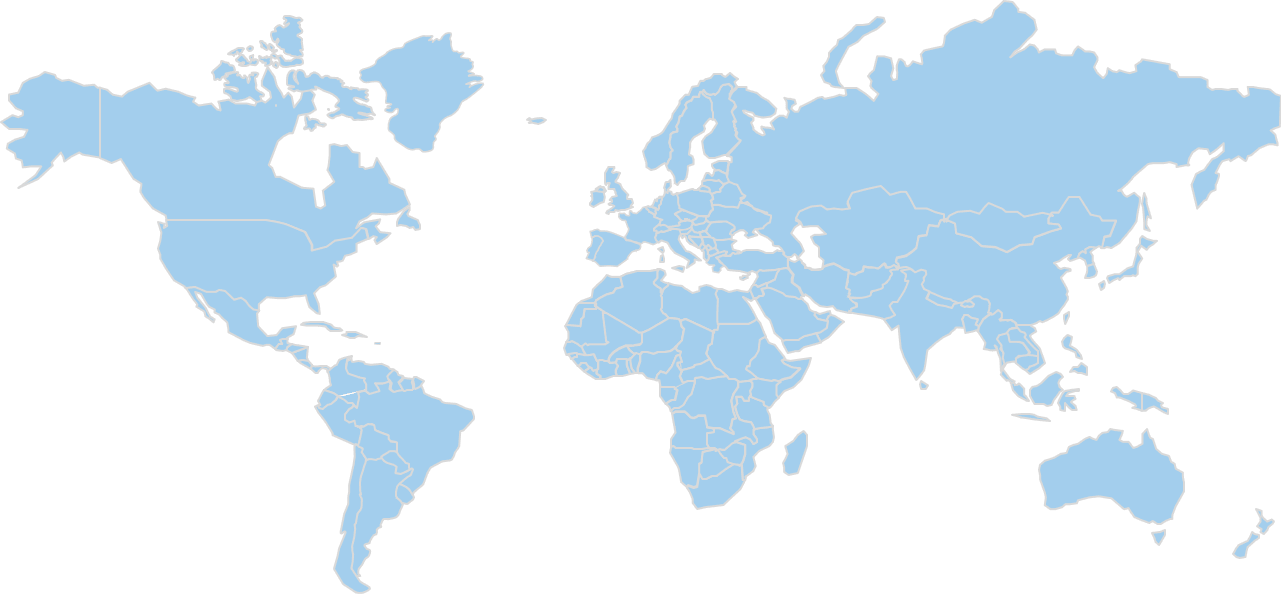
- 01By TypeLead-Acid Batteries · Li-Ion Batteries
- 02By ApplicationResidential · Commercial
- 03By Mower TypeRiding/Lawn Tractor Mowers · Walk-Behind Push Mowers · Robotic Mowers
- 04By Sales ChannelOEM · Aftermarket
- 05By Capacity RangeBelow 20Ah · 20-50Ah · Above 50Ah
- 06By Region
Market Analysis & Outlook
Lawn mower batteries are the power sources used to start or drive lawn mowing equipment, spanning conventional lead-acid starter batteries fitted to riding and lawn tractor mowers and lithium-ion packs that power cordless push, robotic and walk-behind electric mowers. They are purchased both as original equipment fitted to new machines and as aftermarket replacements sold through hardware, farm equipment and specialty outdoor power equipment retailers. Buyers range from individual homeowners maintaining residential yards to landscaping contractors, grounds-maintenance crews and golf course operators running larger commercial mower fleets.
The global lawn mower batteries market stood at USD 850 million in 2025. A forecast-period rate of 7.37% takes it to USD 1615 million by 2034, and the study reports every year in between, passing USD 610 million in 2020, USD 785 million in 2024, USD 915 million in 2026 and USD 1225 million in 2030.
Composition changes more than the total does. Li-Ion Batteries, at 13.78%, outgrows Lead-Acid Batteries at 2.45%, and its share moves from 32% to 55%. Lead-Acid Batteries stays the largest line throughout, at USD 578 million in 2025 and USD 726.8 million in 2034. Li-Ion Batteries take share over the period; Lead-Acid Batteries give it up while still growing in absolute terms.
Cut by application, the largest line is Residential: 62% of 2025 revenue, worth USD 527 million, and 58% at USD 936.7 million by 2034. Commercial grows faster at 8.59% against 6.6%, moving from 38% of revenue to 42% by 2034. Both this axis and the type one divide the same revenue, which is why they are alternative views, not components.
USD 323 million of 2025 revenue is generated in North America, 38% of the global total and the largest regional share; it reaches USD 565.2 million by 2034. Europe is next at 29% and USD 246.5 million, and Middle East and Africa last at 5%. Because Asia Pacific, Latin America and Middle East and Africa take share, the revenue added by 2034 concentrates instead of spreading across all five regions.
Coverage extends to five regions, two type lines and five segmentation axes over the full fifteen years. The 2025 total itself is a triangulation of published figures and category proxies, short of a directly sourced total, and the splits below are estimated on that same basis, a bound on their precision worth carrying into any use of them.
Market Size, 2020–2034
USD MillionRevenue in USD Million. Values up to 2025 are actuals; 2026–2034 are forecast.
Key Takeaways
- Revenue grows from USD 850 million in 2025 to USD 1615 million in 2034, a compound annual rate of 7.37%, having reached USD 785 million in 2024 from USD 610 million in 2020.
- The largest line by type is Lead-Acid Batteries, worth USD 578 million and 68% of revenue in 2025, rising to USD 726.8 million and 45% by 2034.
- Li-Ion Batteries is the fastest-growing line at 13.78%, lifting its share from 32% in 2025 to 55% in 2034 and its revenue from USD 272 million to USD 888.2 million.
- Against a base case of USD 1615 million in 2034, the study also reports a bear case at USD 1421 million and a bull case at USD 1809 million, with the assumptions behind each set out separately.
- 38% of 2025 revenue is generated in North America, worth USD 323 million and rising to USD 565.2 million by 2034; Middle East and Africa is smallest at 5%.
- 85% of North America's base-year revenue comes from the United States alone: USD 274.6 million in 2025, rising to USD 469.2 million by 2034, which is why it is that region's worked example.
- Every line on all five segmentation axes and in each of the five regions carries its own revenue, share and growth rate for all fifteen years, 2020 through 2034, on a 2025 base.
Market Trends
Revenue Share, By By Type
Base year 2025Lead-Acid Batteries leads with 68.0% of by type segment revenue.
Share of by type segment revenue, most recent base year.
Three things move over 2026-2034, and they are worth separating: the type mix, the regional balance, and the 7.37% compounding underneath both.
None of them reverses the market's direction. Every line and every region grows in absolute terms across the period; the movement is in which of them captures the revenue added.
Li-Ion Batteries outpaces Lead-Acid Batteries. Between 2026 and 2034, 13.78% growth in Li-Ion Batteries against 2.45% in Lead-Acid Batteries pulls the type mix apart. Over the forecast period that moves Li-Ion Batteries from 32% of revenue to 55%, and Lead-Acid Batteries from 68% to 45%. Neither contracts: USD 272 million becomes USD 888.2 million, USD 578 million becomes USD 726.8 million. What the spread decides is which of them a supplier's revenue is exposed to.
Growth concentrates in Asia Pacific, Latin America and Middle East and Africa. Asia Pacific moves from 22% of revenue in 2025 to 26% in 2034, worth USD 187 million rising to USD 419.9 million; Latin America moves from 6% of revenue in 2025 to 6.5% in 2034, worth USD 51 million rising to USD 105 million; Middle East and Africa moves from 5% of revenue in 2025 to 5.5% in 2034, worth USD 42.5 million rising to USD 88.8 million. Against that, North America at 38% moving to 35%, Europe at 29% moving to 27%, a fall in share, not in revenue. The practical consequence is that regional weighting decides whether a participant matches the market rate or trails it, regardless of how its own revenue reads.
Fifteen years without a discontinuity. The market moves through USD 610 million in 2020, USD 785 million in 2024, USD 850 million in 2025, USD 915 million in 2026, USD 1225 million in 2030 and USD 1615 million in 2034. Against 6.86% through the historical period, the 7.37% forecast rate is a continuation; no year in the series interrupts it. For a participant that makes planning a question of capturing a share of steady expansion instead of timing a discontinuity, and it is why the type and regional mixes matter more to a forecast than the headline rate does.
Market Growth Factors
Li-Ion Batteries adds the most incremental growth
Market Drivers
3- 01Li-Ion Batteries adds the most incremental growth
The fastest line on the type axis is Li-Ion Batteries, at 13.78% against the market's 7.37%, taking USD 272 million to USD 888.2 million and 32% of revenue to 55%. The market's overall 7.37% depends on that rate holding: at the 2.45% recorded by Lead-Acid Batteries, the same revenue base would compound to a materially smaller 2034 total. That makes position on the type axis a growth decision, not a product one.
- 02Growth lands where the revenue already is
North America is the largest region at USD 323 million in 2025, 38% of global revenue, and reaches USD 565.2 million by 2034 while holding 35%. Behind it, Europe holds 29%; USD 246.5 million rising to USD 436.1 million. Between them they hold most of the base and most of the revenue added over the period, so equal-weighting the regions in a plan misstates where the growth is.
- 03The base has grown every year since 2020
USD 610 million in 2020, USD 785 million in 2024 and USD 850 million in 2025: 6.86% compound growth before the forecast period even begins. The forecast period then runs at 7.37%, ending 2034 at USD 1615 million. A forecast extending an observed trend is a different proposition from one proposing a turn, and that is why no ramp is applied: the 7.37% runs evenly across the period.
Growth drivers
| # | Growth driver | Impact | Gross contribution (Million) | 2026-28 | 2029-31 | 2032-34 |
|---|---|---|---|---|---|---|
| 1 | Growth of battery-electric and robotic mower adoption | High | +320 | Medium | High | High |
| 2 | Replacement demand from the installed base of lead-acid starter batteries | Medium-High | +180 | High | Medium | Medium |
| 3 | Expansion of professional landscaping and grounds-maintenance fleets adopting cordless equipment | Medium-High | +140 | Medium | High | High |
| 4 | Emissions and noise regulations favoring electric outdoor power equipment | Medium | +90 | Medium | Medium | High |
| 5 | Falling lithium-ion cell and pack costs improving affordability | Medium | +70 | Low | Medium | Medium |
| 6 | Others | Low | +130 | Low | Low | Low |
| Total | +930 | |||||
Restraints
| # | Restraint | Impact | Estimated reduction (Million) | 2026-28 | 2029-31 | 2032-34 |
|---|---|---|---|---|---|---|
| 1 | Price sensitivity and higher upfront cost of lithium-ion packs relative to lead-acid | Medium | −90 | High | Medium | Low |
| 2 | Extended replacement cycles from improved battery durability and management systems | Medium | −45 | Low | Medium | Medium |
| 3 | Slower equipment turnover in mature residential markets limiting new battery attachment | Low | −30 | Medium | Low | Low |
| Total | −165 | |||||
Drivers contribute 930 Million and restraints remove 165 Million, a net 765 Million, which is the revenue the market adds between the base year and 2034. Contributions are CDI estimates, apportioned so that they reconcile with the forecast rather than being read from it.
Growth in the global lawn mower batteries market comes from three measurable sources over 2026-2034: the market's own compounding at 7.37%, the share gained by faster-growing type lines, and expansion in the regions taking a larger part of global revenue.
Restraining Factors
Downside case: USD 1421 million by 2034, against USD 1615 million in the base case
Market Restraints
2- 01Downside case: USD 1421 million by 2034, against USD 1615 million in the base case
The study's downside path assumes lithium-ion cost declines stall and residential mower replacement slows as households extend the service life of existing equipment, holding back the shift away from lead-acid, and ends 2034 at USD 1421 million against the USD 1615 million base case, the same USD 850 million base year, a slower forecast period.
- 02Lead-Acid Batteries grows below the market rate
Lead-Acid Batteries carries 68% of 2025 revenue at USD 578 million but compounds at 2.45% against 7.37% for the market, taking its share to 45% by 2034 even as revenue rises to USD 726.8 million. Because it carries that much of the base, its pace holds the blended rate down more than any faster line lifts it.
Market Opportunities
What the bull case turns on
Market Opportunities
2- 01What the bull case turns on
What would beat the forecast: lithium-ion cell costs fall faster than the base case and noise and emissions ordinances expand into more municipalities, pulling forward robotic and cordless mower replacement. That case reaches USD 1809 million in 2034 against USD 1615 million, and it is worth testing against a reader's own read of the market.
- 02Li-Ion Batteries is where share changes hands
Li-Ion Batteries grows at 13.78% against 7.37% for the market, adding revenue from USD 272 million in 2025 to USD 888.2 million in 2034 and taking its share from 32% to 55%. It is the place on this axis where share changes hands at scale, so it is where an entrant can take position without displacing the incumbent in Lead-Acid Batteries.
Market Challenges
One type line carries the market
Market Challenges
2- 01One type line carries the market
One line dominates: Lead-Acid Batteries, at 68% of revenue in 2025 and 45% in 2034, worth USD 578 million and USD 726.8 million. Anything that changes demand for it changes the headline number; nothing else on the axis carries that weight.
- 02One country drives the leading region
North America is worth USD 323 million in 2025 and USD 274.6 million of that is the United States; 85% of the region, reaching USD 469.2 million in 2034. The consequence is that regional risk here is really country risk wearing a larger label.
Segmentation Analysis
5 axesThe market is divided by type and by application, mower type, sales channel and capacity range; five axes in all. Revenue does not add across them: each is a different cut of the same total.
All two type lines expand in revenue terms over the forecast period. Share is the dividing line; one takes it, the other cedes it.
By Type · 2 segments
Lead-Acid Batteries Held the Dominant Share of the Type Segment in 2025
- Largest Lead-Acid Batteries · 68%
- Fastest Li-Ion Batteries · 13.8%
- Moves most Lead-Acid Batteries · -23 pts
- Order by 2034 changes
| Segment | 2025 | Share | 2034 | Share | CAGR |
|---|---|---|---|---|---|
| Lead-Acid Batteries | $578M | 68% | $727M | 45%-23 | 2.5% |
| Li-Ion Batteries | $272M | 32% | $888M | 55%+23 | 13.8% |
Lead-acid leads because riding and lawn tractor mowers built over decades still run on starter batteries with an established replacement and recycling channel, keeping upfront cost low. Lithium-ion grows fastest as falling cell prices, quieter operation and robotic mower adoption pull buyers toward cordless and battery-electric equipment across both residential and commercial fleets. Leadership changes hands: Li-Ion Batteries is the largest line by 2034, not Lead-Acid Batteries. Every year of the series is priced on this axis, making it the reference cut for the rest of the report.
By Application · 2 segments
Commercial Outpaces the Axis While Residential Holds the Largest Share
- Largest Residential · 62%
- Fastest Commercial · 8.6%
- Moves most Residential · -4 pts
- Order by 2034 unchanged
| Segment | 2025 | Share | 2034 | Share | CAGR |
|---|---|---|---|---|---|
| Residential | $527M | 62% | $937M | 58%-4 | 6.6% |
| Commercial | $323M | 38% | $678M | 42%+4 | 8.6% |
Residential leads because individual homeowners maintaining private lawns make up the largest population of mower owners, buying and replacing batteries on their own schedule. Commercial demand from landscaping contractors, grounds crews and golf courses grows fastest as professional operators switch fleets to battery equipment for lower noise and easier crew scheduling. By 2034 Residential is still ahead, making this a shift in weight, not a change of leader.
By Mower Type · 3 segments
Robotic Mowers Outpaces the Axis While Walk-Behind Push Mowers Holds the Largest Share
- Largest Walk-Behind Push Mowers · 45%
- Fastest Robotic Mowers · 15.1%
- Moves most Robotic Mowers · +13 pts
- Order by 2034 unchanged
| Segment | 2025 | Share | 2034 | Share | CAGR |
|---|---|---|---|---|---|
| Riding/Lawn Tractor Mowers | $340M | 40% | $517M | 32%-8 | 4.8% |
| Walk-Behind Push Mowers | $383M | 45% | $646M | 40%-5 | 6% |
| Robotic Mowers | $128M | 15% | $452M | 28%+13 | 15.1% |
Walk-behind push mowers lead because most residential yards are sized for them, while riding and lawn tractor mowers hold a large legacy lead-acid base on bigger properties. Robotic mowers grow fastest as automated upkeep gains acceptance among time-pressed homeowners and landscaping firms seeking to cut labor hours. By 2034 Walk-Behind Push Mowers is still ahead, making this a shift in weight, not a change of leader.
By Sales Channel · 2 segments
OEM Outpaces the Axis While Aftermarket Holds the Largest Share
- Largest Aftermarket · 58%
- Fastest OEM · 9%
- Moves most OEM · +6 pts
- Order by 2034 unchanged
| Segment | 2025 | Share | 2034 | Share | CAGR |
|---|---|---|---|---|---|
| OEM | $357M | 42% | $775M | 48%+6 | 9% |
| Aftermarket | $493M | 58% | $840M | 52%-6 | 6.1% |
Aftermarket leads because lead-acid starter batteries wear out repeatedly over a mower's working life, generating steady replacement purchases through dealer and retail channels. OEM sales grow fastest as more new mowers now ship factory-fitted with lithium-ion packs, moving the point of sale toward the equipment maker instead of a separately purchased starter battery. By 2034 Aftermarket is still ahead, making this a shift in weight, not a change of leader.
By Capacity Range · 3 segments
20-50Ah Held the Dominant Share of the Capacity range Segment in 2025
- Largest 20-50Ah · 50%
- Fastest Below 20Ah · 11.5%
- Moves most Below 20Ah · +10 pts
- Order by 2034 unchanged
| Segment | 2025 | Share | 2034 | Share | CAGR |
|---|---|---|---|---|---|
| Below 20Ah | $213M | 25% | $565M | 35%+10 | 11.5% |
| 20-50Ah | $425M | 50% | $678M | 42%-8 | 5.3% |
| Above 50Ah | $213M | 25% | $371M | 23%-2 | 6.4% |
Mid-range packs lead because they match the runtime and power most push and small riding mowers need, making them the standard fit across the installed base. The smallest capacity band grows fastest as lightweight robotic and compact push-mower packs multiply, prioritizing low weight over extended runtime. By 2034 20-50Ah is still ahead, making this a shift in weight, not a change of leader.
Regional Insights
Regional Revenue Share
Base year 2025Share of global revenue in the base year.
Only the leading region's share is published outside the report; pins mark the region, not a specific country.
North America Market Analysis
The largest region covered — 3 points of share move elsewhere by 2034, while revenue still grows 1.7×.
- Rank 1 of 5
- 2025 share 38%
- By 2034 35%
- Revenue $323M → $565M
38% of the global lawn mower batteries market sits in North America in 2025, worth USD 323 million on the way to USD 565.2 million by 2034. That makes it the first-largest region covered, in 2025 and again in 2034.
Its share moves to 35% by 2034, a shift in share, not in direction: revenue climbs every year while the market's centre of gravity moves elsewhere.
Lead-Acid Batteries leads here as it does globally, at 68% of 2025 revenue, and Li-Ion Batteries again grows fastest at 13.78%. The full report breaks North America out along every axis and by country.
United States
Sets the pace for North America at 85% of it, growing 1.7×.
- In region 1 of 2
- Of region 85%
- Of global 32.3%
- Revenue $275M → $469M
85% of North America's base-year revenue comes from the United States; USD 274.6 million, rising to USD 469.2 million by 2034. 85% of the region in 2025 means the regional figures are, in practice, a view of this market with others attached. Against regional totals of USD 323 million in 2025 and USD 565.2 million in 2034, it is the country the full report breaks out in detail.
The type pattern in the United States is the global one: 68% of 2025 revenue in Lead-Acid Batteries, 45% by 2034, against 13.78% growth in Li-Ion Batteries taking it from 32% to 55%. Since 85% of North America's revenue is generated here, the regional numbers inherit this market's mix instead of smoothing it out. The United States carries its own type breakdown in the full report.
Lawn mower batteries sold in the United States fall under the Consumer Product Safety Commission's general product safety authority, which requires that battery packs and their chargers not present unreasonable fire or shock hazards to the consumer. Lithium-ion packs are additionally subject to the Department of Transportation's hazardous materials rules for packaging, marking and documentation whenever they move by air, road or sea, reflecting their classification as a transport hazard class. Suppliers typically demonstrate conformity through recognized safety standards covering battery and charger construction, and labelling must disclose handling, charging and disposal instructions. State-level battery recycling and extended producer responsibility laws also apply in a growing number of jurisdictions, placing collection and end-of-life obligations on manufacturers and retailers alongside the federal safety regime.
In the United States the field is Marshall Batteries, Trojan Battery Company, East Penn Manufacturing Co., Harris Battery Co Inc., Exide Technologies, Johnson Controls International plc., ANHUI UPLUS ENERGY TECHNOLOGY CO., LTD, Yucell Industry Limited, Yuasa Battery, Inc. and and Leoch International Technology Limited Inc. Lead-Acid Batteries, at 68% of 2025 revenue, is where the volume sits, and Li-Ion Batteries, growing at 13.78%, is where position changes hands over the forecast period. The full report covers country-level positioning and shares company by company; this summary does not.
Canada
2nd-largest in North America, growing 2.0×.
- In region 2 of 2
- Of region 15%
- Of global 5.7%
- Revenue $48.50M → $96.10M
Canada is sized at USD 48.5 million in 2025, rising to USD 96.1 million by 2034; 5.7% of global revenue and 15% of North America. It is reported separately from the United States across every segmentation axis in the full report.
Europe Market Analysis
The 2nd-largest region covered — 2 points of share move elsewhere by 2034, while revenue still grows 1.8×.
- Rank 2 of 5
- 2025 share 29%
- By 2034 27%
- Revenue $247M → $436M
29% of the global lawn mower batteries market sits in Europe in 2025, worth USD 246.5 million with USD 436.1 million projected for 2034. By revenue it sits second across the study, and the ranking does not change between 2025 and 2034.
Share settles at 27% in 2034, though revenue still rises throughout; the shift is in the region's weight against faster-growing ones, which is not the same as weakening demand.
The type mix reported at global level applies here, with Lead-Acid Batteries the largest line at 68% of 2025 revenue and Li-Ion Batteries the fastest-growing at 13.78%. Revenue for Europe is broken out by every segmentation axis and by country in the full report.
Germany
The largest market in Europe, growing 1.8×.
- In region 1 of 3
- Of region 28%
- Of global 8.1%
- Revenue $69M → $122M
Germany is the largest market within Europe, generating USD 69 million in 2025 and projected to reach USD 122.1 million by 2034. 28% of the region in the base year makes it the largest market here without making it the region. Against regional totals of USD 246.5 million in 2025 and USD 436.1 million in 2034, it is the country the full report breaks out in detail.
Composition here matches the global split: the largest line is Lead-Acid Batteries at 68% of 2025 revenue, easing to 45% by 2034, and the fastest is Li-Ion Batteries at 13.78%, from 32% to 55%. With 28% of Europe concentrated here, a change in this country's mix is visible in the regional figures instead of being diluted by its neighbours. Germany carries its own type breakdown in the full report.
As an European Union member state, Germany applies the EU Battery Regulation, which governs the placing of battery packs on the market, including due diligence on raw materials, carbon footprint declarations, labelling and end-of-life collection obligations. Lawn mower batteries containing lithium chemistries must also meet the low voltage and electromagnetic compatibility requirements carried through the EU's CE marking framework, alongside REACH restrictions on hazardous substances. German market surveillance is carried out under the national Product Safety Act, which transposes the EU General Product Safety framework and gives authorities power to demand corrective action or withdrawal. Suppliers must register with the national battery take-back scheme and ensure retailers offer collection points, so producer responsibility runs alongside the safety and chemical conformity obligations.
The suppliers tracked in this study (Marshall Batteries, Trojan Battery Company, East Penn Manufacturing Co., Harris Battery Co Inc., Exide Technologies, Johnson Controls International plc., ANHUI UPLUS ENERGY TECHNOLOGY CO., LTD, Yucell Industry Limited, Yuasa Battery, Inc. and and Leoch International Technology Limited Inc) compete in Germany across the type lines above. Two different problems sit on the same axis: holding Lead-Acid Batteries at 68% of 2025 revenue, and taking Li-Ion Batteries while it grows at 13.78%. A supplier weighted toward Europe is competing over a base of USD 246.5 million in 2025 reaching USD 436.1 million by 2034, 29% of global revenue at the start of that period.
France
2nd-largest in Europe, growing 1.8×.
- In region 2 of 3
- Of region 18%
- Of global 5.2%
- Revenue $44.40M → $78.50M
Within Europe, France accounts for 18% of regional revenue and 5.2% of the global total, worth USD 44.4 million in 2025 and USD 78.5 million by 2034.
United Kingdom
3rd-largest in Europe, growing 1.8×.
- In region 3 of 3
- Of region 16%
- Of global 4.6%
- Revenue $39.40M → $69.80M
4.6% of global revenue is generated in the United Kingdom; USD 39.4 million in 2025, reaching USD 69.8 million in 2034, and 16% of Europe.
Asia Pacific Market Analysis
The 3rd-largest region covered, and the one gaining the most — it picks up 4 points of share by 2034, while revenue still grows 2.2×.
- Rank 3 of 5
- 2025 share 22%
- By 2034 26%
- Revenue $187M → $420M
USD 187 million of 2025 revenue is generated in Asia Pacific, 22% of the global lawn mower batteries market and reaches USD 419.9 million by 2034. That makes it the third-largest region covered, in 2025 and again in 2034.
Its share rises to 26% over the forecast period, on growth above the market's own 7.37%, and with a bigger contribution to the revenue added over the period than the base-year figure suggests.
Lead-Acid Batteries leads here as it does globally, at 68% of 2025 revenue, and Li-Ion Batteries again grows fastest at 13.78%. Per-axis and per-country detail for Asia Pacific sits in the full report.
China
The largest market in Asia Pacific, growing 2.2×.
- In region 1 of 3
- Of region 35%
- Of global 7.7%
- Revenue $65.50M → $147M
The largest single market in Asia Pacific is China, at USD 65.5 million in 2025 and USD 147 million in 2034. Its 35% of base-year regional revenue leads the region, though enough sits elsewhere that Asia Pacific is not a proxy for it. The region itself runs USD 187 million to USD 419.9 million over the same period, and this is the market carrying the country-level detail in the full report.
The type pattern in China is the global one: 68% of 2025 revenue in Lead-Acid Batteries, 45% by 2034, against 13.78% growth in Li-Ion Batteries taking it from 32% to 55%. Since 35% of Asia Pacific's revenue is generated here, the regional numbers inherit this market's mix instead of smoothing it out. Revenue by type for China is reported separately in the full report.
Battery packs used in lawn mowers sold in China fall within the compulsory certification system administered by the State Administration for Market Regulation, which requires products meeting scope criteria to carry the CCC mark before sale. Lithium battery cells and packs are also subject to national standards issued through the Standardization Administration covering safety, transport and performance, and manufacturers must classify and label packs according to their chemistry and energy content. Cross-border and domestic transport of lithium batteries is governed separately under hazardous goods rules that specify packaging and documentation. Producers are expected to support take-back and recycling arrangements consistent with the country's extended producer responsibility policy for batteries, placing collection obligations on manufacturers alongside the certification and labelling requirements.
Marshall Batteries, Trojan Battery Company, East Penn Manufacturing Co., Harris Battery Co Inc., Exide Technologies, Johnson Controls International plc., ANHUI UPLUS ENERGY TECHNOLOGY CO., LTD, Yucell Industry Limited, Yuasa Battery, Inc. and and Leoch International Technology Limited Inc are the suppliers covered in China. Two different problems sit on the same axis: holding Lead-Acid Batteries at 68% of 2025 revenue, and taking Li-Ion Batteries while it grows at 13.78%. That makes Asia Pacific a 22% share of 2025 global revenue, USD 187 million rising to USD 419.9 million, for any supplier deciding where to concentrate.
Japan
2nd-largest in Asia Pacific, growing 2.2×.
- In region 2 of 3
- Of region 25%
- Of global 5.5%
- Revenue $46.80M → $105M
Within Asia Pacific, Japan accounts for 25% of regional revenue and 5.5% of the global total, worth USD 46.8 million in 2025 and USD 105 million by 2034.
Australia
3rd-largest in Asia Pacific, growing 2.2×.
- In region 3 of 3
- Of region 20%
- Of global 4.4%
- Revenue $37.40M → $84M
Within Asia Pacific, Australia accounts for 20% of regional revenue and 4.4% of the global total, worth USD 37.4 million in 2025 and USD 84 million by 2034.
Latin America Market Analysis
The 4th-largest region covered — it picks up 0.5 points of share by 2034, while revenue still grows 2.1×.
- Rank 4 of 5
- 2025 share 6%
- By 2034 6.5%
- Revenue $51M → $105M
USD 51 million of 2025 revenue is generated in Latin America, 6% of the global lawn mower batteries market and reaches USD 105 million by 2034. That makes it the fourth-largest region covered, in 2025 and again in 2034.
By 2034 the share has moved up to 6.5%, because it outgrows the market's 7.37%; the revenue added here is disproportionate to where the region started.
Lead-Acid Batteries leads here as it does globally, at 68% of 2025 revenue, and Li-Ion Batteries again grows fastest at 13.78%. The full report breaks Latin America out along every axis and by country.
Brazil
The largest market in Latin America, growing 2.1×.
- In region 1 of 2
- Of region 55%
- Of global 3.3%
- Revenue $28.10M → $57.70M
The largest single market in Latin America is Brazil, at USD 28.1 million in 2025 and USD 57.7 million in 2034. 55% of the region in the base year makes it the largest market here without making it the region. Regional revenue of USD 51 million in 2025 and USD 105 million in 2034 sits around it, and it is the country used wherever the full report cuts a figure by geography.
Demand in Brazil follows the type mix reported at global level: Lead-Acid Batteries is the largest line at 68% of 2025 revenue, moving to 45% by 2034, while Li-Ion Batteries grows fastest at 13.78% and takes its share from 32% to 55%. Since 55% of Latin America's revenue is generated here, the regional numbers inherit this market's mix instead of smoothing it out. The full report reports Brazil by type separately.
Batteries supplied into Brazil's lawn mower market are regulated through Inmetro's conformity assessment system, which sets technical requirements for battery safety and can require certification before a product may be sold domestically. Anvisa's remit does not extend to this product category, so the applicable oversight sits with Inmetro alongside Brazil's National Solid Waste Policy, which assigns manufacturers and importers reverse logistics responsibility for collecting and properly disposing of batteries at end of life. Labelling must identify the battery's chemistry and provide safe handling and disposal guidance in Portuguese. Importers bear particular responsibility for ensuring that certification and registration are completed prior to customs clearance, since goods lacking conformity marks can be held at the border.
In Brazil the field is Marshall Batteries, Trojan Battery Company, East Penn Manufacturing Co., Harris Battery Co Inc., Exide Technologies, Johnson Controls International plc., ANHUI UPLUS ENERGY TECHNOLOGY CO., LTD, Yucell Industry Limited, Yuasa Battery, Inc. and and Leoch International Technology Limited Inc. Lead-Acid Batteries, at 68% of 2025 revenue, is where the volume sits, and Li-Ion Batteries, growing at 13.78%, is where position changes hands over the forecast period. Weighting toward Latin America means competing for 6% of 2025 global revenue, a base of USD 51 million moving to USD 105 million across the forecast period.
Mexico
2nd-largest in Latin America, growing 2.1×.
- In region 2 of 2
- Of region 30%
- Of global 1.8%
- Revenue $15.30M → $31.50M
Within Latin America, Mexico accounts for 30% of regional revenue and 1.8% of the global total, worth USD 15.3 million in 2025 and USD 31.5 million by 2034.
Middle East and Africa Market Analysis
The 5th-largest region covered — it picks up 0.5 points of share by 2034, while revenue still grows 2.1×.
- Rank 5 of 5
- 2025 share 5%
- By 2034 5.5%
- Revenue $42.50M → $88.80M
In Middle East and Africa, 5% of global revenue puts 2025 at USD 42.5 million and reaches USD 88.8 million by 2034. By revenue it sits fifth across the study, and the ranking does not change between 2025 and 2034.
5.5% of global revenue sits here by 2034, up from the 2025 level, on growth above the market's own 7.37%, and with a bigger contribution to the revenue added over the period than the base-year figure suggests.
Within the region the type split tracks the global one; 68% of 2025 revenue in Lead-Acid Batteries, fastest growth of 13.78% in Li-Ion Batteries. Middle East and Africa is reported axis by axis and country by country in the full study.
South Africa
The largest market in Middle East and Africa, growing 2.1×.
- In region 1 of 2
- Of region 30%
- Of global 1.5%
- Revenue $12.80M → $26.60M
South Africa is the largest market within Middle East and Africa, generating USD 12.8 million in 2025 and projected to reach USD 26.6 million by 2034. 30% of the region in the base year makes it the largest market here without making it the region. Regional revenue of USD 42.5 million in 2025 and USD 88.8 million in 2034 sits around it, and it is the country used wherever the full report cuts a figure by geography.
Composition here matches the global split: the largest line is Lead-Acid Batteries at 68% of 2025 revenue, easing to 45% by 2034, and the fastest is Li-Ion Batteries at 13.78%, from 32% to 55%. With 30% of Middle East and Africa concentrated here, a change in this country's mix is visible in the regional figures instead of being diluted by its neighbours. Revenue by type for South Africa is reported separately in the full report.
Battery packs for lawn mowers sold in South Africa are covered by the National Regulator for Compulsory Specifications, which enforces compulsory technical specifications for electrical and battery products before they may enter the market. The National Consumer Protection framework further requires that suppliers provide accurate safety and performance information and remedy defective goods. Lithium battery shipments are subject to dangerous goods classification and packaging rules aligned with international transport recommendations whenever they are imported or moved domestically. Labelling must set out the battery chemistry, safe charging practice and disposal guidance, and importers are expected to keep evidence of conformity assessment on file for inspection by market surveillance authorities rather than relying on the manufacturer's own documentation alone.
The suppliers tracked in this study (Marshall Batteries, Trojan Battery Company, East Penn Manufacturing Co., Harris Battery Co Inc., Exide Technologies, Johnson Controls International plc., ANHUI UPLUS ENERGY TECHNOLOGY CO., LTD, Yucell Industry Limited, Yuasa Battery, Inc. and and Leoch International Technology Limited Inc) compete in South Africa across the type lines above. Two different problems sit on the same axis: holding Lead-Acid Batteries at 68% of 2025 revenue, and taking Li-Ion Batteries while it grows at 13.78%. Weighting toward Middle East and Africa means competing for 5% of 2025 global revenue, a base of USD 42.5 million moving to USD 88.8 million across the forecast period.
Saudi Arabia
2nd-largest in Middle East and Africa, growing 2.1×.
- In region 2 of 2
- Of region 25%
- Of global 1.3%
- Revenue $10.60M → $22.20M
Saudi Arabia is sized at USD 10.6 million in 2025, rising to USD 22.2 million by 2034; 1.25% of global revenue and 25% of Middle East and Africa. It is reported separately from South Africa across every segmentation axis in the full report.
Request this sample to see the full data tables and segment-level detail behind this analysis.
Report Coverage
This report assesses the market across every segment, with revenue and a growth rate for each line in each year of the study period. It covers the drivers, trends, opportunities, restraints and challenges shaping growth, the competitive landscape and the companies profiled, and the research methodology behind every estimate. Segmentation is reported by Type, Application, Mower Type, Sales Channel, Capacity Range, and regional analysis covers North America, Europe, Asia Pacific, Latin America, Middle East and Africa, each broken out by country.
Competitive Landscape
Position on the Type Axis Decides Competitive Standing
Ten suppliers are covered: Marshall Batteries, Trojan Battery Company, East Penn Manufacturing Co., Harris Battery Co Inc., Exide Technologies, Johnson Controls International plc., ANHUI UPLUS ENERGY TECHNOLOGY CO., LTD, Yucell Industry Limited, Yuasa Battery, Inc. and and Leoch International Technology Limited Inc.
The type axis, not the regional one, is where competition happens. The largest block of revenue is Lead-Acid Batteries: USD 578 million in 2025 at 68% of the total, 45% in 2034. Incumbency there is expensive to challenge. Share moves in Li-Ion Batteries, growing 13.78% against 2.45% for Lead-Acid Batteries. A supplier positioned in one is not automatically positioned in the other, so a field of this size stays viable in a market of USD 850 million.
Scale in lead-acid plate and grid manufacturing keeps unit costs low for the largest suppliers, who also hold long-standing OEM contracts with mower manufacturers and established replacement networks through auto parts and farm equipment dealers. Lithium-ion entrants compete on battery management system design, cell sourcing relationships and pack safety certification, since these determine runtime and warranty confidence. Smaller and regional battery makers compete instead on dealer proximity, faster replacement availability in lawn and garden retail, and private-label supply agreements with regional mower brands, leaning on channel reach over manufacturing scale.
Presence matters unevenly by region. With 38% of 2025 revenue in North America and 29% in Europe, a supplier's coverage of those two decides most of its addressable base before any product question arises.
Per-company profiles, financials, share and development history are in the full report and not here.
List of Key Lawn Mower Batteries Market Companies Profiled
10 companies profiled. Company profiles, including financials, product portfolios and recent developments, are part of the full report.
- Marshall Batteries(Australia)
- Trojan Battery Company(United States)
- East Penn Manufacturing Co.(United States)
- Harris Battery Co Inc.(United States)
- Exide Technologies(United States)
- Johnson Controls International plc.(Ireland)
- ANHUI UPLUS ENERGY TECHNOLOGY CO., LTD(China)
- Yucell Industry Limited(China)
- Yuasa Battery, Inc.(Japan)
- and Leoch International Technology Limited Inc
Geographic Coverage
Every market below is broken out separately in the report.
North America
3Europe
8Asia Pacific
12Latin America
3Middle East and Africa
4Key Insights
Report Scope
Study parameters & segmentationThis study covers market size and forecasts over the 2020–2034 period, segmentation across 5 axes (Type, Application, Mower Type, Sales Channel, Capacity Range), regional analysis for 5 regions and their constituent countries, a competitive landscape profiling 10 key companies, and the research methodology behind every estimate.
Segmentation
5 axes + regionQuestions This Report Answers
6 questionsWhat is the market size and growth rate, globally and by region?
How is the market segmented, and which segments lead?
Which regions and countries are covered, and how do they compare?
What are the key drivers, restraints, opportunities and challenges?
Who are the leading companies operating in this market?
What trends are expected to shape the market through the forecast period?
Frequently Asked Questions
01What is the Lawn Mower Batteries Market projected to reach?
USD 1615 Million by 2034, CAGR 7.37%
02What years does this report cover?
Study period 2020–2034, base year 2025, historical data 2020-2024, forecast period 2026-2034.
03Which regions are covered?
North America, Europe, Asia Pacific, Latin America, Middle East and Africa.
04Which region accounted for the largest market share?
North America leads with 38% of global revenue through 2034.
05Which segment leads the market?
Lead-Acid Batteries is the largest line by Type, at 68% of revenue in 2025.
06Who are the key companies profiled?
Marshall Batteries, Trojan Battery Company, East Penn Manufacturing Co., Harris Battery Co Inc., Exide Technologies, Johnson Controls International plc., ANHUI UPLUS ENERGY TECHNOLOGY CO., LTD, Yucell Industry Limited, Yuasa Battery, Inc., and Leoch International Technology Limited Inc. Full profiles are part of the paid report.
07Can the segmentation be customized?
Yes. Custom data cuts by geography, segment, or competitor set are available on request.
Why choose CDI
Need this report shaped around your question?
The scope isn't fixed. Tell us what your team needs that the standard edition doesn't cover, and an analyst will come back on what can be adjusted and how long it takes, before you commit to anything.
Most licences include 30–60 hours of customization at no extra cost. See what each licence includes
Additional Companies
Add competitors, suppliers or the peer set you benchmark against to the companies already covered.
Deeper Competitive View
Sharpen the landscape work around your own position: product line, channel, or a named shortlist of rivals.
Extra Segment Splits
Break the market down along an axis the standard scope doesn't cut it by, or go a level deeper inside one.
Application Focus
Narrow the analysis to the specific use cases and end users your team actually sells into.
Different Time Frame
Move the base year, or widen the historical and forecast windows the study is built on.
Country-Level Detail
Go below region level into the individual countries that matter to you, rather than the standard geography split.