
Hiv Drugs MarketSize, Share & Industry Analysis, 2026-2034By TypeBy ApplicationBy Route of AdministrationBy Patient PopulationBy End User
Full title & scope — all 5 axes with their segments
Hiv Drugs Market Size, Share & Industry Analysis, By Type (Multi-Class Combination Products, HIV Integrase Strand Transfer Inhibitor, Nucleoside Reverse Transcriptase Inhibitors, Non-Nucleoside Reverse Transcriptase Inhibitors, Protease Inhibitors, Fusion Inhibitors, Entry Inhibitors - CCR5 Co-Receptor Antagonist), By Application (Hospital Pharmacies, Retail Pharmacies, Online Pharmacies), By Route of Administration (Oral, Injectable / Long-Acting), By Patient Population (Adult, Pediatric), By End User (Hospitals and Specialty Clinics, Homecare and Community Programs, HIV Testing and Treatment Centers), and Regional Forecast, 2026-2034
Market outlook, key takeaways, drivers and challenges for the report period.
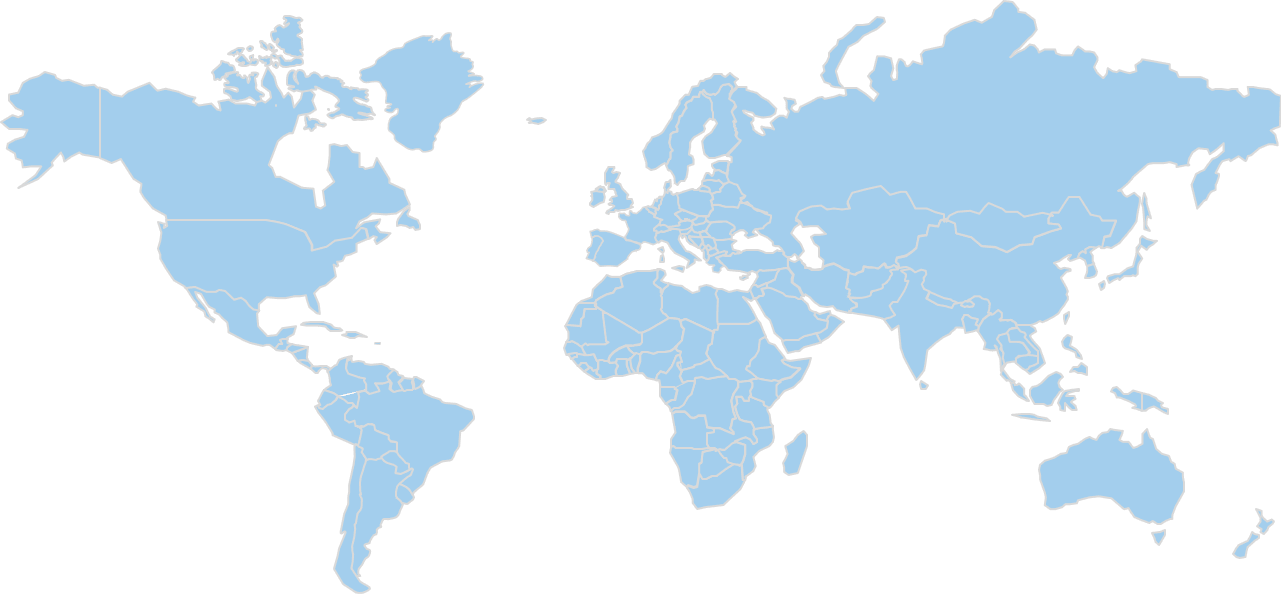
- 01By TypeMulti-Class Combination Products · HIV Integrase Strand Transfer Inhibitor · Nucleoside Reverse Transcriptase Inhibitors
- 02By ApplicationHospital Pharmacies · Retail Pharmacies · Online Pharmacies
- 03By Route of AdministrationOral · Injectable / Long-Acting
- 04By Patient PopulationAdult · Pediatric
- 05By End UserHospitals and Specialty Clinics · Homecare and Community Programs · HIV Testing and Treatment Centers
- 06By Region
Market Analysis & Outlook
HIV drugs, commonly called antiretroviral therapies, are prescription medicines used to suppress HIV replication and manage the infection as a long-term, chronic condition instead of a fatal illness. They are formulated as oral tablets, fixed-dose combination pills and, increasingly, injectable products, prescribed for lifelong use once a patient begins treatment. Buyers span national health ministries and donor-funded treatment programs, hospital and specialty pharmacies, and individual patients purchasing through retail and online pharmacy channels.
Growth of 6.96% a year carries the global hiv drugs market from USD 34.2 billion in 2025 to USD 62.5 billion in 2034. The full series behind that rate covers USD 24.8 billion in 2020, USD 31.9 billion in 2024, USD 36.5 billion in 2026 and USD 47.7 billion in 2030, with 2025 as the base year.
The type mix shifts over the period. Multi-Class Combination Products is the largest line in 2025 at USD 10.26 billion, a 30% share, moving to USD 20.61 billion and 33% by 2034. Entry Inhibitors - CCR5 Co-Receptor Antagonist grows fastest at 14.42%, taking its share from 0.8% to 1.5%, while Non-Nucleoside Reverse Transcriptase Inhibitors grows slowest at -1.23%. Multi-Class Combination Products, HIV Integrase Strand Transfer Inhibitor, Fusion Inhibitors and Entry Inhibitors - CCR5 Co-Receptor Antagonist take share over the period; Nucleoside Reverse Transcriptase Inhibitors, Non-Nucleoside Reverse Transcriptase Inhibitors and Protease Inhibitors give it up while still growing in absolute terms.
The application split puts Hospital Pharmacies first, at USD 15.39 billion and 45% of revenue in 2025, rising to USD 25 billion and 40% in 2034. Online Pharmacies grows faster at 11.58% against 5.54%, moving from 15% of revenue to 22% by 2034. It cuts the same total as the type axis from a different commercial angle, so revenue does not add across the two.
USD 13.68 billion of 2025 revenue is generated in North America, 40% of the global total and the largest regional share; it reaches USD 23.11 billion by 2034. Europe is next at 22% and USD 7.52 billion, and Latin America last at 8%. Because Asia Pacific, Latin America and Middle East and Africa take share, the revenue added by 2034 concentrates instead of spreading across all five regions.
The 2025 total is a triangulation of published figures and category proxies, short of a directly sourced total. Segment, regional and country splits are estimated on the same basis, which bounds the precision of the figures above. Coverage runs to five regions, seven type lines and five segmentation axes across a fifteen-year window.
Market Size, 2020–2034
USD BillionRevenue in USD Billion. Values up to 2025 are actuals; 2026–2034 are forecast.
Key Takeaways
- A forecast-period rate of 6.96% takes the market from USD 34.2 billion in 2025 to USD 62.5 billion in 2034, against 6.64% recorded over the 2020-2025 historical period.
- The largest line by type is Multi-Class Combination Products, worth USD 10.26 billion and 30% of revenue in 2025, rising to USD 20.61 billion and 33% by 2034.
- Fastest growth on the type axis belongs to Entry Inhibitors - CCR5 Co-Receptor Antagonist: 14.42% a year, USD 0.27 billion to USD 0.94 billion, and a share moving from 0.8% to 1.5%.
- Against a base case of USD 62.5 billion in 2034, the study also reports a bear case at USD 59.69 billion and a bull case at USD 65.31 billion, with the assumptions behind each set out separately.
- 40% of 2025 revenue is generated in North America, worth USD 13.68 billion and rising to USD 23.11 billion by 2034; Latin America is smallest at 8%.
- 90% of North America's base-year revenue comes from the United States alone: USD 12.31 billion in 2025, rising to USD 20.8 billion by 2034, which is why it is that region's worked example.
- Every line on all five segmentation axes and in each of the five regions carries its own revenue, share and growth rate for all fifteen years, 2020 through 2034, on a 2025 base.
Market Trends
Revenue Share, By By Type
Base year 2025Multi-Class Combination Products leads with 30.0% of by type segment revenue.
Share of by type segment revenue, most recent base year. The 1 smallest segments are grouped as Other.
Read across the forecast period, the global hiv drugs market shows movement in three places: type composition, regional weight, and the 6.96% rate applied to the whole.
None of them reverses the market's direction. Every line and every region grows in absolute terms across the period; the movement is in which of them captures the revenue added.
The type mix tilts toward Entry Inhibitors - CCR5 Co-Receptor Antagonist. 14.42% against -1.23%: that gap, between Entry Inhibitors - CCR5 Co-Receptor Antagonist and Non-Nucleoside Reverse Transcriptase Inhibitors, is the largest on the type axis. Over the forecast period that moves Entry Inhibitors - CCR5 Co-Receptor Antagonist from 0.8% of revenue to 1.5%, and Non-Nucleoside Reverse Transcriptase Inhibitors from 12% to 6%. In absolute terms Entry Inhibitors - CCR5 Co-Receptor Antagonist rises from USD 0.27 billion to USD 0.94 billion, while Non-Nucleoside Reverse Transcriptase Inhibitors rises from USD 4.1 billion to USD 3.75 billion. Both grow; the gap is wide enough to reshape the mix inside a single forecast window.
Asia Pacific, Latin America and Middle East and Africa gain regional share. Asia Pacific moves from 18% of revenue in 2025 to 21% in 2034, worth USD 6.16 billion rising to USD 13.13 billion; Latin America moves from 8% of revenue in 2025 to 9% in 2034, worth USD 2.74 billion rising to USD 5.63 billion; Middle East and Africa moves from 12% of revenue in 2025 to 13% in 2034, worth USD 4.1 billion rising to USD 8.13 billion. Share moves off the others in turn: North America at 40% moving to 37%, Europe at 22% moving to 20%, each still growing in revenue terms. That makes the regional split worth reading directly instead of scaling from the global rate: the same market rate produces different outcomes depending on where a supplier's revenue sits.
A continuation, not an inflection. Fifteen years of revenue run USD 24.8 billion in 2020, USD 31.9 billion in 2024, USD 34.2 billion in 2025, USD 36.5 billion in 2026, USD 47.7 billion in 2030 and USD 62.5 billion in 2034. There is no discontinuity to time, and 6.96% forecast growth against 6.64% historical means the trend continues and does not turn. A plan built on this market is therefore a plan about capturing a share of steady expansion, which is decided on the type and regional axes, not by the headline rate.
Market Growth Factors
Entry Inhibitors - CCR5 Co-Receptor Antagonist adds the most incremental growth
Market Drivers
3- 01Entry Inhibitors - CCR5 Co-Receptor Antagonist adds the most incremental growth
Entry Inhibitors - CCR5 Co-Receptor Antagonist compounds at 14.42% against 6.96% for the market, rising from USD 0.27 billion in 2025 to USD 0.94 billion in 2034 and from 0.8% of revenue to 1.5%. Set against -1.23% at the other end of the axis, this is the line that decides whether the market's 6.96% holds. A portfolio weighted away from it tracks below the market even in a market growing everywhere.
- 02The two largest regions hold most of the base
40% of 2025 revenue (USD 13.68 billion) is generated in North America, reaching USD 23.11 billion by 2034 at an unchanged 37%. Europe adds a further 22% at USD 7.52 billion, reaching USD 12.5 billion. Between them they hold most of the base and most of the revenue added over the period, so equal-weighting the regions in a plan misstates where the growth is.
- 03A demonstrated trajectory, not a projected turnaround
Revenue rose through USD 24.8 billion in 2020, USD 31.9 billion in 2024 and USD 34.2 billion in 2025, a compound 6.64% across the historical period. The forecast continues at 6.96% to USD 62.5 billion in 2034. A forecast extending an observed trend is a different proposition from one proposing a turn, and that is why no ramp is applied: the 6.96% runs evenly across the period.
Growth drivers
| # | Growth driver | Impact | Gross contribution (Billion) | 2026-28 | 2029-31 | 2032-34 |
|---|---|---|---|---|---|---|
| 1 | Shift to integrase-inhibitor-based first-line regimens | High | +9.5 | High | High | Medium |
| 2 | Growth of multi-class single-tablet combination therapy | High | +7.2 | High | Medium | Medium |
| 3 | Expanding diagnosed and treated patient base in Asia Pacific and Africa | Medium-High | +6.8 | Medium | High | High |
| 4 | Adoption of long-acting injectable antiretroviral therapy | Medium-High | +4.1 | Low | Medium | High |
| 5 | Expansion of donor-funded and public treatment access programs | Medium | +3.2 | Medium | Medium | Medium |
| 6 | Others | Low | +4 | Low | Low | Low |
| Total | +34.8 | |||||
Restraints
| # | Restraint | Impact | Estimated reduction (Billion) | 2026-28 | 2029-31 | 2032-34 |
|---|---|---|---|---|---|---|
| 1 | Patent expiries and generic substitution on branded regimens | Medium-High | −4.5 | Low | Medium | High |
| 2 | Tendered and tiered pricing in donor-funded markets | Medium | −2 | Medium | Medium | Medium |
| Total | −6.5 | |||||
Drivers contribute 34.8 Billion and restraints remove 6.5 Billion, a net 28.3 Billion, which is the revenue the market adds between the base year and 2034. Contributions are CDI estimates, apportioned so that they reconcile with the forecast rather than being read from it.
Three sources account for the growth to 2034: 6.96% compounding across the base, share moving toward the faster type lines, and above-market expansion in the leading regions.
Restraining Factors
The bear case and what drives it
Market Restraints
2- 01The bear case and what drives it
The study's downside path assumes slower donor-funded budget growth and a more gradual shift away from older oral regimens hold volumes below the base case in every forecast year, and ends 2034 at USD 59.69 billion against the USD 62.5 billion base case, the same USD 34.2 billion base year, a slower forecast period.
- 02The largest line is not the fastest
Nucleoside Reverse Transcriptase Inhibitors carries 20% of 2025 revenue at USD 6.84 billion but compounds at 4.3% against 6.96% for the market, taking its share to 16% by 2034 even as revenue rises to USD 10 billion. Because it carries that much of the base, its pace holds the blended rate down more than any faster line lifts it.
Market Opportunities
Where the forecast could be beaten
Market Opportunities
2- 01Where the forecast could be beaten
Faster-than-expected switching to long-acting injectable regimens and accelerated donor-funded treatment scale-up in Asia Pacific and Africa lift volumes above the base case in every forecast year. On that assumption the market reaches USD 65.31 billion by 2034 against USD 62.5 billion in the base case, from the same USD 34.2 billion in 2025.
- 02Entry Inhibitors - CCR5 Co-Receptor Antagonist is where share changes hands
Share on the type axis moves toward Entry Inhibitors - CCR5 Co-Receptor Antagonist, from 0.8% in 2025 to 1.5% in 2034, on 14.42% growth against the market's 6.96% and revenue rising from USD 0.27 billion to USD 0.94 billion. Taking position there does not require displacing whoever holds Multi-Class Combination Products, which is the harder and more expensive fight.
Market Challenges
The total depends on a single line
Market Challenges
2- 01The total depends on a single line
One line dominates: Multi-Class Combination Products, at 30% of revenue in 2025 and 33% in 2034, worth USD 10.26 billion and USD 20.61 billion. A market leaning this heavily on one type line concentrates its exposure there, and a shift in demand for that line moves the total more than any other single change on the axis.
- 02One country drives the leading region
North America is worth USD 13.68 billion in 2025 and USD 12.31 billion of that is the United States; 90% of the region, reaching USD 20.8 billion in 2034. A regional number that depends this heavily on one country carries that country's specific conditions inside it, which a reader treating the region as diversified would miss.
Segmentation Analysis
5 axesThe global hiv drugs market is cut five ways: by type, application, route of administration, patient population and end user. Each axis cuts the same total revenue along a different commercial dimension, so the splits are alternative views of one market, not additions to it.
There are seven lines on the type axis, and all of them grow in revenue between 2025 and 2034. What separates them is share: four gain it, the rest give it up.
By Type · 7 segments
By Type
- Largest Multi-Class Combination Products · 30%
- Fastest Entry Inhibitors - CCR5 Co-Receptor Antagonist · 14.4%
- Moves most HIV Integrase Strand Transfer Inhibitor · +9 pts
- Order by 2034 changes
| Segment | 2025 | Share | 2034 | Share | CAGR |
|---|---|---|---|---|---|
| Multi-Class Combination Products | $10.26B | 30% | $20.61B | 33%+3 | 8.1% |
| HIV Integrase Strand Transfer Inhibitor | $9.58B | 28% | $23.13B | 37%+9 | 10.3% |
| Nucleoside Reverse Transcriptase Inhibitors | $6.84B | 20% | $10B | 16%-4 | 4.3% |
| Non-Nucleoside Reverse Transcriptase Inhibitors | $4.10B | 12% | $3.75B | 6%-6 | -1.2% |
| Protease Inhibitors | $2.74B | 8% | $3.13B | 5%-3 | 1.4% |
| Fusion Inhibitors | $0.41B | 1.2% | $0.94B | 1.5%+0.3 | 9.7% |
| Entry Inhibitors - CCR5 Co-Receptor Antagonist | $0.27B | 0.8% | $0.94B | 1.5%+0.7 | 14.4% |
2025 to 2034 revenue and share by line: Multi-Class Combination Products USD 10.26 billion to USD 20.61 billion (30% to 33%), HIV Integrase Strand Transfer Inhibitor USD 9.58 billion to USD 23.13 billion (28% to 37%), Nucleoside Reverse Transcriptase Inhibitors USD 6.84 billion to USD 10 billion (20% to 16%), Non-Nucleoside Reverse Transcriptase Inhibitors USD 4.1 billion to USD 3.75 billion (12% to 6%), Protease Inhibitors USD 2.74 billion to USD 3.13 billion (8% to 5%), Fusion Inhibitors USD 0.41 billion to USD 0.94 billion (1.2% to 1.5%), Entry Inhibitors - CCR5 Co-Receptor Antagonist USD 0.27 billion to USD 0.94 billion (0.8% to 1.5%). Scale in Multi-Class Combination Products and Growth in Entry Inhibitors - CCR5 Co-Receptor Antagonist Define the Type Axis Multi-class, single-tablet regimens and integrase-inhibitor-based combinations lead this axis because current treatment guidelines recommend them as first-line therapy, and clinicians favor their tolerability and simpler dosing over older nucleoside- and protease-inhibitor-based options. Integrase inhibitors grow fastest as patients already in treatment switch away from earlier drug classes and as newly diagnosed patients start directly on an integrase-inhibitor regimen. Leadership changes hands: HIV Integrase Strand Transfer Inhibitor is the largest line by 2034, not Multi-Class Combination Products. Every year of the series is priced on this axis, making it the reference cut for the rest of the report.
By Application · 3 segments
Hospital Pharmacies Led by Application in 2025, with Online Pharmacies Growing Fastest
- Largest Hospital Pharmacies · 45%
- Fastest Online Pharmacies · 11.6%
- Moves most Online Pharmacies · +7 pts
- Order by 2034 unchanged
| Segment | 2025 | Share | 2034 | Share | CAGR |
|---|---|---|---|---|---|
| Hospital Pharmacies | $15.39B | 45% | $25B | 40%-5 | 5.5% |
| Retail Pharmacies | $13.68B | 40% | $23.75B | 38%-2 | 6.3% |
| Online Pharmacies | $5.13B | 15% | $13.75B | 22%+7 | 11.6% |
Hospital pharmacies lead because complex antiretroviral regimens are typically initiated and monitored within specialist HIV clinics attached to hospitals, and many national treatment programs dispense through hospital-linked pharmacy networks. Online pharmacies grow fastest as patients on stable, long-running regimens increasingly favor discreet home delivery over recurring in-person pharmacy visits, a shift accelerated by broader adoption of telehealth-based prescription renewal. By 2034 Hospital Pharmacies is still ahead, making this a shift in weight, not a change of leader.
By Route of Administration · 2 segments
Injectable / Long-Acting Outpaces the Axis While Oral Holds the Largest Share
- Largest Oral · 92%
- Fastest Injectable / Long-Acting · 14.7%
- Moves most Oral · -7 pts
- Order by 2034 unchanged
| Segment | 2025 | Share | 2034 | Share | CAGR |
|---|---|---|---|---|---|
| Oral | $31.46B | 92% | $53.12B | 85%-7 | 6% |
| Injectable / Long-Acting | $2.74B | 8% | $9.38B | 15%+7 | 14.7% |
Oral therapy leads because daily pills remain the standard of care for most patients and require no clinical visit beyond routine monitoring. Injectable and long-acting formulations grow fastest as patients who struggle with daily adherence, and the clinicians treating them, move toward dosing schedules built around a periodic visit instead of a daily pill. By 2034 Oral is still ahead, making this a shift in weight, not a change of leader.
By Patient Population · 2 segments
Adult Both Leads the Patient population Axis and Grows Fastest on It
- Largest Adult · 94%
- Fastest Adult · 7%
- Moves most Adult · +1 pts
- Order by 2034 unchanged
| Segment | 2025 | Share | 2034 | Share | CAGR |
|---|---|---|---|---|---|
| Adult | $32.15B | 94% | $59.37B | 95%+1 | 7% |
| Pediatric | $2.05B | 6% | $3.13B | 5%-1 | 4.8% |
Adult patients lead this axis, and continue to grow fastest, because the great majority of people living with HIV and receiving treatment worldwide are adults, and rising treatment coverage in Asia Pacific and Africa is adding adult patients faster than new pediatric infections are occurring. Prevention-of-mother-to-child-transmission programs continue to reduce new pediatric cases in most regions, holding pediatric formulation demand to a smaller, more stable base. The order does not change: Adult is still largest in 2034, and what moves is how much it holds.
By End User · 3 segments
Hospitals and Specialty Clinics Led by End user in 2025, with Homecare and Community Programs Growing Fastest
- Largest Hospitals and Specialty Clinics · 50%
- Fastest Homecare and Community Programs · 10.1%
- Moves most Homecare and Community Programs · +6 pts
- Order by 2034 unchanged
| Segment | 2025 | Share | 2034 | Share | CAGR |
|---|---|---|---|---|---|
| Hospitals and Specialty Clinics | $17.10B | 50% | $28.75B | 46%-4 | 5.9% |
| Homecare and Community Programs | $6.84B | 20% | $16.25B | 26%+6 | 10.1% |
| HIV Testing and Treatment Centers | $10.26B | 30% | $17.50B | 28%-2 | 6.1% |
Hospitals and specialty clinics lead because complex antiretroviral regimens are typically initiated and adjusted under specialist supervision, and most public treatment programs are anchored to hospital-based HIV units. Homecare and community-based programs grow fastest as stable patients shift toward community health worker-supported dispensing, a model donor-funded programs in Africa and parts of Asia Pacific increasingly favor to reach more patients without expanding hospital capacity. By 2034 Hospitals and Specialty Clinics is still ahead, making this a shift in weight, not a change of leader.
Regional Insights
Regional Revenue Share
Base year 2025Share of global revenue in the base year.
Only the leading region's share is published outside the report; pins mark the region, not a specific country.
North America Market Analysis
The largest region covered, and the one giving up the most — 3 points of share move elsewhere by 2034, while revenue still grows 1.7×.
- Rank 1 of 5
- 2025 share 40%
- By 2034 37%
- Revenue $13.68B → $23.11B
USD 13.68 billion of 2025 revenue is generated in North America, 40% of the global hiv drugs market and reaches USD 23.11 billion by 2034. By revenue it sits first across the study, and the ranking does not change between 2025 and 2034.
Its share moves to 37% by 2034, though revenue still rises throughout; the shift is in the region's weight against faster-growing ones, which is not the same as weakening demand.
Within the region the type split tracks the global one; 30% of 2025 revenue in Multi-Class Combination Products, fastest growth of 14.42% in Entry Inhibitors - CCR5 Co-Receptor Antagonist. North America is reported axis by axis and country by country in the full study.
United States
Sets the pace for North America at 90% of it, growing 1.7×.
- In region 1 of 2
- Of region 90%
- Of global 36%
- Revenue $12.31B → $20.80B
90% of North America's base-year revenue comes from the United States; USD 12.31 billion, rising to USD 20.8 billion by 2034. Carrying 90% of the region in the base year, it sets North America's direction instead of merely contributing to it. Regional revenue of USD 13.68 billion in 2025 and USD 23.11 billion in 2034 sits around it, and it is the country used wherever the full report cuts a figure by geography.
the United States buys along the same lines as the market globally; Multi-Class Combination Products first at 30% of 2025 revenue and 33% in 2034, Entry Inhibitors - CCR5 Co-Receptor Antagonist fastest at 14.42% on a share moving from 0.8% to 1.5%. Its 90% weight in North America means those movements carry straight into the regional totals. The full report reports the United States by type separately.
Antiretroviral therapies sold in the United States fall under the Food and Drug Administration, which reviews them as new drug applications or, for generic versions, abbreviated new drug applications demonstrating bioequivalence to an approved reference product. Fixed-dose combinations common in this category face additional review to confirm that each component contributes safely to the combined product. Manufacturers must meet current Good Manufacturing Practice standards, and labeling must carry FDA-approved prescribing information including resistance and dosing guidance. Many products in this space also move through the Accelerated Approval pathway given the seriousness of the underlying disease, with confirmatory trials required afterward. Distribution occurs through prescription channels only, and promotional claims are subject to review by the agency's advertising oversight division.
The suppliers tracked in this study (Merck & Dohme Corp. (Kenilworth, France), Gilead Science, Inc. (Foster city, USA), Janssen Pharmaceutical Inc. (Johnson and Johnson, Belgium), ViiV Healthcare (Research Triangle Park, U.S), Bristol-Myers Squibb Company (New York city, U.S), Mylan Pharmaceuticals (Canonsburg USA), Genentech (South San Francisco, USA) and GlaxoSmithKline plc. (Brentford, U.K)) compete in the United States across the type lines above. Volume sits in Multi-Class Combination Products at 30% of 2025 revenue; movement sits in Entry Inhibitors - CCR5 Co-Receptor Antagonist at 14.42% growth. Country-level positioning and shares for each of these companies are part of the full report, not of this summary.
Canada
2nd-largest in North America, growing 1.7×.
- In region 2 of 2
- Of region 10%
- Of global 4%
- Revenue $1.37B → $2.31B
Within North America, Canada accounts for 10% of regional revenue and 4% of the global total, worth USD 1.37 billion in 2025 and USD 2.31 billion by 2034.
Europe Market Analysis
The 2nd-largest region covered — 2 points of share move elsewhere by 2034, while revenue still grows 1.7×.
- Rank 2 of 5
- 2025 share 22%
- By 2034 20%
- Revenue $7.52B → $12.50B
USD 7.52 billion of 2025 revenue is generated in Europe, 22% of the global hiv drugs market and reaches USD 12.5 billion by 2034. It is a leading region on this axis, second by revenue throughout the period.
By 2034 the share stands at 20%, though revenue still rises throughout; the shift is in the region's weight against faster-growing ones, which is not the same as weakening demand.
The type mix reported at global level applies here, with Multi-Class Combination Products the largest line at 30% of 2025 revenue and Entry Inhibitors - CCR5 Co-Receptor Antagonist the fastest-growing at 14.42%. The full report breaks Europe out along every axis and by country.
Germany
The largest market in Europe, growing 1.7×.
- In region 1 of 2
- Of region 30.1%
- Of global 6.6%
- Revenue $2.26B → $3.75B
USD 2.26 billion of Europe's 2025 revenue is generated in Germany, the region's largest market, reaching USD 3.75 billion by 2034. 30.1% of the region in the base year makes it the largest market here without making it the region. Set against USD 7.52 billion and USD 12.5 billion for the region, it is why this market, and not a smaller one, is the one reported in full.
Demand in Germany follows the type mix reported at global level: Multi-Class Combination Products is the largest line at 30% of 2025 revenue, moving to 33% by 2034, while Entry Inhibitors - CCR5 Co-Receptor Antagonist grows fastest at 14.42% and takes its share from 0.8% to 1.5%. Because the country carries 30.1% of Europe, a movement in its own mix shows up in the regional totals instead of being averaged away by neighbouring markets. Germany carries its own type breakdown in the full report.
In Germany, antiretroviral medicines are authorized through the centralized European Medicines Agency procedure, which is mandatory for this therapeutic class, with the European Commission issuing the marketing authorization that applies across the European Union. The Federal Institute for Drugs and Medical Devices, known as BfArM, and the Paul-Ehrlich-Institut handle national pharmacovigilance and batch matters once a product reaches the German market. Manufacturers must conform to EU Good Manufacturing Practice guidelines, and packaging must include German-language labeling along with an EU-format patient information leaflet. Pricing and reimbursement decisions involve an additional benefit assessment conducted by the Federal Joint Committee working alongside the Institute for Quality and Efficiency in Health Care, separate from the safety and efficacy approval itself.
The suppliers tracked in this study (Merck & Dohme Corp. (Kenilworth, France), Gilead Science, Inc. (Foster city, USA), Janssen Pharmaceutical Inc. (Johnson and Johnson, Belgium), ViiV Healthcare (Research Triangle Park, U.S), Bristol-Myers Squibb Company (New York city, U.S), Mylan Pharmaceuticals (Canonsburg USA), Genentech (South San Francisco, USA) and GlaxoSmithKline plc. (Brentford, U.K)) compete in Germany across the type lines above. The commercially relevant division is 30% of 2025 revenue in Multi-Class Combination Products, where the volume is, against 14.42% growth in Entry Inhibitors - CCR5 Co-Receptor Antagonist, where share moves. Weighting toward Europe means competing for 22% of 2025 global revenue, a base of USD 7.52 billion moving to USD 12.5 billion across the forecast period.
United Kingdom
2nd-largest in Europe, growing 1.7×.
- In region 2 of 2
- Of region 25%
- Of global 5.5%
- Revenue $1.88B → $3.13B
5.5% of global revenue is generated in the United Kingdom; USD 1.88 billion in 2025, reaching USD 3.13 billion in 2034, and 25% of Europe.
Asia Pacific Market Analysis
The 3rd-largest region covered — it picks up 3 points of share by 2034, while revenue still grows 2.1×.
- Rank 3 of 5
- 2025 share 18%
- By 2034 21%
- Revenue $6.16B → $13.13B
USD 6.16 billion of 2025 revenue is generated in Asia Pacific, 18% of the global hiv drugs market and reaches USD 13.13 billion by 2034. Among the five regions it ranks third by revenue in both years.
21% of global revenue sits here by 2034, up from the 2025 level, at a pace above the 6.96% global rate, so this region warrants separate treatment and should not be scaled off the total.
The type mix reported at global level applies here, with Multi-Class Combination Products the largest line at 30% of 2025 revenue and Entry Inhibitors - CCR5 Co-Receptor Antagonist the fastest-growing at 14.42%. Asia Pacific is reported axis by axis and country by country in the full study.
Japan
The largest market in Asia Pacific, growing 2.1×.
- In region 1 of 2
- Of region 35.1%
- Of global 6.3%
- Revenue $2.16B → $4.60B
USD 2.16 billion of Asia Pacific's 2025 revenue is generated in Japan, the region's largest market, reaching USD 4.6 billion by 2034. At 35.1% of the region in 2025 it leads, but a majority of Asia Pacific's revenue is generated in other markets. Against regional totals of USD 6.16 billion in 2025 and USD 13.13 billion in 2034, it is the country the full report breaks out in detail.
The type pattern in Japan is the global one: 30% of 2025 revenue in Multi-Class Combination Products, 33% by 2034, against 14.42% growth in Entry Inhibitors - CCR5 Co-Receptor Antagonist taking it from 0.8% to 1.5%. Because the country carries 35.1% of Asia Pacific, a movement in its own mix shows up in the regional totals instead of being averaged away by neighbouring markets. Revenue by type for Japan is reported separately in the full report.
Regulatory oversight for this category in Japan rests with the Pharmaceuticals and Medical Devices Agency, which conducts the scientific review, and the Ministry of Health, Labour and Welfare, which grants final marketing approval. Because these are life-sustaining treatments for a serious infectious disease, applicants can pursue the Sakigake priority designation or standard priority review, both intended to shorten the assessment timeline for products addressing unmet medical need. Domestic manufacturing or import must comply with Good Manufacturing Practice standards enforced through Japan's Pharmaceutical Affairs Law framework, and labeling must appear in Japanese with dosing and resistance information consistent with locally approved indications. Post-marketing surveillance obligations are routinely attached to approvals in this class, requiring ongoing safety reporting once the product is in use.
In Japan the field is Merck & Dohme Corp. (Kenilworth, France), Gilead Science, Inc. (Foster city, USA), Janssen Pharmaceutical Inc. (Johnson and Johnson, Belgium), ViiV Healthcare (Research Triangle Park, U.S), Bristol-Myers Squibb Company (New York city, U.S), Mylan Pharmaceuticals (Canonsburg USA), Genentech (South San Francisco, USA) and GlaxoSmithKline plc. (Brentford, U.K). Volume sits in Multi-Class Combination Products at 30% of 2025 revenue; movement sits in Entry Inhibitors - CCR5 Co-Receptor Antagonist at 14.42% growth. That makes Asia Pacific a 18% share of 2025 global revenue, USD 6.16 billion rising to USD 13.13 billion, for any supplier deciding where to concentrate.
China
2nd-largest in Asia Pacific, growing 2.3×.
- In region 2 of 2
- Of region 30%
- Of global 5.4%
- Revenue $1.85B → $4.20B
Within Asia Pacific, China accounts for 30% of regional revenue and 5.41% of the global total, worth USD 1.85 billion in 2025 and USD 4.2 billion by 2034.
Latin America Market Analysis
The 5th-largest region covered — it picks up 1 point of share by 2034, while revenue still grows 2.1×.
- Rank 5 of 5
- 2025 share 8%
- By 2034 9%
- Revenue $2.74B → $5.63B
8% of the global hiv drugs market sits in Latin America in 2025, worth USD 2.74 billion rising to USD 5.63 billion in 2034. By revenue it sits fifth across the study, and the ranking does not change between 2025 and 2034.
By 2034 the share has moved up to 9%, at a pace above the 6.96% global rate, so this region warrants separate treatment and should not be scaled off the total.
Multi-Class Combination Products leads here as it does globally, at 30% of 2025 revenue, and Entry Inhibitors - CCR5 Co-Receptor Antagonist again grows fastest at 14.42%. Per-axis and per-country detail for Latin America sits in the full report.
Brazil
The largest market in Latin America, growing 2.1×.
- In region 1 of 2
- Of region 55.1%
- Of global 4.4%
- Revenue $1.51B → $3.10B
Brazil is the largest market within Latin America, generating USD 1.51 billion in 2025 and projected to reach USD 3.1 billion by 2034. Its 55.1% of base-year regional revenue leads the region, though enough sits elsewhere that Latin America is not a proxy for it. Regional revenue of USD 2.74 billion in 2025 and USD 5.63 billion in 2034 sits around it, and it is the country used wherever the full report cuts a figure by geography.
The type pattern in Brazil is the global one: 30% of 2025 revenue in Multi-Class Combination Products, 33% by 2034, against 14.42% growth in Entry Inhibitors - CCR5 Co-Receptor Antagonist taking it from 0.8% to 1.5%. With 55.1% of Latin America concentrated here, a change in this country's mix is visible in the regional figures instead of being diluted by its neighbours. Revenue by type for Brazil is reported separately in the full report.
Brazil's National Health Surveillance Agency, ANVISA, governs the registration of antiretroviral products, requiring a full technical dossier demonstrating quality, safety, and therapeutic efficacy before any product reaches the market. Because the national AIDS program has historically driven access to this category through public procurement, products supplied to that program face additional evaluation coordinated with the Ministry of Health alongside standard ANVISA registration. Manufacturing sites must hold Good Manufacturing Practice certification recognized by ANVISA, whether located domestically or abroad, and labeling must appear in Portuguese with locally approved package inserts. Generic and similar versions require bioequivalence data against the reference product, and pharmacovigilance reporting continues after approval given the chronic, long-term nature of treatment in this therapeutic area.
In Brazil the field is Merck & Dohme Corp. (Kenilworth, France), Gilead Science, Inc. (Foster city, USA), Janssen Pharmaceutical Inc. (Johnson and Johnson, Belgium), ViiV Healthcare (Research Triangle Park, U.S), Bristol-Myers Squibb Company (New York city, U.S), Mylan Pharmaceuticals (Canonsburg USA), Genentech (South San Francisco, USA) and GlaxoSmithKline plc. (Brentford, U.K). The commercially relevant division is 30% of 2025 revenue in Multi-Class Combination Products, where the volume is, against 14.42% growth in Entry Inhibitors - CCR5 Co-Receptor Antagonist, where share moves. Weighting toward Latin America means competing for 8% of 2025 global revenue, a base of USD 2.74 billion moving to USD 5.63 billion across the forecast period.
Mexico
2nd-largest in Latin America, growing 2.1×.
- In region 2 of 2
- Of region 29.9%
- Of global 2.4%
- Revenue $0.82B → $1.69B
2.4% of global revenue is generated in Mexico; USD 0.82 billion in 2025, reaching USD 1.69 billion in 2034, and 29.9% of Latin America.
Middle East and Africa Market Analysis
The 4th-largest region covered — it picks up 1 point of share by 2034, while revenue still grows 2.0×.
- Rank 4 of 5
- 2025 share 12%
- By 2034 13%
- Revenue $4.10B → $8.13B
USD 4.1 billion of 2025 revenue is generated in Middle East and Africa, 12% of the global hiv drugs market on the way to USD 8.13 billion by 2034. It is a mid-sized region on this axis, fourth by revenue throughout the period.
13% of global revenue sits here by 2034, up from the 2025 level, so the region grows faster than the market's 6.96% and takes a larger part of the revenue added by 2034 than its 2025 weight implies.
Segment composition follows the global pattern: Multi-Class Combination Products largest at 30% of 2025 revenue, Entry Inhibitors - CCR5 Co-Receptor Antagonist fastest at 14.42%. Per-axis and per-country detail for Middle East and Africa sits in the full report.
South Africa
The largest market in Middle East and Africa, growing 2.0×.
- In region 1 of 2
- Of region 40%
- Of global 4.8%
- Revenue $1.64B → $3.25B
40% of Middle East and Africa's base-year revenue comes from South Africa; USD 1.64 billion, rising to USD 3.25 billion by 2034. At 40% of the region in 2025 it leads, but a majority of Middle East and Africa's revenue is generated in other markets. Regional revenue of USD 4.1 billion in 2025 and USD 8.13 billion in 2034 sits around it, and it is the country used wherever the full report cuts a figure by geography.
Demand in South Africa follows the type mix reported at global level: Multi-Class Combination Products is the largest line at 30% of 2025 revenue, moving to 33% by 2034, while Entry Inhibitors - CCR5 Co-Receptor Antagonist grows fastest at 14.42% and takes its share from 0.8% to 1.5%. Its 40% weight in Middle East and Africa means those movements carry straight into the regional totals. Revenue by type for South Africa is reported separately in the full report.
The South African Health Products Regulatory Authority, SAHPRA, is responsible for registering antiretroviral medicines, evaluating quality, safety, and efficacy data before granting market authorization. Given the scale of the national treatment program, many products in this category are also assessed against World Health Organization prequalification standards, which facilities supplying the public sector are generally expected to meet alongside domestic registration. Manufacturing must conform to Good Manufacturing Practice requirements recognized by SAHPRA, and labeling must comply with the authority's package insert and patient information standards, typically presented in English alongside other required local languages. Tender-based public procurement through the national Department of Health operates as a parallel qualification process, separate from the registration decision itself, since supply into that channel carries its own compliance review.
The suppliers tracked in this study (Merck & Dohme Corp. (Kenilworth, France), Gilead Science, Inc. (Foster city, USA), Janssen Pharmaceutical Inc. (Johnson and Johnson, Belgium), ViiV Healthcare (Research Triangle Park, U.S), Bristol-Myers Squibb Company (New York city, U.S), Mylan Pharmaceuticals (Canonsburg USA), Genentech (South San Francisco, USA) and GlaxoSmithKline plc. (Brentford, U.K)) compete in South Africa across the type lines above. Multi-Class Combination Products, at 30% of 2025 revenue, is where the volume sits, and Entry Inhibitors - CCR5 Co-Receptor Antagonist, growing at 14.42%, is where position changes hands over the forecast period. That makes Middle East and Africa a 12% share of 2025 global revenue, USD 4.1 billion rising to USD 8.13 billion, for any supplier deciding where to concentrate.
Nigeria
2nd-largest in Middle East and Africa, growing 2.0×.
- In region 2 of 2
- Of region 20%
- Of global 2.4%
- Revenue $0.82B → $1.63B
Nigeria is sized at USD 0.82 billion in 2025, rising to USD 1.63 billion by 2034; 2.4% of global revenue and 20% of Middle East and Africa. It is reported separately from South Africa across every segmentation axis in the full report.
Request this sample to see the full data tables and segment-level detail behind this analysis.
Report Coverage
This report assesses the market across every segment, with revenue and a growth rate for each line in each year of the study period. It covers the drivers, trends, opportunities, restraints and challenges shaping growth, the competitive landscape and the companies profiled, and the research methodology behind every estimate. Segmentation is reported by Type, Application, Route of Administration, Patient Population, End User, and regional analysis covers North America, Europe, Asia Pacific, Latin America, Middle East and Africa, each broken out by country.
Competitive Landscape
Suppliers Compete on Multi-Class Combination Products Volume and Entry Inhibitors - CCR5 Co-Receptor Antagonist Momentum
Suppliers in scope: Merck & Dohme Corp. (Kenilworth, France), Gilead Science, Inc. (Foster city, USA), Janssen Pharmaceutical Inc. (Johnson and Johnson, Belgium), ViiV Healthcare (Research Triangle Park, U.S), Bristol-Myers Squibb Company (New York city, U.S), Mylan Pharmaceuticals (Canonsburg USA), Genentech (South San Francisco, USA) and GlaxoSmithKline plc. (Brentford, U.K).
The type axis, not the regional one, is where competition happens. 30% of 2025 revenue, worth USD 10.26 billion, is in Multi-Class Combination Products, still 33% of the total in 2034; that is the position least likely to change hands. Entry Inhibitors - CCR5 Co-Receptor Antagonist, compounding at 14.42% against -1.23% for Non-Nucleoside Reverse Transcriptase Inhibitors, is where share changes hands over the forecast period. Holding the first and taking the second are separate capabilities, which is why a market of USD 34.2 billion supports as many suppliers as it does.
In branded antiretrovirals, advantage rests on regulatory and clinical trial experience with new drug classes and on the patent life remaining on a current first-line regimen; the largest originator companies hold the deepest portfolios here and the closest ties to treatment guideline committees. Large Indian generic manufacturers compete on manufacturing scale, WHO prequalification status and the ability to supply donor-funded tenders reliably at volume. Smaller and regional suppliers compete mainly on price and on established distribution relationships within a single country's public health system, not on portfolio breadth.
Presence matters unevenly by region. With 40% of 2025 revenue in North America and 22% in Europe, a supplier's coverage of those two decides most of its addressable base before any product question arises.
The full report carries a profile, financials, share and development history for each company named; none of that is in this summary.
List of Key Hiv Drugs Market Companies Profiled
8 companies profiled. Company profiles, including financials, product portfolios and recent developments, are part of the full report.
- Merck & Dohme Corp. (Kenilworth, France)
- Gilead Science, Inc. (Foster city, USA)
- Janssen Pharmaceutical Inc. (Johnson and Johnson, Belgium)
- ViiV Healthcare (Research Triangle Park, U.S)
- Bristol-Myers Squibb Company (New York city, U.S)
- Mylan Pharmaceuticals (Canonsburg USA)
- Genentech (South San Francisco, USA)
- GlaxoSmithKline plc. (Brentford, U.K)
Geographic Coverage
Every market below is broken out separately in the report.
North America
3Europe
8Asia Pacific
12Latin America
3Middle East and Africa
4Key Insights
Report Scope
Study parameters & segmentationThis study covers market size and forecasts over the 2020–2034 period, segmentation across 5 axes (Type, Application, Route of Administration, Patient Population, End User), regional analysis for 5 regions and their constituent countries, a competitive landscape profiling 8 key companies, and the research methodology behind every estimate.
Segmentation
5 axes + regionQuestions This Report Answers
6 questionsWhat is the market size and growth rate, globally and by region?
How is the market segmented, and which segments lead?
Which regions and countries are covered, and how do they compare?
What are the key drivers, restraints, opportunities and challenges?
Who are the leading companies operating in this market?
What trends are expected to shape the market through the forecast period?
Frequently Asked Questions
01What is the Hiv Drugs Market projected to reach?
USD 62.5 Billion by 2034, CAGR 6.96%
02What years does this report cover?
Study period 2020–2034, base year 2025, historical data 2020-2024, forecast period 2026-2034.
03Which regions are covered?
North America, Europe, Asia Pacific, Latin America, Middle East and Africa.
04Which region accounted for the largest market share?
North America leads with 40% of global revenue through 2034.
05Which segment leads the market?
Multi-Class Combination Products is the largest line by Type, at 30% of revenue in 2025.
06Who are the key companies profiled?
Merck & Dohme Corp. (Kenilworth, France), Gilead Science, Inc. (Foster city, USA), Janssen Pharmaceutical Inc. (Johnson and Johnson, Belgium), ViiV Healthcare (Research Triangle Park, U.S), Bristol-Myers Squibb Company (New York city, U.S), Mylan Pharmaceuticals (Canonsburg USA), Genentech (South San Francisco, USA), GlaxoSmithKline plc. (Brentford, U.K). Full profiles are part of the paid report.
07Can the segmentation be customized?
Yes. Custom data cuts by geography, segment, or competitor set are available on request.
Why choose CDI
Need this report shaped around your question?
The scope isn't fixed. Tell us what your team needs that the standard edition doesn't cover, and an analyst will come back on what can be adjusted and how long it takes, before you commit to anything.
Most licences include 30–60 hours of customization at no extra cost. See what each licence includes
Additional Companies
Add competitors, suppliers or the peer set you benchmark against to the companies already covered.
Deeper Competitive View
Sharpen the landscape work around your own position: product line, channel, or a named shortlist of rivals.
Extra Segment Splits
Break the market down along an axis the standard scope doesn't cut it by, or go a level deeper inside one.
Application Focus
Narrow the analysis to the specific use cases and end users your team actually sells into.
Different Time Frame
Move the base year, or widen the historical and forecast windows the study is built on.
Country-Level Detail
Go below region level into the individual countries that matter to you, rather than the standard geography split.