
Ethyl Difluoroacetate MarketSize, Share & Industry Analysis, 2026-2034By ApplicationBy Grade / PurityBy Packaging / Pack SizeBy Distribution Channel
Full title & scope — all 4 axes with their segments
Ethyl Difluoroacetate Market Size, Share & Industry Analysis, By Application (Agrochemical Intermediate, Pharmaceutical Intermediate, Other Specialty Chemical Synthesis), By Grade / Purity (Technical Grade, Pharmaceutical / High-Purity Grade), By Packaging / Pack Size (Bulk, Small Pack), By Distribution Channel (Direct Sales / Long-Term Supply Contracts, Distributors & Traders), and Regional Forecast, 2026-2034
How the estimates were built: data sources, modelling approach and validation steps.
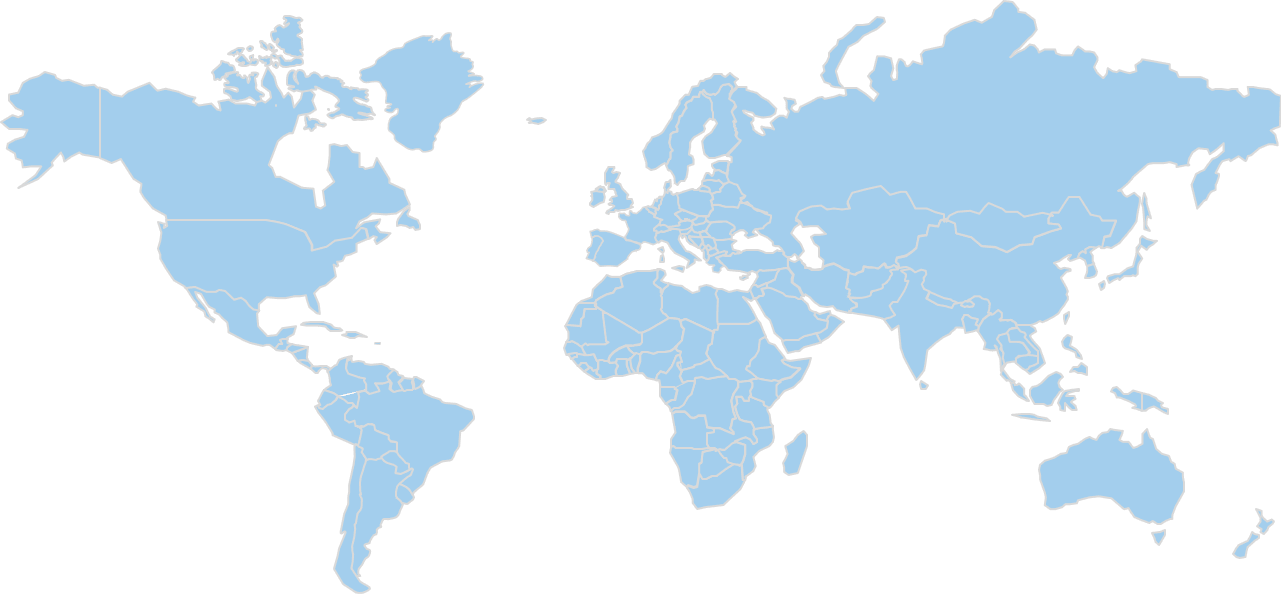
- 01By ApplicationAgrochemical Intermediate · Pharmaceutical Intermediate · Other Specialty Chemical Synthesis
- 02By Grade / PurityTechnical Grade · Pharmaceutical / High-Purity Grade
- 03By Packaging / Pack SizeBulk · Small Pack
- 04By Distribution ChannelDirect Sales / Long-Term Supply Contracts · Distributors & Traders
- 05By Region
Market Analysis & Outlook
Ethyl difluoroacetate is a fluorinated ester used as a chemical building block in the synthesis of other compounds, most commonly to introduce a difluoroacetate or difluoromethyl group into a larger molecule. It is supplied as a liquid intermediate in technical and higher-purity grades, sold in bulk drums and intermediate bulk containers to large-scale manufacturers and in smaller lab-scale packs to research and development buyers. Its principal buyers are agrochemical active-ingredient manufacturers and pharmaceutical or contract development and manufacturing organizations that specify the compound in their own synthesis routes, alongside specialty and fine-chemical producers using it for other custom syntheses.
Between 2025 and 2034 the global ethyl difluoroacetate market moves from USD 195 million to USD 380 million, compounding at 7.7% a year. Fifteen years are covered in all, taking in USD 148 million in 2020, USD 186 million in 2024, USD 210 million in 2026 and USD 288 million in 2030.
52% of 2025 revenue sits in Agrochemical Intermediate, worth USD 101.4 million and rising to USD 182.4 million at 48% by 2034, the largest application line in both years. Growth is fastest in Pharmaceutical Intermediate at 9.37% and slowest in Other Specialty Chemical Synthesis at 6.71%. Share moves toward Pharmaceutical Intermediate and away from Agrochemical Intermediate and Other Specialty Chemical Synthesis, though no line shrinks in revenue terms.
By grade / purity, Technical Grade accounts for 68% of 2025 revenue at USD 132.6 million, reaching USD 235.6 million and 62% by 2034. Pharmaceutical / High-Purity Grade grows faster at 9.61% against 6.66%, moving from 32% of revenue to 38% by 2034. This axis divides the same revenue as the application split instead of adding to it, so the two are read together and never summed.
Geographically, 46% of 2025 revenue sits in Asia Pacific (USD 89.7 million rising to USD 186.2 million) ahead of Europe at 23% and USD 44.85 million. Middle East and Africa is smallest, at 6%. Asia Pacific, Latin America and Middle East and Africa gain share across the period, so growth is not distributed evenly between regions.
Behind these figures sit five regions, three application lines and four segmentation axes, each reported for every year from 2020 to 2034. The headline 2025 value is a triangulation of published figures and category proxies, short of a directly sourced total, and the same applies to the segment, regional and country breakdowns drawn from it.
Market Size, 2020–2034
USD MillionRevenue in USD Million. Values up to 2025 are actuals; 2026–2034 are forecast.
Key Takeaways
- The global ethyl difluoroacetate market moves from USD 148 million in 2020 to USD 195 million in 2025 and USD 380 million by 2034, the forecast period compounding at 7.7% a year.
- 52% of 2025 revenue sits in Agrochemical Intermediate (USD 101.4 million) and it remains the largest application line in 2034 at USD 182.4 million and 48%.
- Fastest growth on the application axis belongs to Pharmaceutical Intermediate: 9.37% a year, USD 66.3 million to USD 148.2 million, and a share moving from 34% to 39%.
- Scenario range for 2034 runs from USD 328.7 million in the bear case to USD 431.3 million in the bull case, against a base-case USD 380 million, the spread a plan built on this forecast has to absorb.
- Asia Pacific holds 46% of global revenue in 2025 at USD 89.7 million, the largest of the five regions tracked, and reaches USD 186.2 million by 2034.
- China accounts for 48.01% of Asia Pacific in the base year, worth USD 43.06 million in 2025 and reaching USD 89.38 million by 2034, the worked country example carried through that region's chapters.
- The study covers 2020 through 2034 with 2025 as the base year, reporting five regions and four segmentation axes separately, with revenue, share and a growth rate for every line in each year.
Market Trends
Revenue Share, By Application
Base year 2025Agrochemical Intermediate leads with 52.0% of application segment revenue.
Share of application segment revenue, most recent base year.
Read across the forecast period, the global ethyl difluoroacetate market shows movement in three places: application composition, regional weight, and the 7.7% rate applied to the whole.
Not one of them points downward. Growth is everywhere in absolute terms, and the interest is entirely in where it lands.
The application mix tilts toward Pharmaceutical Intermediate. 9.37% against 6.71%: that gap, between Pharmaceutical Intermediate and Other Specialty Chemical Synthesis, is the largest on the application axis. By 2034 the two sit at 39% and 13% of revenue, against 34% and 14% in 2025. Neither contracts: USD 66.3 million becomes USD 148.2 million, USD 27.3 million becomes USD 49.4 million. What the spread decides is which of them a supplier's revenue is exposed to.
The regional balance moves. Asia Pacific moves from 46% of revenue in 2025 to 49% in 2034, worth USD 89.7 million rising to USD 186.2 million; Latin America moves from 6% of revenue in 2025 to 6.35% in 2034, worth USD 11.7 million rising to USD 24.13 million; Middle East and Africa moves from 6% of revenue in 2025 to 6.35% in 2034, worth USD 11.7 million rising to USD 24.13 million. Share moves off the others in turn: North America at 19% moving to 17.7%, Europe at 23% moving to 20.6%, each still growing in revenue terms. The practical consequence is that regional weighting decides whether a participant matches the market rate or trails it, regardless of how its own revenue reads.
Growth compounds at 7.7% without a step change. The market moves through USD 148 million in 2020, USD 186 million in 2024, USD 195 million in 2025, USD 210 million in 2026, USD 288 million in 2030 and USD 380 million in 2034. No year breaks the trajectory, and the 7.7% forecast rate compares with 5.67% recorded over 2020-2025, a continuation, not an inflection. That moves the planning question away from timing a turn and onto the application and regional mixes, where the actual movement is.
Market Growth Factors
The fastest line decides the blended rate
Market Drivers
3- 01The fastest line decides the blended rate
The fastest line on the application axis is Pharmaceutical Intermediate, at 9.37% against the market's 7.7%, taking USD 66.3 million to USD 148.2 million and 34% of revenue to 39%. Nothing else on the axis grows as fast (Other Specialty Chemical Synthesis manages 6.71%) so the blended 7.7% is carried by this one line instead of shared across them. Exposure to this line, not to the market as a whole, is what determines a supplier's own rate.
- 02Growth lands where the revenue already is
The largest regional base is Asia Pacific: USD 89.7 million in 2025 at 46% of the global total, USD 186.2 million by 2034 and 49%. Europe is next at 23% of revenue, USD 44.85 million in 2025 and USD 78.28 million in 2034. Between them they hold most of the base and most of the revenue added over the period, so equal-weighting the regions in a plan misstates where the growth is.
- 03The trend is already in the record
Revenue rose through USD 148 million in 2020, USD 186 million in 2024 and USD 195 million in 2025, a compound 5.67% across the historical period. The forecast continues at 7.7% to USD 380 million in 2034. With the trajectory already demonstrated over fifteen years, what remains uncertain is the mix, not the direction, which is where the segment and regional sections do the work.
Growth drivers
| # | Growth driver | Impact | Gross contribution (Million) | 2026-28 | 2029-31 | 2032-34 |
|---|---|---|---|---|---|---|
| 1 | Growth in fluorinated agrochemical active-ingredient synthesis | High | +68 | High | High | Medium |
| 2 | Expansion of difluoromethyl-containing pharmaceutical intermediate demand | High | +62 | Medium | High | High |
| 3 | Capacity additions among Asia Pacific custom-synthesis and fine-chemical suppliers | Medium-High | +38 | High | Medium | Medium |
| 4 | Increased qualification of ethyl difluoroacetate under long-term supply contracts | Medium | +24 | Low | Medium | Medium |
| 5 | Others | Low | +32 | Low | Low | Low |
| Total | +224 | |||||
Restraints
| # | Restraint | Impact | Estimated reduction (Million) | 2026-28 | 2029-31 | 2032-34 |
|---|---|---|---|---|---|---|
| 1 | Tightening fluorochemical regulation in Europe | Medium-High | −18 | Medium | Medium | High |
| 2 | Feedstock and hydrogen fluoride price volatility | Medium | −12 | High | Medium | Low |
| 3 | Patent expiry and substitution risk among legacy agrochemical actives | Low | −9 | Low | Medium | Medium |
| Total | −39 | |||||
Drivers contribute 224 Million and restraints remove 39 Million, a net 185 Million, which is the revenue the market adds between the base year and 2034. Contributions are CDI estimates, apportioned so that they reconcile with the forecast rather than being read from it.
Growth in the global ethyl difluoroacetate market comes from three measurable sources over 2026-2034: the market's own compounding at 7.7%, the share gained by faster-growing application lines, and expansion in the regions taking a larger part of global revenue.
Restraining Factors
Downside case: USD 328.7 million by 2034, against USD 380 million in the base case
Market Restraints
2- 01Downside case: USD 328.7 million by 2034, against USD 380 million in the base case
Where the forecast could miss: slower pharmaceutical candidate progression, tighter European fluorochemical regulation and sustained feedstock price volatility hold back both volume growth and price realization. That path reaches USD 328.7 million by 2034 instead of USD 380 million, off an unchanged USD 195 million in 2025.
- 02Agrochemical Intermediate holds the blended rate down
Agrochemical Intermediate carries 52% of 2025 revenue at USD 101.4 million but compounds at 6.76% against 7.7% for the market, taking its share to 48% by 2034 even as revenue rises to USD 182.4 million. Because it carries that much of the base, its pace holds the blended rate down more than any faster line lifts it.
Market Opportunities
Where the forecast could be beaten
Market Opportunities
2- 01Where the forecast could be beaten
A bull case of USD 431.3 million by 2034, against USD 380 million in the base case, turns on a single stated assumption: faster regulatory qualification of difluoromethyl pharmaceutical candidates and stable hydrogen fluoride feedstock pricing let fluorination capacity expand without cost pass-through resistance. The USD 195 million 2025 base is common to both.
- 02The opening is on the application axis, not the regional one
Share on the application axis moves toward Pharmaceutical Intermediate, from 34% in 2025 to 39% in 2034, on 9.37% growth against the market's 7.7% and revenue rising from USD 66.3 million to USD 148.2 million. Taking position there does not require displacing whoever holds Agrochemical Intermediate, which is the harder and more expensive fight.
Market Challenges
One application line carries the market
Market Challenges
2- 01One application line carries the market
With 52% of 2025 revenue and 48% of 2034 revenue (USD 101.4 million rising to USD 182.4 million) Agrochemical Intermediate is where the market's exposure sits. That concentration means the market's own forecast is, to a large extent, a forecast for one application line.
- 02Single-country exposure in Asia Pacific
Of Asia Pacific's USD 89.7 million in 2025, USD 43.06 million (48.01%) comes from China alone, rising to USD 89.38 million by 2034. Read as a region it looks diversified; read by weight it is not, and the regional forecast inherits whatever happens in that one market.
Segmentation Analysis
4 axesThe global ethyl difluoroacetate market is cut four ways: by application, grade / purity, packaging / pack size and distribution channel. They are alternative readings of one revenue pool, not parts that sum to it.
All three application lines expand in revenue terms over the forecast period. Share is the dividing line; one takes it, the others cede it.
By Application · 3 segments
Agrochemical Intermediate Led by Application in 2025, with Pharmaceutical Intermediate Growing Fastest
- Largest Agrochemical Intermediate · 52%
- Fastest Pharmaceutical Intermediate · 9.4%
- Moves most Pharmaceutical Intermediate · +5 pts
- Order by 2034 unchanged
| Segment | 2025 | Share | 2034 | Share | CAGR |
|---|---|---|---|---|---|
| Agrochemical Intermediate | $101M | 52% | $182M | 48%-4 | 6.8% |
| Pharmaceutical Intermediate | $66.30M | 34% | $148M | 39%+5 | 9.4% |
| Other Specialty Chemical Synthesis | $27.30M | 14% | $49.40M | 13%-1 | 6.7% |
Agrochemical Intermediate leads because established fluorinated crop-protection actives already specify ethyl difluoroacetate in their commercial synthesis routes, giving that use base scale and repeat-order stability. Pharmaceutical Intermediate is growing fastest because a wider set of difluoromethyl-bearing drug candidates is advancing through development, and each new approval or late-stage filing adds recurring intermediate demand that agrochemical formulations, largely already commercialized, do not replicate at the same pace. Agrochemical Intermediate remains the largest line through 2034, so the axis changes in proportion, not in order. This is the axis the estimation prices in full, year by year, and the one the regional chapters cut against.
By Grade / Purity · 2 segments
Scale in Technical Grade and Growth in Pharmaceutical / High-Purity Grade Define the Grade / purity Axis
- Largest Technical Grade · 68%
- Fastest Pharmaceutical / High-Purity Grade · 9.6%
- Moves most Technical Grade · -6 pts
- Order by 2034 unchanged
| Segment | 2025 | Share | 2034 | Share | CAGR |
|---|---|---|---|---|---|
| Technical Grade | $133M | 68% | $236M | 62%-6 | 6.7% |
| Pharmaceutical / High-Purity Grade | $62.40M | 32% | $144M | 38%+6 | 9.6% |
Technical Grade leads because most agrochemical and general fine-chemical synthesis routes tolerate its lower purity specification, keeping production costs down for high-volume buyers. Pharmaceutical / High-Purity Grade is growing fastest because pharmaceutical intermediate buyers require documented impurity profiles for regulatory filings, and as more difluoromethyl-based drug candidates advance, qualified high-purity supply captures a growing share of total demand. The order does not change: Technical Grade is still largest in 2034, and what moves is how much it holds.
By Packaging / Pack Size · 2 segments
Bulk (Drums & IBCs) Held the Dominant Share of the Packaging / pack size Segment in 2025
- Largest Bulk (Drums & IBCs) · 82%
- Fastest Small Pack (Lab & Pilot Quantities) · 9.4%
- Moves most Bulk (Drums & IBCs) · -3 pts
- Order by 2034 unchanged
| Segment | 2025 | Share | 2034 | Share | CAGR |
|---|---|---|---|---|---|
| Bulk (Drums & IBCs) | $160M | 82% | $300M | 79%-3 | 7.3% |
| Small Pack (Lab & Pilot Quantities) | $35.10M | 18% | $79.80M | 21%+3 | 9.4% |
Bulk packaging leads because commercial-scale agrochemical and pharmaceutical manufacturers order at production volumes that only drum and intermediate-bulk-container shipments can serve economically. Small Pack is growing fastest because expanding pharmaceutical discovery and screening programs need lab- and pilot-scale quantities for early synthesis work, and each new development program adds a fresh small-pack order before any commercial-scale contract exists. The order does not change: Bulk (Drums & IBCs) is still largest in 2034, and what moves is how much it holds.
By Distribution Channel · 2 segments
By Distribution Channel
- Largest Direct Sales / Long-Term Supply Contracts · 70%
- Fastest Direct Sales / Long-Term Supply Contracts · 8.2%
- Moves most Direct Sales / Long-Term Supply Contracts · +3 pts
- Order by 2034 unchanged
| Segment | 2025 | Share | 2034 | Share | CAGR |
|---|---|---|---|---|---|
| Direct Sales / Long-Term Supply Contracts | $137M | 70% | $277M | 73%+3 | 8.2% |
| Distributors & Traders | $58.50M | 30% | $103M | 27%-3 | 6.5% |
Scale and Growth Sit in the Same Line on the Distribution channel Axis: Direct Sales / Long-Term Supply Contracts Direct Sales leads and is also growing fastest because large agrochemical and pharmaceutical buyers increasingly prefer long-term supply agreements that secure price and volume certainty for a specialty intermediate with few qualified producers. Distributors & Traders grow more slowly because their customer base, smaller manufacturers and research buyers ordering irregular volumes, is expanding less quickly than the direct-contract base tied to established commercial-scale production. Direct Sales / Long-Term Supply Contracts remains the largest line through 2034, so the axis changes in proportion, not in order.
Regional Insights
Regional Revenue Share
Base year 2025Share of global revenue in the base year.
Only the leading region's share is published outside the report; pins mark the region, not a specific country.
North America Market Analysis
The 3rd-largest region covered — 1.3 points of share move elsewhere by 2034, while revenue still grows 1.8×.
- Rank 3 of 5
- 2025 share 19%
- By 2034 17.7%
- Revenue $37.05M → $67.26M
USD 37.05 million of 2025 revenue is generated in North America, 19% of the global ethyl difluoroacetate market with USD 67.26 million projected for 2034. Among the five regions it ranks third by revenue in both years.
17.7% of global revenue sits here in 2034, below the 2025 level, while nothing contracts here; other regions simply grow faster, which shows up as relative weight, not as falling revenue.
Within the region the application split tracks the global one; 52% of 2025 revenue in Agrochemical Intermediate, fastest growth of 9.37% in Pharmaceutical Intermediate. North America is reported axis by axis and country by country in the full study.
United States
Sets the pace for North America at 78% of it, growing 1.8×.
- In region 1 of 2
- Of region 78%
- Of global 14.8%
- Revenue $28.90M → $52.46M
78% of North America's base-year revenue comes from the United States; USD 28.9 million, rising to USD 52.46 million by 2034. At 78% of regional revenue in the base year it is not one market among several, the region's trajectory is largely this country's trajectory. Set against USD 37.05 million and USD 67.26 million for the region, it is why this market, and not a smaller one, is the one reported in full.
Demand in the United States follows the application mix reported at global level: Agrochemical Intermediate is the largest line at 52% of 2025 revenue, moving to 48% by 2034, while Pharmaceutical Intermediate grows fastest at 9.37% and takes its share from 34% to 39%. Because the country carries 78% of North America, a movement in its own mix shows up in the regional totals instead of being averaged away by neighbouring markets. The full report reports the United States by application separately.
In the United States, ethyl difluoroacetate falls under the Toxic Substances Control Act, administered by the Environmental Protection Agency, which governs its manufacture, import, and processing as an industrial chemical. A supplier must ensure the substance is listed on the TSCA Inventory or filed through a premanufacture notice before commercial use. The Occupational Safety and Health Administration's Hazard Communication Standard sets the labelling and safety data sheet requirements, aligned with the Globally Harmonized System, covering toxicity warnings tied to its fluoroacetate structure. Transport and packaging must meet Department of Transportation hazardous materials rules. Together these frameworks place responsibility for hazard classification, recordkeeping, and downstream communication squarely on the manufacturer or importer, not on the end user of the finished product.
Competition in the United States is decided on the application axis rather than on geography, since suppliers here sell into the same application lines reported globally. Two different problems sit on the same axis: holding Agrochemical Intermediate at 52% of 2025 revenue, and taking Pharmaceutical Intermediate while it grows at 9.37%. Per-company positioning and share at country level are in the full report only.
Canada
2nd-largest in North America, growing 1.8×.
- In region 2 of 2
- Of region 15%
- Of global 2.9%
- Revenue $5.56M → $10.09M
Within North America, Canada accounts for 15.01% of regional revenue and 2.85% of the global total, worth USD 5.56 million in 2025 and USD 10.09 million by 2034.
Europe Market Analysis
The 2nd-largest region covered — 2.4 points of share move elsewhere by 2034, while revenue still grows 1.7×.
- Rank 2 of 5
- 2025 share 23%
- By 2034 20.6%
- Revenue $44.85M → $78.28M
23% of the global ethyl difluoroacetate market sits in Europe in 2025, worth USD 44.85 million rising to USD 78.28 million in 2034. Among the five regions it ranks second by revenue in both years.
Its share moves to 20.6% by 2034, while nothing contracts here; other regions simply grow faster, which shows up as relative weight, not as falling revenue.
Within the region the application split tracks the global one; 52% of 2025 revenue in Agrochemical Intermediate, fastest growth of 9.37% in Pharmaceutical Intermediate. Europe is reported axis by axis and country by country in the full study.
Germany
The largest market in Europe, growing 1.7×.
- In region 1 of 3
- Of region 34%
- Of global 7.8%
- Revenue $15.25M → $26.62M
USD 15.25 million of Europe's 2025 revenue is generated in Germany, the region's largest market, reaching USD 26.62 million by 2034. At 34% of the region in 2025 it leads, but a majority of Europe's revenue is generated in other markets. Regional revenue of USD 44.85 million in 2025 and USD 78.28 million in 2034 sits around it, and it is the country used wherever the full report cuts a figure by geography.
The application pattern in Germany is the global one: 52% of 2025 revenue in Agrochemical Intermediate, 48% by 2034, against 9.37% growth in Pharmaceutical Intermediate taking it from 34% to 39%. With 34% of Europe concentrated here, a change in this country's mix is visible in the regional figures instead of being diluted by its neighbours. Germany carries its own application breakdown in the full report.
In Germany, ethyl difluoroacetate is regulated under the European Union's REACH framework, enforced domestically by the Federal Institute for Occupational Safety and Health alongside the European Chemicals Agency. A supplier placing the substance on the German market must register it with data on its physicochemical and toxicological properties, since its fluoroacetate-derived toxicity places it under closer scrutiny during substance evaluation. Classification and labelling follow the CLP Regulation, requiring hazard pictograms, signal words, and precautionary statements consistent with the Globally Harmonized System. Safety data sheets must accompany every commercial shipment. Downstream users handling the compound in synthesis or formulation are additionally bound by German hazardous substances ordinance, which sets workplace exposure and handling controls beyond the EU baseline.
Supplier positions in Germany sit on the application axis: the country buys the same lines the global market does, in the same order. Two different problems sit on the same axis: holding Agrochemical Intermediate at 52% of 2025 revenue, and taking Pharmaceutical Intermediate while it grows at 9.37%. A supplier weighted toward Europe is competing over a base of USD 44.85 million in 2025, reaching USD 78.28 million by 2034 on the trajectory this study models.
Switzerland
2nd-largest in Europe, growing 1.7×.
- In region 2 of 3
- Of region 22%
- Of global 5.1%
- Revenue $9.87M → $17.22M
Within Europe, Switzerland accounts for 22.01% of regional revenue and 5.06% of the global total, worth USD 9.87 million in 2025 and USD 17.22 million by 2034.
France
3rd-largest in Europe, growing 1.7×.
- In region 3 of 3
- Of region 14%
- Of global 3.2%
- Revenue $6.28M → $10.96M
Within Europe, France accounts for 14% of regional revenue and 3.22% of the global total, worth USD 6.28 million in 2025 and USD 10.96 million by 2034.
Asia Pacific Market Analysis
The largest region covered, and the one gaining the most — it picks up 3 points of share by 2034, while revenue still grows 2.1×.
- Rank 1 of 5
- 2025 share 46%
- By 2034 49%
- Revenue $89.70M → $186M
USD 89.7 million of 2025 revenue is generated in Asia Pacific, 46% of the global ethyl difluoroacetate market and reaches USD 186.2 million by 2034. It is a dominant region on this axis, first by revenue throughout the period.
Its share rises to 49% over the forecast period, at a pace above the 7.7% global rate, so this region warrants separate treatment and should not be scaled off the total.
The application mix reported at global level applies here, with Agrochemical Intermediate the largest line at 52% of 2025 revenue and Pharmaceutical Intermediate the fastest-growing at 9.37%. The full report breaks Asia Pacific out along every axis and by country.
China
The largest market in Asia Pacific, growing 2.1×.
- In region 1 of 3
- Of region 48%
- Of global 22.1%
- Revenue $43.06M → $89.38M
The largest single market in Asia Pacific is China, at USD 43.06 million in 2025 and USD 89.38 million in 2034. Its 48.01% of base-year regional revenue leads the region, though enough sits elsewhere that Asia Pacific is not a proxy for it. The region itself runs USD 89.7 million to USD 186.2 million over the same period, and this is the market carrying the country-level detail in the full report.
The application pattern in China is the global one: 52% of 2025 revenue in Agrochemical Intermediate, 48% by 2034, against 9.37% growth in Pharmaceutical Intermediate taking it from 34% to 39%. With 48.01% of Asia Pacific concentrated here, a change in this country's mix is visible in the regional figures instead of being diluted by its neighbours. Per-application revenue for China appears on its own in the full report.
In China, ethyl difluoroacetate is subject to the Measures for the Environmental Management of New Chemical Substances, overseen by the Ministry of Ecology and Environment, which requires notification or registration before a new or existing chemical enters production or import. A supplier must classify the substance's hazard profile according to national standards that mirror the Globally Harmonized System and prepare a corresponding safety data sheet and label in Chinese. Given its structural relation to fluoroacetate compounds, authorities are likely to treat it as a substance warranting heightened environmental and occupational review. Workplace exposure limits and hazardous chemical storage rules administered by work safety regulators apply to any domestic manufacturing site producing or handling the compound.
What separates suppliers in China is where they sit on the application axis, not which country they serve. Volume sits in Agrochemical Intermediate at 52% of 2025 revenue; movement sits in Pharmaceutical Intermediate at 9.37% growth. The commercial size of that position is USD 89.7 million in 2025, moving to USD 186.2 million by 2034 across the forecast period.
India
2nd-largest in Asia Pacific, growing 2.1×.
- In region 2 of 3
- Of region 20%
- Of global 9.2%
- Revenue $17.94M → $37.24M
Within Asia Pacific, India accounts for 20% of regional revenue and 9.2% of the global total, worth USD 17.94 million in 2025 and USD 37.24 million by 2034.
Japan
3rd-largest in Asia Pacific, growing 2.1×.
- In region 3 of 3
- Of region 14%
- Of global 6.4%
- Revenue $12.56M → $26.07M
Within Asia Pacific, Japan accounts for 14% of regional revenue and 6.44% of the global total, worth USD 12.56 million in 2025 and USD 26.07 million by 2034.
Latin America Market Analysis
The 4th-largest region covered — it picks up 0.3 points of share by 2034, while revenue still grows 2.1×.
- Rank 4 of 5
- 2025 share 6%
- By 2034 6.3%
- Revenue $11.70M → $24.13M
Latin America holds 6% of the global ethyl difluoroacetate market in 2025, worth USD 11.7 million on the way to USD 24.13 million by 2034. By revenue it sits fourth across the study, and the ranking does not change between 2025 and 2034.
6.35% of global revenue sits here by 2034, up from the 2025 level, on growth above the market's own 7.7%, and with a bigger contribution to the revenue added over the period than the base-year figure suggests.
Segment composition follows the global pattern: Agrochemical Intermediate largest at 52% of 2025 revenue, Pharmaceutical Intermediate fastest at 9.37%. Latin America is reported axis by axis and country by country in the full study.
Brazil
Sets the pace for Latin America at 62% of it, growing 2.1×.
- In region 1 of 2
- Of region 62%
- Of global 3.7%
- Revenue $7.25M → $14.96M
USD 7.25 million of Latin America's 2025 revenue is generated in Brazil, the region's largest market, reaching USD 14.96 million by 2034. Because it is 61.97% of the region in the base year, Latin America's totals move with this one country instead of a spread of them. Regional revenue of USD 11.7 million in 2025 and USD 24.13 million in 2034 sits around it, and it is the country used wherever the full report cuts a figure by geography.
Brazil buys along the same lines as the market globally; Agrochemical Intermediate first at 52% of 2025 revenue and 48% in 2034, Pharmaceutical Intermediate fastest at 9.37% on a share moving from 34% to 39%. Since 61.97% of Latin America's revenue is generated here, the regional numbers inherit this market's mix instead of smoothing it out. Revenue by application for Brazil is reported separately in the full report.
In Brazil, ethyl difluoroacetate falls within the scope of chemical control administered jointly by IBAMA, the environmental protection agency, and the national health surveillance body ANVISA where the substance enters pharmaceutical or agrochemical supply chains. A supplier is expected to classify and label the product in line with the nationally adopted Globally Harmonized System, and to register import or manufacture with IBAMA's chemical substances inventory. INMETRO's conformity assessment framework governs any packaging and safety marking requirements tied to hazardous goods transport. Given the compound's toxicity as a fluoroacetate derivative, handling and storage are also subject to occupational safety rules issued by the labour ministry, placing documentation and hazard communication obligations on the manufacturer or importer of record.
What separates suppliers in Brazil is where they sit on the application axis, not which country they serve. Volume sits in Agrochemical Intermediate at 52% of 2025 revenue; movement sits in Pharmaceutical Intermediate at 9.37% growth. A supplier weighted toward Latin America is competing over a base of USD 11.7 million in 2025, reaching USD 24.13 million by 2034 on the trajectory this study models.
Argentina
2nd-largest in Latin America, growing 2.1×.
- In region 2 of 2
- Of region 18%
- Of global 1.1%
- Revenue $2.11M → $4.34M
Argentina is sized at USD 2.11 million in 2025, rising to USD 4.34 million by 2034; 1.08% of global revenue and 18.03% of Latin America. It is reported separately from Brazil across every segmentation axis in the full report.
Middle East and Africa Market Analysis
The 5th-largest region covered — it picks up 0.3 points of share by 2034, while revenue still grows 2.1×.
- Rank 5 of 5
- 2025 share 6%
- By 2034 6.3%
- Revenue $11.70M → $24.13M
USD 11.7 million of 2025 revenue is generated in Middle East and Africa, 6% of the global ethyl difluoroacetate market rising to USD 24.13 million in 2034. It is a marginal region on this axis, fifth by revenue throughout the period.
Its share rises to 6.35% over the forecast period, at a pace above the 7.7% global rate, so this region warrants separate treatment and should not be scaled off the total.
Within the region the application split tracks the global one; 52% of 2025 revenue in Agrochemical Intermediate, fastest growth of 9.37% in Pharmaceutical Intermediate. Per-axis and per-country detail for Middle East and Africa sits in the full report.
Saudi Arabia
The largest market in Middle East and Africa, growing 2.1×.
- In region 1 of 2
- Of region 40%
- Of global 2.4%
- Revenue $4.68M → $9.65M
40% of Middle East and Africa's base-year revenue comes from Saudi Arabia; USD 4.68 million, rising to USD 9.65 million by 2034. It accounts for 40% of regional revenue in the base year, the largest single share without dominating the region outright. Set against USD 11.7 million and USD 24.13 million for the region, it is why this market, and not a smaller one, is the one reported in full.
Saudi Arabia buys along the same lines as the market globally; Agrochemical Intermediate first at 52% of 2025 revenue and 48% in 2034, Pharmaceutical Intermediate fastest at 9.37% on a share moving from 34% to 39%. Since 40% of Middle East and Africa's revenue is generated here, the regional numbers inherit this market's mix instead of smoothing it out. Revenue by application for Saudi Arabia is reported separately in the full report.
In Saudi Arabia, ethyl difluoroacetate is governed through the Saudi Standards, Metrology and Quality Organization, which applies Gulf-wide technical regulations for hazardous chemical classification and labelling based on the Globally Harmonized System. A supplier must register the substance and secure conformity certification before it can be imported or distributed commercially. The National Center for Environmental Compliance oversees hazardous substance handling and storage under environmental protection law, while occupational exposure and workplace safety fall to the Ministry of Human Resources and Social Development. Because the compound shares the toxic profile of fluoroacetate salts, importers should expect additional scrutiny during customs clearance and safety documentation review before distribution to industrial or laboratory end users.
Competition in Saudi Arabia is decided on the application axis rather than on geography, since suppliers here sell into the same application lines reported globally. The commercially relevant division is 52% of 2025 revenue in Agrochemical Intermediate, where the volume is, against 9.37% growth in Pharmaceutical Intermediate, where share moves. A supplier weighted toward Middle East and Africa is competing over a base of USD 11.7 million in 2025 reaching USD 24.13 million by 2034, 6% of global revenue at the start of that period.
South Africa
2nd-largest in Middle East and Africa, growing 2.1×.
- In region 2 of 2
- Of region 22%
- Of global 1.3%
- Revenue $2.57M → $5.31M
1.32% of global revenue is generated in South Africa; USD 2.57 million in 2025, reaching USD 5.31 million in 2034, and 21.97% of Middle East and Africa.
Request this sample to see the full data tables and segment-level detail behind this analysis.
Report Coverage
This report assesses the market across every segment, with revenue and a growth rate for each line in each year of the study period. It covers the drivers, trends, opportunities, restraints and challenges shaping growth, the competitive landscape and the companies profiled, and the research methodology behind every estimate. Segmentation is reported by Application, Grade / Purity, Packaging / Pack Size, Distribution Channel, and regional analysis covers North America, Europe, Asia Pacific, Latin America, Middle East and Africa, each broken out by country.
Competitive Landscape
Scale in Agrochemical Intermediate and Growth in Pharmaceutical Intermediate Set the Terms of Competition
The application axis, not the regional one, is where competition happens. Volume sits in Agrochemical Intermediate, USD 101.4 million and 52% of 2025 revenue, 48% by 2034, which is also where an incumbent is hardest to dislodge. Share moves in Pharmaceutical Intermediate, growing 9.37% against 6.71% for Other Specialty Chemical Synthesis. A supplier positioned in one is not automatically positioned in the other, so a field of this size stays viable in a market of USD 195 million.
What separates suppliers in this market is less about brand and more about fluorination process capability and documentation. Producers with established halogenation or esterification capacity at commercial scale can hold price and lead-time advantages that smaller custom-synthesis shops cannot match on long-run agrochemical contracts. Pharmaceutical buyers weight regulatory documentation heavily, favoring suppliers that can support drug master file or certificate of suitability filings with consistent impurity profiles. Smaller and regional producers compete instead on flexibility, serving lab-scale and pilot-quantity orders that larger suppliers are less willing to prioritize, and on faster qualification for new custom-synthesis programs.
Geographic reach is the other axis of competition. Asia Pacific alone accounts for 46% of 2025 revenue, so a supplier absent there is absent from the largest part of the market whatever its position elsewhere; Europe adds a further 23%.
Profiles, financials, shares and development histories for each company sit in the full report; this summary carries the structure only.
List of Key Ethyl Difluoroacetate Market Companies Profiled
8 companies profiled. Company profiles, including financials, product portfolios and recent developments, are part of the full report.
- Solvay(Belgium)
- Honeywell(United States)
- Daikin Industries(Japan)
- Merck KGaA(Germany)
- Thermo Fisher Scientific(United States)
- Fluorochem Ltd(United Kingdom)
- Enamine(Ukraine)
- SynQuest Laboratories(United States)
Geographic Coverage
Every market below is broken out separately in the report.
North America
3Europe
8Asia Pacific
12Latin America
3Middle East and Africa
4Key Insights
Report Scope
Study parameters & segmentationThis study covers market size and forecasts over the 2020–2034 period, segmentation across 4 axes (Application, Grade / Purity, Packaging / Pack Size, Distribution Channel), regional analysis for 5 regions and their constituent countries, a competitive landscape profiling 8 key companies, and the research methodology behind every estimate.
Segmentation
4 axes + regionFull chapter-and-section structure of the report. Segment, region, and company breakdowns are listed as scope. The underlying figures are in the sample and full report.
Table of Contents+−
Chapter 1.Executive Summary
Chapter 2.Premium Insights
Chapter 3.Market Definition
Chapter 4.Research Methodology
Chapter 5.Strategic Imperatives & Market Outlook
Chapter 6.Go-to-Market (GTM) Strategies
Chapter 7.Market Trends, Strategy & Dynamics
Chapter 8.Porter's Five Forces
Chapter 9.PESTEL Analysis
Chapter 10.Value Chain Analysis
Chapter 11.Supply Chain Analysis
Chapter 12.Macro-Economic Factors
Chapter 13.Market Cost Analysis
Chapter 14.Market Supply-Side Analysis
Chapter 15.Global Ethyl Difluoroacetate Market Size & Projections, 2020–2034, Revenue (USD Million)
Chapter 16.Global Ethyl Difluoroacetate Market Overview, By Application, 2020–2034, Revenue (USD Million)
Chapter 17.Global Ethyl Difluoroacetate Market Overview, By Grade / Purity, 2020–2034, Revenue (USD Million)
Chapter 18.Global Ethyl Difluoroacetate Market Overview, By Packaging / Pack Size, 2020–2034, Revenue (USD Million)
Chapter 19.Global Ethyl Difluoroacetate Market Overview, By Distribution Channel, 2020–2034, Revenue (USD Million)
Chapter 20.Global Ethyl Difluoroacetate Market Size — Segment Comparison
Chapter 21.Global Ethyl Difluoroacetate Geography Overview, 2020–2034, Revenue (USD Million)
Chapter 22.North America Ethyl Difluoroacetate Market Deep-Dive, 2020–2034, Revenue (USD Million)
Chapter 23.Europe Ethyl Difluoroacetate Market Deep-Dive, 2020–2034, Revenue (USD Million)
Chapter 24.Asia Pacific Ethyl Difluoroacetate Market Deep-Dive, 2020–2034, Revenue (USD Million)
Chapter 25.Latin America Ethyl Difluoroacetate Market Deep-Dive, 2020–2034, Revenue (USD Million)
Chapter 26.Middle East and Africa Ethyl Difluoroacetate Market Deep-Dive, 2020–2034, Revenue (USD Million)
Chapter 27.Application / Use-Case Analysis
Chapter 28.Vendor Capability Scorecard
Chapter 29.Scenario Forecasts
Chapter 30.Top 10 Key Clients of Top 10 Players
Chapter 31.Top 10 Suppliers
Chapter 32.Competitive Landscape
Chapter 33.Partnerships & M&A
Chapter 34.Key Vendor Analysis
Chapter 35.Marketing Strategy Analysis, Distributors & Traders
Chapter 36.Outlook of the Market
Chapter 37.Concluding Analyst Note
List of Figures+−
Structural index generated from this report's own section headings, not verified against the delivered report's actual figure numbering.
List of Tables+−
Structural index generated from this report's own section headings, not verified against the delivered report's actual table numbering.
Segmentation Analysis
4 axesBy Application
3- 01Agrochemical Intermediate
- 02Pharmaceutical Intermediate
- 03Other Specialty Chemical Synthesis
By Grade / Purity
2- 01Technical Grade
- 02Pharmaceutical / High-Purity Grade
By Packaging / Pack Size
2- 01Bulk (Drums & IBCs)
- 02Small Pack (Lab & Pilot Quantities)
By Distribution Channel
2- 01Direct Sales / Long-Term Supply Contracts
- 02Distributors & Traders
Segment categories shown for scope reference. See the Summary tab for revenue share by Application. Full segment-by-segment detail across every axis is available in the sample and full report.
Research approach
A market size is a claim about the world, and a claim is only as good as the route to it. Every study is built upward from units and prices — what is actually produced, sold or performed, at what it actually changes hands for — rather than from a headline figure divided downwards. Disclosed company revenue is then used to check that build, not to produce it.
Build from production and shipment volumes of ethyl difluoroacetate, measured in metric tons, sold into agrochemical and pharmaceutical intermediate synthesis, multiplied by realized per-kilogram prices that vary by grade, technical versus pharmaceutical grade, and by contract type, long-term direct supply versus distributor resale. Volume estimates anchor to commercial-scale agrochemical actives and pharmaceutical intermediates that specify this compound in their published synthesis routes, combined with capacity signals from fine-chemical and custom-synthesis producers active in fluorination chemistry. This bottom-up build is then checked against the disclosed specialty-chemical segment revenue of producers known to manufacture fluorinated building blocks; where the two diverge, the volume or price assumption feeding the bottom-up build is revisited rather than adding in a separate top-down figure.
The four stages
The same sequence runs behind every published study, whatever the industry. The order matters as much as the steps: the segment axes are fixed before any number is collected, so the model is never reshaped to fit whatever data happens to turn up.
What the build rests on, and what checks it
The two are not interchangeable. The left column produces the number; the right column tests it. When the check disagrees with the build, the answer is to find which bottom-up assumption is wrong — a unit count, a price, a take-up rate — not to split the difference between them.
- Volume actually transacted — units produced, installed, dispensed or procedures performed, counted at the level each is genuinely recorded
- Realised pricing by tier and channel, rather than one blended average applied across the whole market
- Take-up and frequency: how much of the addressable base buys, and how often it repeats
- Disclosed revenue of the companies serving the market, where filings separate it far enough to be usable
- Buyer-side spending totals — capital budgets, procurement lines, or the output of the end market the product is bought against
- Trade and customs flows, where the product crosses borders in a separately recorded form
Data sources
Published data establishes what happened. Only the people transacting in a market can say why, and what is about to change — so the two are collected separately and weighted differently.
- Commercial and product leadership at the companies that supply the market
- Procurement and specification leads at the organisations that buy it
- Distributors, integrators and channel partners, where the market is served indirectly
- Regulatory and standards specialists, where approval governs what can be sold at all
- Company filings, annual reports and investor disclosure
- Government statistics, customs records and regulatory registers
- Trade association output and standards-body publications
- Technical and peer-reviewed literature, where the market rests on a clinical or engineering claim
Interviews target procurement and technical sourcing managers at agrochemical formulators and pharmaceutical and contract development and manufacturing organizations who specify ethyl difluoroacetate in their synthesis routes, plant-level production planners at fine-chemical and custom-synthesis suppliers who manufacture the intermediate, and regulatory affairs staff who manage grade qualification and supply-chain documentation for pharmaceutical buyers. Distributor and channel-partner contacts covering smaller-volume research and pilot-scale orders round out the sample. Geographic emphasis follows where production and consumption concentrate: China and India for manufacturing capacity, and Germany, Switzerland and the United States for pharmaceutical and agrochemical formulation demand, with lighter sampling across the remaining regions.
Desk research draws on customs and trade data filed under the relevant Harmonized System code for fluorinated acetate esters, chemical regulatory registers including the EU's REACH substance registration listings and the U.S. EPA's TSCA inventory entries covering this compound, patent filings naming ethyl difluoroacetate as a synthesis intermediate for agrochemical and pharmaceutical actives, and publicly disclosed specialty-chemical segment revenue from fine-chemical producers active in fluorination chemistry. Agrochemical industry association benchmarks on fluorinated active-ingredient volumes, and national customs bureau filings from the largest producing and consuming countries, supplement the demand-side estimate.
Desk research runs across proprietary research databases including Factiva, OneSource and Hoovers alongside the public sources above. Modelling and statistical validation are run in SAS and SPSS.
Forecasting
The forecast is not a growth rate applied to a base year. It is built from the drivers that are expected to change, each one stated so a reader can disagree with it.
The forecast extends from the volume and price base built for 2025 and 2026, tracking the pace at which fluorinated agrochemical actives and difluoromethyl-bearing pharmaceutical candidates already in development or early commercial use scale toward full production volume. Grade mix is assumed to shift gradually toward pharmaceutical-grade material as more pharmaceutical intermediate demand qualifies, and price is held broadly flat in real terms except where feedstock volatility is explicitly modeled as a restraint. The forecast normalizes for the packaging-mix shift toward smaller, research-scale orders that accompanies rising pharmaceutical development activity. For the forecast to hold, no major fluorinated agrochemical active already in commercial use may be withdrawn or substituted ahead of schedule.
Triangulation and validation
No figure enters a report on the strength of one source. Where the two sizing routes disagree the difference is not averaged away — the assumption causing it is isolated, tested against a third independent measure, and either corrected or carried forward as a stated limitation. Historical years are back-tested against the growth actually recorded before any forecast is allowed to run forward from them.
Outputs are back-tested against the recorded 2020-2024 growth implied by known agrochemical and pharmaceutical fluorination activity over that period, checking that the bottom-up build's own historical trajectory is consistent with disclosed capacity additions among fluorination-capable fine-chemical producers. Segment-level shifts, particularly the rising pharmaceutical-intermediate and pharmaceutical-grade shares, were reviewed against known drug-development pipelines referencing difluoromethyl chemistry. Sensitivities were tested on the feedstock-price assumption underlying the technical-grade cost base and on the pace of agrochemical-active patent expiry, since both directly move the volume and grade-mix assumptions the forecast depends on.
Confidence and limitations
Where an estimate is firm and where it is not is stated rather than left to be inferred from the precision of the number.
Confidence is firmest on the agrochemical-intermediate application and technical-grade volumes, where commercial-scale synthesis routes are already established and stable. It is thinner on the pharmaceutical-intermediate and pharmaceutical-grade lines, where demand depends on drug candidates still in development and adoption timing is harder to pin down, and on Middle East and Africa and Latin America country splits, where reporting on fluorochemical intermediate trade is sparse. A material shift in fluorinated agrochemical active approvals, or an unexpected regulatory restriction on this compound in a major manufacturing region, would be the most likely trigger for a revision.
Every report purchase includes direct access to the lead analyst for scoping questions on the data, at no extra cost and with no separate booking process.
Request a tailored breakdown by geography, segment, or competitor set beyond what's in the standard report.
Questions This Report Answers
6 questionsWhat is the market size and growth rate, globally and by region?
How is the market segmented, and which segments lead?
Which regions and countries are covered, and how do they compare?
What are the key drivers, restraints, opportunities and challenges?
Who are the leading companies operating in this market?
What trends are expected to shape the market through the forecast period?
Frequently Asked Questions
01What is the Ethyl Difluoroacetate Market projected to reach?
USD 380 Million by 2034, CAGR 7.7%
02What years does this report cover?
Study period 2020–2034, base year 2025, historical data 2020-2024, forecast period 2026-2034.
03Which regions are covered?
North America, Europe, Asia Pacific, Latin America, Middle East and Africa.
04Which region accounted for the largest market share?
Asia Pacific leads with 46% of global revenue through 2034.
05Which segment leads the market?
Agrochemical Intermediate is the largest line by Application, at 52% of revenue in 2025.
06Who are the key companies profiled?
Solvay, Honeywell, Daikin Industries, Merck KGaA, Thermo Fisher Scientific, Fluorochem Ltd, Enamine, SynQuest Laboratories. Full profiles are part of the paid report.
07Can the segmentation be customized?
Yes. Custom data cuts by geography, segment, or competitor set are available on request.
Why choose CDI
Need this report shaped around your question?
The scope isn't fixed. Tell us what your team needs that the standard edition doesn't cover, and an analyst will come back on what can be adjusted and how long it takes, before you commit to anything.
Most licences include 30–60 hours of customization at no extra cost. See what each licence includes
Additional Companies
Add competitors, suppliers or the peer set you benchmark against to the companies already covered.
Deeper Competitive View
Sharpen the landscape work around your own position: product line, channel, or a named shortlist of rivals.
Extra Segment Splits
Break the market down along an axis the standard scope doesn't cut it by, or go a level deeper inside one.
Application Focus
Narrow the analysis to the specific use cases and end users your team actually sells into.
Different Time Frame
Move the base year, or widen the historical and forecast windows the study is built on.
Country-Level Detail
Go below region level into the individual countries that matter to you, rather than the standard geography split.