
Braking System MarketSize, Share & Industry Analysis, 2026-2034By ComponentBy Vehicle TypeBy TechnologyBy Sales ChannelBy Material
Full title & scope — all 5 axes with their segments
Braking System Market Size, Share & Industry Analysis, By Component (Brake Pads, Brake Rotors/Discs, Brake Drums & Shoes, Calipers, Brake Boosters & Master Cylinders, Electronic Control Units & Sensors), By Vehicle Type (Passenger Cars, Light Commercial Vehicles, Heavy Commercial Vehicles, Two-Wheelers), By Technology (Anti-lock Braking System, Electronic Stability Control, Regenerative Braking System, Conventional/Non-ABS), By Sales Channel (OEM, Aftermarket), By Material (Semi-Metallic, Ceramic, Low-Metallic NAO, Others), and Regional Forecast, 2026-2034
How the estimates were built: data sources, modelling approach and validation steps.
- 01By ComponentBrake Pads · Brake Rotors/Discs · Brake Drums & Shoes
- 02By Vehicle TypePassenger Cars · Light Commercial Vehicles · Heavy Commercial Vehicles
- 03By TechnologyAnti-lock Braking System · Electronic Stability Control · Regenerative Braking System
- 04By Sales ChannelOEM · Aftermarket
- 05By MaterialSemi-Metallic · Ceramic · Low-Metallic NAO
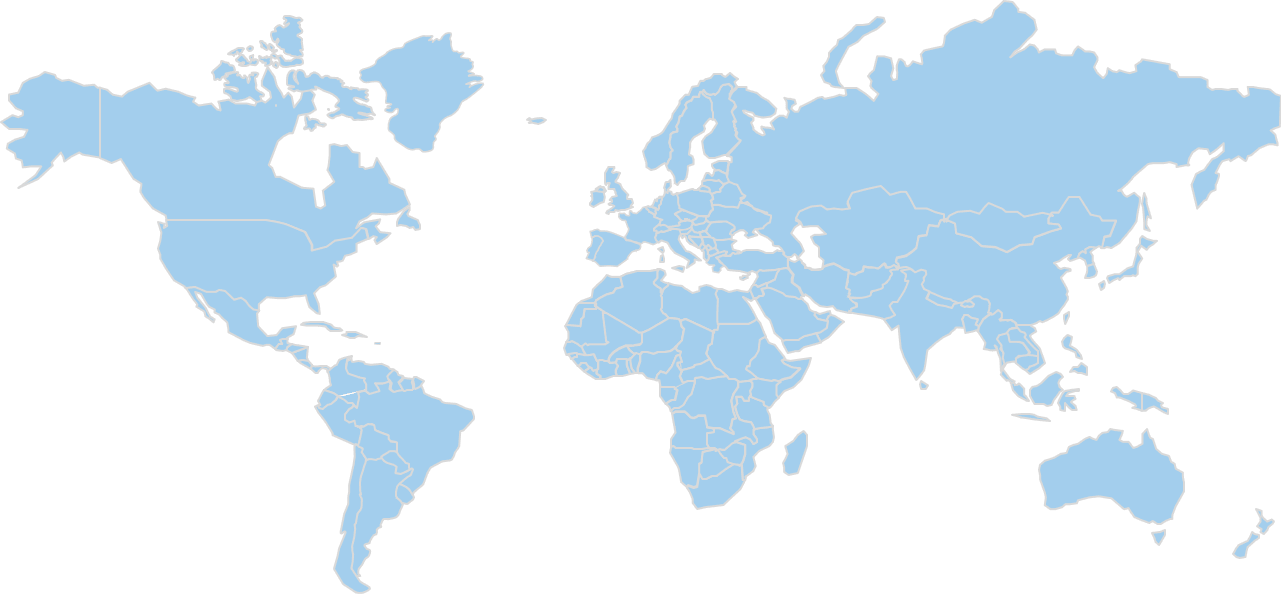
- 06By Region
Market Analysis & Outlook
An automotive brake system is the full assembly that brings a moving vehicle to a controlled stop: pads, rotors or drums, calipers, boosters and master cylinders, plus the electronic control units that manage anti-lock and stability functions. It is fitted to passenger cars, light and heavy commercial vehicles and two-wheelers, and purchased both by vehicle manufacturers assembling new vehicles and by workshops and owners replacing worn parts over a vehicle's service life.
The global braking system market is valued at USD 58.5 billion in 2025 and is set to reach USD 95.8 billion by 2034, a compound annual growth rate of 5.63% across the 2026-2034 forecast period. The study tracks the market across USD 42 billion in 2020, USD 55.2 billion in 2024, USD 61.8 billion in 2026 and USD 77 billion in 2030.
The component mix shifts over the period. Brake Pads is the largest line in 2025 at USD 15.795 billion, a 27% share, moving to USD 23.95 billion and 25% by 2034. Electronic Control Units & Sensors grows fastest at 9.81%, taking its share from 10.5% to 15%, while Brake Drums & Shoes grows slowest at 2.26%. Share moves toward Brake Rotors/Discs, Calipers and Electronic Control Units & Sensors and away from Brake Pads, Brake Drums & Shoes and Brake Boosters & Master Cylinders, though no line shrinks in revenue terms.
By vehicle type, Passenger Cars accounts for 58% of 2025 revenue at USD 33.93 billion, reaching USD 52.69 billion and 55% by 2034. Two-Wheelers grows faster at 7.03% against 5.01%, moving from 8% of revenue to 9% by 2034. This axis divides the same revenue as the component split instead of adding to it, so the two are read together and never summed.
Geographically, 42% of 2025 revenue sits in Asia Pacific (USD 24.57 billion rising to USD 43.11 billion) ahead of Europe at 24% and USD 14.04 billion. Middle East and Africa is smallest, at 6%. Because Asia Pacific and Middle East and Africa take share, the revenue added by 2034 concentrates instead of spreading across all five regions.
Behind these figures sit five regions, six component lines and five segmentation axes, each reported for every year from 2020 to 2034. The headline 2025 value is a triangulation of published figures and category proxies, short of a directly sourced total, and the same applies to the segment, regional and country breakdowns drawn from it.
Market Size, 2020–2034
USD BillionRevenue in USD Billion. Values up to 2025 are actuals; 2026–2034 are forecast.
Key Takeaways
- The global braking system market moves from USD 42 billion in 2020 to USD 58.5 billion in 2025 and USD 95.8 billion by 2034, the forecast period compounding at 5.63% a year.
- The largest line by component is Brake Pads, worth USD 15.795 billion and 27% of revenue in 2025, rising to USD 23.95 billion and 25% by 2034.
- At 9.81%, Electronic Control Units & Sensors grows faster than any other component line, moving from USD 6.1425 billion and 10.5% of revenue in 2025 to USD 14.37 billion and 15% in 2034.
- The bull case puts 2034 revenue at USD 104.422 billion and the bear case at USD 87.178 billion, either side of the USD 95.8 billion base case, each with its own stated assumption in the full report.
- 42% of 2025 revenue is generated in Asia Pacific, worth USD 24.57 billion and rising to USD 43.11 billion by 2034; Middle East and Africa is smallest at 6%.
- 45% of Asia Pacific's base-year revenue comes from China alone: USD 11.0565 billion in 2025, rising to USD 18.537 billion by 2034, which is why it is that region's worked example.
- The study covers 2020 through 2034 with 2025 as the base year, reporting five regions and five segmentation axes separately, with revenue, share and a growth rate for every line in each year.
Market Trends
Revenue Share, By By Component
Base year 2025Brake Pads leads with 27.0% of by component segment revenue.
Share of by component segment revenue, most recent base year.
Three movements define the forecast period in the global braking system market: how the component mix changes, where regional weight shifts, and the rate at which the total compounds.
Not one of them points downward. Growth is everywhere in absolute terms, and the interest is entirely in where it lands.
Electronic Control Units & Sensors grows at more than twice the pace of Brake Drums & Shoes. 9.81% against 2.26%: that gap, between Electronic Control Units & Sensors and Brake Drums & Shoes, is the largest on the component axis. Over the forecast period that moves Electronic Control Units & Sensors from 10.5% of revenue to 15%, and Brake Drums & Shoes from 12% to 9%. Neither contracts: USD 6.1425 billion becomes USD 14.37 billion, USD 7.02 billion becomes USD 8.622 billion. What the spread decides is which of them a supplier's revenue is exposed to.
Asia Pacific and Middle East and Africa gain regional share. Asia Pacific moves from 42% of revenue in 2025 to 45% in 2034, worth USD 24.57 billion rising to USD 43.11 billion; Middle East and Africa moves from 6% of revenue in 2025 to 7% in 2034, worth USD 3.51 billion rising to USD 6.706 billion. Against that, Europe at 24% moving to 22%, North America at 21% moving to 19%, Latin America at 7% moving to 7%, a fall in share, not in revenue. That makes the regional split worth reading directly instead of scaling from the global rate: the same market rate produces different outcomes depending on where a supplier's revenue sits.
Growth compounds at 5.63% without a step change. The market moves through USD 42 billion in 2020, USD 55.2 billion in 2024, USD 58.5 billion in 2025, USD 61.8 billion in 2026, USD 77 billion in 2030 and USD 95.8 billion in 2034. Against 6.85% through the historical period, the 5.63% forecast rate is a continuation; no year in the series interrupts it. That moves the planning question away from timing a turn and onto the component and regional mixes, where the actual movement is.
Market Growth Factors
The fastest line decides the blended rate
Market Drivers
3- 01The fastest line decides the blended rate
Electronic Control Units & Sensors compounds at 9.81% against 5.63% for the market, rising from USD 6.1425 billion in 2025 to USD 14.37 billion in 2034 and from 10.5% of revenue to 15%. Set against 2.26% at the other end of the axis, this is the line that decides whether the market's 5.63% holds. That makes position on the component axis a growth decision, not a product one.
- 02Growth lands where the revenue already is
42% of 2025 revenue (USD 24.57 billion) is generated in Asia Pacific, reaching USD 43.11 billion by 2034, with share rising to 45%. Europe adds a further 24% at USD 14.04 billion, reaching USD 21.076 billion. Because both the existing revenue and the revenue added concentrate in these two, regional weighting matters more to a forecast than regional count does.
- 03A demonstrated trajectory, not a projected turnaround
USD 42 billion in 2020, USD 55.2 billion in 2024 and USD 58.5 billion in 2025: 6.85% compound growth before the forecast period even begins. The forecast period then runs at 5.63%, ending 2034 at USD 95.8 billion. A forecast extending an observed trend is a different proposition from one proposing a turn, and that is why no ramp is applied: the 5.63% runs evenly across the period.
Growth drivers
| # | Growth driver | Impact | Gross contribution (Billion) | 2026-28 | 2029-31 | 2032-34 |
|---|---|---|---|---|---|---|
| 1 | Mandatory ABS and ESC fitment expanding in emerging markets | High | +10.5 | High | Medium | Low |
| 2 | Rising vehicle production in Asia Pacific | High | +9.5 | High | High | Medium |
| 3 | Electric and hybrid vehicle growth driving regenerative braking adoption | Medium-High | +8 | Medium | High | High |
| 4 | Aging vehicle parc lengthening aftermarket replacement cycles | Medium | +6.5 | Medium | Medium | Medium |
| 5 | Premiumization toward ceramic and low-metallic friction materials | Medium | +4.5 | Low | Medium | Medium |
| 6 | Others | Low | +2.3 | Low | Low | Low |
| Total | +41.3 | |||||
Restraints
| # | Restraint | Impact | Estimated reduction (Billion) | 2026-28 | 2029-31 | 2032-34 |
|---|---|---|---|---|---|---|
| 1 | Price pressure from low-cost regional component suppliers | Medium | −2.5 | Medium | Medium | Medium |
| 2 | Slower commercial vehicle replacement cycles in mature markets | Low | −1.5 | Low | Low | Low |
| Total | −4 | |||||
Drivers contribute 41.3 Billion and restraints remove 4 Billion, a net 37.3 Billion, which is the revenue the market adds between the base year and 2034. Contributions are CDI estimates, apportioned so that they reconcile with the forecast rather than being read from it.
The 5.63% forecast rate rests on three things that can be measured separately: the size of the existing base, the mix shift on the component axis, and where regional growth is concentrated.
Restraining Factors
Downside case: USD 87.178 billion by 2034, against USD 95.8 billion in the base case
Market Restraints
2- 01Downside case: USD 87.178 billion by 2034, against USD 95.8 billion in the base case
Vehicle production growth slows in Asia Pacific and announced anti-lock and stability mandates in emerging markets are delayed, holding fitment rates below the base case. On that assumption 2034 revenue lands at USD 87.178 billion against the USD 95.8 billion base case, from the same USD 58.5 billion 2025 starting point.
- 02Brake Pads grows below the market rate
Brake Pads carries 27% of 2025 revenue at USD 15.795 billion but compounds at 4.73% against 5.63% for the market, taking its share to 25% by 2034 even as revenue rises to USD 23.95 billion. Because it carries that much of the base, its pace holds the blended rate down more than any faster line lifts it.
Market Opportunities
Where the forecast could be beaten
Market Opportunities
2- 01Where the forecast could be beaten
What would beat the forecast: vehicle production in Asia Pacific grows faster than the base case and electric vehicle adoption pulls regenerative braking content into new platforms sooner than currently scheduled. That case reaches USD 104.422 billion in 2034 against USD 95.8 billion, and it is worth testing against a reader's own read of the market.
- 02Electronic Control Units & Sensors share moves from 10.5% to 15%
Share on the component axis moves toward Electronic Control Units & Sensors, from 10.5% in 2025 to 15% in 2034, on 9.81% growth against the market's 5.63% and revenue rising from USD 6.1425 billion to USD 14.37 billion. Taking position there does not require displacing whoever holds Brake Pads, which is the harder and more expensive fight.
Market Challenges
The total depends on a single line
Market Challenges
2- 01The total depends on a single line
USD 15.795 billion of 2025 revenue sits in Brake Pads, 27% of the total, and it is still 25% at USD 23.95 billion nine years later. No other single change on the component axis moves the total as much as a change in demand for that one line.
- 02China is 45% of Asia Pacific
Asia Pacific is worth USD 24.57 billion in 2025 and USD 11.0565 billion of that is China; 45% of the region, reaching USD 18.537 billion in 2034. Read as a region it looks diversified; read by weight it is not, and the regional forecast inherits whatever happens in that one market.
Segmentation Analysis
5 axesThe global braking system market is cut five ways: by component, vehicle type, technology, sales channel and material. Every one of them divides the same revenue, which makes them views of one market from different commercial angles, not components of it.
Six component lines are reported. Three of them take share over the forecast period and the rest give it up, though every line grows in absolute terms between 2025 and 2034.
By Component · 6 segments
Brake Pads Held the Dominant Share of the Component Segment in 2025
- Largest Brake Pads · 27%
- Fastest Electronic Control Units & Sensors · 9.8%
- Moves most Electronic Control Units & Sensors · +4.5 pts
- Order by 2034 changes
| Segment | 2025 | Share | 2034 | Share | CAGR |
|---|---|---|---|---|---|
| Brake Pads | $15.79B | 27% | $23.95B | 25%-2 | 4.7% |
| Brake Rotors/Discs | $14.33B | 24.5% | $23.95B | 25%+0.5 | 5.9% |
| Brake Drums & Shoes | $7.02B | 12% | $8.62B | 9%-3 | 2.3% |
| Calipers | $9.65B | 16.5% | $16.29B | 17%+0.5 | 6% |
| Brake Boosters & Master Cylinders | $5.56B | 9.5% | $8.62B | 9%-0.5 | 5% |
| Electronic Control Units & Sensors | $6.14B | 10.5% | $14.37B | 15%+4.5 | 9.8% |
Brake pads and rotors lead because they are wear items replaced repeatedly across a vehicle's service life, generating recurring aftermarket demand that other components do not see. Electronic control units and sensors grow fastest as automakers embed anti-lock, stability and regenerative braking logic into every new platform, turning a mechanical part into a software-linked one. The order does not change: Brake Pads is still largest in 2034, and what moves is how much it holds. This is the axis the estimation prices in full, year by year, and the one the regional chapters cut against.
By Vehicle Type · 4 segments
Passenger Cars Held the Dominant Share of the Vehicle type Segment in 2025
- Largest Passenger Cars · 58%
- Fastest Two-Wheelers · 7%
- Moves most Passenger Cars · -3 pts
- Order by 2034 unchanged
| Segment | 2025 | Share | 2034 | Share | CAGR |
|---|---|---|---|---|---|
| Passenger Cars | $33.93B | 58% | $52.69B | 55%-3 | 5% |
| Light Commercial Vehicles | $11.70B | 20% | $20.12B | 21%+1 | 6.2% |
| Heavy Commercial Vehicles | $8.19B | 14% | $14.37B | 15%+1 | 6.5% |
| Two-Wheelers | $4.68B | 8% | $8.62B | 9%+1 | 7% |
Passenger cars lead because they make up the largest share of global vehicle production and each one carries a full set of wear and electronic braking components. Two-wheelers grow fastest as rising output in Asian markets and tightening safety mandates push combined and anti-lock braking onto models that previously carried none. Passenger Cars remains the largest line through 2034, so the axis changes in proportion, not in order.
By Technology · 4 segments
Anti-lock Braking System (ABS) Led by Technology in 2025, with Regenerative Braking System Growing Fastest
- Largest Anti-lock Braking System (ABS) · 45%
- Fastest Regenerative Braking System · 14.1%
- Moves most Regenerative Braking System · +10 pts
- Order by 2034 changes
| Segment | 2025 | Share | 2034 | Share | CAGR |
|---|---|---|---|---|---|
| Anti-lock Braking System (ABS) | $26.32B | 45% | $40.24B | 42%-3 | 4.8% |
| Electronic Stability Control (ESC) | $16.38B | 28% | $28.74B | 30%+2 | 6.5% |
| Regenerative Braking System | $5.85B | 10% | $19.16B | 20%+10 | 14.1% |
| Conventional/Non-ABS | $9.95B | 17% | $7.66B | 8%-9 | -2.9% |
Anti-lock braking leads because it has been a regulatory requirement across most major vehicle markets for over a decade, making it the default fitment on nearly every new car sold. Regenerative braking grows fastest as electric and hybrid vehicle output expands and automakers recover energy during deceleration instead of dissipating it as heat. Anti-lock Braking System (ABS) remains the largest line through 2034, so the axis changes in proportion, not in order.
By Sales Channel · 2 segments
Scale in OEM and Growth in Aftermarket Define the Sales channel Axis
- Largest OEM · 68%
- Fastest Aftermarket · 6.7%
- Moves most OEM · -3 pts
- Order by 2034 unchanged
| Segment | 2025 | Share | 2034 | Share | CAGR |
|---|---|---|---|---|---|
| OEM | $39.78B | 68% | $62.27B | 65%-3 | 5.1% |
| Aftermarket | $18.72B | 32% | $33.53B | 35%+3 | 6.7% |
OEM fitment leads because every new vehicle produced requires a full brake system installed at the factory, and global vehicle output still outweighs the replacement cycle in dollar terms. Aftermarket sales grow faster as the vehicle parc ages in mature markets and owners keep cars longer, requiring more replacement pads, rotors and drums over each vehicle's extended life. The fastest line is Aftermarket, which is why the split shifts toward it over the period. By 2034 OEM is still ahead, making this a shift in weight, not a change of leader.
By Material · 4 segments
Semi-Metallic Led by Material in 2025, with Ceramic Growing Fastest
- Largest Semi-Metallic · 40%
- Fastest Ceramic · 8.3%
- Moves most Ceramic · +6 pts
- Order by 2034 changes
| Segment | 2025 | Share | 2034 | Share | CAGR |
|---|---|---|---|---|---|
| Semi-Metallic | $23.40B | 40% | $33.53B | 35%-5 | 4.1% |
| Ceramic | $14.04B | 24% | $28.74B | 30%+6 | 8.3% |
| Low-Metallic NAO | $15.21B | 26% | $24.91B | 26% | 5.6% |
| Others | $5.85B | 10% | $8.62B | 9%-1 | 4.4% |
Semi-metallic friction material leads because it balances cost, heat resistance and stopping performance well enough to remain the default choice for mainstream passenger and commercial vehicles. Ceramic compounds grow fastest as premium and electric vehicle makers favor their lower noise and dust output, qualities that matter more once a quieter electric drivetrain removes engine noise that used to mask brake noise. By 2034 Semi-Metallic is still ahead, making this a shift in weight, not a change of leader.
Regional Insights
Regional Revenue Share
Base year 2025Share of global revenue in the base year.
Only the leading region's share is published outside the report; pins mark the region, not a specific country.
Asia Pacific Market Analysis
The largest region covered, and the one gaining the most — it picks up 3 points of share by 2034, while revenue still grows 1.8×.
- Rank 1 of 5
- 2025 share 42%
- By 2034 45%
- Revenue $24.57B → $43.11B
In Asia Pacific, 42% of global revenue puts 2025 at USD 24.57 billion rising to USD 43.11 billion in 2034. It is a dominant region on this axis, first by revenue throughout the period.
By 2034 the share has moved up to 45%, because it outgrows the market's 5.63%; the revenue added here is disproportionate to where the region started.
The component mix reported at global level applies here, with Brake Pads the largest line at 27% of 2025 revenue and Electronic Control Units & Sensors the fastest-growing at 9.81%. The full report breaks Asia Pacific out along every axis and by country.
China
The largest market in Asia Pacific, growing 1.7×.
- In region 1 of 3
- Of region 45%
- Of global 18.9%
- Revenue $11.06B → $18.54B
USD 11.0565 billion of Asia Pacific's 2025 revenue is generated in China, the region's largest market, reaching USD 18.537 billion by 2034. It accounts for 45% of regional revenue in the base year, the largest single share without dominating the region outright. Against regional totals of USD 24.57 billion in 2025 and USD 43.11 billion in 2034, it is the country the full report breaks out in detail.
Composition here matches the global split: the largest line is Brake Pads at 27% of 2025 revenue, easing to 25% by 2034, and the fastest is Electronic Control Units & Sensors at 9.81%, from 10.5% to 15%. Its 45% weight in Asia Pacific means those movements carry straight into the regional totals. Revenue by component for China is reported separately in the full report.
Braking systems for road vehicles sold in China fall under the compulsory certification scheme administered by the State Administration for Market Regulation, commonly known as CCC certification. A supplier must have its brake components and assemblies tested and certified before they can be fitted to vehicles offered for sale, with conformity assessed against national standards issued under the GB series that cover braking performance, anti-lock function, and parking brake behavior. Vehicle-level type approval is overseen by the Ministry of Industry and Information Technology, which requires brake system documentation as part of the broader vehicle homologation file. Labelling must identify the manufacturer, the certification mark, and relevant technical parameters. Aftermarket brake parts are also expected to meet the same national standards, and enforcement extends to import inspection for components entering the country from overseas suppliers.
Supplier positions in China sit on the component axis: the country buys the same lines the global market does, in the same order. Brake Pads, at 27% of 2025 revenue, is where the volume sits, and Electronic Control Units & Sensors, growing at 9.81%, is where position changes hands over the forecast period. Country-level shares and positioning per company sit in the full report.
Japan
2nd-largest in Asia Pacific, growing 1.6×.
- In region 2 of 3
- Of region 20%
- Of global 8.4%
- Revenue $4.91B → $7.76B
8.4% of global revenue is generated in Japan; USD 4.914 billion in 2025, reaching USD 7.7598 billion in 2034, and 20% of Asia Pacific.
India
3rd-largest in Asia Pacific, growing 2.1×.
- In region 3 of 3
- Of region 15%
- Of global 6.3%
- Revenue $3.69B → $7.76B
Within Asia Pacific, India accounts for 15% of regional revenue and 6.3% of the global total, worth USD 3.6855 billion in 2025 and USD 7.7598 billion by 2034.
Europe Market Analysis
The 2nd-largest region covered — 2 points of share move elsewhere by 2034.
- Rank 2 of 5
- 2025 share 24%
- By 2034 22%
- Revenue $14.04B → $21.08B
In Europe, 24% of global revenue puts 2025 at USD 14.04 billion and reaches USD 21.076 billion by 2034. That makes it the second-largest region covered, in 2025 and again in 2034.
By 2034 the share stands at 22%, a shift in share, not in direction: revenue climbs every year while the market's centre of gravity moves elsewhere.
Brake Pads leads here as it does globally, at 27% of 2025 revenue, and Electronic Control Units & Sensors again grows fastest at 9.81%. Per-axis and per-country detail for Europe sits in the full report.
Germany
The largest market in Europe, growing 1.4×.
- In region 1 of 3
- Of region 30%
- Of global 7.2%
- Revenue $4.21B → $5.90B
USD 4.212 billion of Europe's 2025 revenue is generated in Germany, the region's largest market, reaching USD 5.9013 billion by 2034. It accounts for 30% of regional revenue in the base year, the largest single share without dominating the region outright. Set against USD 14.04 billion and USD 21.076 billion for the region, it is why this market, and not a smaller one, is the one reported in full.
Demand in Germany follows the component mix reported at global level: Brake Pads is the largest line at 27% of 2025 revenue, moving to 25% by 2034, while Electronic Control Units & Sensors grows fastest at 9.81% and takes its share from 10.5% to 15%. Because the country carries 30% of Europe, a movement in its own mix shows up in the regional totals instead of being averaged away by neighbouring markets. The full report reports Germany by component separately.
As an EU member state, Germany applies the harmonized European type-approval framework administered through the Kraftfahrt-Bundesamt, the Federal Motor Transport Authority, which issues approvals for braking systems in line with UNECE regulations adopted under EU vehicle approval law. A supplier must demonstrate that brake components meet the relevant performance and safety requirements before a vehicle or system component can receive an approval mark and be placed on the market. Braking systems intended as replacement parts fall within the scope of EU regulations on the approval of parts and equipment, requiring their own conformity marking distinct from the vehicle's overall approval. Technical files, test reports, and traceability documentation must be maintained by the manufacturer. The German standards body DIN also publishes national standards that align with the wider European and international framework governing brake design and testing.
Supplier positions in Germany sit on the component axis: the country buys the same lines the global market does, in the same order. Brake Pads, at 27% of 2025 revenue, is where the volume sits, and Electronic Control Units & Sensors, growing at 9.81%, is where position changes hands over the forecast period. A supplier weighted toward Europe is competing over a base of USD 14.04 billion in 2025, reaching USD 21.076 billion by 2034 on the trajectory this study models.
France
2nd-largest in Europe, growing 1.5×.
- In region 2 of 3
- Of region 15%
- Of global 3.6%
- Revenue $2.11B → $3.16B
Within Europe, France accounts for 15% of regional revenue and 3.6% of the global total, worth USD 2.106 billion in 2025 and USD 3.1614 billion by 2034.
United Kingdom
3rd-largest in Europe, growing 1.5×.
- In region 3 of 3
- Of region 12%
- Of global 2.9%
- Revenue $1.68B → $2.53B
2.88% of global revenue is generated in the United Kingdom; USD 1.6848 billion in 2025, reaching USD 2.5291 billion in 2034, and 12% of Europe.
North America Market Analysis
The 3rd-largest region covered — 2 points of share move elsewhere by 2034.
- Rank 3 of 5
- 2025 share 21%
- By 2034 19%
- Revenue $12.29B → $18.20B
In North America, 21% of global revenue puts 2025 at USD 12.285 billion with USD 18.202 billion projected for 2034. That makes it the third-largest region covered, in 2025 and again in 2034.
19% of global revenue sits here in 2034, below the 2025 level, while nothing contracts here; other regions simply grow faster, which shows up as relative weight, not as falling revenue.
Within the region the component split tracks the global one; 27% of 2025 revenue in Brake Pads, fastest growth of 9.81% in Electronic Control Units & Sensors. North America is reported axis by axis and country by country in the full study.
United States
Sets the pace for North America at 70% of it, growing 1.4×.
- In region 1 of 3
- Of region 70%
- Of global 14.7%
- Revenue $8.60B → $12.38B
The United States is the largest market within North America, generating USD 8.5995 billion in 2025 and projected to reach USD 12.377 billion by 2034. 70% of the region in 2025 means the regional figures are, in practice, a view of this market with others attached. The region itself runs USD 12.285 billion to USD 18.202 billion over the same period, and this is the market carrying the country-level detail in the full report.
Composition here matches the global split: the largest line is Brake Pads at 27% of 2025 revenue, easing to 25% by 2034, and the fastest is Electronic Control Units & Sensors at 9.81%, from 10.5% to 15%. Its 70% weight in North America means those movements carry straight into the regional totals. The United States carries its own component breakdown in the full report.
Braking systems for motor vehicles sold in the United States are regulated by the National Highway Traffic Safety Administration under the Federal Motor Vehicle Safety Standards, with the standard governing hydraulic and electric brake systems setting stopping distance, fade resistance, and parking brake requirements that a manufacturer must certify compliance against. Manufacturers self-certify rather than obtaining prior government approval, though NHTSA can order a recall if a system is later found not to conform. Labelling requirements cover the certification label affixed to the vehicle and, for brake fluid and certain components, markings identifying compliance with the applicable standard. The Environmental Protection Agency also has an interest in brake pad composition, since several states restrict copper and other heavy metals in friction material under legislation that manufacturers selling into those markets must track separately from the federal safety standard.
The United States does not have a competitive structure of its own; position here is position on the component axis reported above. Brake Pads, at 27% of 2025 revenue, is where the volume sits, and Electronic Control Units & Sensors, growing at 9.81%, is where position changes hands over the forecast period. A supplier weighted toward North America is competing over a base of USD 12.285 billion in 2025, reaching USD 18.202 billion by 2034 on the trajectory this study models.
Mexico
2nd-largest in North America, growing 1.6×.
- In region 2 of 3
- Of region 18%
- Of global 3.8%
- Revenue $2.21B → $3.64B
Within North America, Mexico accounts for 18% of regional revenue and 3.78% of the global total, worth USD 2.2113 billion in 2025 and USD 3.6404 billion by 2034.
Canada
3rd-largest in North America, growing 1.5×.
- In region 3 of 3
- Of region 12%
- Of global 2.5%
- Revenue $1.47B → $2.18B
2.52% of global revenue is generated in Canada; USD 1.4742 billion in 2025, reaching USD 2.1842 billion in 2034, and 12% of North America.
Latin America Market Analysis
The 4th-largest region covered, holding its share flat through 2034, while revenue still grows 1.6×.
- Rank 4 of 5
- 2025 share 7%
- By 2034 7%
- Revenue $4.09B → $6.71B
Latin America holds 7% of the global braking system market in 2025, worth USD 4.095 billion on the way to USD 6.706 billion by 2034. By revenue it sits fourth across the study, and the ranking does not change between 2025 and 2034.
7% of global revenue sits here in 2034, below the 2025 level, and the region keeps growing in absolute terms while others expand faster, a change in relative weight, not a decline in demand.
Within the region the component split tracks the global one; 27% of 2025 revenue in Brake Pads, fastest growth of 9.81% in Electronic Control Units & Sensors. The full report breaks Latin America out along every axis and by country.
Brazil
The largest market in Latin America, growing 1.6×.
- In region 1 of 2
- Of region 55%
- Of global 3.9%
- Revenue $2.25B → $3.69B
Brazil is the largest market within Latin America, generating USD 2.2523 billion in 2025 and projected to reach USD 3.6883 billion by 2034. At 55% of the region in 2025 it leads, but a majority of Latin America's revenue is generated in other markets. Set against USD 4.095 billion and USD 6.706 billion for the region, it is why this market, and not a smaller one, is the one reported in full.
Demand in Brazil follows the component mix reported at global level: Brake Pads is the largest line at 27% of 2025 revenue, moving to 25% by 2034, while Electronic Control Units & Sensors grows fastest at 9.81% and takes its share from 10.5% to 15%. Its 55% weight in Latin America means those movements carry straight into the regional totals. Brazil carries its own component breakdown in the full report.
Vehicle braking systems in Brazil are regulated through Conselho Nacional de Trânsito resolutions that set the technical requirements a vehicle must meet before it can be registered, with conformity assessed against standards published by the Associação Brasileira de Normas Técnicas covering brake performance and testing procedures. The National Institute of Metrology, Quality and Technology, Inmetro, administers the certification process for automotive components, including brake parts, requiring a supplier to obtain product certification and display the Inmetro conformity mark before a component can be sold. Type approval for complete vehicles, which brake systems form part of, is coordinated with the national traffic authority. Suppliers of replacement brake parts are also subject to certification, since aftermarket components entering the Brazilian market undergo the same conformity assessment as original equipment before distribution is permitted.
Brazil does not have a competitive structure of its own; position here is position on the component axis reported above. Brake Pads, at 27% of 2025 revenue, is where the volume sits, and Electronic Control Units & Sensors, growing at 9.81%, is where position changes hands over the forecast period. A supplier weighted toward Latin America is competing over a base of USD 4.095 billion in 2025, reaching USD 6.706 billion by 2034 on the trajectory this study models.
Argentina
2nd-largest in Latin America, growing 1.6×.
- In region 2 of 2
- Of region 20%
- Of global 1.4%
- Revenue $0.82B → $1.34B
Argentina is sized at USD 0.819 billion in 2025, rising to USD 1.3412 billion by 2034; 1.4% of global revenue and 20% of Latin America. It is reported separately from Brazil across every segmentation axis in the full report.
Middle East and Africa Market Analysis
The 5th-largest region covered — it picks up 1 point of share by 2034, while revenue still grows 1.9×.
- Rank 5 of 5
- 2025 share 6%
- By 2034 7%
- Revenue $3.51B → $6.71B
In Middle East and Africa, 6% of global revenue puts 2025 at USD 3.51 billion on the way to USD 6.706 billion by 2034. That makes it the fifth-largest region covered, in 2025 and again in 2034.
Share climbs to 7% by 2034, so the region grows faster than the market's 5.63% and takes a larger part of the revenue added by 2034 than its 2025 weight implies.
Brake Pads leads here as it does globally, at 27% of 2025 revenue, and Electronic Control Units & Sensors again grows fastest at 9.81%. Per-axis and per-country detail for Middle East and Africa sits in the full report.
Saudi Arabia
The largest market in Middle East and Africa, growing 1.9×.
- In region 1 of 2
- Of region 30%
- Of global 1.8%
- Revenue $1.05B → $2.01B
The largest single market in Middle East and Africa is Saudi Arabia, at USD 1.053 billion in 2025 and USD 2.0118 billion in 2034. It accounts for 30% of regional revenue in the base year, the largest single share without dominating the region outright. Set against USD 3.51 billion and USD 6.706 billion for the region, it is why this market, and not a smaller one, is the one reported in full.
Demand in Saudi Arabia follows the component mix reported at global level: Brake Pads is the largest line at 27% of 2025 revenue, moving to 25% by 2034, while Electronic Control Units & Sensors grows fastest at 9.81% and takes its share from 10.5% to 15%. With 30% of Middle East and Africa concentrated here, a change in this country's mix is visible in the regional figures instead of being diluted by its neighbours. The full report reports Saudi Arabia by component separately.
Braking systems for vehicles sold in Saudi Arabia fall under the technical regulations administered by the Saudi Standards, Metrology and Quality Organization, which requires conformity certification before automotive components can be registered for import or sale. Vehicles and their braking systems are generally assessed against UNECE regulations that Saudi technical rules have adopted, meaning a supplier must show that brake assemblies meet the applicable stopping performance and durability requirements recognized under that framework. Products are subject to the Saber conformity assessment platform, through which an importer or manufacturer obtains a certificate of conformity and a shipment certificate prior to customs clearance. Labelling must identify the manufacturer and the applicable standard the component conforms to. Gulf-wide technical regulations issued through the Gulf Standardization Organization also inform the requirements applied at the national level.
Competition in Saudi Arabia is decided on the component axis rather than on geography, since suppliers here sell into the same component lines reported globally. The commercially relevant division is 27% of 2025 revenue in Brake Pads, where the volume is, against 9.81% growth in Electronic Control Units & Sensors, where share moves. The commercial size of that position is USD 3.51 billion in 2025, moving to USD 6.706 billion by 2034 across the forecast period.
South Africa
2nd-largest in Middle East and Africa, growing 1.9×.
- In region 2 of 2
- Of region 25%
- Of global 1.5%
- Revenue $0.88B → $1.68B
1.5% of global revenue is generated in South Africa; USD 0.8775 billion in 2025, reaching USD 1.6765 billion in 2034, and 25% of Middle East and Africa.
Request this sample to see the full data tables and segment-level detail behind this analysis.
Report Coverage
This report assesses the market across every segment, with revenue and a growth rate for each line in each year of the study period. It covers the drivers, trends, opportunities, restraints and challenges shaping growth, the competitive landscape and the companies profiled, and the research methodology behind every estimate. Segmentation is reported by Component, Vehicle Type, Technology, Sales Channel, Material, and regional analysis covers Asia Pacific, Europe, North America, Latin America, Middle East and Africa, each broken out by country.
Competitive Landscape
Scale in Brake Pads and Growth in Electronic Control Units & Sensors Set the Terms of Competition
The component axis, not the regional one, is where competition happens. 27% of 2025 revenue, worth USD 15.795 billion, is in Brake Pads, still 25% of the total in 2034; that is the position least likely to change hands. Electronic Control Units & Sensors, compounding at 9.81% against 2.26% for Brake Drums & Shoes, is where share changes hands over the forecast period. Those are different problems, and a supplier strong in one is not thereby strong in the other; that is what sustains a field this size in a USD 58.5 billion market.
Scale in manufacturing and long-standing OEM qualification separate the largest suppliers from the rest of the field: Bosch, Continental and ZF hold integrated electronic and hydraulic brake platforms that smaller firms cannot match, and that breadth wins multi-year OEM contracts before a vehicle program even launches. Brembo and Akebono compete on brand and performance positioning in premium and motorsport-adjacent segments instead of on volume. Regional and mid-sized suppliers such as Nissin Kogyo and HL Mando compete on proximity to specific automakers and faster response to regional platform changes, while distribution reach into the aftermarket matters more for smaller friction-material producers than OEM scale does.
The regional picture sets the entry cost: 42% of revenue is in Asia Pacific and 24% in Europe, so a credible global position requires both, while Middle East and Africa at 6% can be served opportunistically.
Per-company profiles, financials, share and development history are in the full report and not here.
List of Key Braking System Market Companies Profiled
12 companies profiled. Company profiles, including financials, product portfolios and recent developments, are part of the full report.
- Robert Bosch GmbH(Germany)
- Continental AG(Germany)
- ZF Friedrichshafen AG(Germany)
- Aisin Corporation(Japan)
- Akebono Brake Industry Co., Ltd.(Japan)
- Brembo S.p.A.(Italy)
- Hitachi Astemo, Ltd.(Japan)
- Nissin Kogyo Co., Ltd.(Japan)
- HL Mando Corporation(South Korea)
- Knorr-Bremse AG(Germany)
- Haldex AB(Sweden)
- Tenneco Inc.(United States)
Geographic Coverage
Every market below is broken out separately in the report.
Asia Pacific
12Europe
8North America
3Latin America
3Middle East and Africa
4Key Insights
Report Scope
Study parameters & segmentationThis study covers market size and forecasts over the 2020–2034 period, segmentation across 5 axes (Component, Vehicle Type, Technology, Sales Channel, Material), regional analysis for 5 regions and their constituent countries, a competitive landscape profiling 12 key companies, and the research methodology behind every estimate.
Segmentation
5 axes + regionFull chapter-and-section structure of the report. Segment, region, and company breakdowns are listed as scope. The underlying figures are in the sample and full report.
Table of Contents+−
Chapter 1.Executive Summary
Chapter 2.Premium Insights
Chapter 3.Market Definition
Chapter 4.Research Methodology
Chapter 5.Strategic Imperatives & Market Outlook
Chapter 6.Go-to-Market (GTM) Strategies
Chapter 7.Market Trends, Strategy & Dynamics
Chapter 8.Porter's Five Forces
Chapter 9.PESTEL Analysis
Chapter 10.Value Chain Analysis
Chapter 11.Supply Chain Analysis
Chapter 12.Macro-Economic Factors
Chapter 13.Market Cost Analysis
Chapter 14.Market Supply-Side Analysis
Chapter 15.Global Braking System Market Size & Projections, 2020–2034, Revenue (USD Billion)
Chapter 16.Global Braking System Market Overview, By Component, 2020–2034, Revenue (USD Billion)
Chapter 17.Global Braking System Market Overview, By Vehicle Type, 2020–2034, Revenue (USD Billion)
Chapter 18.Global Braking System Market Overview, By Technology, 2020–2034, Revenue (USD Billion)
Chapter 19.Global Braking System Market Overview, By Sales Channel, 2020–2034, Revenue (USD Billion)
Chapter 20.Global Braking System Market Overview, By Material, 2020–2034, Revenue (USD Billion)
Chapter 21.Global Braking System Market Size — Segment Comparison
Chapter 22.Global Braking System Geography Overview, 2020–2034, Revenue (USD Billion)
Chapter 23.Asia Pacific Braking System Market Deep-Dive, 2020–2034, Revenue (USD Billion)
Chapter 24.Europe Braking System Market Deep-Dive, 2020–2034, Revenue (USD Billion)
Chapter 25.North America Braking System Market Deep-Dive, 2020–2034, Revenue (USD Billion)
Chapter 26.Latin America Braking System Market Deep-Dive, 2020–2034, Revenue (USD Billion)
Chapter 27.Middle East and Africa Braking System Market Deep-Dive, 2020–2034, Revenue (USD Billion)
Chapter 28.Application / Use-Case Analysis
Chapter 29.Vendor Capability Scorecard
Chapter 30.Scenario Forecasts
Chapter 31.Top 10 Key Clients of Top 10 Players
Chapter 32.Top 10 Suppliers
Chapter 33.Competitive Landscape
Chapter 34.Partnerships & M&A
Chapter 35.Key Vendor Analysis
Chapter 36.Marketing Strategy Analysis, Distributors & Traders
Chapter 37.Outlook of the Market
Chapter 38.Concluding Analyst Note
List of Figures+−
Structural index generated from this report's own section headings, not verified against the delivered report's actual figure numbering.
List of Tables+−
Structural index generated from this report's own section headings, not verified against the delivered report's actual table numbering.
Segmentation Analysis
5 axesBy Component
6- 01Brake Pads
- 02Brake Rotors/Discs
- 03Brake Drums & Shoes
- 04Calipers
- 05Brake Boosters & Master Cylinders
- 06Electronic Control Units & Sensors
By Vehicle Type
4- 01Passenger Cars
- 02Light Commercial Vehicles
- 03Heavy Commercial Vehicles
- 04Two-Wheelers
By Technology
4- 01Anti-lock Braking System (ABS)
- 02Electronic Stability Control (ESC)
- 03Regenerative Braking System
- 04Conventional/Non-ABS
By Sales Channel
2- 01OEM
- 02Aftermarket
By Material
4- 01Semi-Metallic
- 02Ceramic
- 03Low-Metallic NAO
- 04Others
Segment categories shown for scope reference. See the Summary tab for revenue share by By Component. Full segment-by-segment detail across every axis is available in the sample and full report.
Research approach
A market size is a claim about the world, and a claim is only as good as the route to it. Every study is built upward from units and prices — what is actually produced, sold or performed, at what it actually changes hands for — rather than from a headline figure divided downwards. Disclosed company revenue is then used to check that build, not to produce it.
This market was built upward from unit volumes and realised prices, not from a single top-line figure. Global light and commercial vehicle production volumes, split by region, were combined with average brake system content per vehicle for passenger cars, light commercial vehicles and heavy commercial vehicles, and multiplied by component-level average selling prices for pads, rotors, drums, calipers, boosters and control units. Aftermarket volumes were built separately from the installed vehicle parc and average replacement intervals. The resulting bottom-up figure was then checked against disclosed revenue from Bosch, Continental, ZF, Aisin, Brembo and other named suppliers; where a supplier's reported brake or chassis revenue implied a different regional split, the vehicle-content assumption for that region was the one corrected, instead of averaging the estimate with the top-down figure.
The four stages
The same sequence runs behind every published study, whatever the industry. The order matters as much as the steps: the segment axes are fixed before any number is collected, so the model is never reshaped to fit whatever data happens to turn up.
What the build rests on, and what checks it
The two are not interchangeable. The left column produces the number; the right column tests it. When the check disagrees with the build, the answer is to find which bottom-up assumption is wrong — a unit count, a price, a take-up rate — not to split the difference between them.
- Volume actually transacted — units produced, installed, dispensed or procedures performed, counted at the level each is genuinely recorded
- Realised pricing by tier and channel, rather than one blended average applied across the whole market
- Take-up and frequency: how much of the addressable base buys, and how often it repeats
- Disclosed revenue of the companies serving the market, where filings separate it far enough to be usable
- Buyer-side spending totals — capital budgets, procurement lines, or the output of the end market the product is bought against
- Trade and customs flows, where the product crosses borders in a separately recorded form
Data sources
Published data establishes what happened. Only the people transacting in a market can say why, and what is about to change — so the two are collected separately and weighted differently.
- Commercial and product leadership at the companies that supply the market
- Procurement and specification leads at the organisations that buy it
- Distributors, integrators and channel partners, where the market is served indirectly
- Regulatory and standards specialists, where approval governs what can be sold at all
- Company filings, annual reports and investor disclosure
- Government statistics, customs records and regulatory registers
- Trade association output and standards-body publications
- Technical and peer-reviewed literature, where the market rests on a clinical or engineering claim
Interviews focus on procurement and engineering roles inside vehicle manufacturers who set brake system specifications and supplier panels, commercial leaders at tier-one component suppliers who set pricing and capacity plans, and channel managers at aftermarket distributors who see replacement demand directly. Regulatory affairs contacts are included where a market's fitment mix is shaped by mandated anti-lock or stability requirements. Sampling emphasises Germany, Japan and the United States, where the largest brake system suppliers are headquartered and where OEM sourcing decisions are made, alongside China and India, where vehicle production growth and shifting technology mix are most active. Aftermarket-heavy regions such as Latin America receive additional distributor-level outreach to capture replacement-cycle behaviour that OEM-side contacts cannot provide.
Desk research draws on vehicle production and registration data published by OICA and national transport ministries, which anchor the unit-volume base for each region. Type-approval and homologation records tied to anti-lock and electronic stability mandates, including UNECE regulation filings, establish the technology fitment timeline used in the forecast. Customs and trade classification data under the brake-component harmonized system codes inform cross-border component flows. Publicly disclosed segment revenue from listed suppliers such as Continental, ZF and Brembo, drawn from their own annual filings, is used directly in the top-down check.
Desk research runs across proprietary research databases including Factiva, OneSource and Hoovers alongside the public sources above. Modelling and statistical validation are run in SAS and SPSS.
Forecasting
The forecast is not a growth rate applied to a base year. It is built from the drivers that are expected to change, each one stated so a reader can disagree with it.
The forecast is built from projected vehicle production by region, the pace at which anti-lock and stability systems reach full fitment in markets that have not yet mandated them, and the rate at which electric and hybrid platforms adopt regenerative braking architecture. Pricing is held to a gradual mix-driven increase as electronic content per vehicle rises; a flat price assumption would understate that shift. The 2026 estimate normalises for near-term production scheduling noise instead of projecting a single quarter's volume forward. For the forecast to hold, vehicle production growth in Asia Pacific must continue close to its recent trend and regulatory fitment timelines already announced must not be delayed.
Triangulation and validation
No figure enters a report on the strength of one source. Where the two sizing routes disagree the difference is not averaged away — the assumption causing it is isolated, tested against a third independent measure, and either corrected or carried forward as a stated limitation. Historical years are back-tested against the growth actually recorded before any forecast is allowed to run forward from them.
Historical output for 2020 through 2024 was checked against recorded vehicle production and known regulatory fitment dates in major markets to confirm the build reproduces observed growth instead of a smoothed trend line. Segment share shifts, particularly the move toward electronic control units and away from drum brakes, were reviewed against engineering roadmaps published by component suppliers. Sensitivities were run on vehicle production growth in Asia Pacific and on the pace of regenerative braking adoption, the two assumptions the forecast is most exposed to, confirming the range of outcomes stays within the bull and bear bounds stated for this market.
Confidence and limitations
Where an estimate is firm and where it is not is stated rather than left to be inferred from the precision of the number.
Confidence is firmest for passenger car fitment and for the anti-lock and stability control segments, where regulatory timelines and OEM disclosures are both available and consistent with each other. It is weaker for two-wheeler and heavy commercial vehicle aftermarket volumes in lower-income markets, where replacement-part reporting is thin and informal channels are common. The regenerative braking segment carries the widest range of outcomes because its growth is tied directly to electric vehicle adoption curves that vary by region and by policy. A structural shift in EV adoption timing is the single change most likely to force a revision of this estimate.
Every report purchase includes direct access to the lead analyst for scoping questions on the data, at no extra cost and with no separate booking process.
Request a tailored breakdown by geography, segment, or competitor set beyond what's in the standard report.
Questions This Report Answers
6 questionsWhat is the market size and growth rate, globally and by region?
How is the market segmented, and which segments lead?
Which regions and countries are covered, and how do they compare?
What are the key drivers, restraints, opportunities and challenges?
Who are the leading companies operating in this market?
What trends are expected to shape the market through the forecast period?
Frequently Asked Questions
01What is the Braking System Market projected to reach?
USD 95.8 Billion by 2034, CAGR 5.63%
02What years does this report cover?
Study period 2020–2034, base year 2025, historical data 2020-2024, forecast period 2026-2034.
03Which regions are covered?
Asia Pacific, Europe, North America, Latin America, Middle East and Africa.
04Which region accounted for the largest market share?
Asia Pacific leads with 42% of global revenue through 2034.
05Which segment leads the market?
Brake Pads is the largest line by Component, at 27% of revenue in 2025.
06Who are the key companies profiled?
Robert Bosch GmbH, Continental AG, ZF Friedrichshafen AG, Aisin Corporation, Akebono Brake Industry Co., Ltd., Brembo S.p.A., Hitachi Astemo, Ltd., Nissin Kogyo Co., Ltd., HL Mando Corporation, Knorr-Bremse AG, Haldex AB, Tenneco Inc.. Full profiles are part of the paid report.
07Can the segmentation be customized?
Yes. Custom data cuts by geography, segment, or competitor set are available on request.
Why choose CDI
Need this report shaped around your question?
The scope isn't fixed. Tell us what your team needs that the standard edition doesn't cover, and an analyst will come back on what can be adjusted and how long it takes, before you commit to anything.
Most licences include 30–60 hours of customization at no extra cost. See what each licence includes
Additional Companies
Add competitors, suppliers or the peer set you benchmark against to the companies already covered.
Deeper Competitive View
Sharpen the landscape work around your own position: product line, channel, or a named shortlist of rivals.
Extra Segment Splits
Break the market down along an axis the standard scope doesn't cut it by, or go a level deeper inside one.
Application Focus
Narrow the analysis to the specific use cases and end users your team actually sells into.
Different Time Frame
Move the base year, or widen the historical and forecast windows the study is built on.
Country-Level Detail
Go below region level into the individual countries that matter to you, rather than the standard geography split.